Change your tools, and your work transforms.
Photography, perhaps more than any other art form, is deeply influenced by the characteristics of the equipment used. For those eager to leap from the standard 35mm film world into a new visual realm, medium format cameras are highly recommended. In this feature, we delve into the distinctive allure of medium format cameras and the immersive joy they offer.
Pause and Observe Before Releasing the Shutter
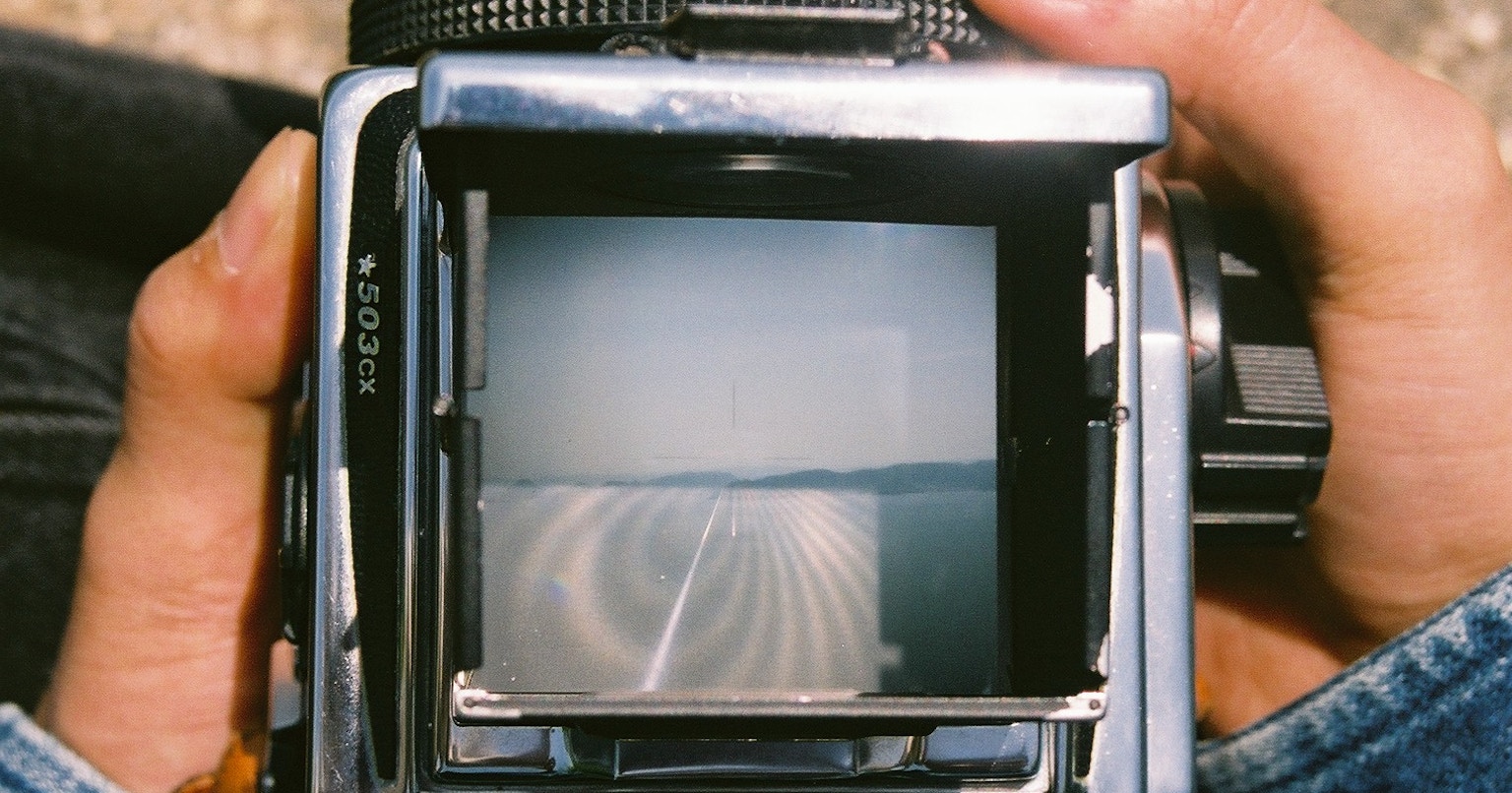
Medium format cameras are heavier than 35mm film cameras and lack automatic film advance, which naturally slows down the pace of shooting. Many medium format cameras, such as twin-lens reflex models, employ waist-level finders that require you to look down from above, allowing for a more contemplative observation of your subject through a large mirror.
This complexity may feel unfamiliar to those who prefer the spontaneity of quick snapshots. However, seen differently, it offers more time to consider composition and exposure for each photograph. Once you become accustomed to the operation, you will find greater enjoyment in the deliberate, unhurried world of medium format photography.
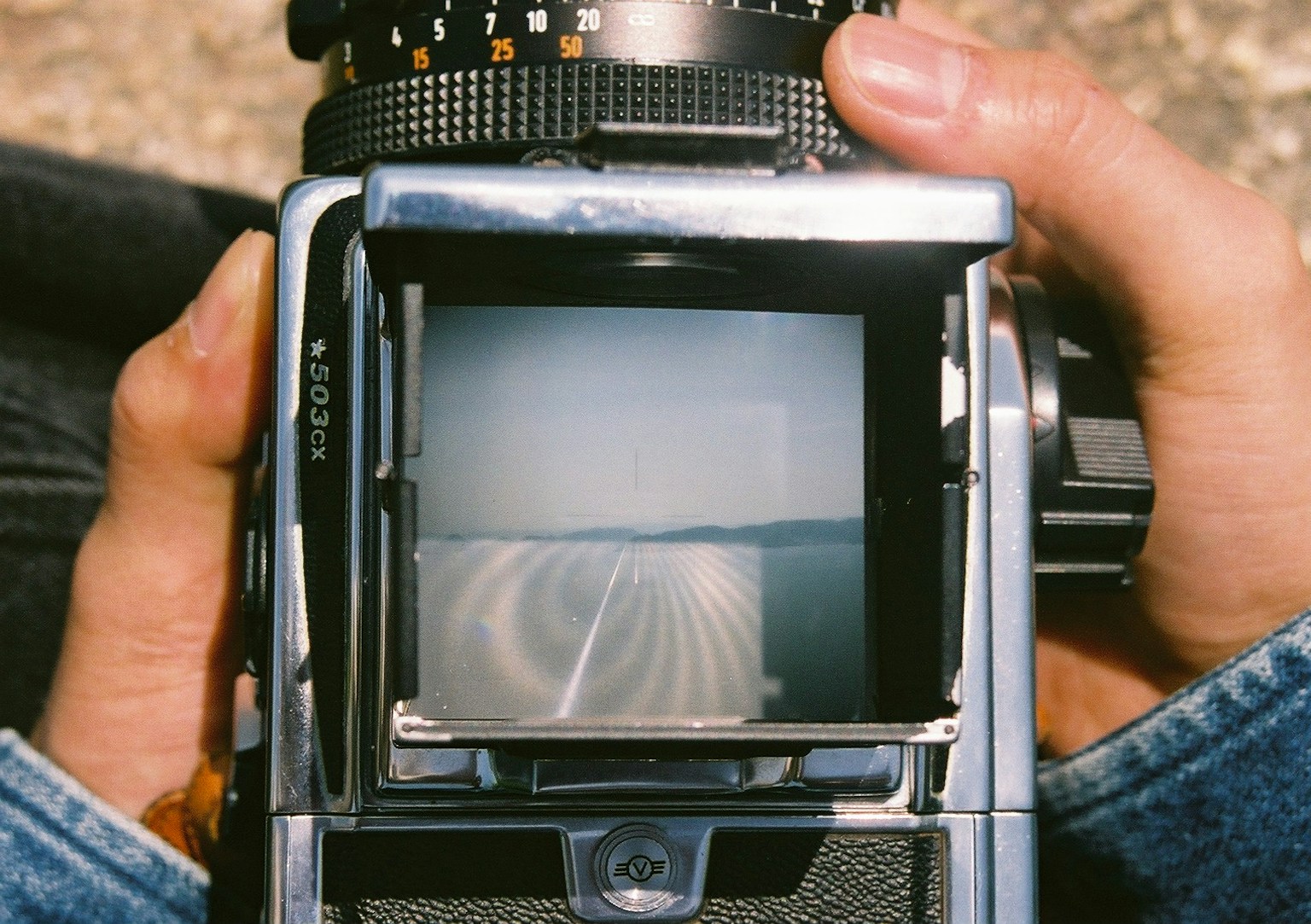
Waist-level finder
Expanding the Time for Photographic Reflection
With fewer shutter releases, the number of resulting images naturally decreases. Consequently, your relationship with each photograph changes. You can spend more time revisiting each image, slowly reflecting on the motivation behind each shutter press. Once you start using a medium format camera, you may notice that even when not holding your camera, you begin to see the world photographically, letting your thoughts drift to visual possibilities. This extended time for contemplation leads to a deeper approach to image-making.

Image by sentimental_jong
The Craft of Capturing Delicate Detail
One of the key advantages of medium format cameras is the size of the film. With a format more than twice as large as 35mm, medium format film captures finer details, with less noise and smoother tonal gradations. Photographs made on medium format film possess an aura that is incomparable to those shot on 35mm. Additionally, medium format camera lenses are often of higher quality than their 35mm counterparts. While they tend to be more expensive and offer less interchangeability, this consistency in lens choice can lend a cohesive character to your work—another unique appeal of the medium format system.
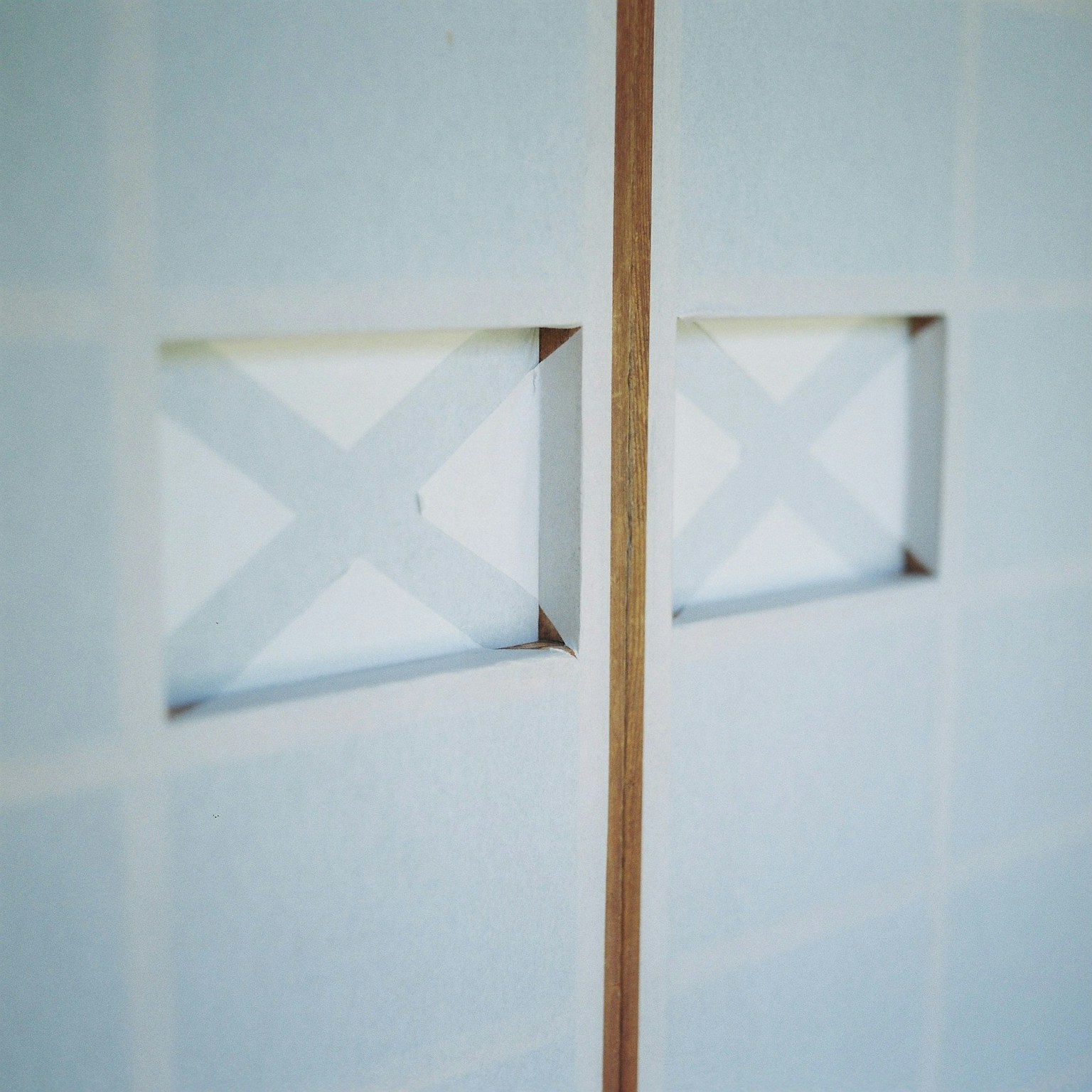
Image by sentimental_jong
Achieving Balance with the Square Format
Many medium format cameras, such as twin-lens reflex models and Hasselblad, adopt the 6×6 square format, enabling the creation of so-called 'square photographs.' The square, as a perfectly balanced shape, lacks a dominant axis (horizontal or vertical), causing the viewer's gaze to circulate across the entire image and imparting a sense of visual stability and calm.

Image by sentimental_jong
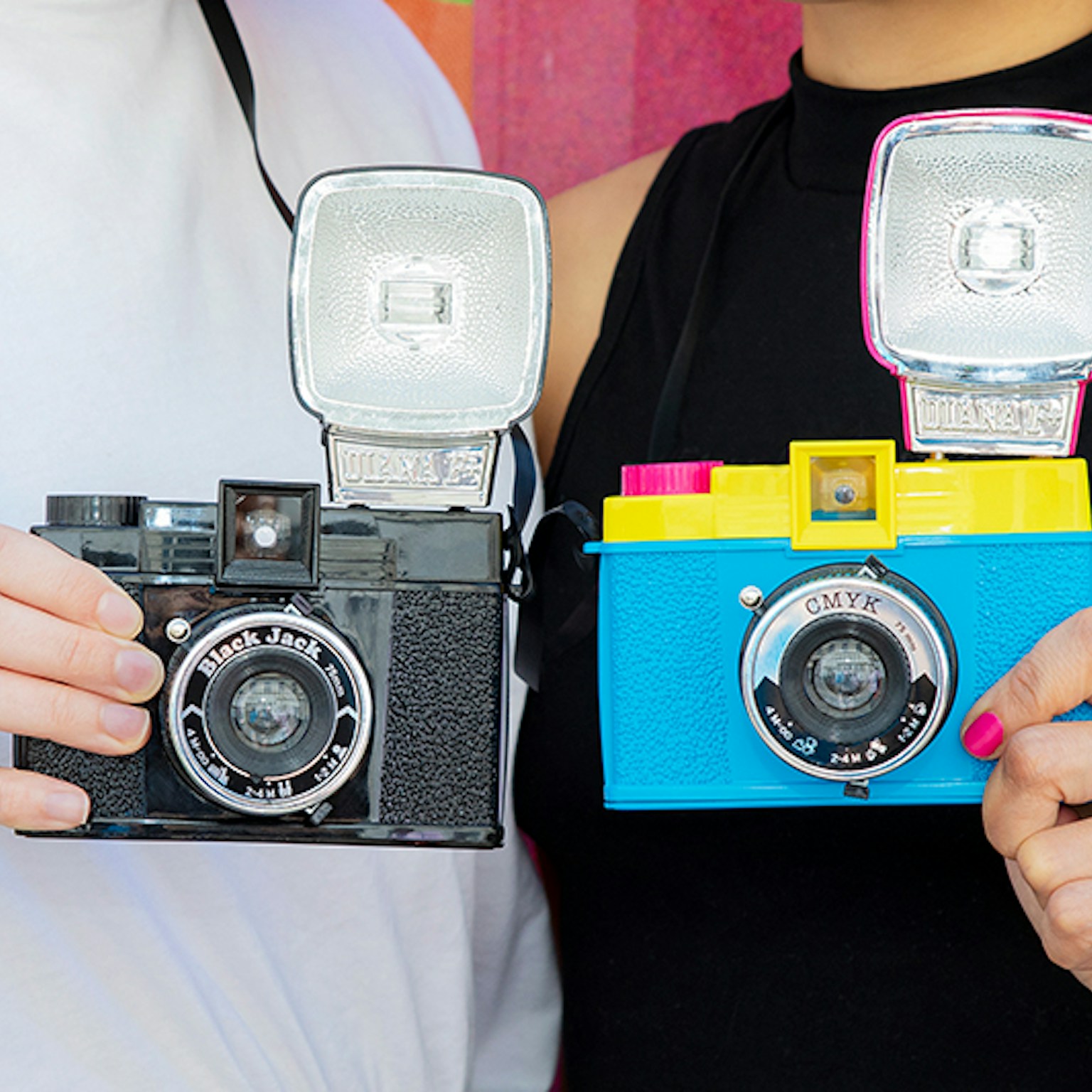
Whether digital or film, medium format cameras from brands like Bronica, Yashica, and Fuji are often perceived as expensive. However, there are also more accessible options, such as Chinese-made twin-lens reflex cameras and Lomography's 'Diana F+,' which can be found second-hand at relatively affordable prices. For those concerned about budget, these are excellent entry points into the world of medium format photography.
Once you fall for the world of medium format cameras, you may never look back—immerse yourself and experience it for yourself!