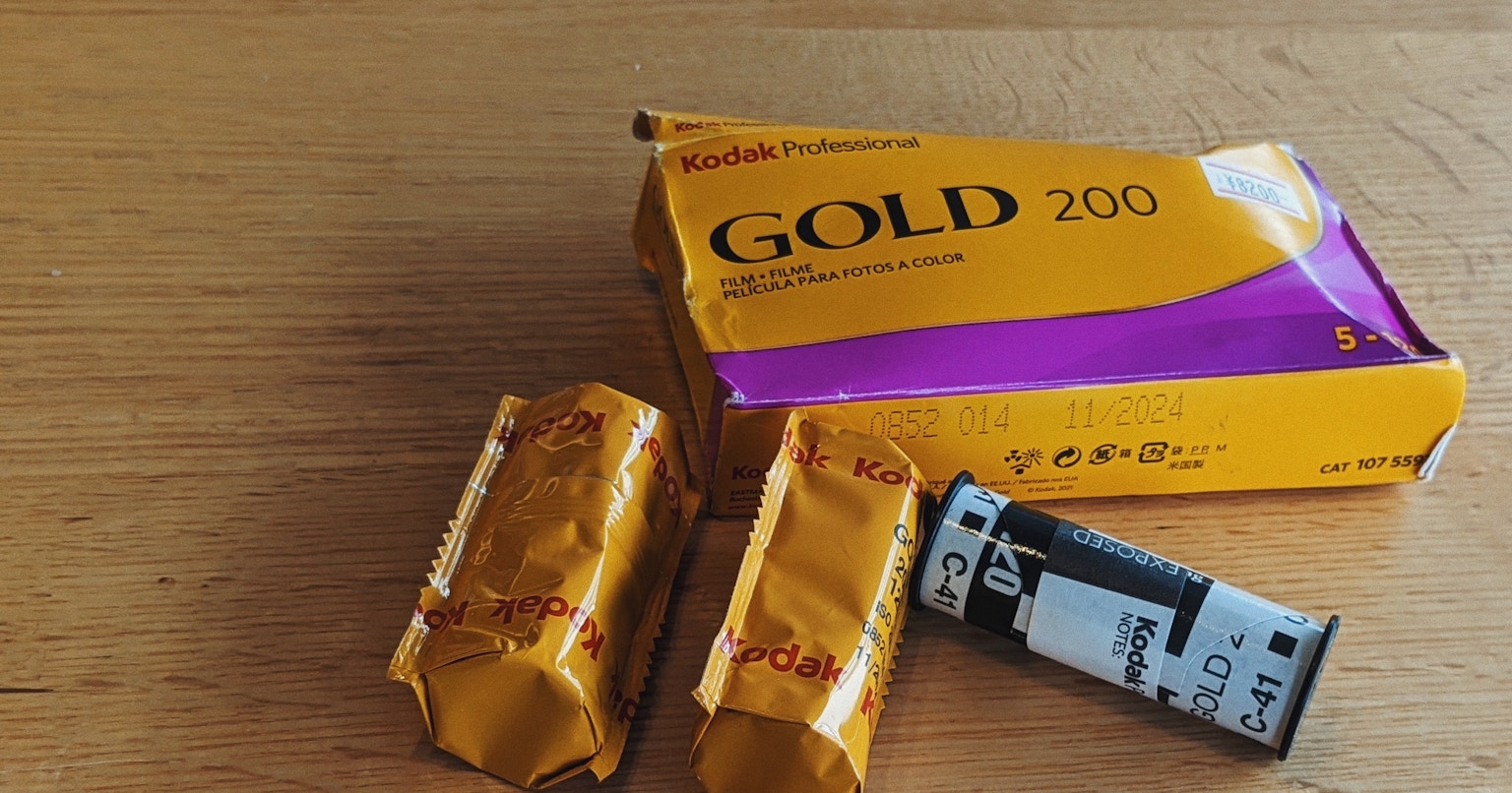
Have you noticed how expensive film has become?
Even among the cizucu editorial team, there are film enthusiasts who feel this personally. Every time we press the shutter, it feels as if our wallets get a little lighter. When did the sound of the shutter start to resemble the clink of coins? We’ve tried to convince ourselves that it’s a small price to pay for our passion and for art, but the reality is hard to ignore. Now, let’s finally delve into the reasons behind the surge in film prices.
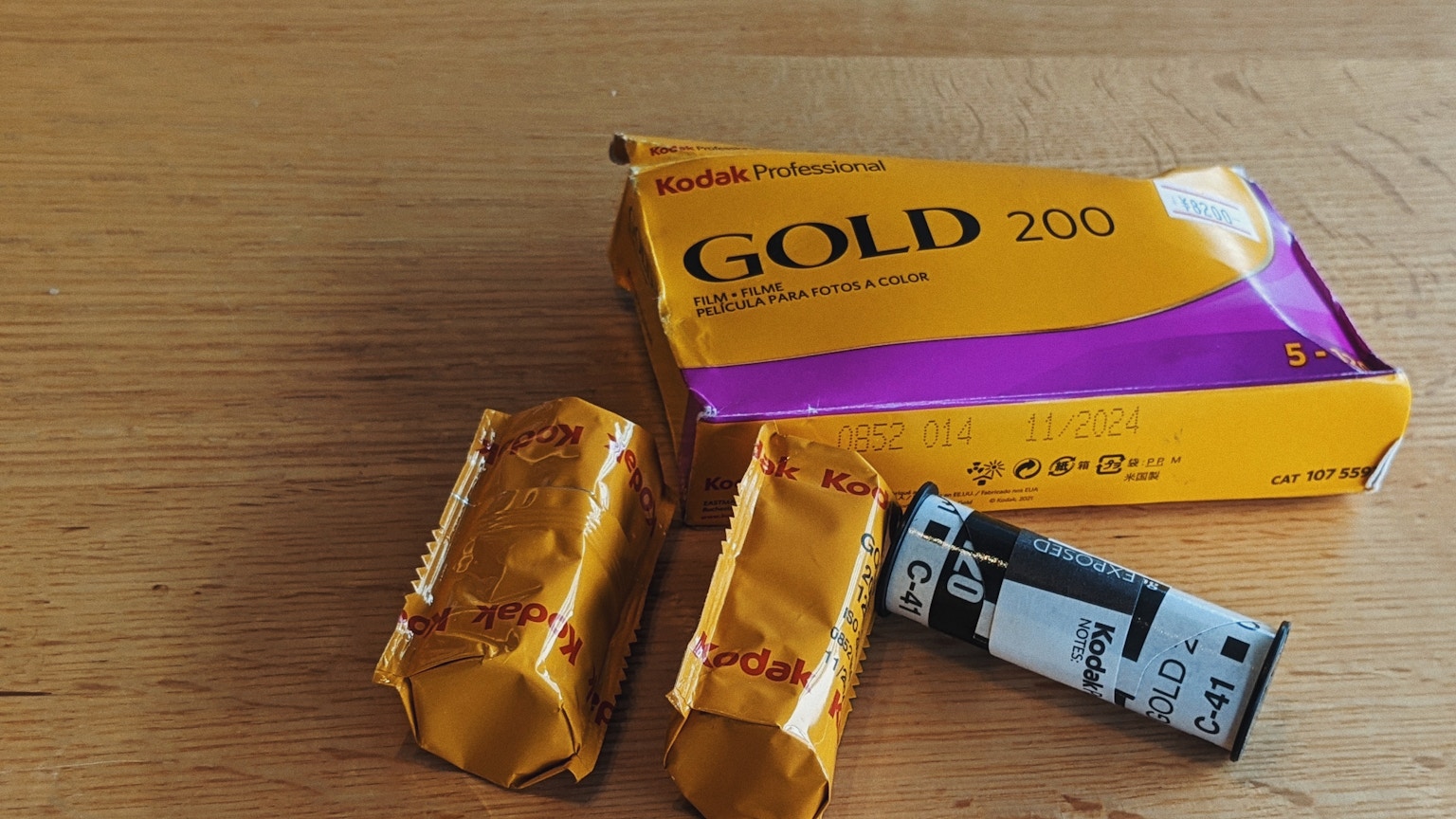
Image by sentimental_jong
Inflation and Economic Instability
The conversation around film prices began with the pandemic. As COVID-19 spread globally, supply chains were disrupted and logistics became problematic. Those who have developed film at home can easily imagine this: film is a recording medium that relies on chemical reactions. Delays in the supply of chemicals and materials essential for film production have contributed to the price hikes.
In the post-pandemic era, significant changes have occurred in both industrial and social structures, with inflation and economic instability standing out in particular. For example, the United States has experienced its highest inflation in forty years. In such circumstances, companies like Kodak, headquartered in the US, have found themselves compelled to raise film prices. The more complex the manufacturing process, as with film production, the greater the impact of these disruptions.
Proactive Investment for Stable Supply
However, the reasons for price increases are not limited to the rising cost of raw materials. There is also the perspective of investment to enhance production capacity. With global demand for film rising in recent years, Kodak’s film sales in 2020 reached record highs. This surge in demand led to supply not keeping pace, prompting Kodak to begin strengthening its production lines in anticipation of further growth.
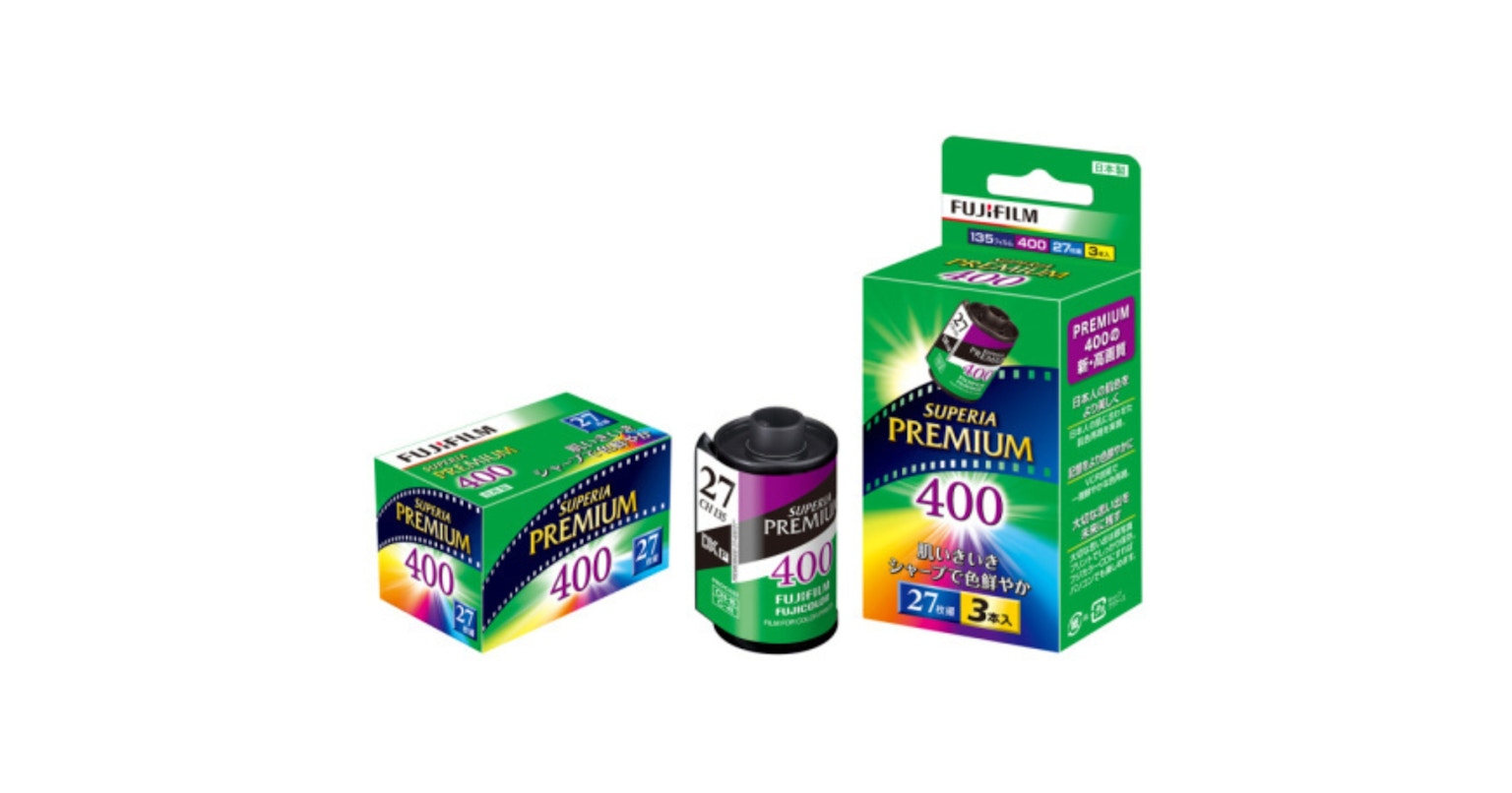
It’s not just Kodak. On September 6, 2023, Fujifilm announced an investment of 4.5 billion yen to expand production of its ‘Cheki (INSTAX)’ film in response to growing demand. Such ongoing financial investments are necessary, and as part of this, price increases have also been implemented.
Strategic Community Building
Beyond production costs, manufacturers may also be adjusting film output as part of their strategies to foster communities around film. Brands like Kodak, ILFORD, FUJIFILM, and Lomography are implementing marketing strategies tailored to their dedicated film enthusiasts. They focus on the experience of visiting various retailers to discover and purchase different types of film, emphasizing the rarity of film rolls. This approach turns the act of using specific films into a fashion statement, and as a result of such branding, scarcity is intentionally maintained through pricing and production volumes.
The surge in prices is, in part, a necessary measure by film manufacturers to sustain their communities and meet demand. Like painters purchasing paint, paying for film is a cost of creating work. Yet, for photographers with limited means, this reality is painful. For many professional photographers, choosing film has become a difficult option.
This is precisely why the team behind the cizucu app is committed to contributing to systems that support photographers and visual artists.