The "First" Photograph
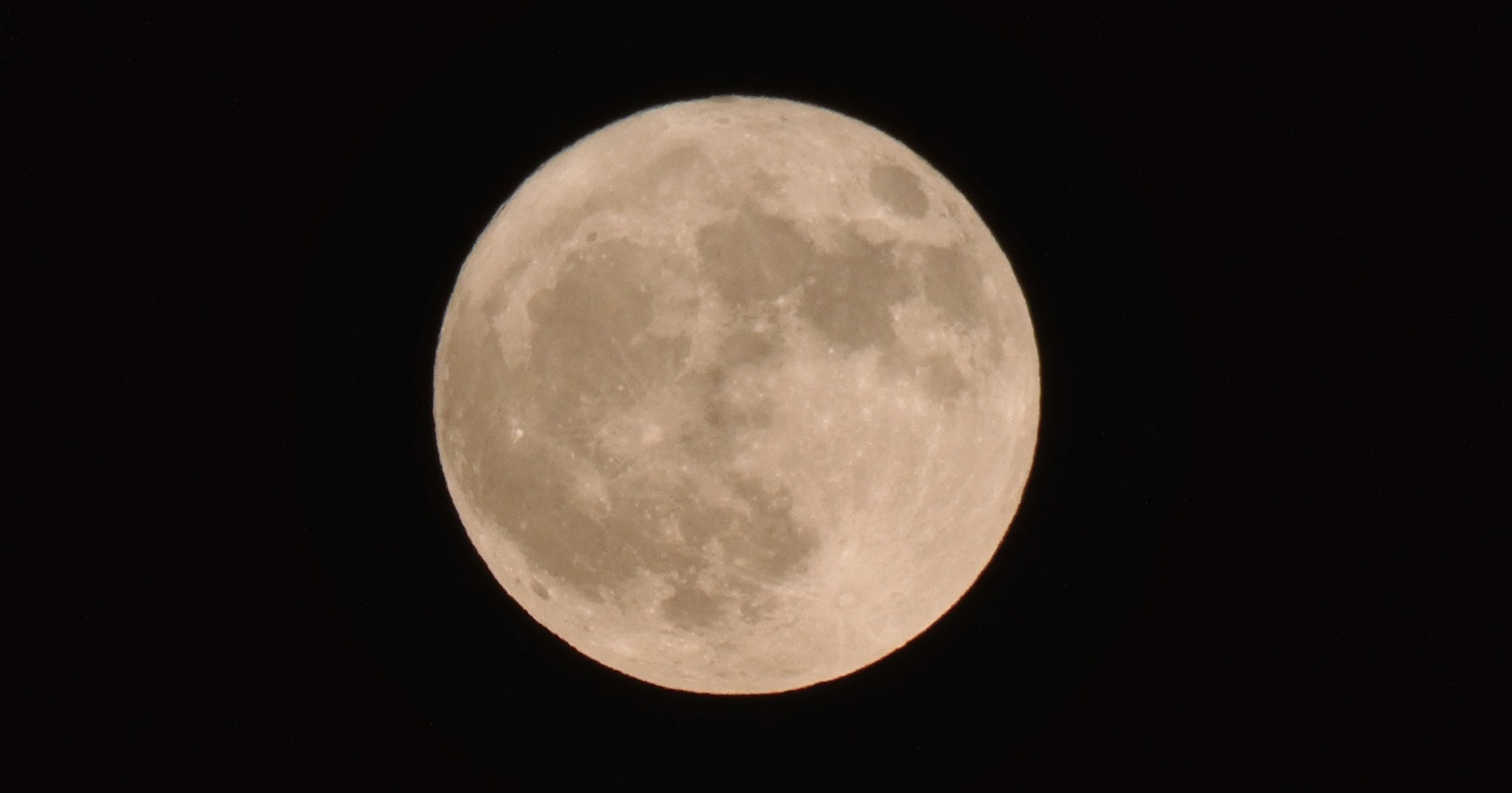
Iconic photographs capturing "first" moments often grace the covers of international publications and make headlines. Among these are the first photograph of Earth from space and the first image of humankind landing on the Moon. Many of these historic firsts, including three pivotal moments, were auctioned at Bruun Rasmussen, fetching a total of 1.5 million Danish kroner (approximately 31 million yen).
Pressing the Shutter: Proof of Presence on the Moon
The moment in 1969 when Apollo 11 astronauts first set foot on the lunar surface marked a historic achievement for humanity. The photographs capturing that moment serve as both evidence of the Moon landing and as a record of profound emotion.
Today, as AI-generated imagery advances, the authenticity and realism of photography are increasingly debated. It is worth reconsidering the value of pressing the camera’s shutter.
If the sole purpose were to convey the message that "humankind landed on the Moon," an AI-generated image could suffice. However, what truly moves us is the context: the fact that humans were physically present on the Moon. The reality of astronauts capturing images in space, through the physical act of photography, imbues these works with meaning and value.
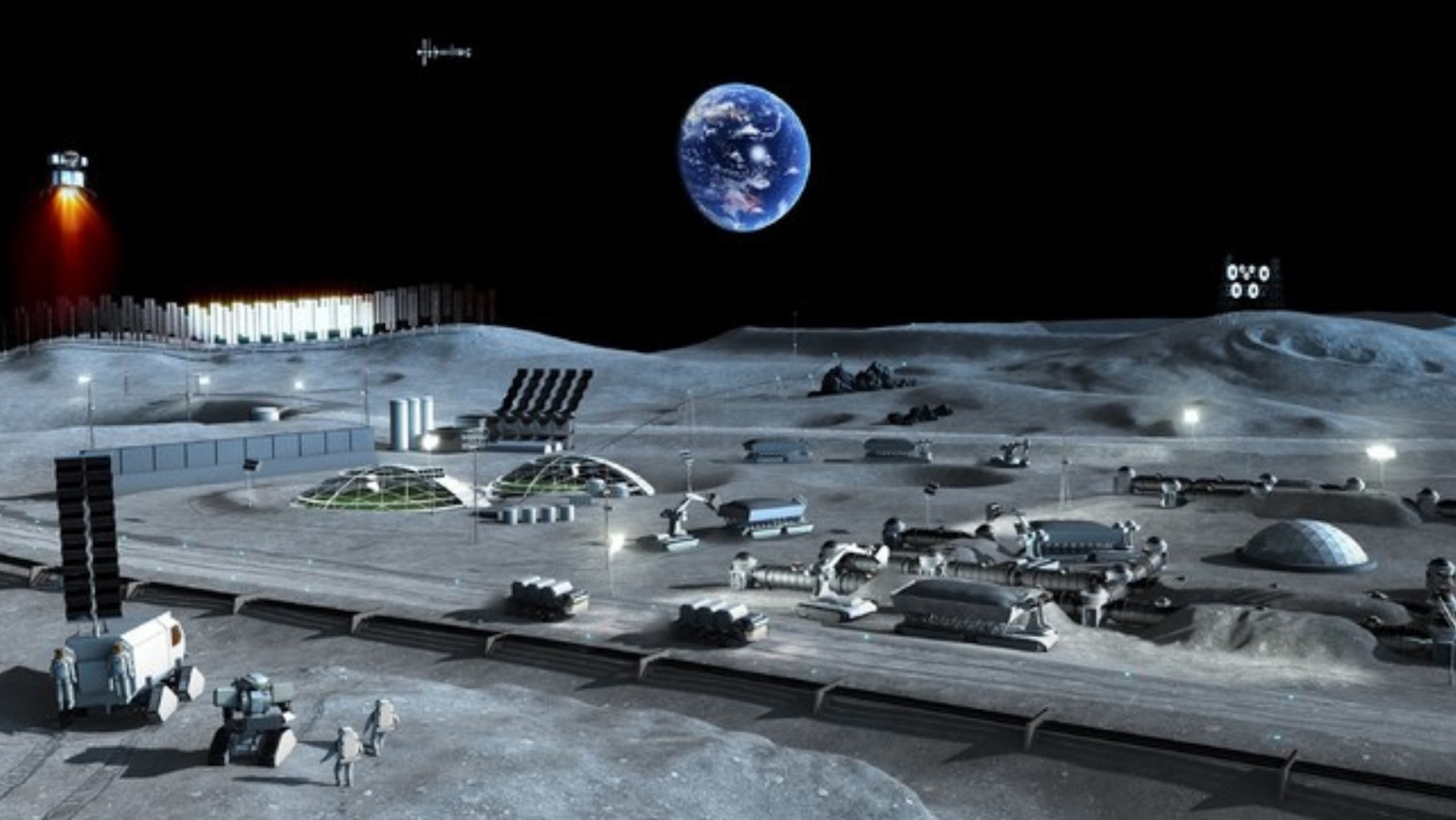
©︎ JAXA / Conceptual image of a lunar base
Astronauts and Cameras
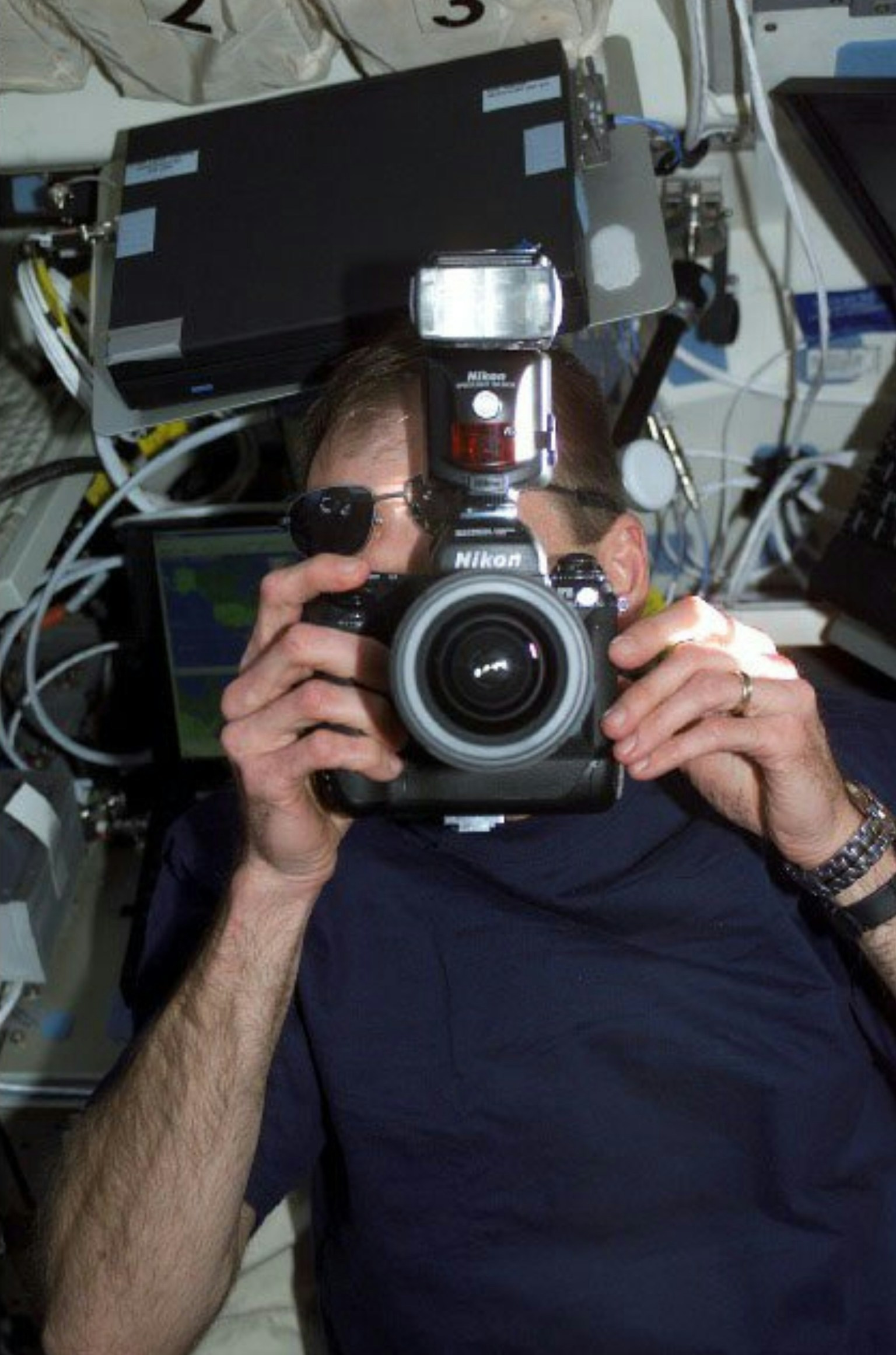
©︎ JAXA / 35mm Camera F5 and Speedlight SB-28DX
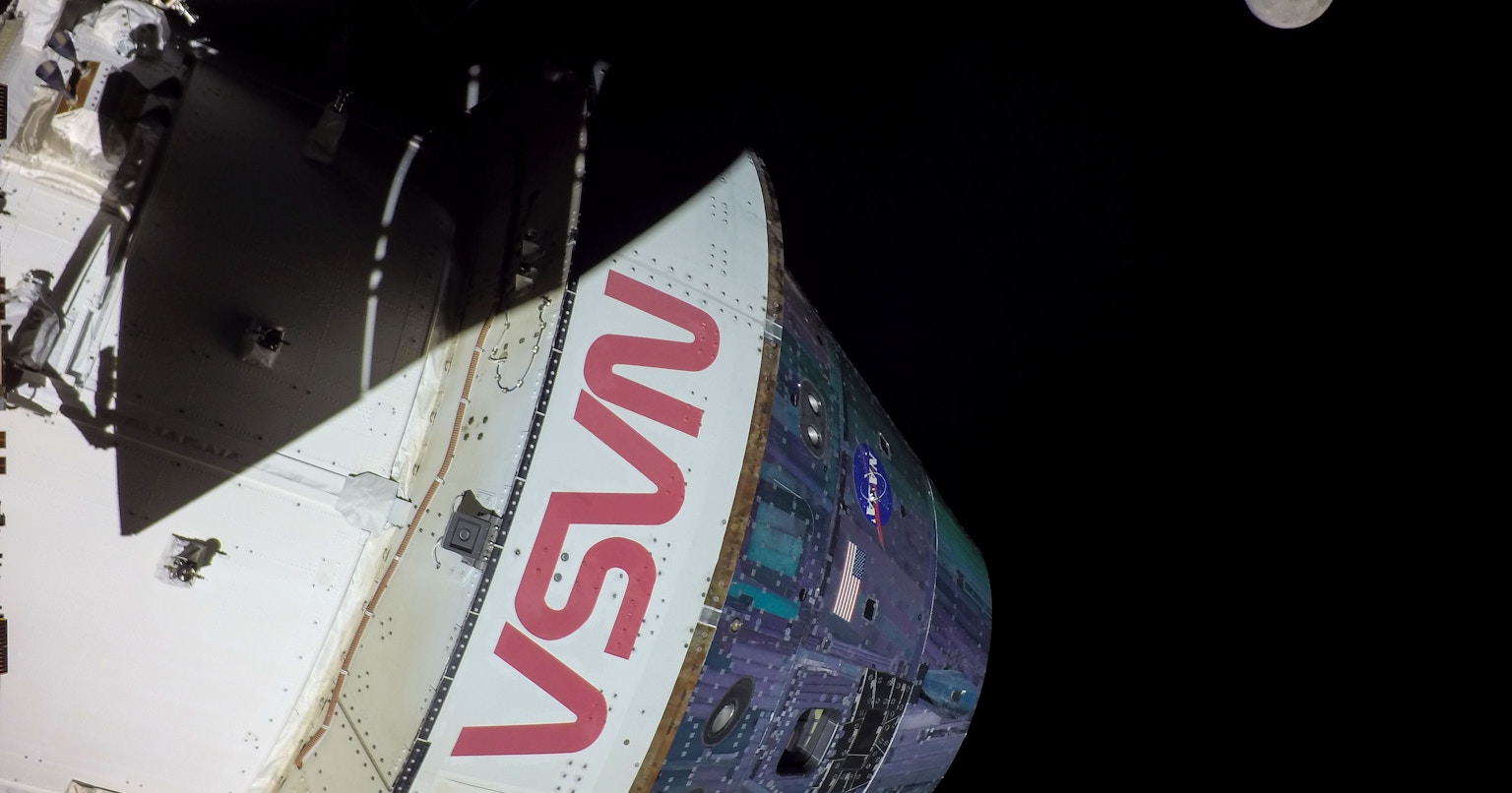
When selecting what to bring on demanding space missions, cameras are often given high priority. Astronauts carry cameras to document humanity’s achievements for future generations, recording the awe-inspiring reality that "humankind was there in space" with their own hands.
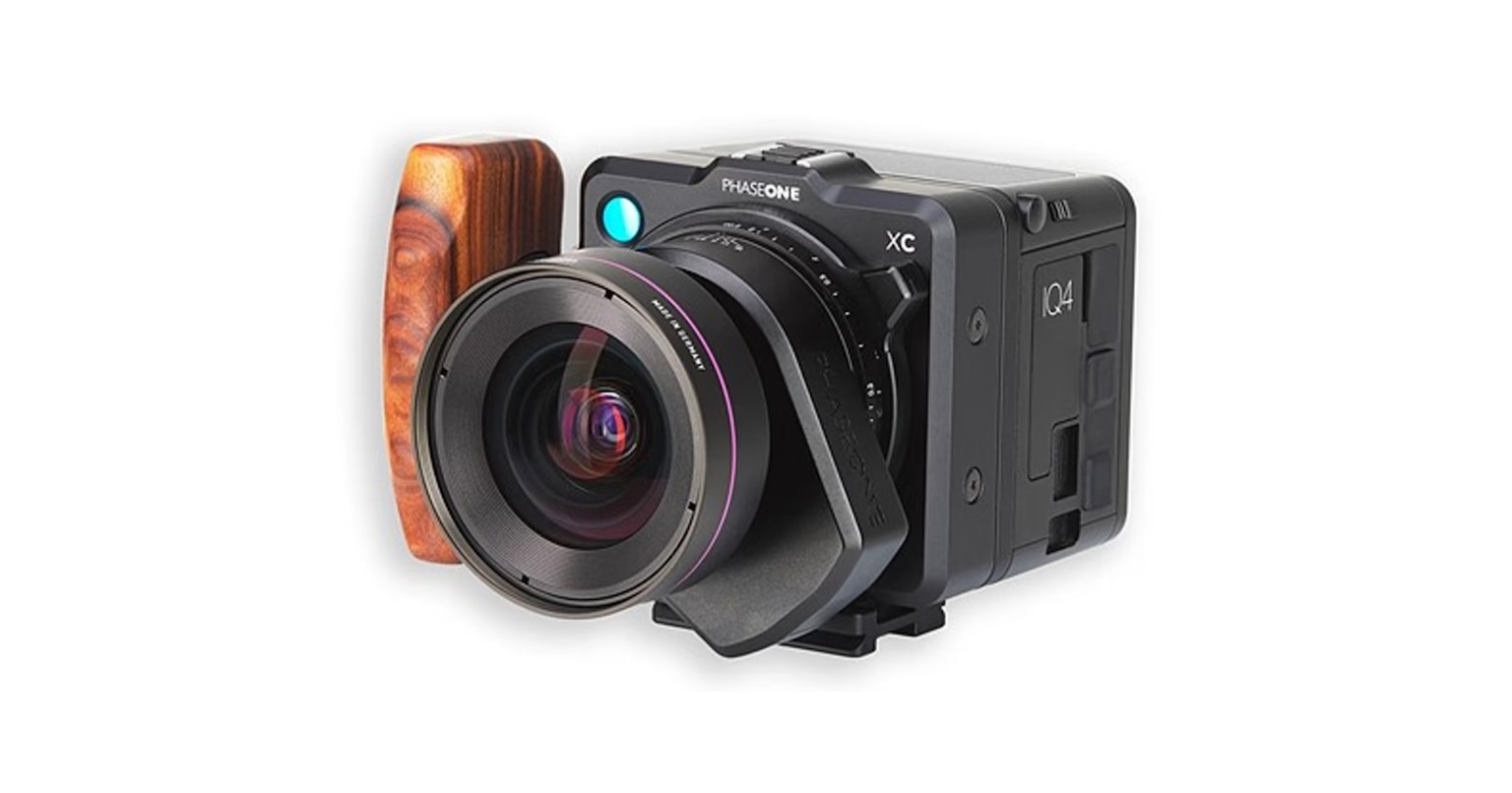
According to JAXA, since the STS-71 mission in 1995, NASA astronauts have used cameras in space. The first digital camera was the Kodak DCS460 (based on the Nikon F90s body), and various models have been adopted since. Onboard, astronauts have also used the Nikon F5 with 35mm film and the Hasselblad 203 with 70mm film.
Images captured with digital cameras are downloaded to Earth using laptops and the Ku-band, and are made publicly available on NASA’s official website.