MAGAZINE
MAGAZINE
MAGAZINE
MAGAZINE
By cizucu ·
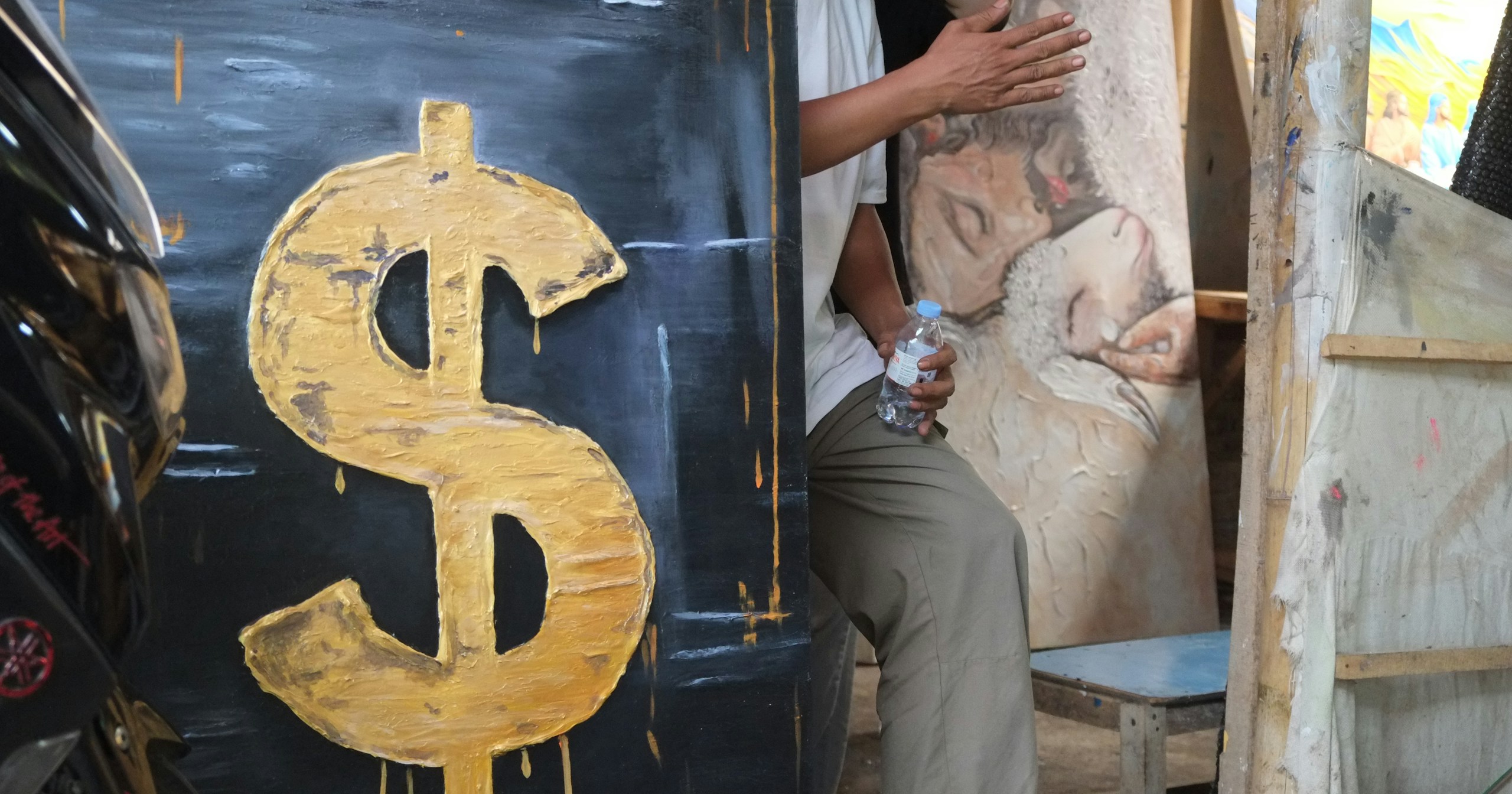
Members of the cizucu editorial team had the chance to visit the Jakarta International Photo Festival (JIPFest) and spend some time in Indonesia. We covered the festival in an earlier magazine article.
While we were there, we wanted to see more of how images are made and circulated in Indonesia, so we travelled to Bandung in West Java. Walking along Braga Street in the city centre, we found paintings of mountains, fields and flowers displayed all along the street.
Where did all these paintings come from? That question led us to Jelekong, a village on the outskirts of Bandung. It is home to many painters and studios, and painting has long been part of how people there make a living.
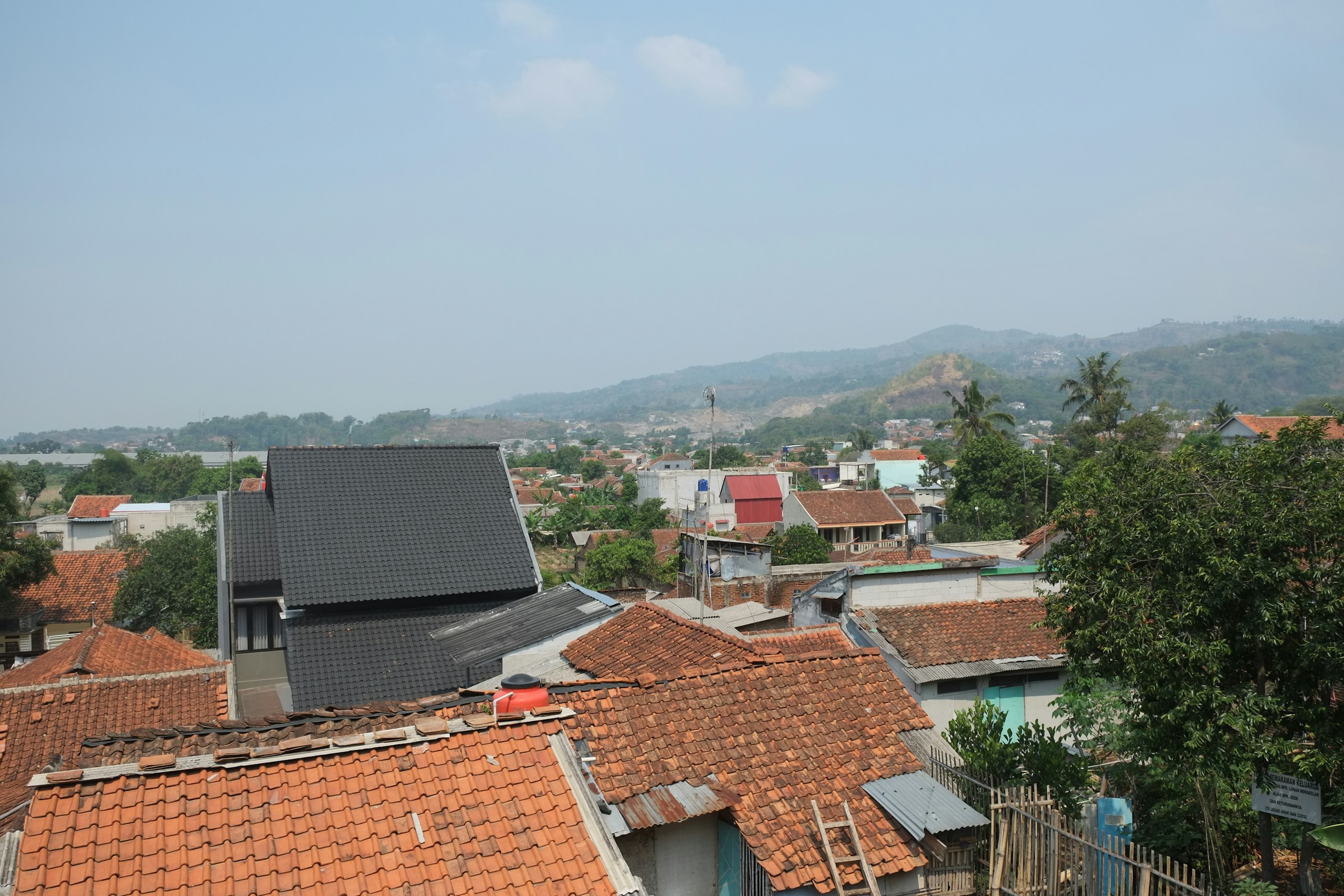
At an exhibition about Jelekong, one term caught our attention: “Pinterest-an.” It combines Pinterest with the informal Indonesian suffix “-an,” giving it a meaning along the lines of “Pinterest-like” or “in the style of Pinterest.”
But as we walked around the village and saw how the paintings were made, we began to wonder whether “Pinterest-an” described more than just a visual style. In Jelekong, images found on Pinterest are transformed into paintings and sent to customers elsewhere.
Jelekong has long produced paintings for the market by dividing the work across the village, from the first stages through to the finishing touches. This system has supported both the local economy and people’s livelihoods. When face-to-face sales became difficult during the pandemic, it seems to have adapted to online orders as well. We were told that simpler orders can now be completed and shipped in as little as three days.
A customer opens Pinterest and chooses one image from the endless options—something that captures the kind of painting they want. They send it to a painter along with their preferred size, colours and other details. The painter then uses the image on the screen as a reference and recreates it on canvas.
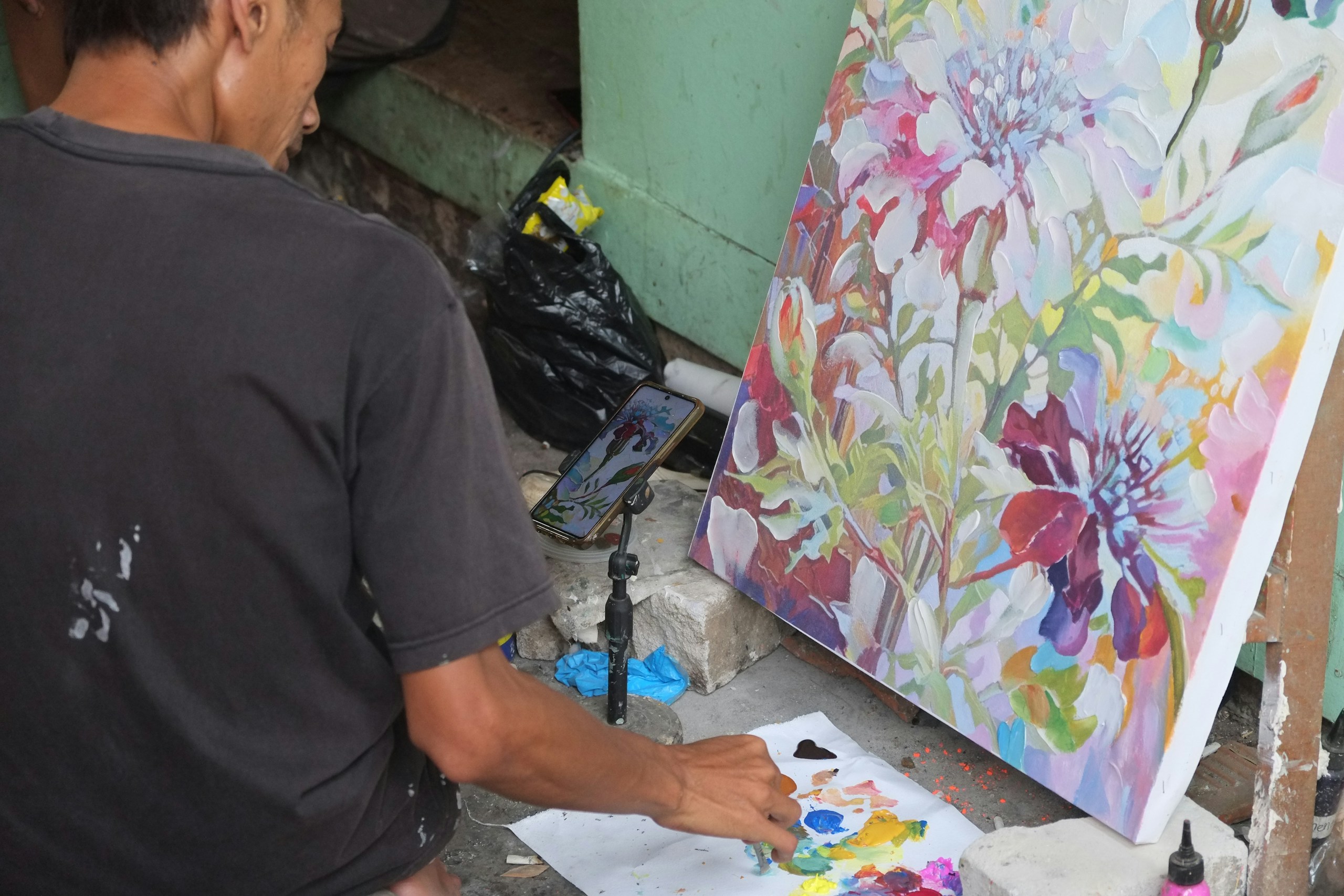
Here, Pinterest serves as a catalogue for finding the kind of image you want and commissioning a painting. A saved image effectively becomes an order form.
In Jelekong, one painter does not necessarily complete a painting from start to finish. Some people make the canvases, others paint, frame or package the finished paintings, and still others ship them to customers. Every step, from receiving the image to sending out the final product, is divided among different people and provides work within the village.
In a way, the whole village works like a 3D printer powered by human hands. An image that once existed only on a screen passes through several pairs of hands, becoming a painting made of canvas and paint before being sent somewhere else.
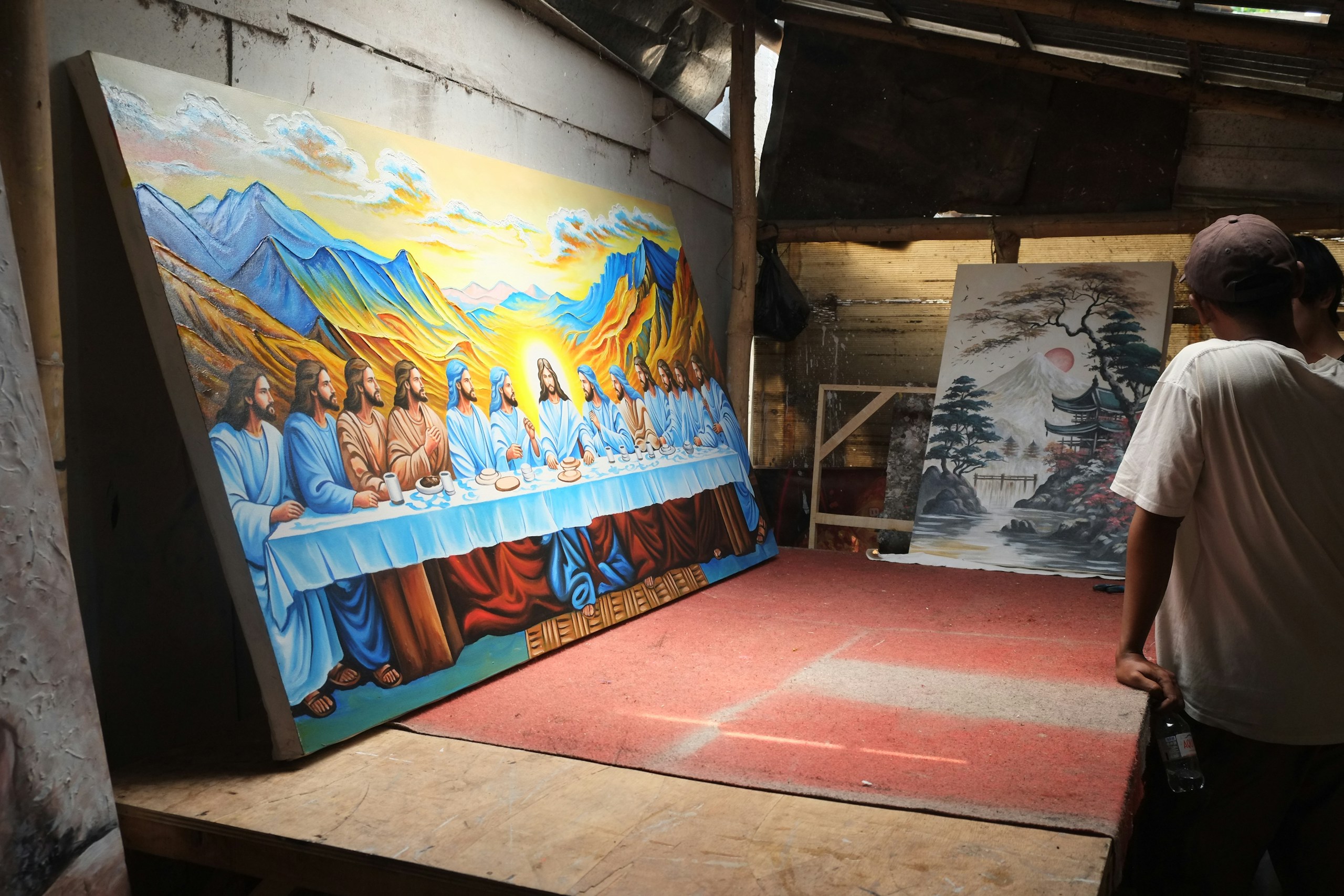
Even when painters work from the same source image, no two results are exactly alike. The movement of the brush, the choice of colour and the details left out all introduce small differences. These traces of individual hands bring a natural variation to the village’s divided production process.
Once complete, the paintings are framed, packaged and shipped to their customers. An image that appeared on a smartphone just days earlier now has physical size and weight and travels to hang on a wall in someone’s room far away.
Braga Street in central Bandung was mentioned as one of the places where paintings from Jelekong have been sold. Along the street, with its old buildings, paintings featuring similar subjects—mountains, fields, rivers and flowers—are displayed side by side. Pinterest now seems to be providing a new entry point into this long-standing network of painting production and distribution.
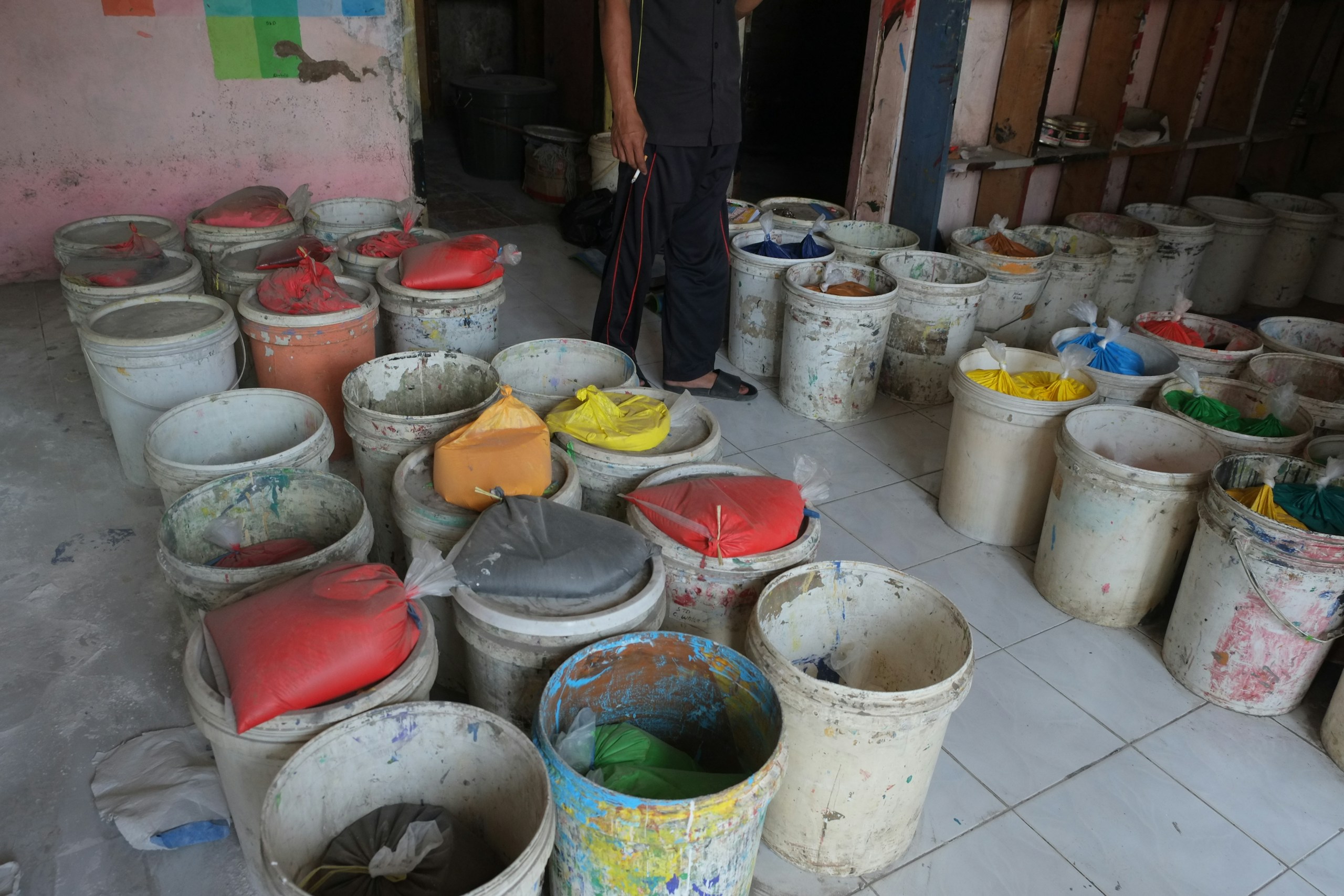
An image on a screen has no weight or texture. In Jelekong, people add their time and skill, turning it into a painting that can be touched. It felt as though human hands were connecting the experience of seeing an image on a screen with that of hanging it in a room.
The finished painting is photographed and posted on online shops and social media. Someone else sees that photo and places another order, and the image is painted onto a new canvas.
Find it on Pinterest. Send the image. Paint it by hand. Deliver the painting. Photograph the result and put it back online. As an image moves back and forth between the digital and physical worlds, it gradually changes form and continues to circulate.
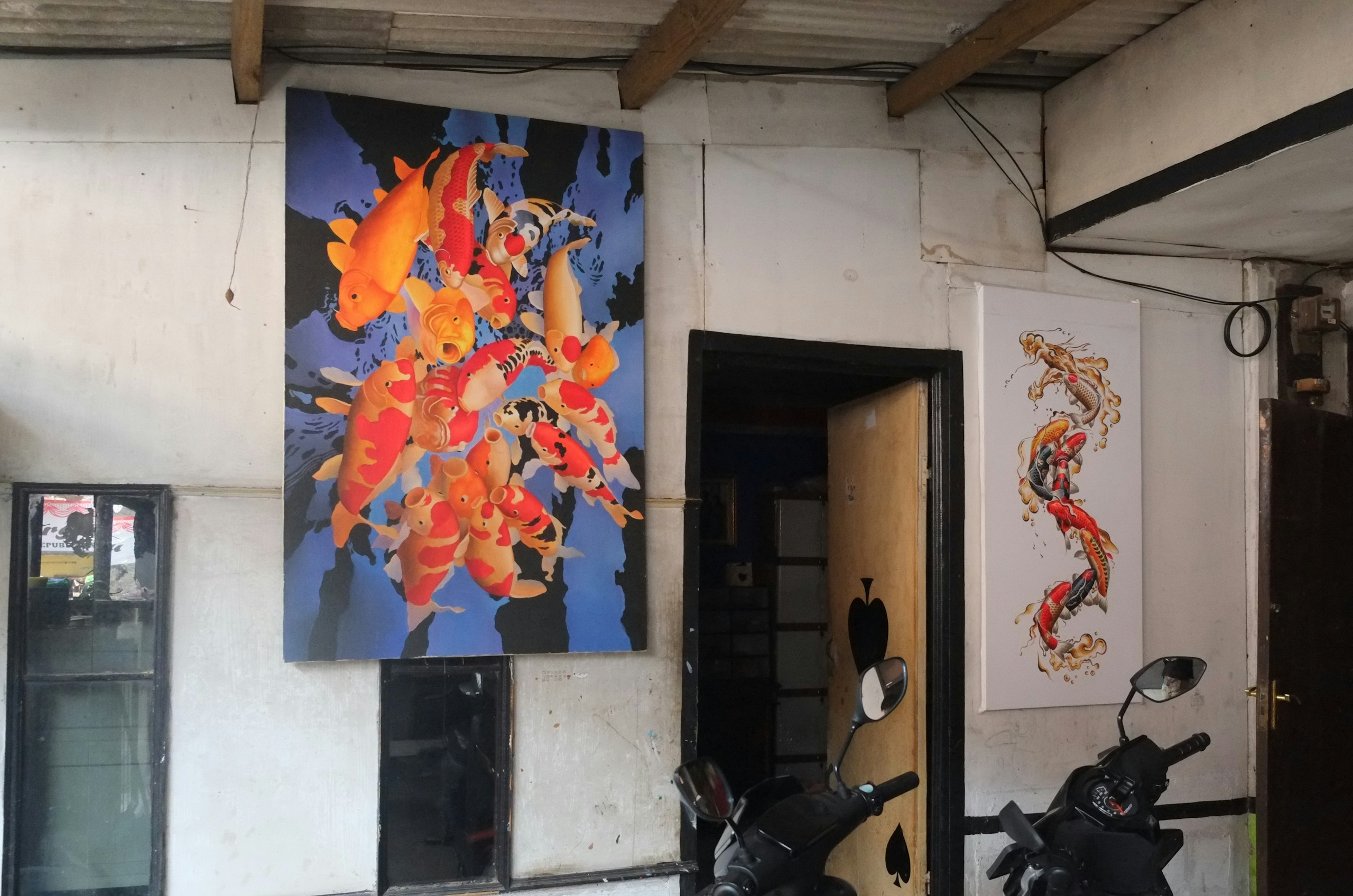
Following the idea of “Pinterest-an” reveals more than a set of colours or visual traits. It also brings an entire system into view: choosing a digital image, turning it into a painting by hand, and sending it to someone elsewhere. The boundaries of what counts as “Pinterest-an” may still be unclear.
In Jelekong, we felt we had caught a glimpse of what happens after an image leaves the screen—how it passes through people’s hands and takes their time before arriving somewhere else as a painting.


