MAGAZINE
MAGAZINE
MAGAZINE
MAGAZINE
By cizucu ·
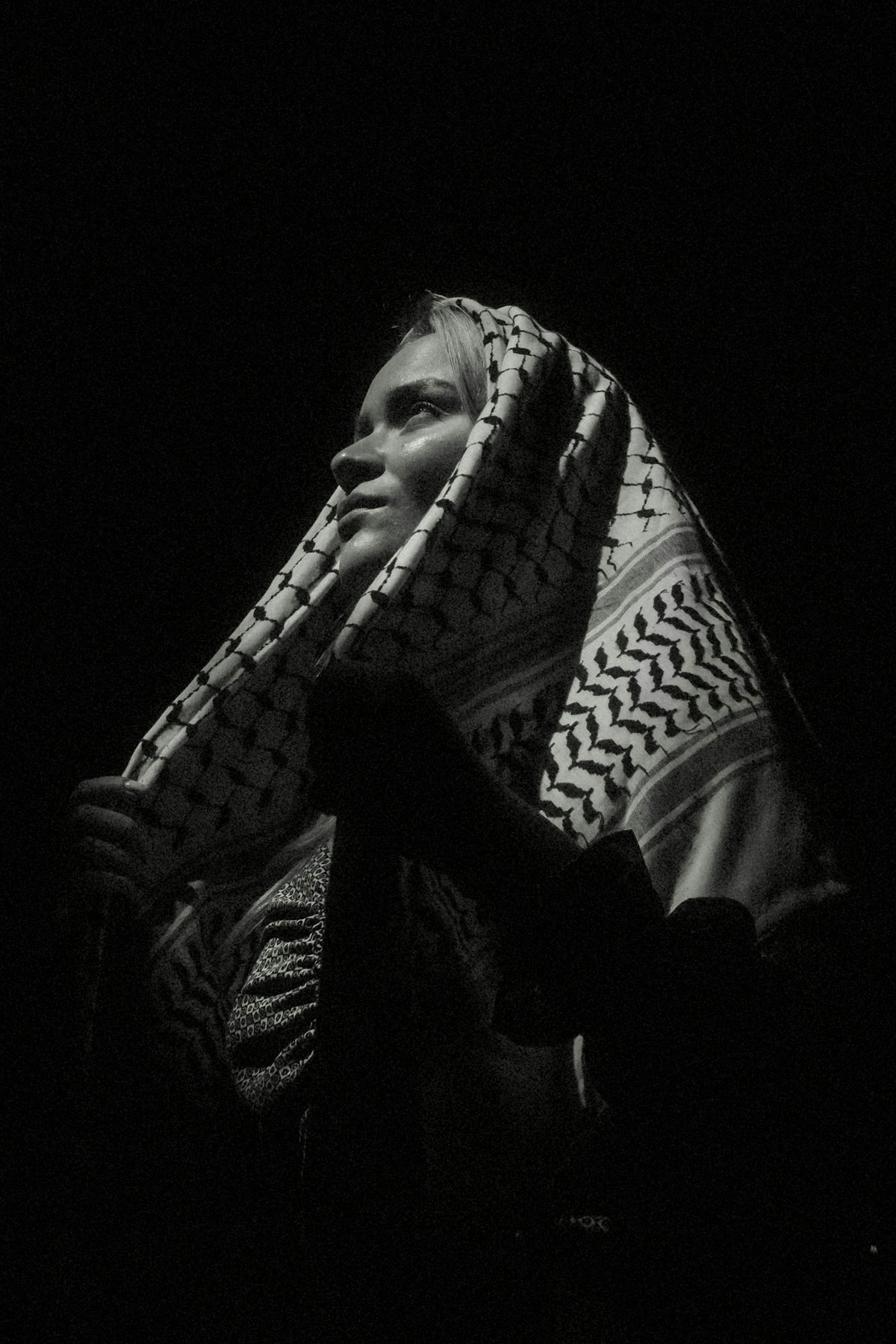
Cover photo by tovaio
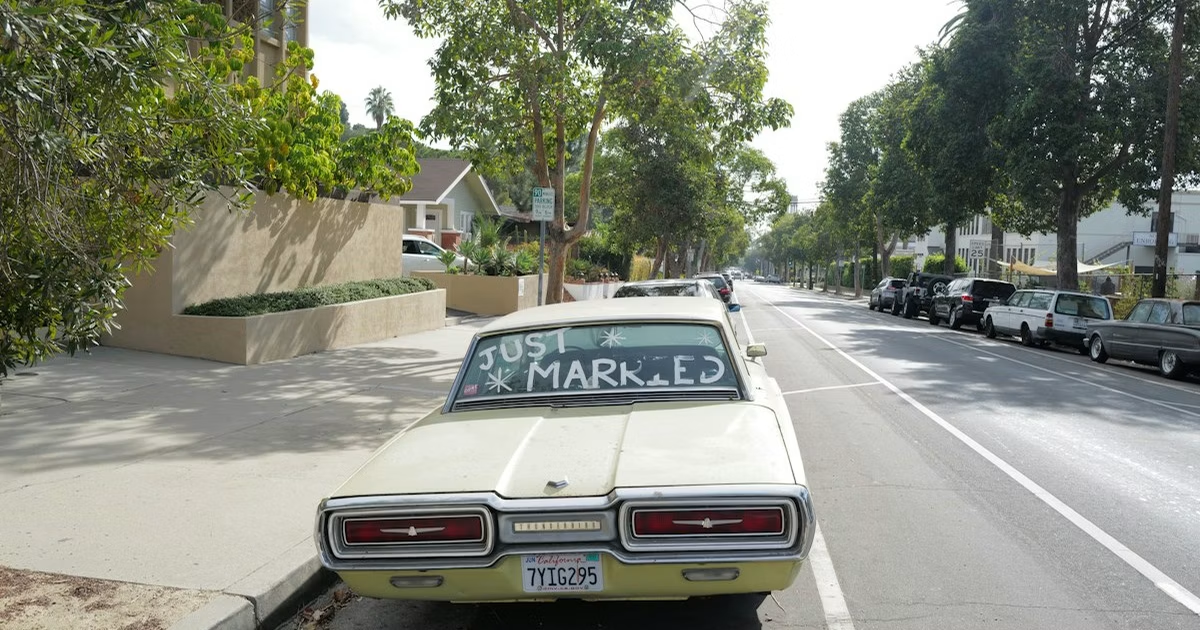
An ordinary building, or a person looking straight into the camera. Nothing dramatic is happening, yet something makes you linger over the details. One way to approach photos like these is through a style known as deadpan photography.
It presents the subject calmly and plainly, without trying to heighten the emotion. This applies to more than expressionless portraits: buildings, streets, and everyday objects can all become subjects. Here, we explore where the term comes from, how notable photographers have used this approach, and how you can try it yourself.
The English word deadpan combines dead with pan, a slang term for the face. It describes an expression or manner that gives little emotion away. Long used in acting and comedy, the term is also used in photography to describe images that present their subjects plainly, without putting the photographer's feelings front and center.
Deadpan photography keeps some distance from its subject and avoids staging intended to provoke a strong emotional response. Common features can include a stable, frontal composition, clear detail, and restrained color. None of these, however, is a fixed requirement.
Photo by つばさ製作所
Rather than a single technique invented by one photographer, deadpan is often discussed as a term that connects documentary, typological, and detached approaches found throughout 20th-century photography. Instead of bringing the photographer's personality or emotions to the foreground, it gives us room to observe the subject closely. Look carefully at the details and arrangements in an ordinary building or street scene, and the photo can begin to say something about everyday life and society.
Holding back on staging does not make a photo completely emotionless or objective. The photographer's point of view still appears in what they choose to photograph, where they stand, and the moment they select. The appeal of deadpan photography lies in not overexplaining that viewpoint through big emotional gestures. Instead, it leaves viewers room to find meaning in the details and situation for themselves.
For another perspective on photographic objectivity and the photographer's point of view, read 10 Questions with Photographer | Wolfgang Zurborn | ISSUE #217. Zurborn approaches the relationship between photography and reality from a position distinct from the Becher School, associated with photographers who studied under Bernd and Hilla Becher.
Photo by TheBearded_Skot
To try the deadpan approach close to home, photograph a neighborhood building, a storefront, or someone you know from directly in front, placing the subject near the center of the frame. Rather than relying on an extreme angle or an exaggerated pose, shoot from a natural eye level and let people stand as they normally would. Keeping color and contrast adjustments restrained can also draw attention to the subject's shape and its relationship with the surroundings. These are not strict rules, but useful starting points for exploring a less staged way of presenting a subject.
Photographers often associated with deadpan include Bernd and Hilla Becher, who repeatedly photographed industrial structures such as water towers and gas tanks, and Rineke Dijkstra, known for frontal portraits of people at turning points in their lives. Their photos can be useful references when thinking about your own approach. Look at the differences in the buildings' forms and structures, or at each person's expression and stance, and ask what this understated presentation reveals.
Try stepping back a little from the urge to make a scene look striking. What remains in a familiar view? Pick up your camera and find out.