MAGAZINE
MAGAZINE
MAGAZINE
MAGAZINE
By cizucu ·
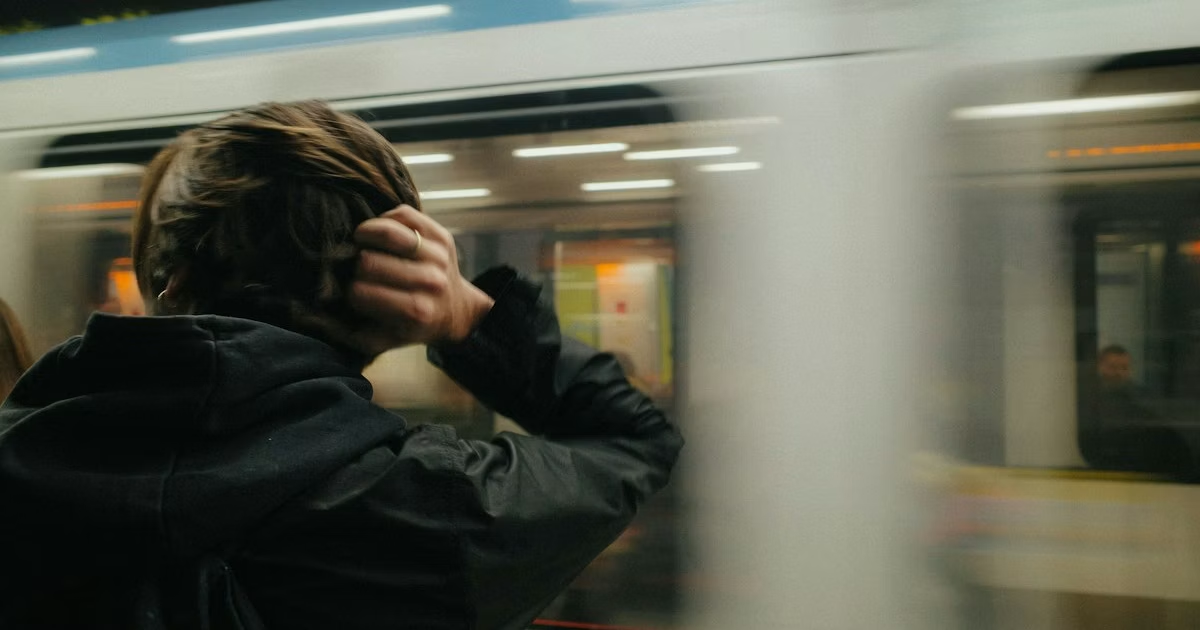
Cover photo by Ryuji Azuma
Have you ever found yourself drawn to a hand gesture caught in an otherwise ordinary scene? Hands can suggest feelings that facial expressions alone may not reveal, the distance between people, or the mood in the air. Their movements invite viewers to imagine all kinds of possibilities.
Even the same gesture can look completely different depending on who it is directed toward and where it appears. Hand movements do not have one fixed meaning; culture, context, and the viewer all shape how they are read. Here, we look at the stories created by hands and their surroundings. Along the way, let’s explore ideas you can use when capturing everyday moments or directing a pose.
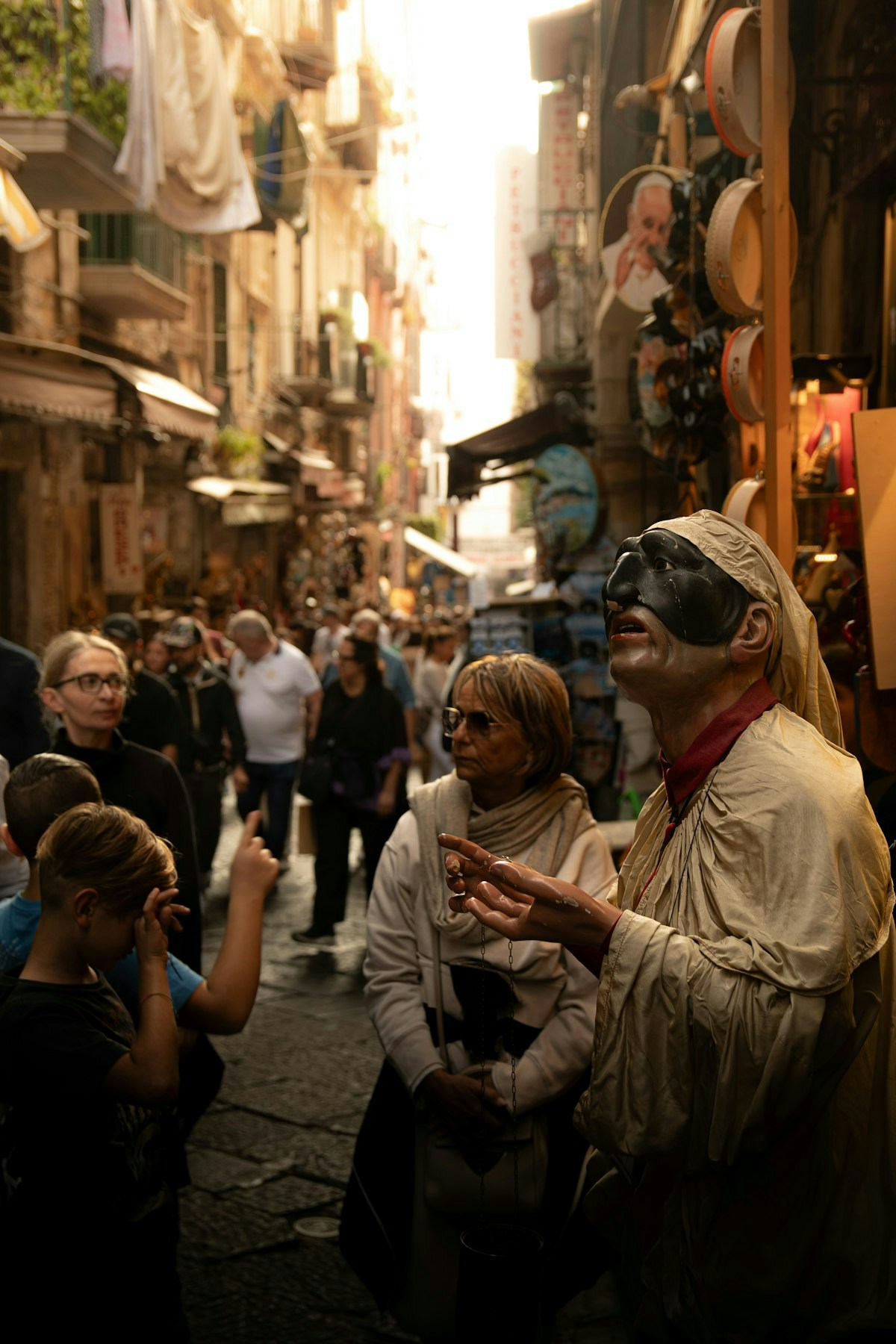
Photo by Pikanchor
In a Naples alleyway, a masked figure and the hand held against their chest immediately catch the eye. Doesn’t the angle of the palm and the curl of the fingers seem to be saying something? The looks and gestures of the people nearby add to the moment, making it easy to imagine the voices and exchanges taking place.
When shooting, look beyond the face. Try including the position of the hands, the shape of the fingers, and the subject’s relationship with the people around them. If you are directing the shot, ask them to imagine they are speaking to someone. This can bring out natural, expressive movements instead of a fixed pose.
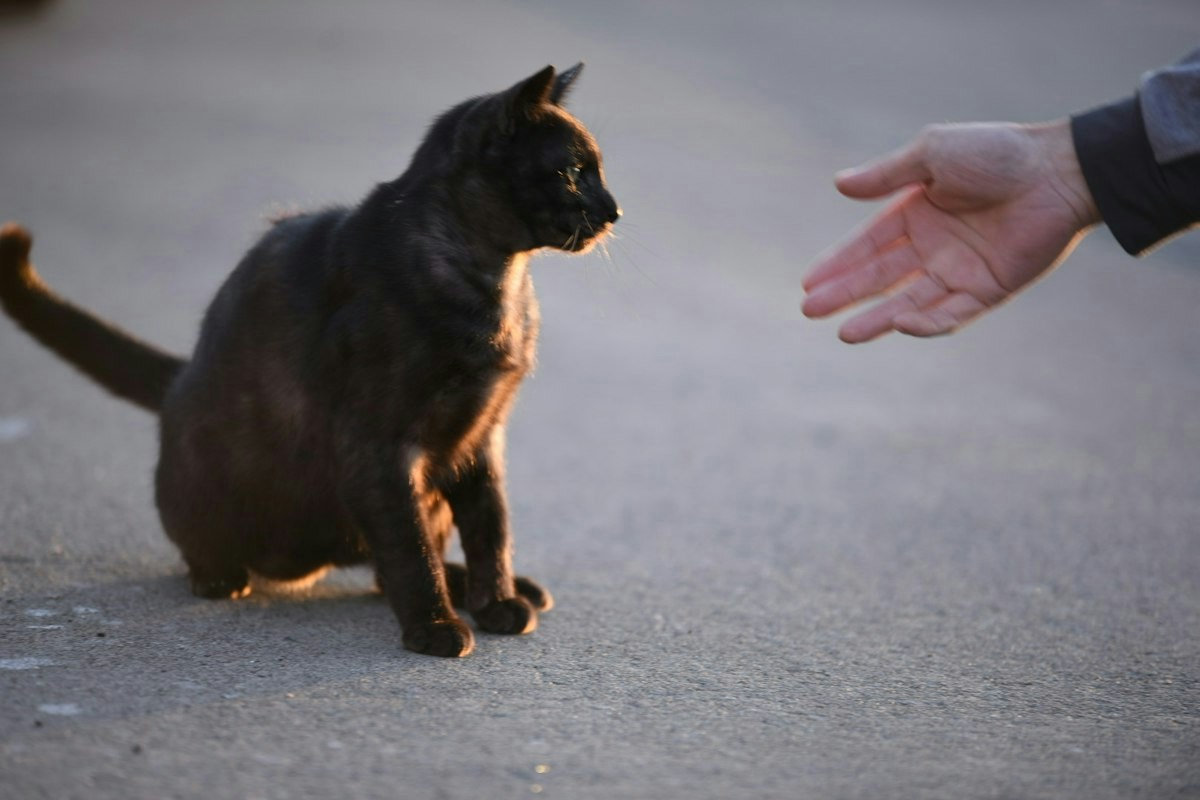
Photo by Yuka Igarashi
An open hand reaches toward a cat. In the small gap before they touch, we might sense a wish to become friends or offer reassurance. A gesture begins to tell a story when the person or animal receiving it is also in the frame.
In scenes like this, do not focus only on the instant of contact. Notice the time spent reaching out and waiting for a response. The same idea works when photographing people: before they hold hands, take a frame while one person is still reaching out. Leaving space between the hand and the other person can bring a sense of hesitation or anticipation to the photo.
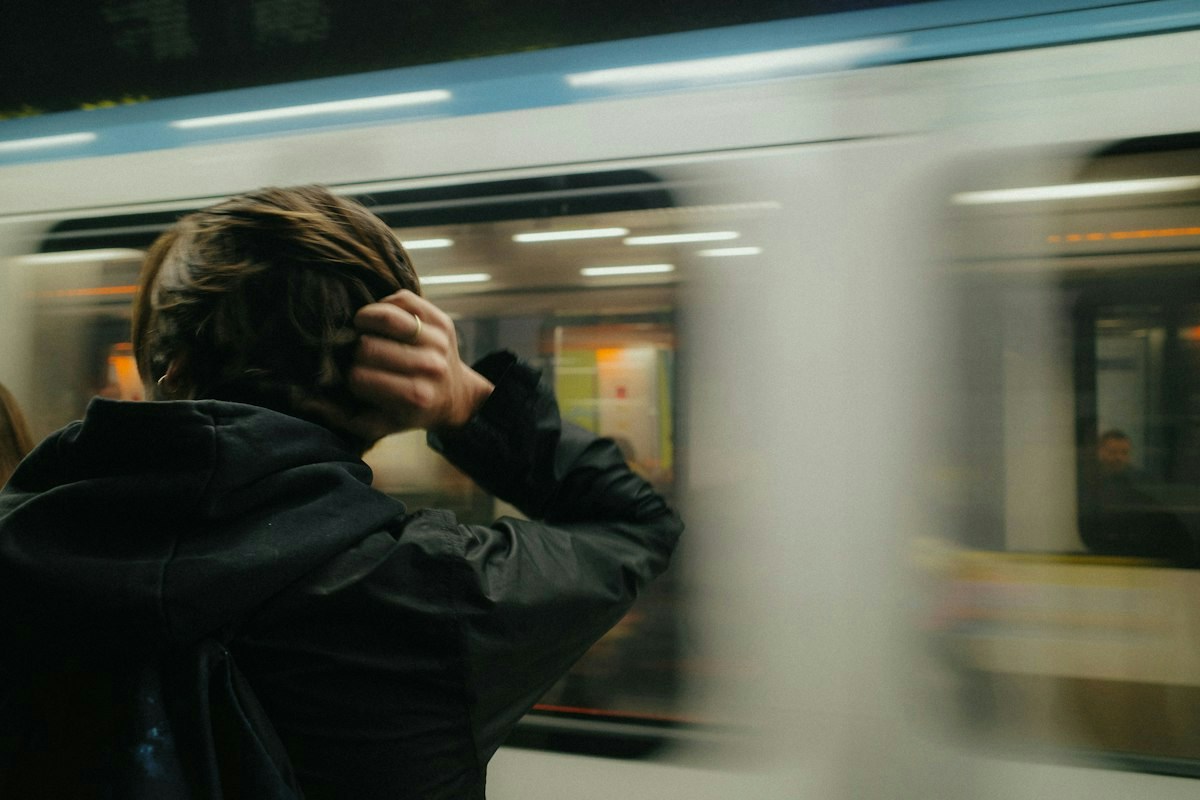
Photo by Ryuji Azuma
A person stands in front of a train with a hand against their head. Even without seeing their face, the gesture might suggest deep thought or uncertainty. They may simply be fixing their hair, but the moving background and split-second gesture come together to create a different story for every viewer.
When shooting, pay attention to people from behind as well as from angles that show their faces. Capture the hand touching the head, the tilt of the shoulders, and the movement in the background together. The result can invite us to imagine what someone is feeling through details other than their expression.
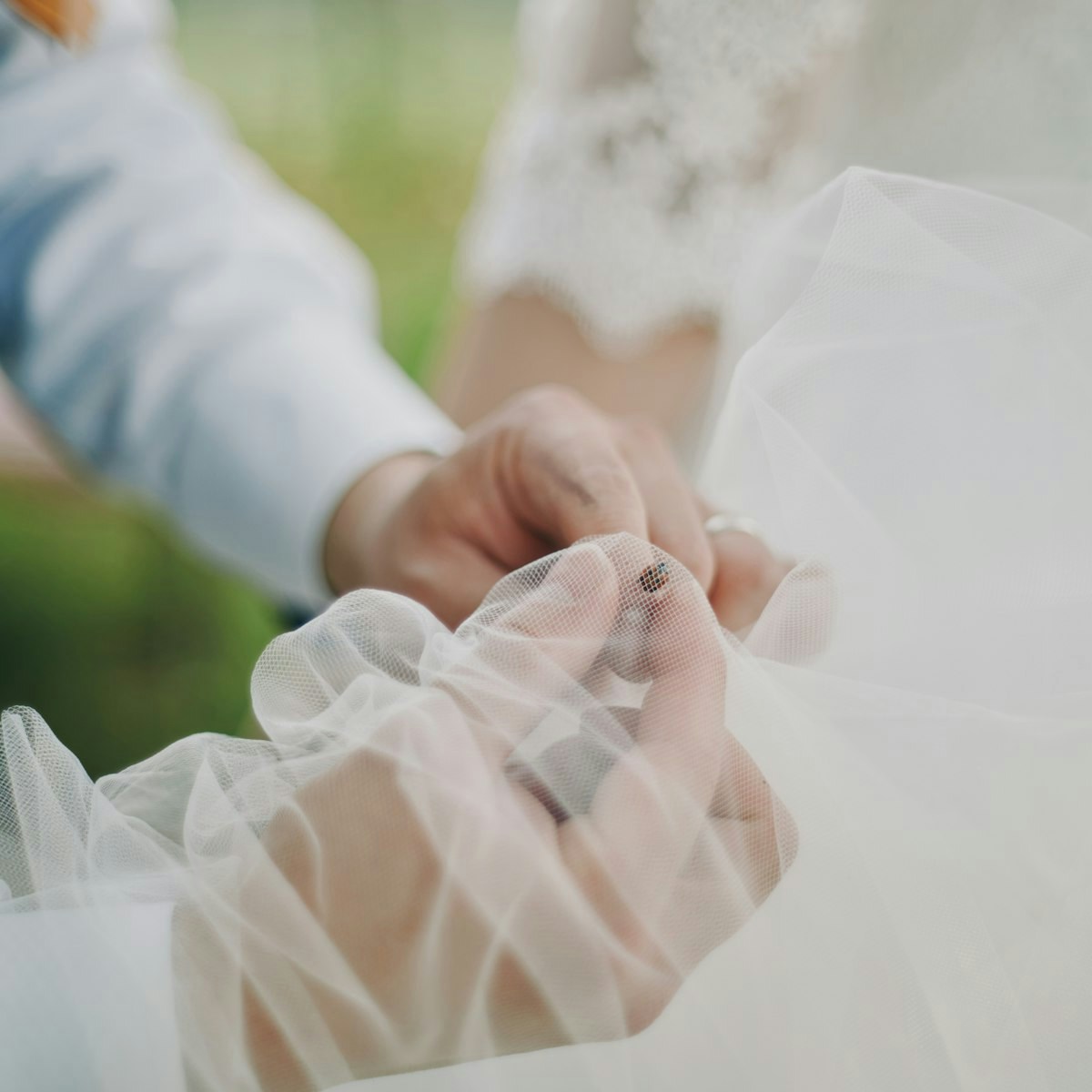
Photo by sho aoyama
Hands resting gently on one another can suggest care and trust. A tighter grip, meanwhile, might offer encouragement or show how hard it is to say goodbye. Even without faces in the frame, the way two people touch and the strength of their grip can tell us something about their relationship.
Try comparing a close-up of the hands with a wider shot that shows the distance between the two people. The same gesture tells a different story depending on how much of the scene you include.
Feelings between people also show in arms wrapped around someone or in a person watching quietly from a short distance away. Widen your view beyond the hands and you may find that the space between two people—and the presence of others nearby—says just as much about their relationship.
What do you think? Clenched, open, resting, or placed over another hand—a small change in movement can bring all kinds of feelings and stories into a photo.
A fleeting gesture can also lead us to imagine the time and experiences behind it. By noticing hands in everyday actions and alongside the tools people use, you may discover the next scene you want to photograph.
Whether you are capturing a candid moment or directing a pose, try giving hand gestures a more active role. If someone wonders, “What should I do with my hands?”, start with the feeling you want the photo to convey.


