Introduction
cizucu brings the photo poster project (ppp) to communities around the world. It is a welcoming space where people can share their stories with confidence and connect in person with creators from across the globe.
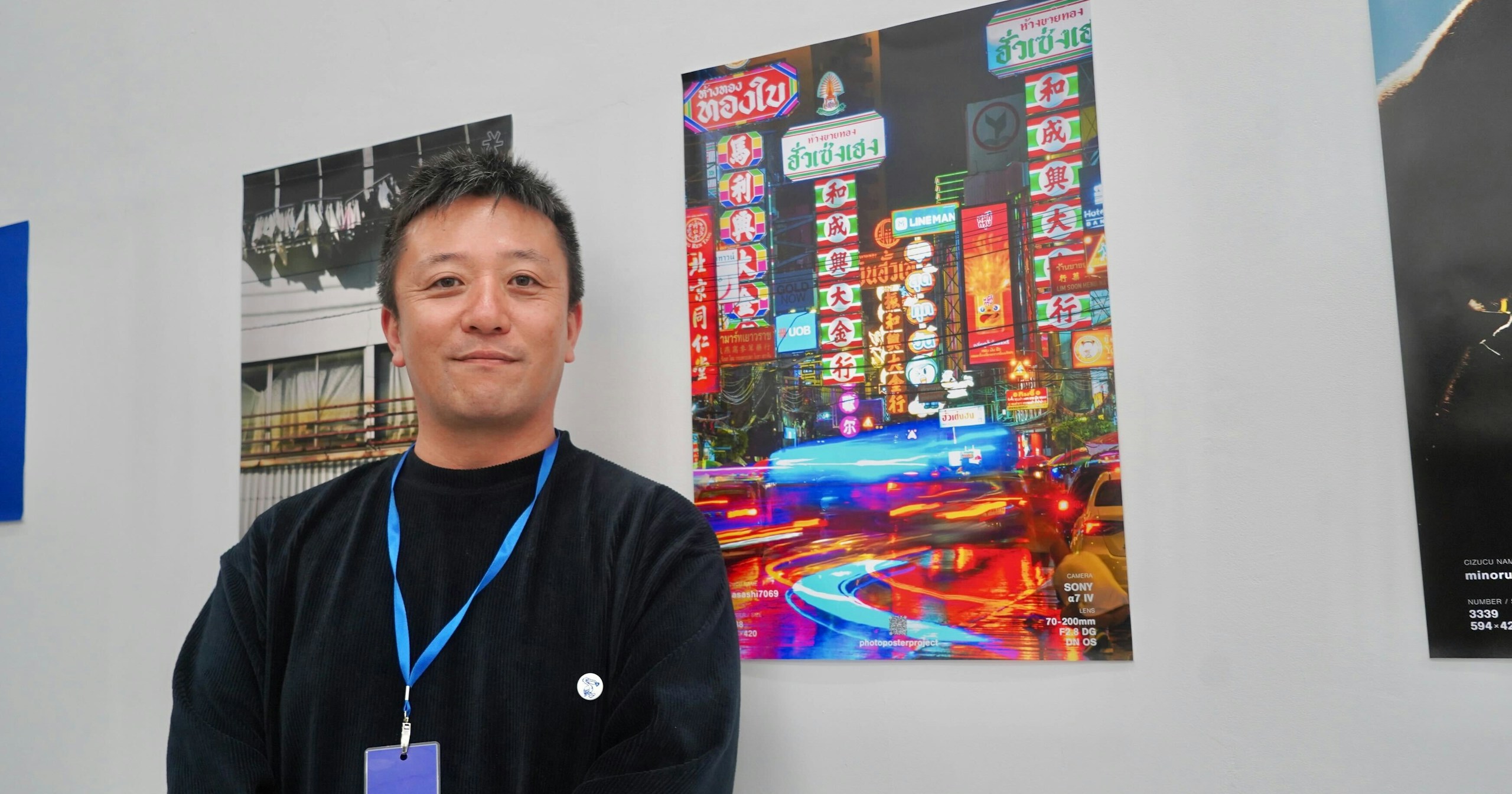
In “Why I Love ppp,” we speak with creators who love ppp to uncover dimensions of the project that even the cizucu editorial team has yet to discover. This edition features masashi7069 (Masashi), who participated across borders in both Thailand and Japan.
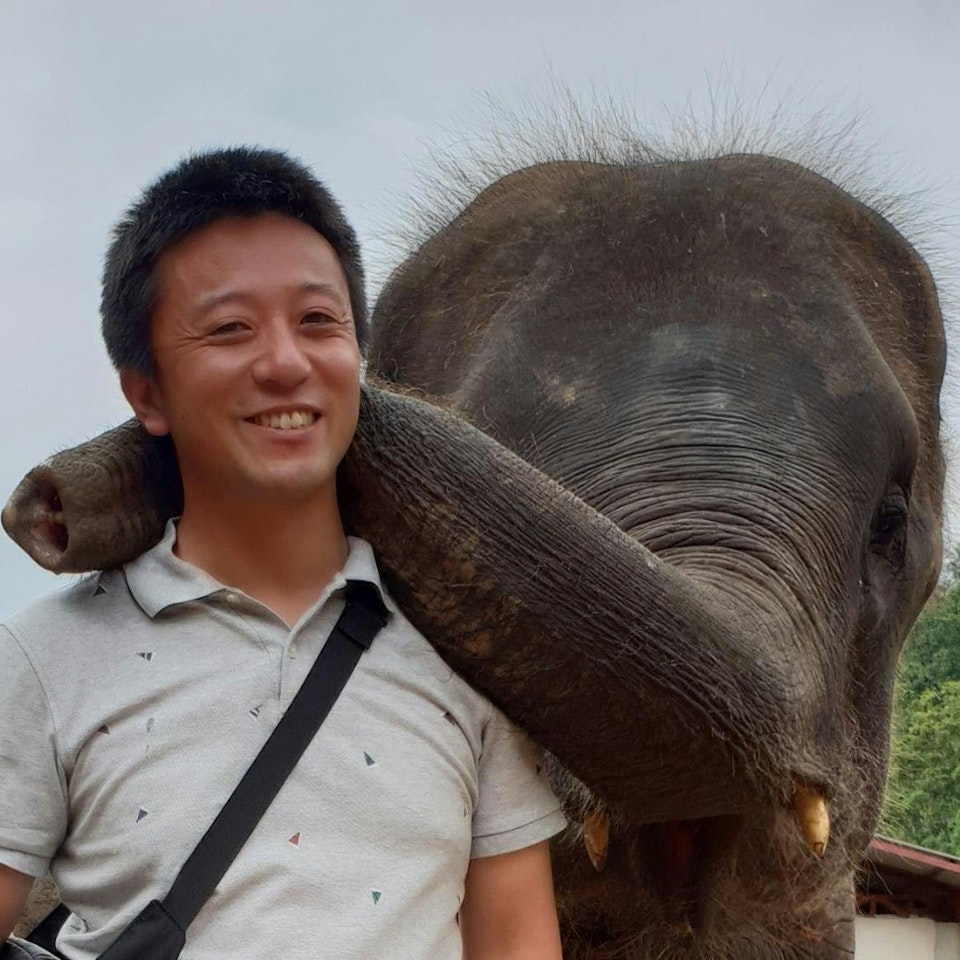
masashi7069
Based in Thailand, he photographs his travels with an eye for the atmosphere flowing through temples and city streets, as well as the expressions of the people he encounters. Through the photo poster project (ppp), he has participated in both Thailand and Japan, exploring new possibilities for expression while expanding encounters and exchanges across borders.
Instagram: masashi7069
To begin, could you tell us what led you to live in Thailand?
I work for a specialized trading company in Japan. I spent many years in Tokyo working with domestic clients, but seeing friends working overseas inspired me and made me think, “I want to venture farther afield too.”
That prompted me to transfer to a division responsible for international trade.
Since 2018, I have been seconded to the company’s Thai subsidiary, and Thailand has become my base for an increasing number of business trips to neighboring countries. I also love traveling in my personal time, both within Thailand and abroad. Since I am currently living here on my own for work, whenever I unexpectedly have some free time on a day off, I often head out alone on a photo walk.
While living in Thailand, what kinds of scenes or moments make you want to reach for your camera?
Thailand and its neighboring countries have an extraordinary number of temples, but rather than photographing the architecture itself, I enjoy capturing the expressions of the people praying there and the atmosphere surrounding them.
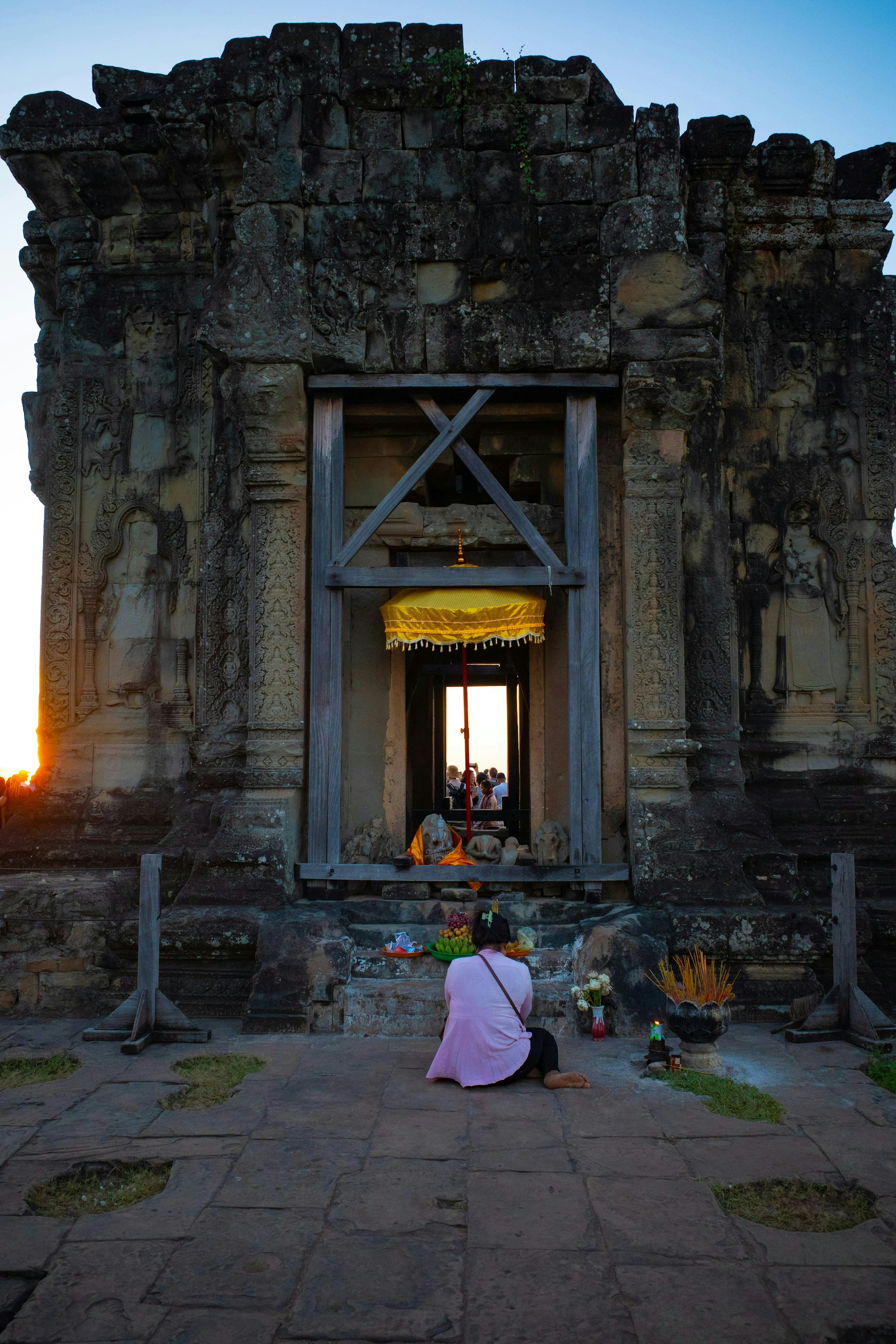
Photograph by masashi7069
When I go on a photo walk with friends, it is fascinating to see how differently they photograph the very same place. I often find myself thinking, “So that’s how you frame it!”
I also became fascinated with photographing the Milky Way around two years ago, and I am currently searching for shooting locations throughout Thailand and its neighboring countries.
I also feel that smartphone photography is deeply embedded in Thai culture. Walking through the city, I very often see women asking their partners to photograph them.
They reshoot the scene again and again until they are satisfied, so both the photographer and the person being photographed must naturally become more experienced. Even to my untrained eye, I am often impressed by how remarkably polished the results look.
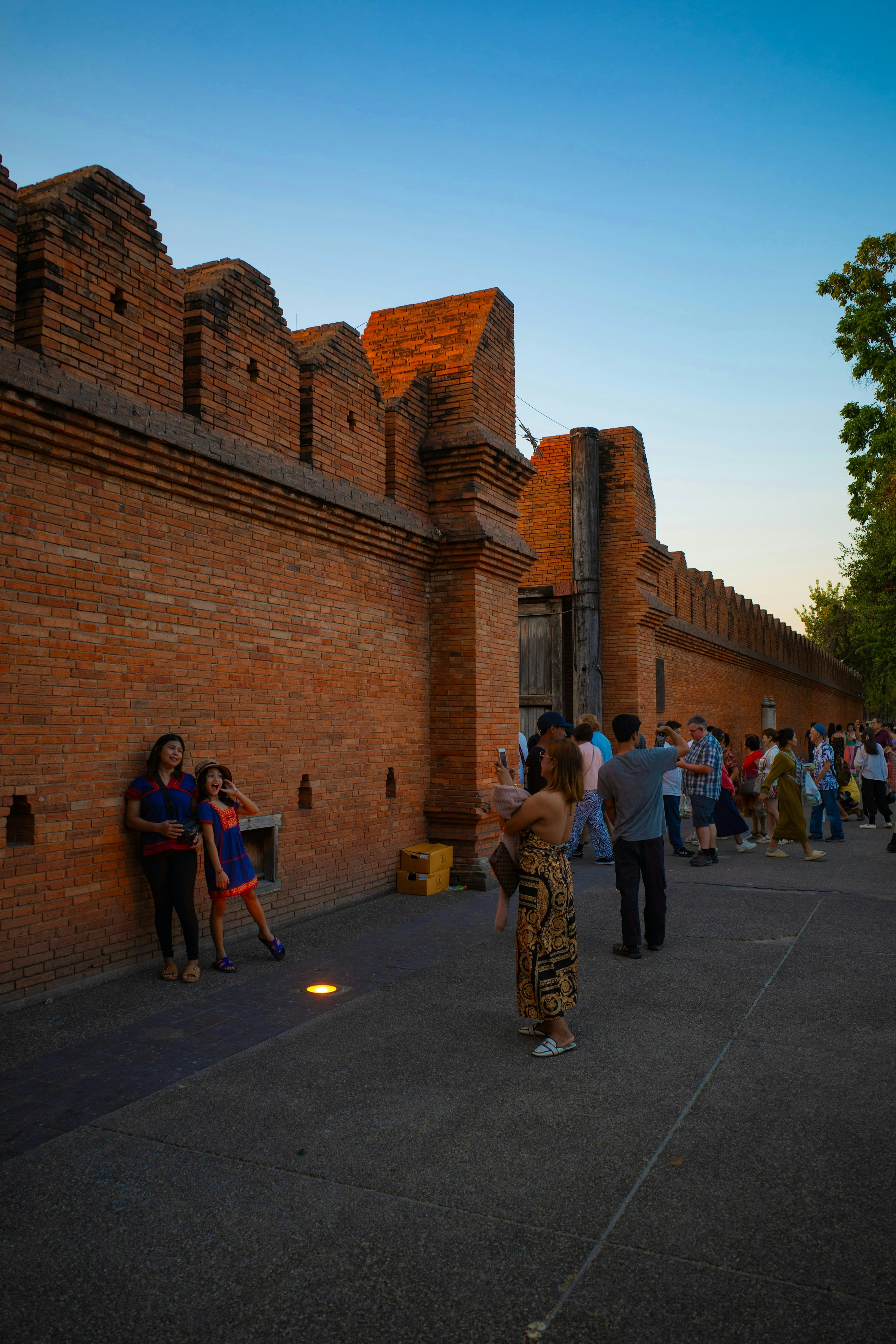
Photograph by masashi7069
In street photography, I have the impression that many people are quite open and relaxed when a camera is pointed their way—they will say, “Sure, you can take my picture.” Some even flash a peace sign.
I began photography in Thailand, so I cannot make a perfect comparison, but the sense of personal distance seems different in Japan and Europe. I even have friends who keep returning to photograph Thailand because they love its easygoing atmosphere.
Having participated in ppp in both Thailand and Japan, did you notice any differences in the atmosphere of the exhibition spaces or the way people interacted?
First of all, the warm atmosphere was the same in both Thailand and Japan. In particular, the spirit of exchange felt remarkably similar. Someone would look at an artwork and ask, “Could you tell me a little about this?” and the conversation would unfold naturally from there. In both Japan and Thailand, photography served as the gateway to communication.
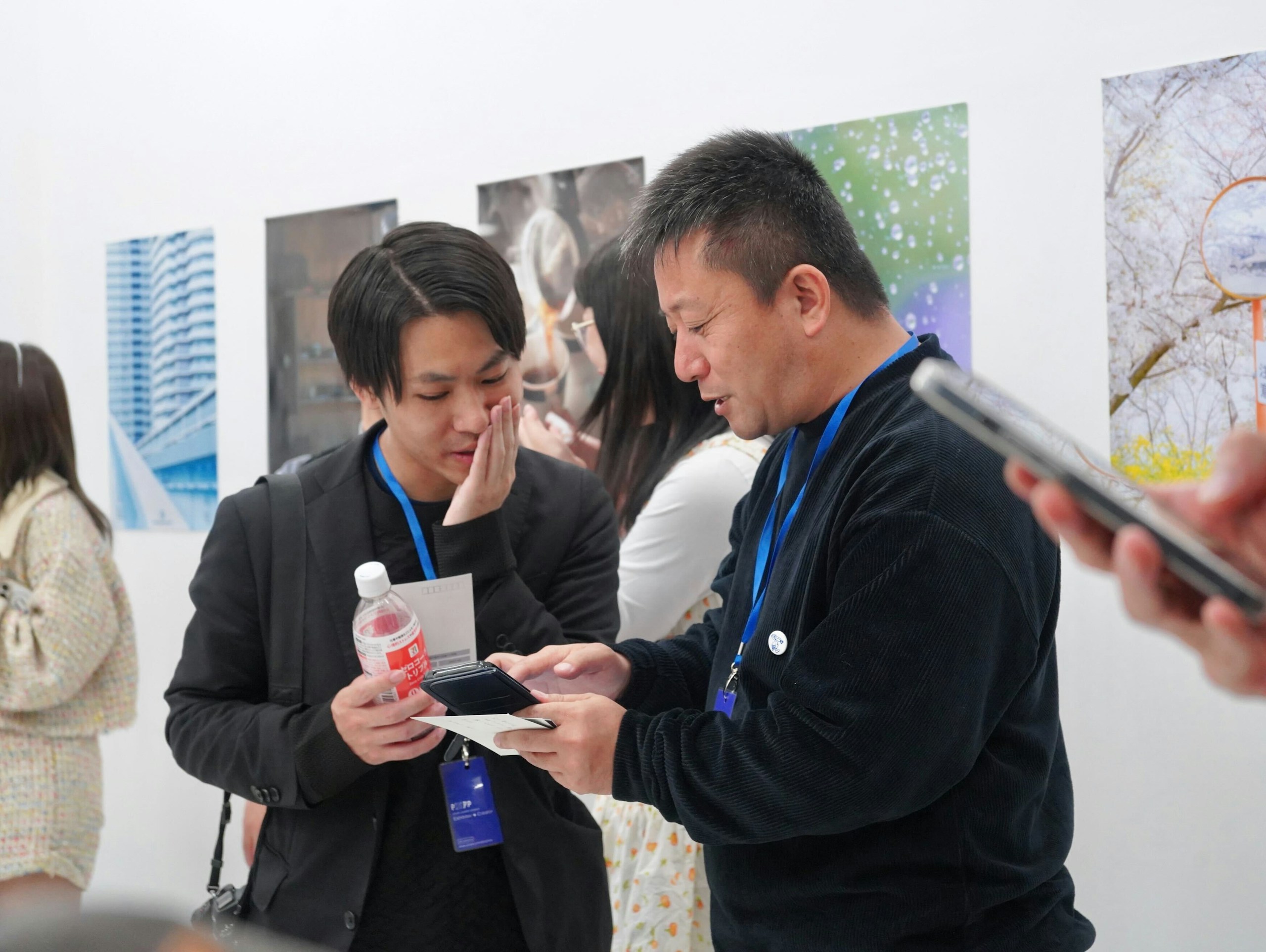
The clearest difference, on the other hand, was language. At ppp in Japan, almost everything was conducted in Japanese, and around 80 to 90 percent of the participants were Japanese. At ppp in Thailand, although many participants were Thai, we could communicate in English, and the proportion of international participants—including me—was much higher.
My Thai is sufficient for everyday conversation, but not for explaining subtle nuances. I was also the first person scheduled to give a gallery talk, so I wondered, “Which language should I use?”
If I spoke Japanese, I would need to communicate through an interpreter from the staff. In English, however, I might be able to convey my ideas more directly. I also assumed that the staff would interpret if anyone was uncomfortable with English, so I decided to speak in English.
Nearly all the Thai participants who followed also gave their gallery talks in English. Once I realized that English was perfectly acceptable, I was able to engage with everyone just as I had in Japan. People asked questions about my work, and we later connected on social media. It was genuinely enjoyable.
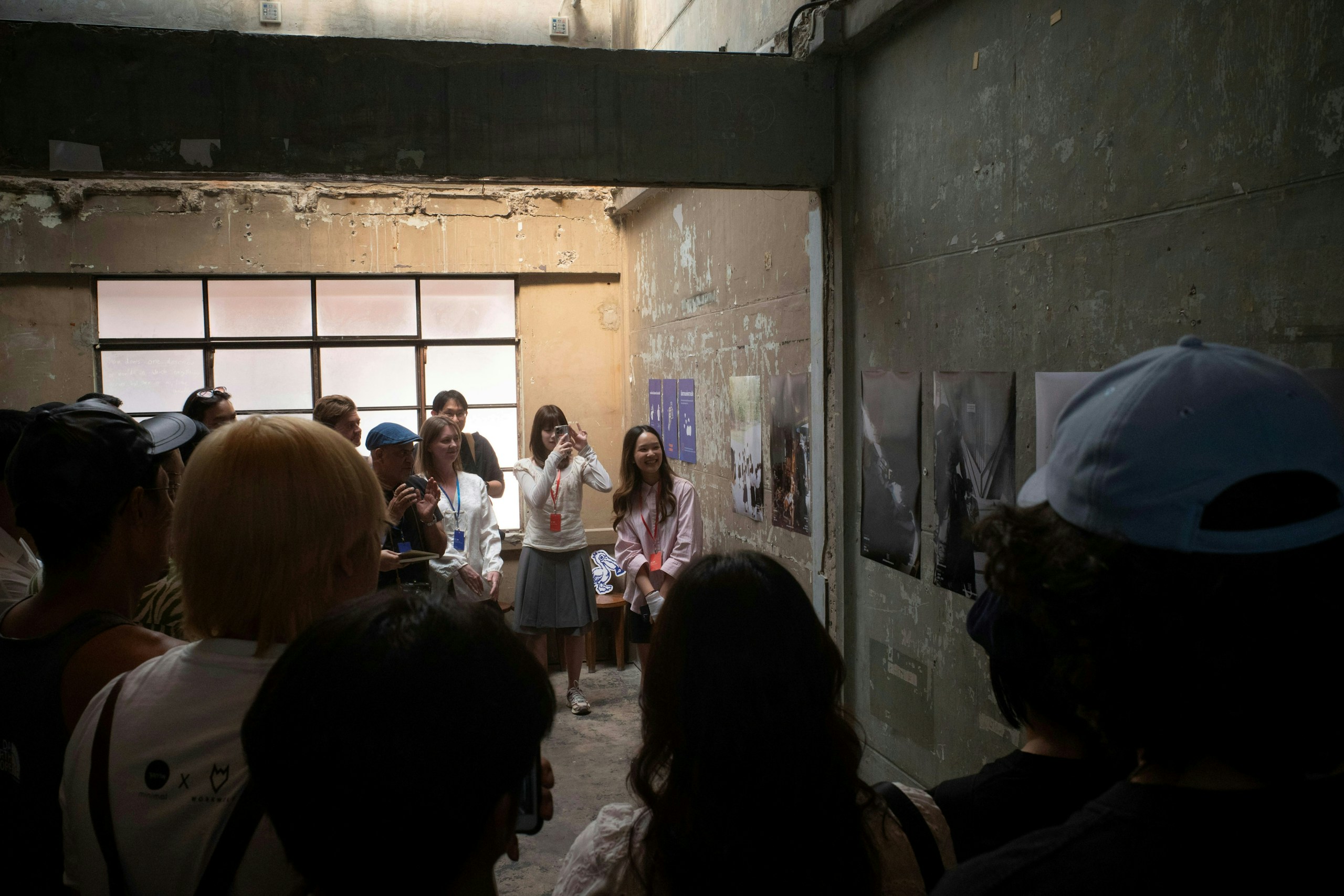
Photograph by masashi7069
In terms of the work itself, I had the impression that many of the artworks in Japan focused on subjects close to everyday life, while many of those in Thailand had been photographed while traveling. Seeing work by people from different backgrounds was tremendously inspiring.
I felt that the values at the heart of ppp—a mutual respect for one another and a shared belief in the project’s ethos—remained the same across national borders.
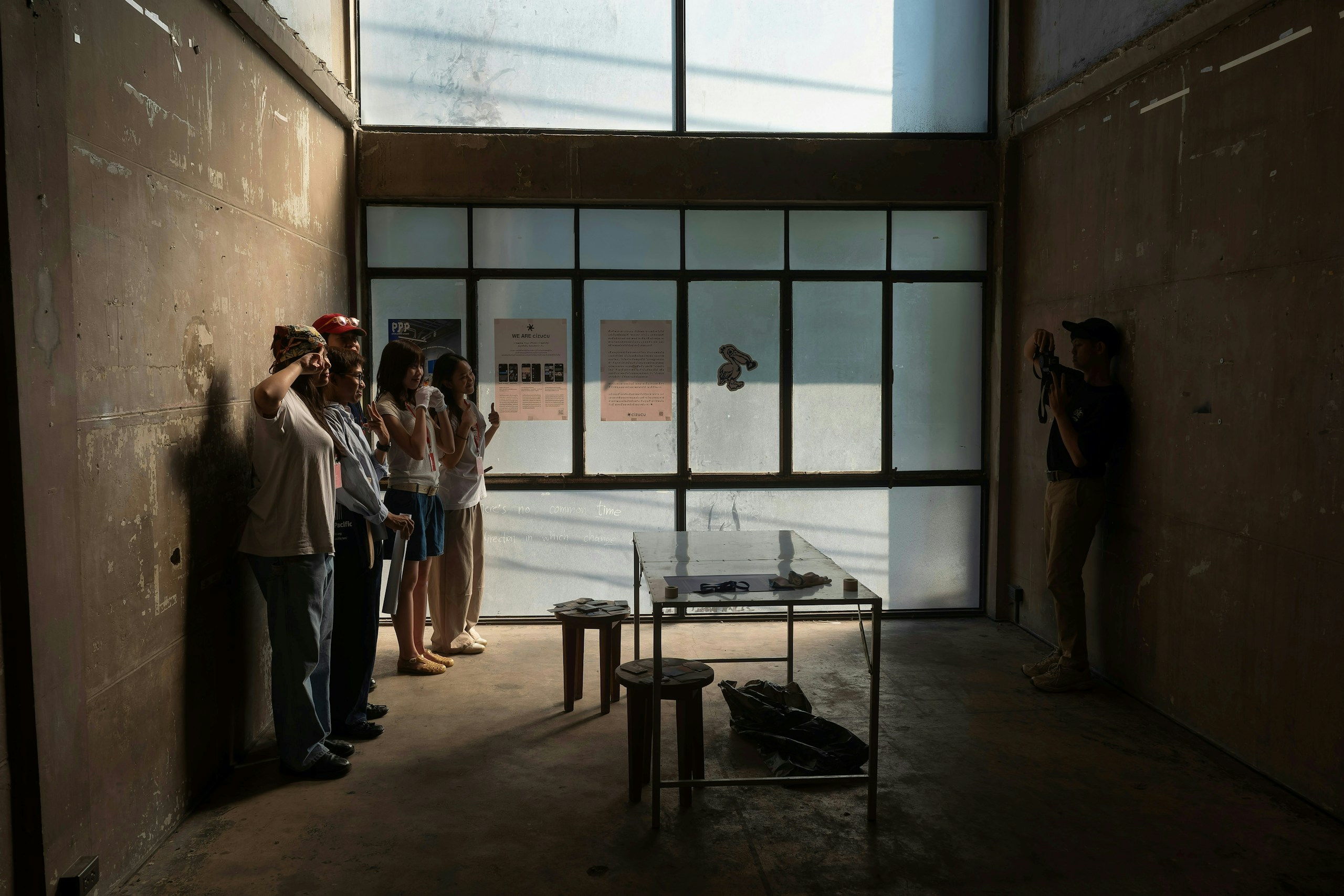
Photograph by masashi7069
As a participant, it must be reassuring to find the same sense of welcome in different countries. In what ways does ppp feel accessible to you?
What makes it feel most accessible is being able to entrust the printing to the organizers.
Anyone who has organized an exhibition will understand that once you begin focusing on printing—from choosing a print studio to selecting the paper—the decisions can become endless. Since ppp takes care of the entire process, I do not have to feel overwhelmed during the preparation stage and can instead focus on what I am looking for from ppp: opportunities to connect with others.
I think that ease significantly lowers the threshold for participation.
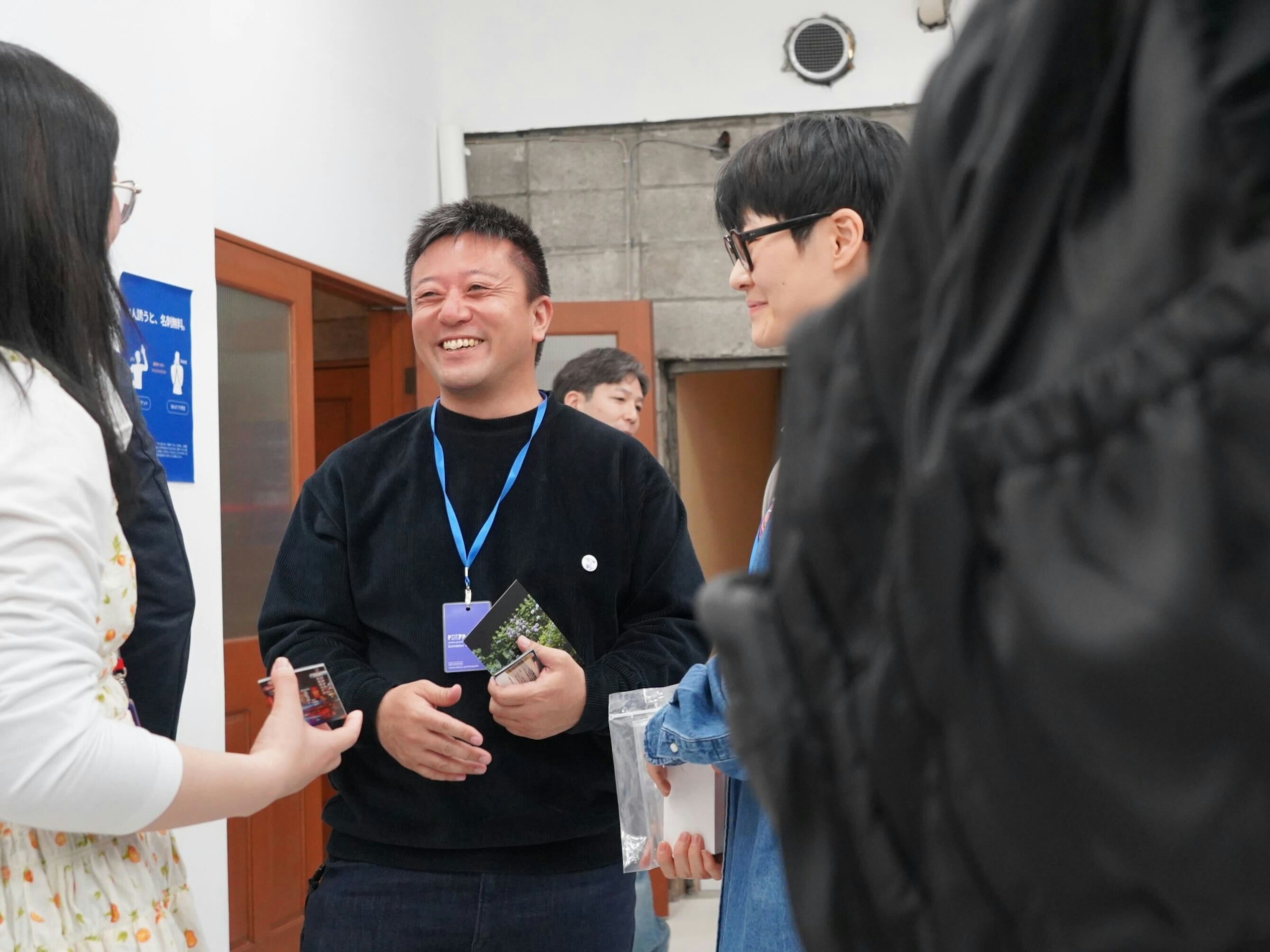
Another factor is that, in the best possible sense, there are no boundaries based on equipment or experience. Even if a work was not made with a professional camera—even if it was photographed on an iPhone—it can naturally prompt someone to ask, “How did you make this?” Photography itself becomes the starting point for communication, and the atmosphere makes you feel, “There is a place for me here too.” To me, that is the kind of openness that defines ppp.
That atmosphere may be the very essence of ppp. Is there a conversation or encounter from ppp that has stayed with you?
At ppp in Thailand, I spoke with a participating geologist who was exhibiting a photograph of a sand dune in the desert that was around 300 meters high.
At first, I had absolutely no idea where or how the photograph had been made. Before I knew it, I felt almost drawn toward the photographer and went over to ask about it.
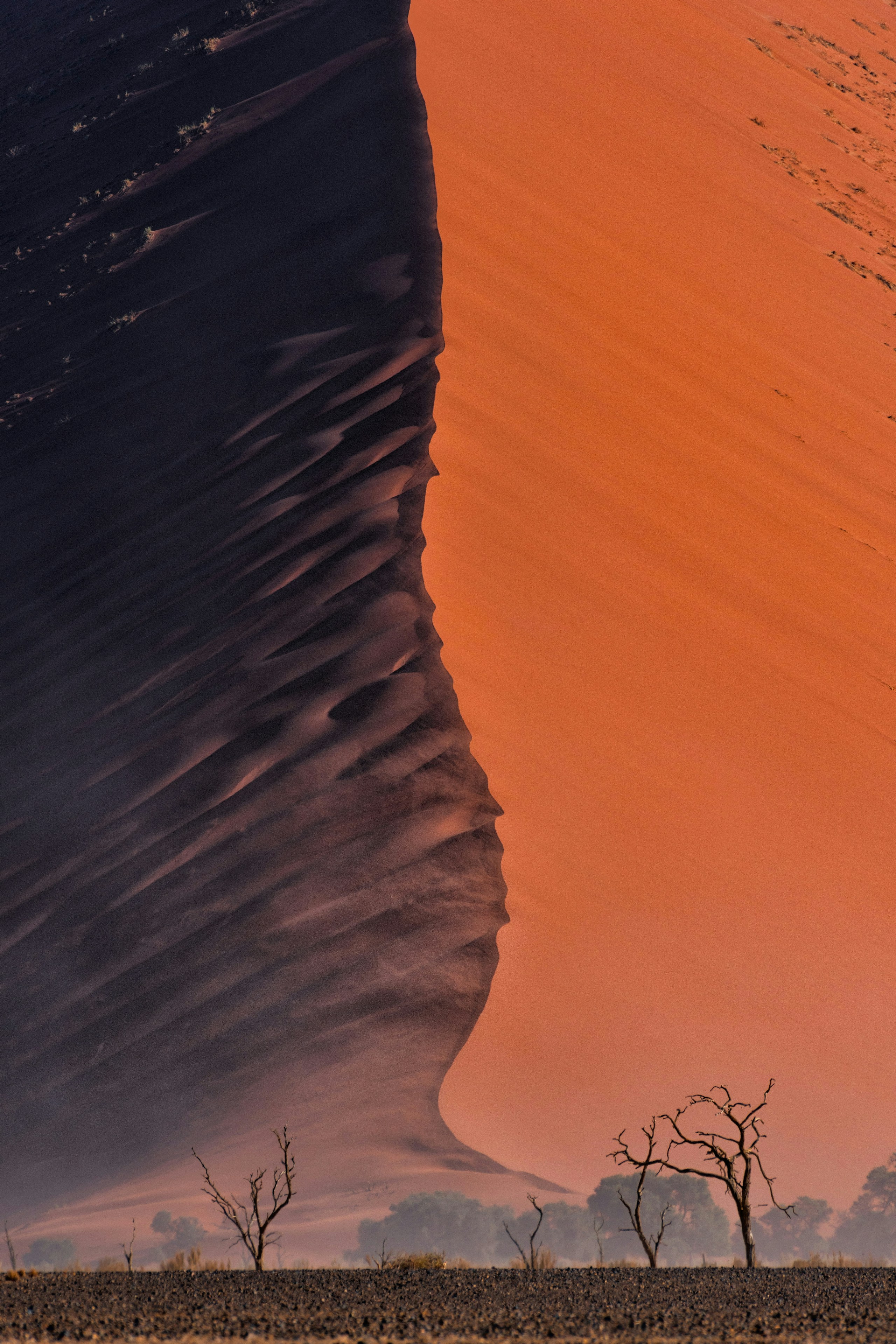
Photograph by TONTOXI
They explained in remarkable detail that they had determined north and south from the position of the sun and then chosen precisely where to stand in order to achieve the composition they envisioned.
Beyond the single artwork I had been looking at, an overwhelming world suddenly emerged—one so vivid that I could almost feel the desert wind. I had encountered a photograph, yet it felt as though my own world had expanded immeasurably.
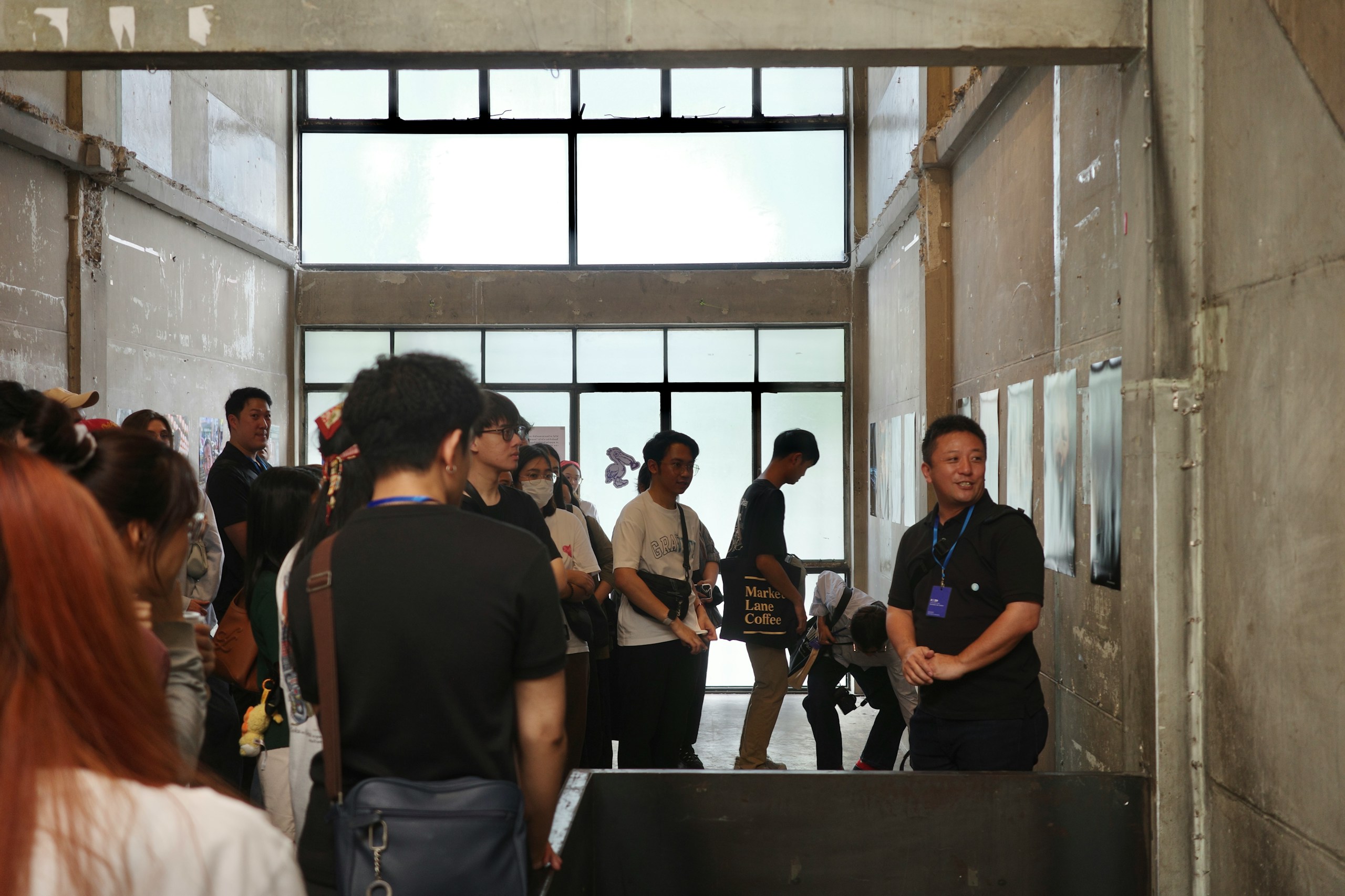
There were people in the same exhibition space who had actually traveled to deserts and Antarctica, and their experiences had become photographs displayed before me. It made me realize all over again that ppp is not only a place to see photography, but also a place to meet people whose paths would rarely, if ever, cross your own in everyday life.
Ever since that conversation, the desire deep within me to travel has remained alight, urging me to venture somewhere entirely new.
Now, please show us one of your favorite works. We would also love to hear why you selected it and the story behind it.
When I first began photography, I joined photo walks organized by Naoya Akashi, who is active in Thailand. During a walk through Bangkok’s Chinatown, I learned about the enormous flames that rise when stir-frying water spinach. Ever since, I had thought, “One day, I want to photograph those flames properly.”
But by the time I decided to go and photograph them, I heard that the street stall known for producing those great flames had disappeared. The night sky is now my favorite subject, but in truth, I had never been able to stop thinking about those flames.
Just as I had almost forgotten about them, I was photographing the night market in Siem Reap, Cambodia—the city where Angkor Wat is located—when I encountered the same kind of flame again. The cook signaled to me, “I’m going to do it now,” and I captured the moment perfectly. This is that photograph.
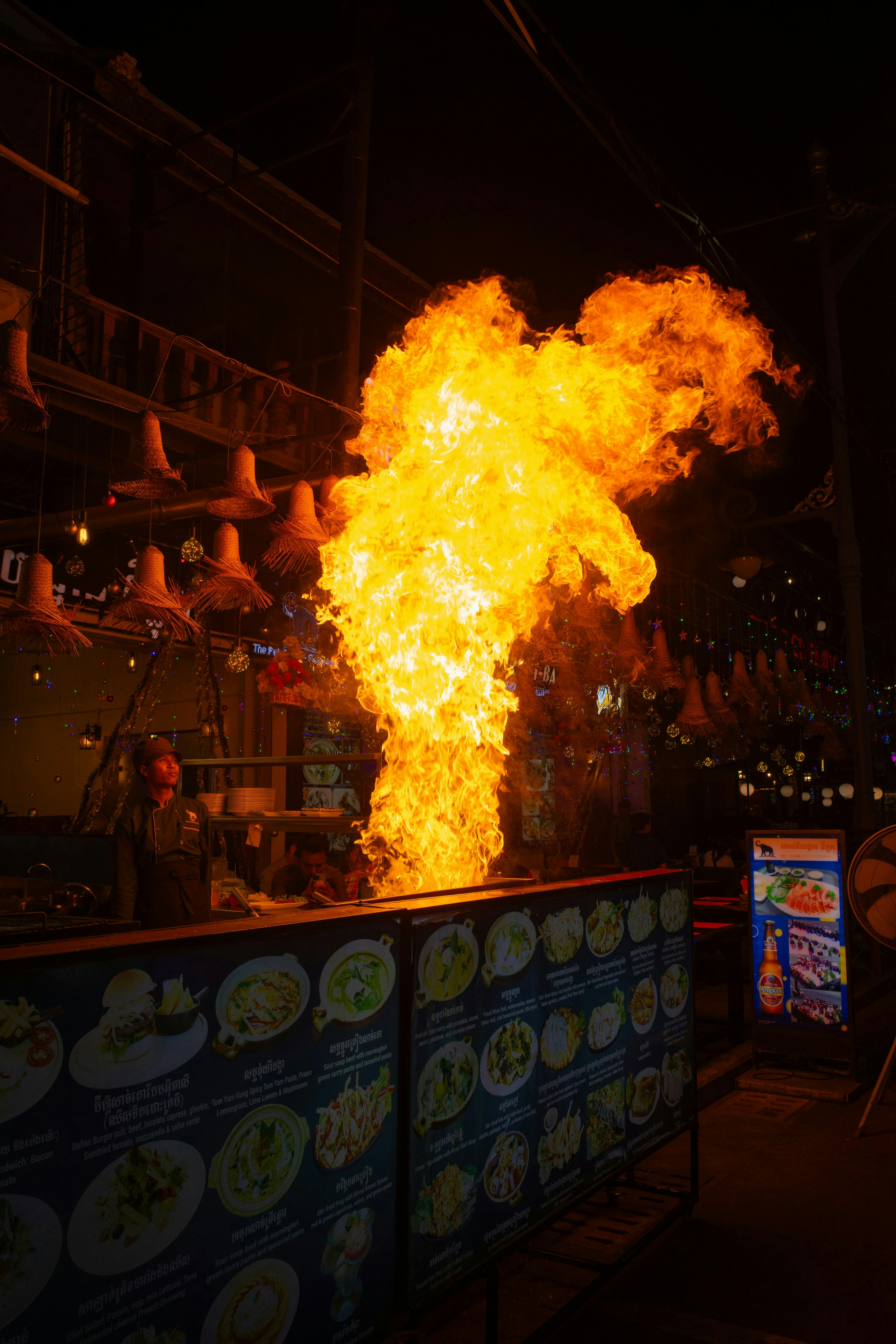
Photograph by Masashi
What would you like to see from ppp in the future?
When I first participated in ppp in Japan, Rin from the cizucu team said, “We’re going to take it overseas too!” Honestly, at the time, I did not know whether that would actually happen, but I vaguely hoped they might bring it to Bangkok, Thailand, where I live.
Then it truly became a reality, and now ppp is expanding from Asia into Europe. I find that simply extraordinary. The commitment to “respecting one another’s photography” creates such a welcoming and wonderful atmosphere. I hope ppp reaches the Americas next and ultimately makes its way around the entire world.
I cannot imagine exactly what form it would take, but I think it would be incredibly exciting if, one day, there were an event where ppp participants from around the world could gather and connect.
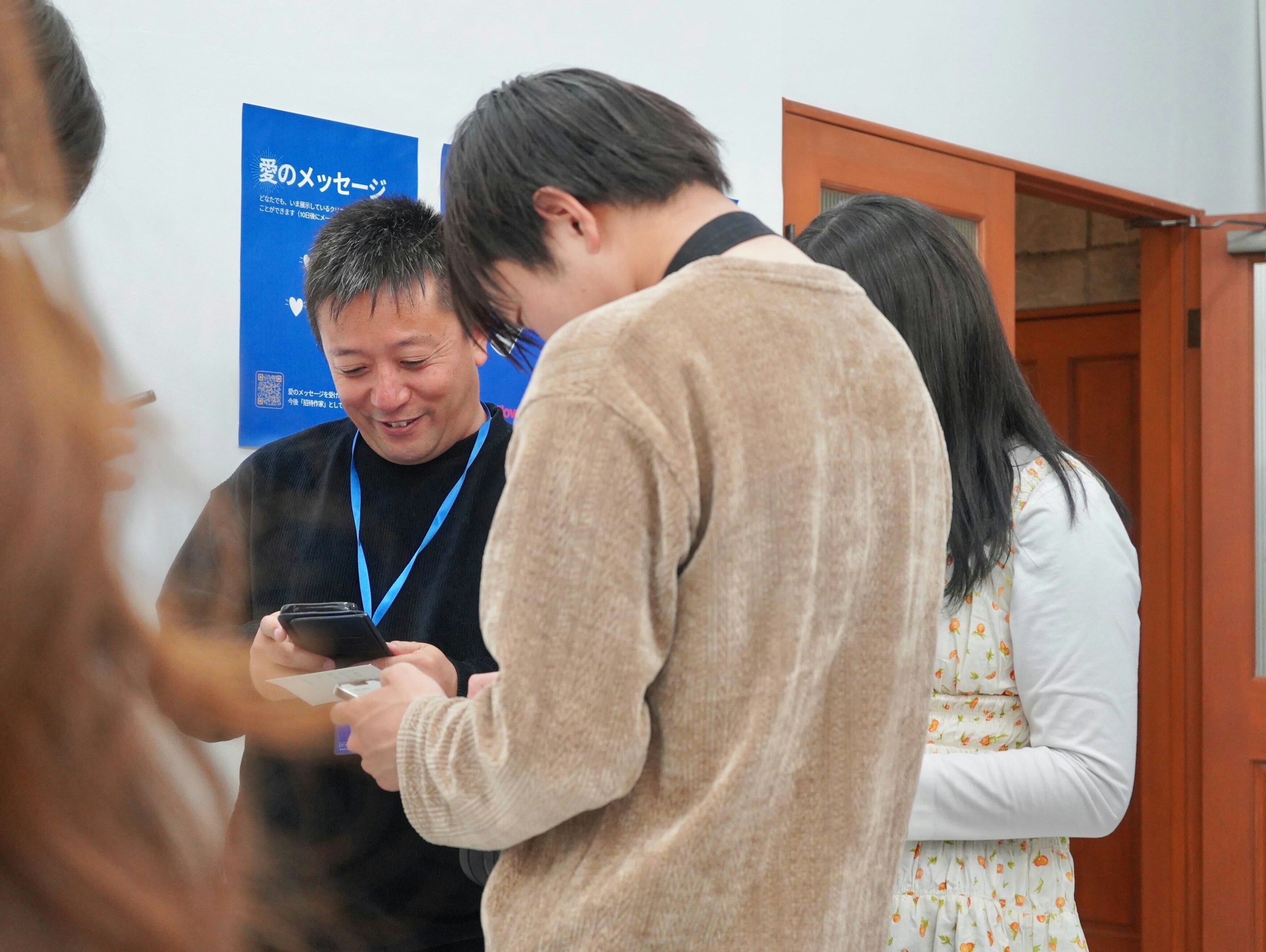
Finally, what would you say to someone who is considering participating in ppp but remains unsure?
Experienced photographers and professionals participate in ppp, but there are just as many first-time participants and people who have only recently begun making photographs. So I do not think beginners need to feel intimidated at all.
To be honest, I was a little anxious at first too, wondering, “Will I really fit in?”
But everyone gathers because they share the same belief in respecting one another’s photography, so conversations arise naturally.
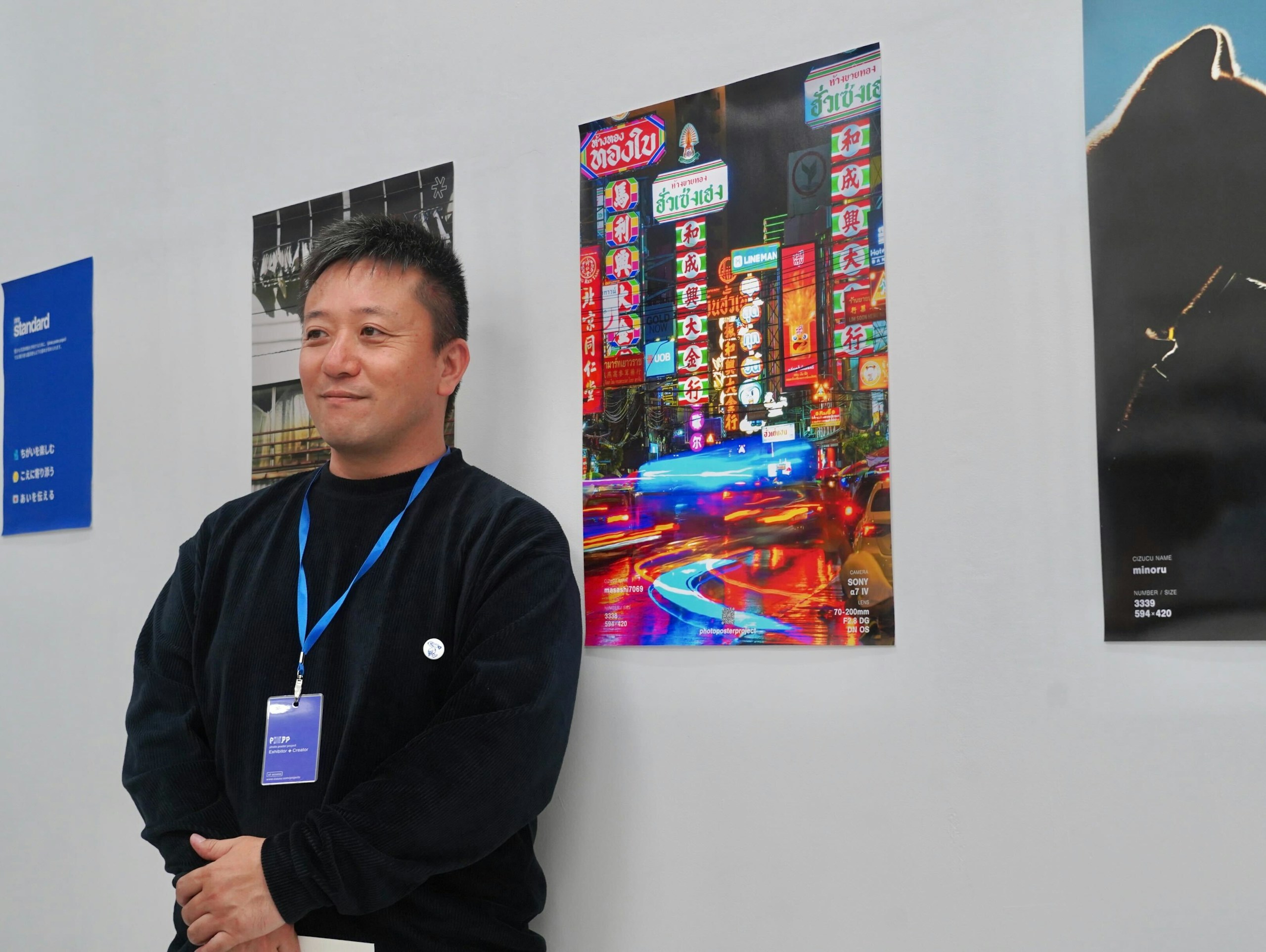
When introducing ppp to an acquaintance in Thailand, I once described it in English as a “Photograph Lovers Gathering Party.” Rather than an “Exhibition,” it feels closer to a “Party.” In other words, it is that relaxed and welcoming.
The exhibition space presents work made with cameras alongside work made with smartphones, spanning an extraordinary range of genres. On social media, algorithms tend to show us more and more of what we already like. At ppp, however, you can encounter unexpected photographs and perspectives—much like wandering into an unfamiliar section of a bookshop and browsing the shelves without a particular destination in mind.
If ppp has sparked even the slightest curiosity, I would encourage you to drop by and experience the atmosphere for yourself.
Editor’s Note
Masashi is one of the creators who has remained closely connected with cizucu as a user since before ppp began. Meeting him in person and hearing about his feelings toward ppp and his hopes for its future made this a particularly memorable conversation for our editorial team.
What resonated most strongly throughout our conversation was that ppp is both a place to exhibit artwork and a place to encounter people. Even when countries and languages differ, photography initiates a conversation, and before long, the distance between people begins to dissolve. The warmth of that experience remains unchanged in Japan and Thailand alike—a realization that left us with a quiet sense of joy. At ppp, you can chance upon worlds, artworks, and creators that no algorithm could ever lead you to. That serendipity is what makes ppp so compelling, and why it continues to be loved.
Through Masashi’s words, we were able to appreciate anew why ppp continues to resonate with so many people. As an editorial team, we hope to articulate each of those reasons and carry the project’s appeal farther across national and cultural boundaries.
Seiya, cizucu Editorial Team
In Closing
We hope you enjoyed the conversation.
The photo poster project (ppp) is not a place reserved for a select few. Nor is it only for those who have made technically accomplished photographs. It is a place where people committed to creative expression come together—and where everyone who sincerely loves photography is welcomed wholeheartedly.
Launched at the end of 2024, ppp began in Japan and has since been held in more than 28 cities across nine countries, including South Korea, Singapore, the United Kingdom, and Germany. Across national and linguistic boundaries, photography brings people together and creates new connections. That community continues to grow, little by little.
Why not discover new possibilities for your own work through ppp?
