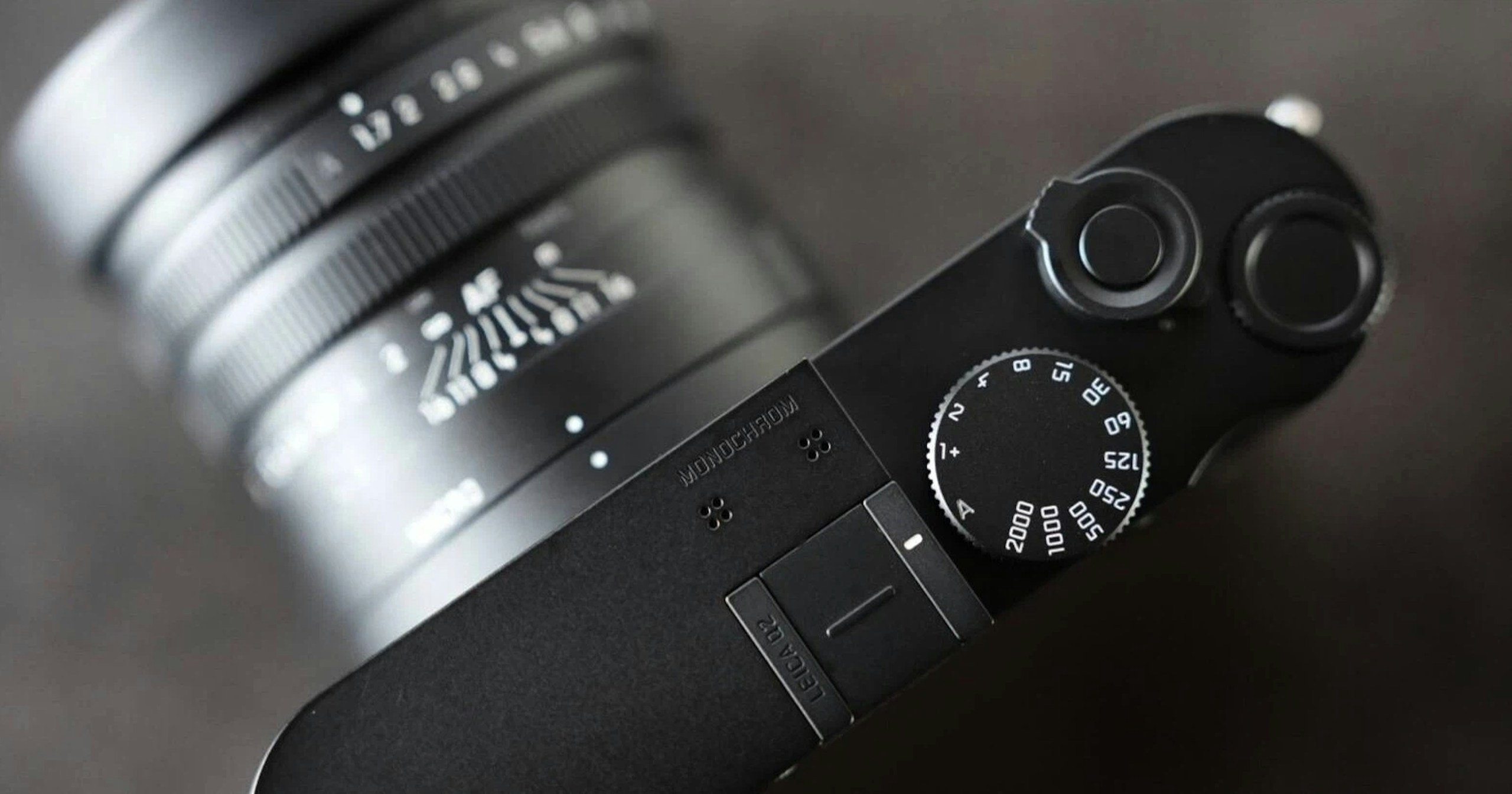
Stories of cameras and the lives behind them, told by creatives who love photography. A cherished camera often reflects its owner’s outlook on life and personal values. In this installment, we meet 皆尺寺 悠史, a devoted user of the Leica Q2 Monochrom.
A convenient camera supports the photographer and reduces the likelihood of failure. Yet how does that convenience affect the photographer’s own ability to see? By deliberately choosing the restrictive Leica Q2 Monochrom, 皆尺寺 悠史 says he learned to refine his vision rather than his technique.
Leica Q2 Monochrom: Key Specifications
The Leica Q2 Monochrom is a fixed-lens digital camera equipped with a dedicated full-frame monochrome CMOS sensor offering approximately 47.3 effective megapixels. With no color filter array, its purpose-built sensor delivers exceptional perceived resolution and rich tonal gradation, enabling nuanced black-and-white rendering unattainable in color photography.
The Uncertainty That Grew as I Relied More on Equipment
I love street photography. I love both viewing it and making it. Although the principal genre I present publicly as my own work is wildlife photography, street photography remains one of my great passions.
When photographing wildlife, I rely considerably on what my equipment can do. The more convenient it becomes, the less frequently I fail. At the same time, however, I began to worry that my perspective was gradually becoming standardized.
It might sound positive to say that I had “established a visual style.” Yet I began to wonder whether that style might also influence the photographs I make purely for myself.
It was then that I encountered the Leica Q2 Monochrom.
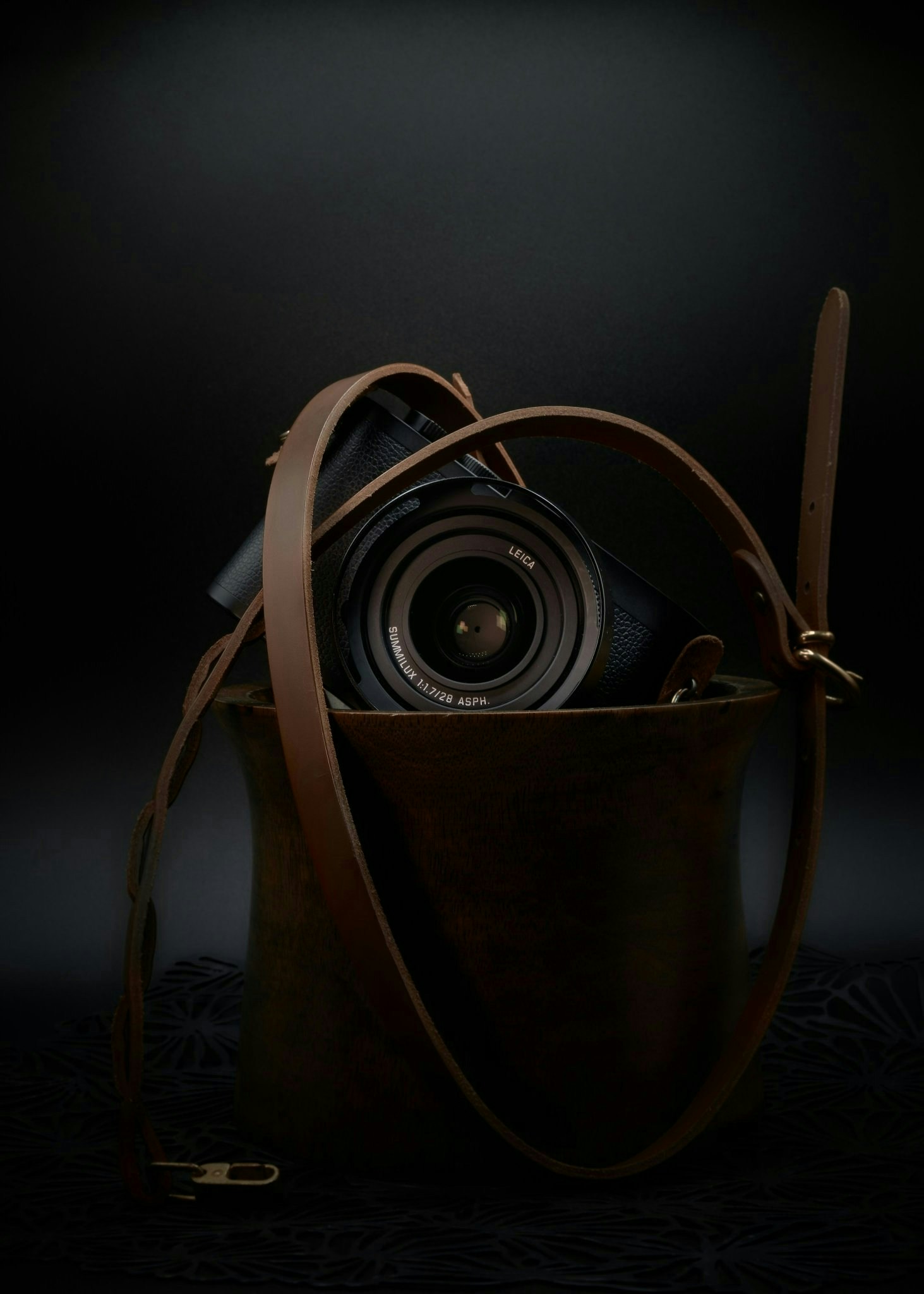
Photo by 皆尺寺 悠史
Why Its Uncompromising Specifications Drew Me In
A fixed 28mm lens that cannot be exchanged, paired with a dedicated monochrome sensor: measured against current trends, these may seem like uncompromising specifications. Even so, I felt powerfully drawn to this camera.
The reason was simple. I wanted once again to make photographs that let me feel the pulse of the street. From the moment of encounter, I wanted to face the world in monochrome—to engage with light and draw with shadow. I wanted to rediscover that essential origin of photography.
My practice centers on animals, primarily photographed in monochrome. In some works, I have also used selective color, retaining color in only part of the composition. Rather than discarding every color, I would deliberately preserve a subtle trace to guide the viewer’s gaze. I had my own intentions behind that approach and felt deeply attached to it.
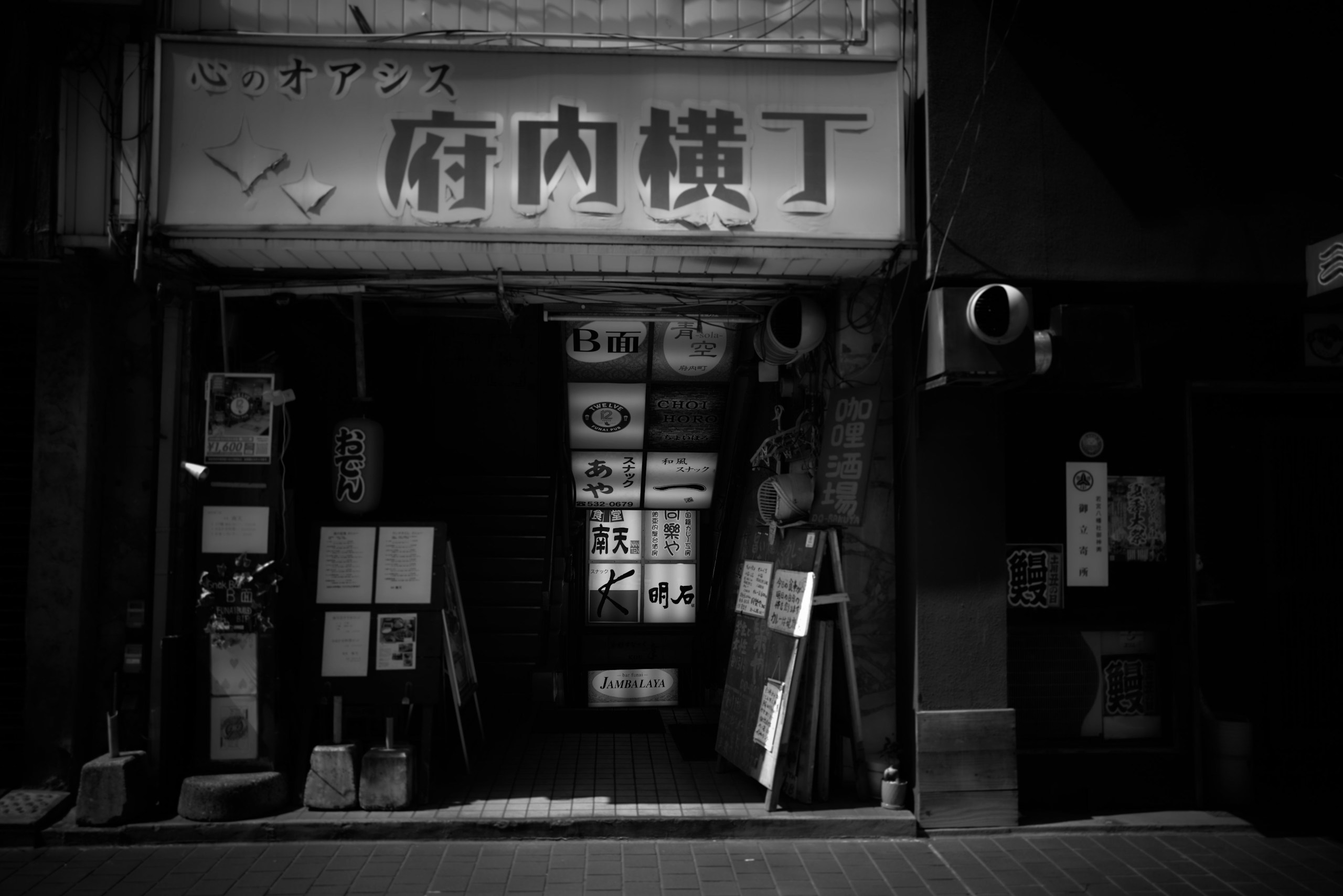
Photo by 皆尺寺 悠史
At the same time, more viewers began telling me, “Your monochrome work is already powerful enough on its own.” I was grateful for those words, but they were also slightly frustrating.
Yet they also prompted a growing sense that perhaps I needed to relinquish color completely, at least once. The Leica Q2 Monochrom is not a camera that converts a color photograph into black and white after the image has been made.
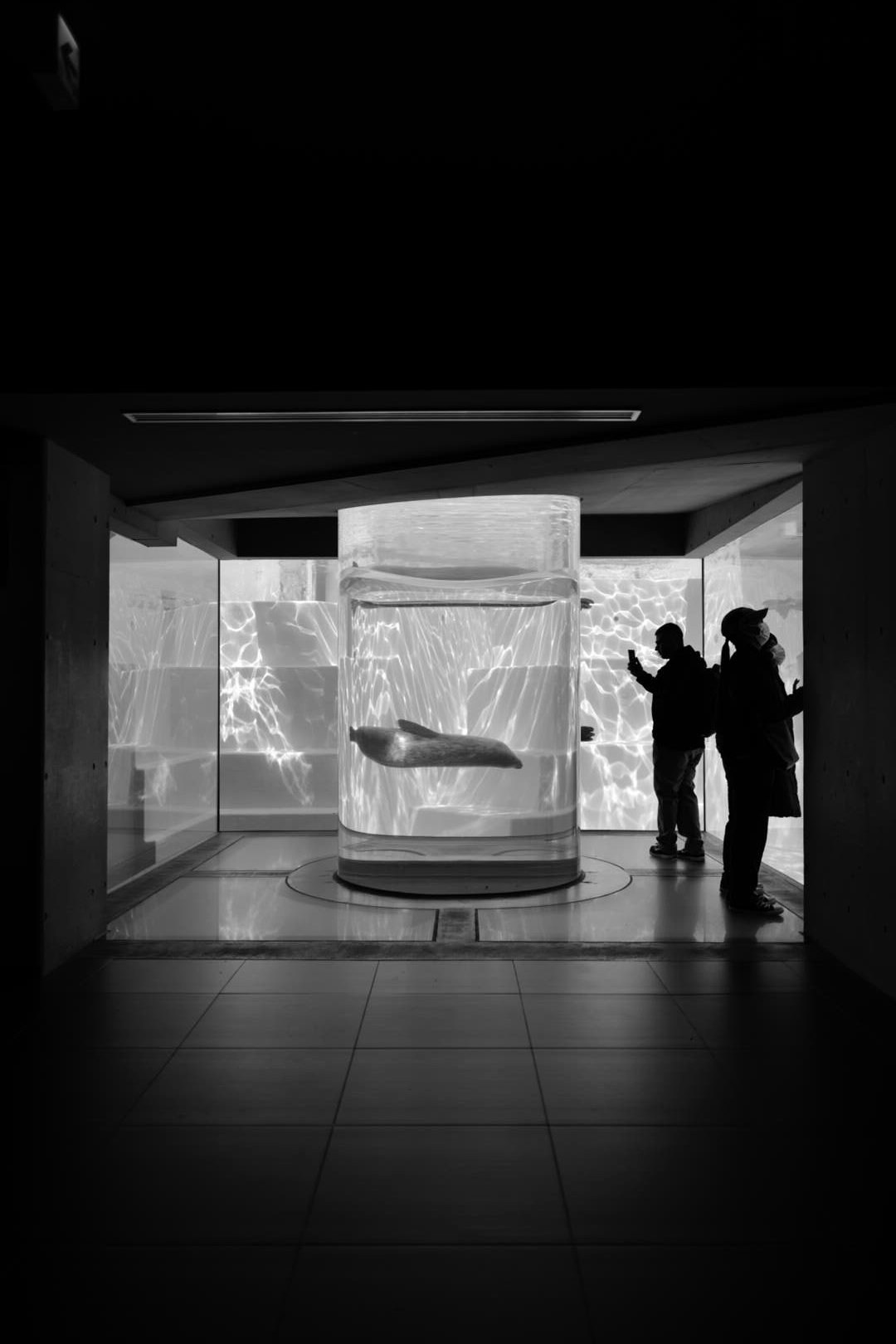
Photo by 皆尺寺 悠史
From the moment you make the photograph, you see the world in monochrome. As soon as you look through the EVF, color information has already disappeared; only light and shadow, texture, form, and tonal gradation remain. The impact of this experience was far greater than I had anticipated.
Ordinarily, I search for a subject, consider the composition, and organize the background. I also think about which colors to preserve and which to suppress. But when I carry the Leica Q2 Monochrom, the first thing I begin to seek is light.
Developing an Eye Responsive to Light and Shadow
Where does the light fall? Where do the shadows deepen? How much of the white remains, and how much can the black articulate? Even while walking through the same place, what becomes visible gradually begins to change.
Rather than responding to color, I began responding to the presence of light. This was not merely a question of image quality or specifications; it was an experience that transformed the photographer’s way of seeing.
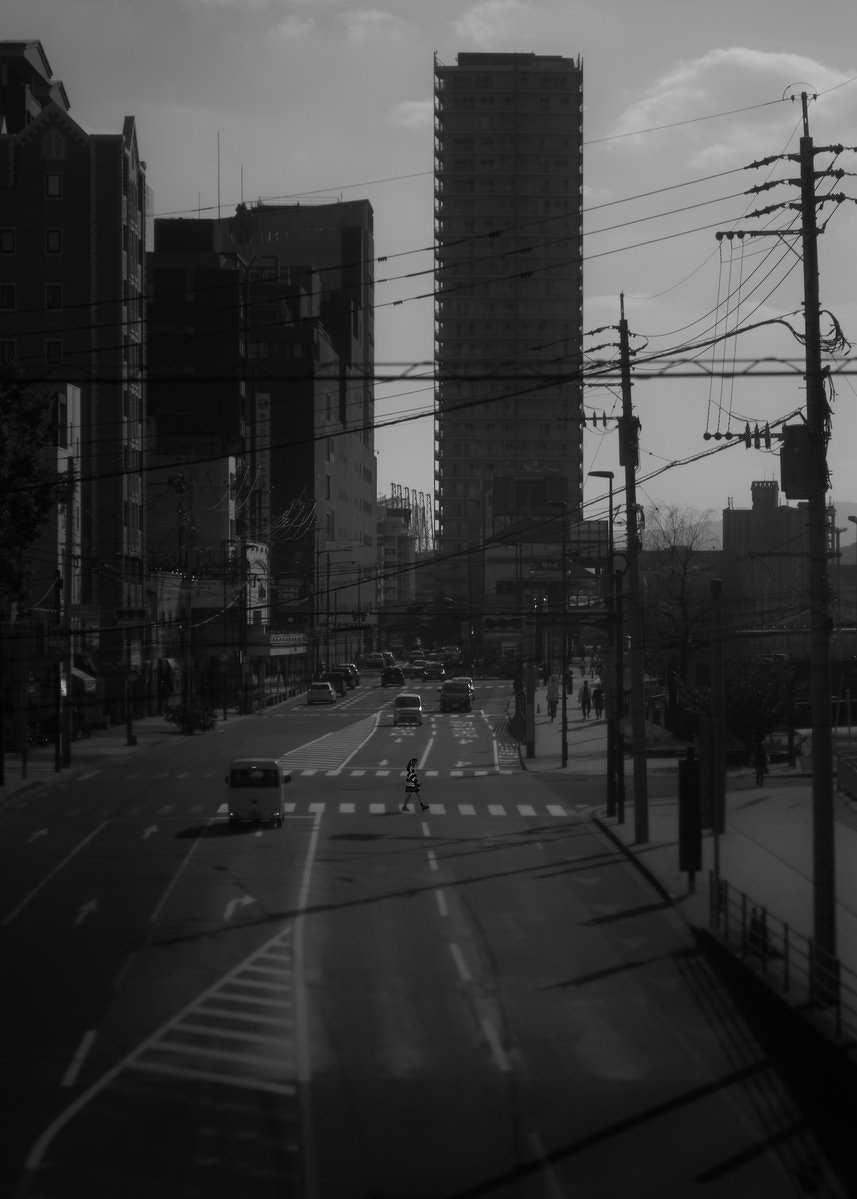
Photo by 皆尺寺 悠史
The fixed 28mm focal length was equally stimulating. At first, I struggled with the unfamiliar angle of view. To be honest, there were many situations in which I found myself thinking, “If only I had a 100mm lens,” or “If only this were 50mm.”
Then, at some point, I realized something: perhaps the very thought of “if only I had this focal length” was itself restricting my field of vision. Rather than dwelling on what could not be photographed at 28mm, I decided first to try photographing it at 28mm. From there, I wanted to discover what could be photographed only at that focal length.
Because I cannot get closer, I see the entire environment.
Because I cannot isolate a fragment, I consider distance.
Because there is no color, I search for light.
There were so many things I could experience only through the combination of a 28mm lens and a monochrome sensor.
The Freedom Opened by Constraint
For me, the Leica Q2 Monochrom is not a camera that can photograph everything. Rather, it is a camera whose limitations are clearly defined. That is precisely why I feel it calls the photographer’s intentions into question.
Convenient equipment expands the possibilities of photography. Restrictive equipment, by contrast, compels us to reconsider what we truly want to see.

Photo by 皆尺寺 悠史
Learning to See the World in Monochrome
For me, the Leica Q2 Monochrom is a camera defined by constraint. The time I spend walking with it feels like training the fundamental visual instincts of my photographic practice.
To see light without relying on color.
To see negative space without relying on an abundance of information.
To see not merely what appears in the frame, but the presence that inhabits it.
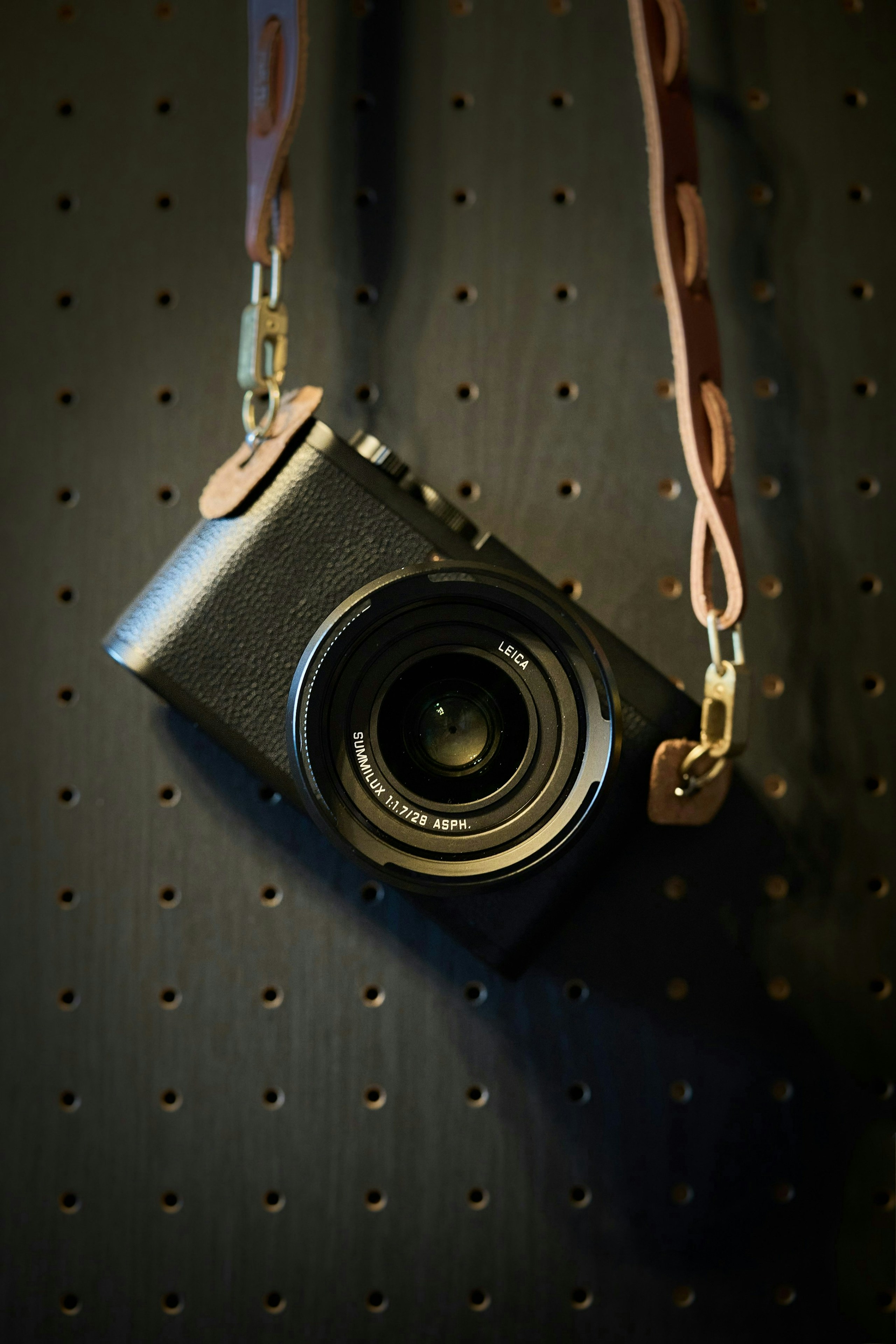
Photo by 皆尺寺 悠史
For me, the Leica Q2 Monochrom is at once a camera for making monochrome photographs and a camera for seeing the world in monochrome.
There are things you begin to see only when you relinquish color.
There are moments when accepting constraint sets you free.
It is a camera that quietly teaches me this subtle paradox.
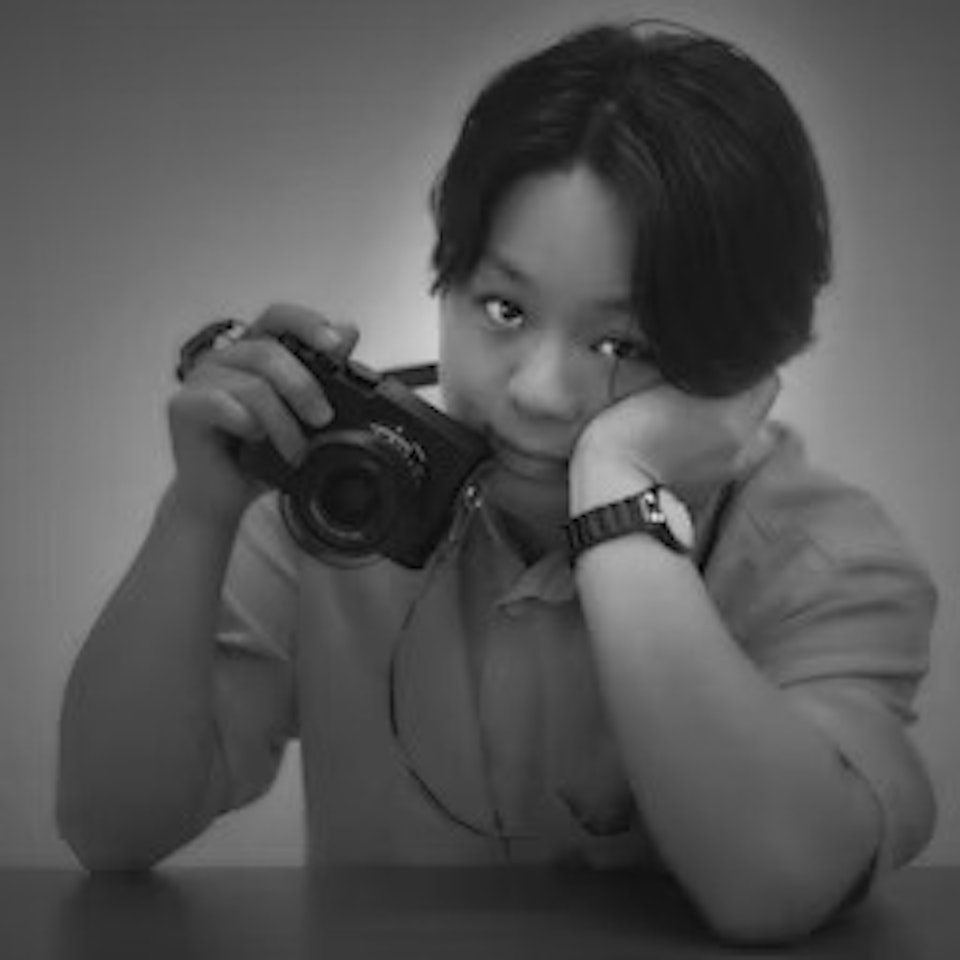
皆尺寺 悠史
A photographer who, alongside his clinical practice as a surgeon, pursues an animal-centered photographic practice grounded in monochrome.
By stripping away color, he explores the traces of “presence” and “breath” that emerge, seeking images that linger within the viewer.
cizucu: @syakurou_photo
Instagram: @syakurou_photo