An AI image-generation feature added to Google Earth was temporarily suspended shortly after its release. A collapsed Eiffel Tower, a nonexistent nuclear facility, a line of refugees near a border: satellite images nearly indistinguishable from reality had begun to be created and shared.
What made this development so striking was that Google Earth had long been trusted as a benchmark through which we view the world. Images are not merely things to look at; they can also serve as clues for verifying places and events. In an age when images can be generated without limit, what can photography preserve?
A Photograph Carries the Weight of Having Been There
AI-generated images can convincingly depict events that have not yet occurred and landscapes that do not exist. While this can be a tool for expanding ideas, once such imagery is associated with a real place, viewers may interpret it as something that actually happened.

Photo by Aya
Photography, by contrast, rests on the premise that the photographer was physically present. The heat, the direction of the wind, the time spent waiting for the light to change, the distance from which the shutter was released: beyond the frame remain sensations registered by the body. Whether it is a smartphone photograph made on the way home or a landscape captured with a camera while traveling, each carries the weight of having witnessed that moment.
Photography Preserves a Way of Seeing the World
Photography preserves more than facts alone. Where the photographer directed their gaze, what they found beautiful, and the distance from which they chose to look—all reveal the photographer’s way of seeing the world.
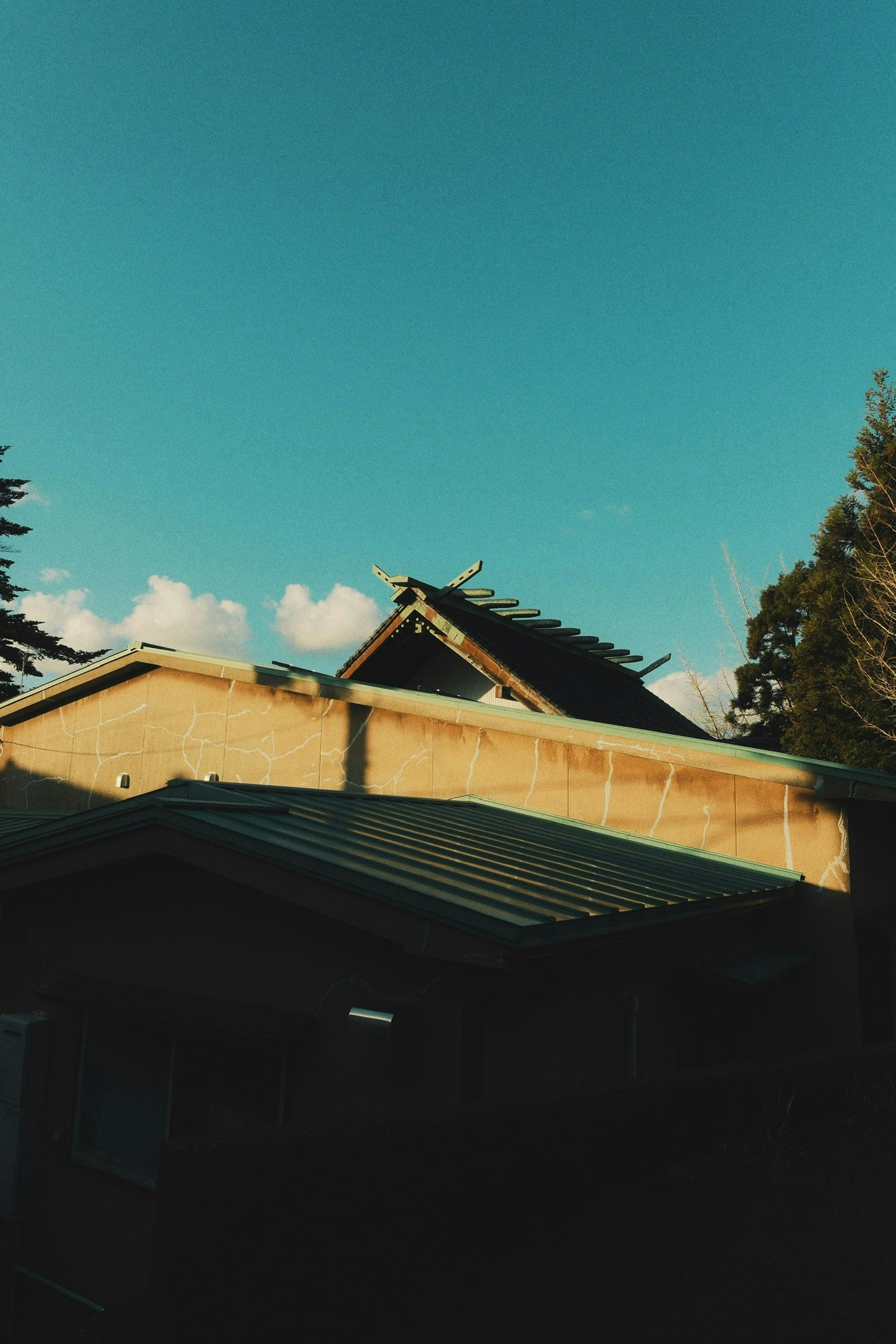
Photo by TEN
Even when photographing the same city at dusk, one person may choose human silhouettes, another the colors of illuminated signs, and another reflections on the pavement. The result may not be a perfect record, but those choices carry meaning. Perhaps the easier images become to generate, the more visible the value of photographs shaped by chance encounters and selected through one’s own gaze will become.
Trust Emerges from Small Clues
Google stated that the generated images included a watermark identifying them as AI-generated. Technical means of identification are important. Yet not everyone opens a verification tool whenever an image appears in their social media feed. Images can reach our emotions—and be shared—before they are verified.
That is precisely why it can help to include a few contextual clues when posting a photograph: where and when it was made, what drew you to the subject, whether the color was adjusted, or whether compositing was used. You do not need to explain everything. Even a single-line caption can allow viewers to engage more closely with the work.
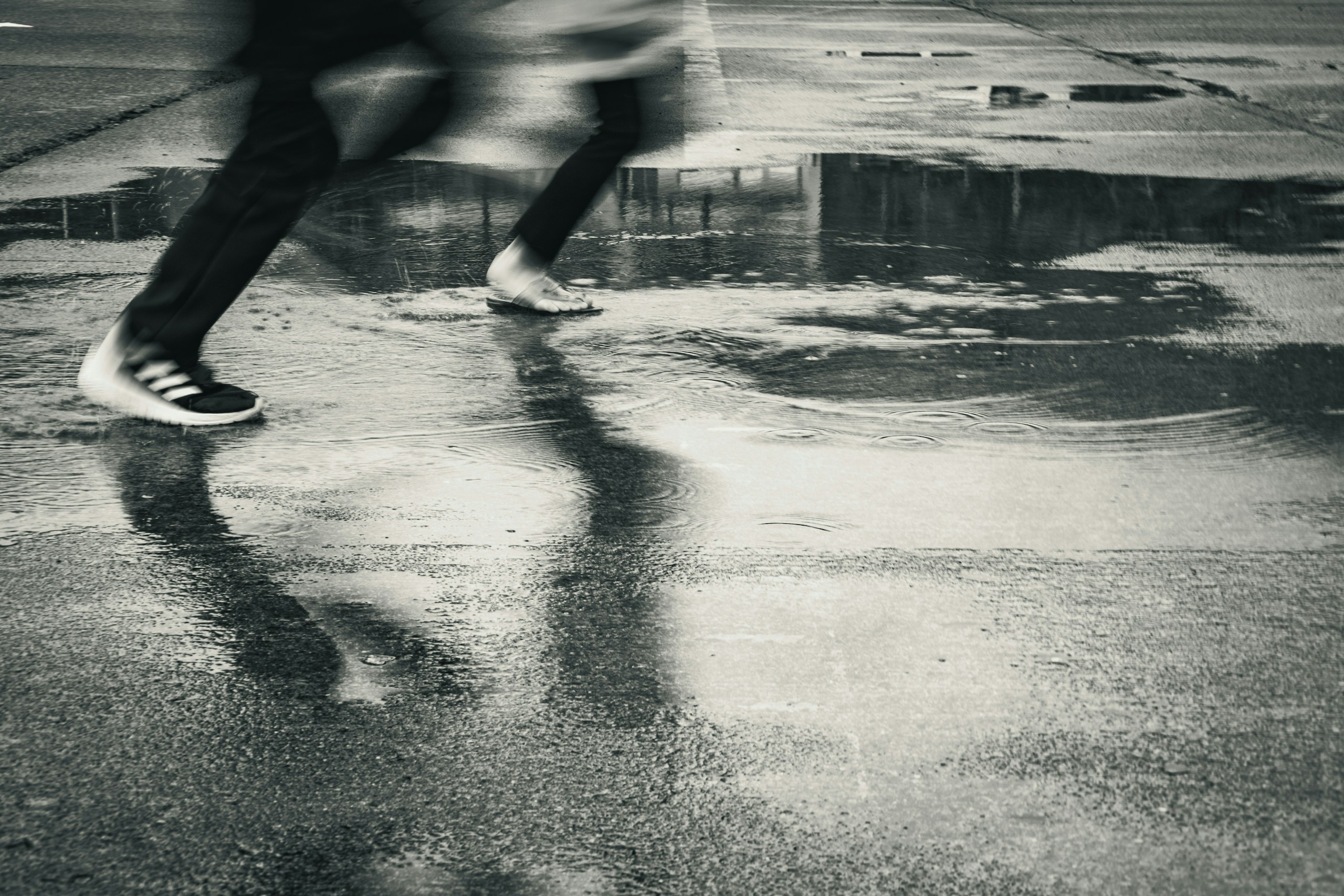
Photo by mumei ksm
What photography can preserve in an age of limitless image generation is not the power to prove reality beyond doubt, but the trace of someone having stood in a particular place and looked at the world. Moving at a different pace from fabricated imagery, photography quietly carries time and memory forward.