Held by cizucu around the world, photo poster project (ppp) is more than a photography exhibition. It is a community where everyone can feel at ease sharing their stories, as well as an opportunity to connect with creators from across the globe in a physical space.
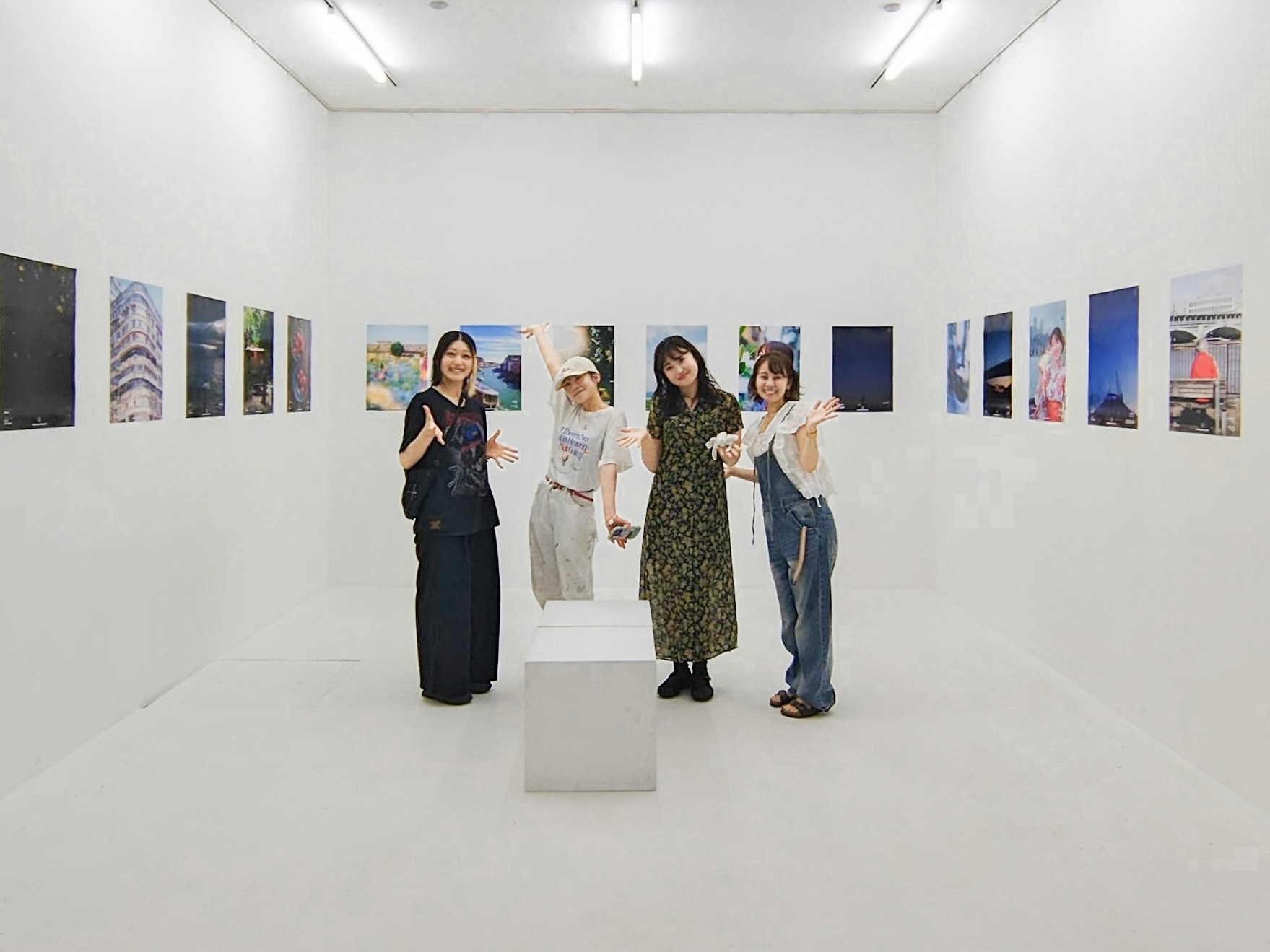
As a special edition of ppp, photo poster project for Woman (ppp for Woman) was held on Sunday, July 12, at STAYFUL LIFE STORE in Mitaka, Tokyo. Created to offer a space where more people can enjoy photography with confidence and peace of mind, it is a ppp for women, open to “all those who identify as women.”
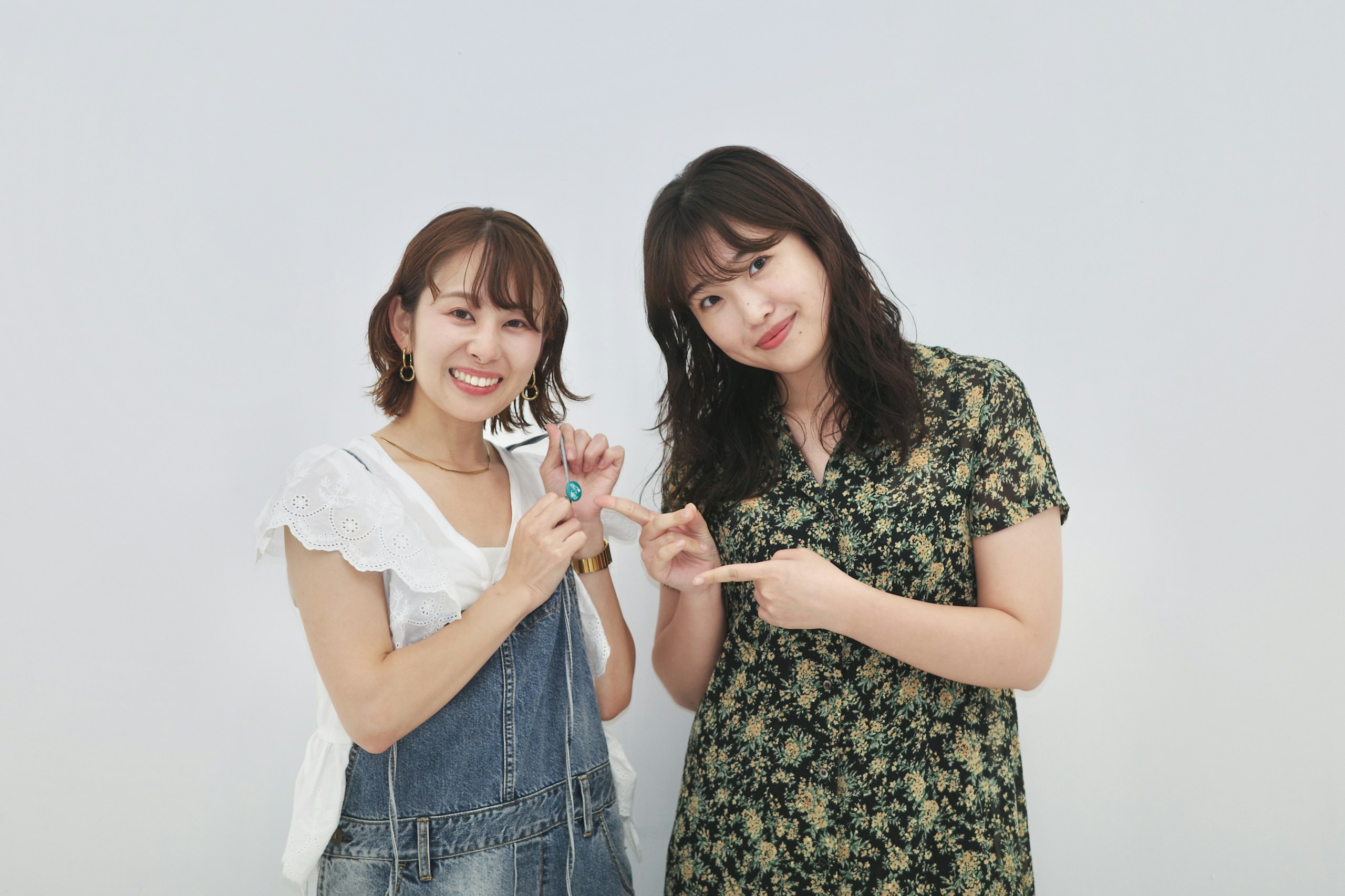
For this interview, we spoke with 穂(スイ) and oku yuuka, who joined the organizing team for ppp for Woman. Through their reflections—from what prompted them to become staff members to what they experienced in the exhibition space and their hopes for the future of ppp for Woman—we revisit the time shared and the connections formed that day.
Q.01To begin, could you introduce yourselves and tell us what mattered most to you as organizers?
穂(スイ)
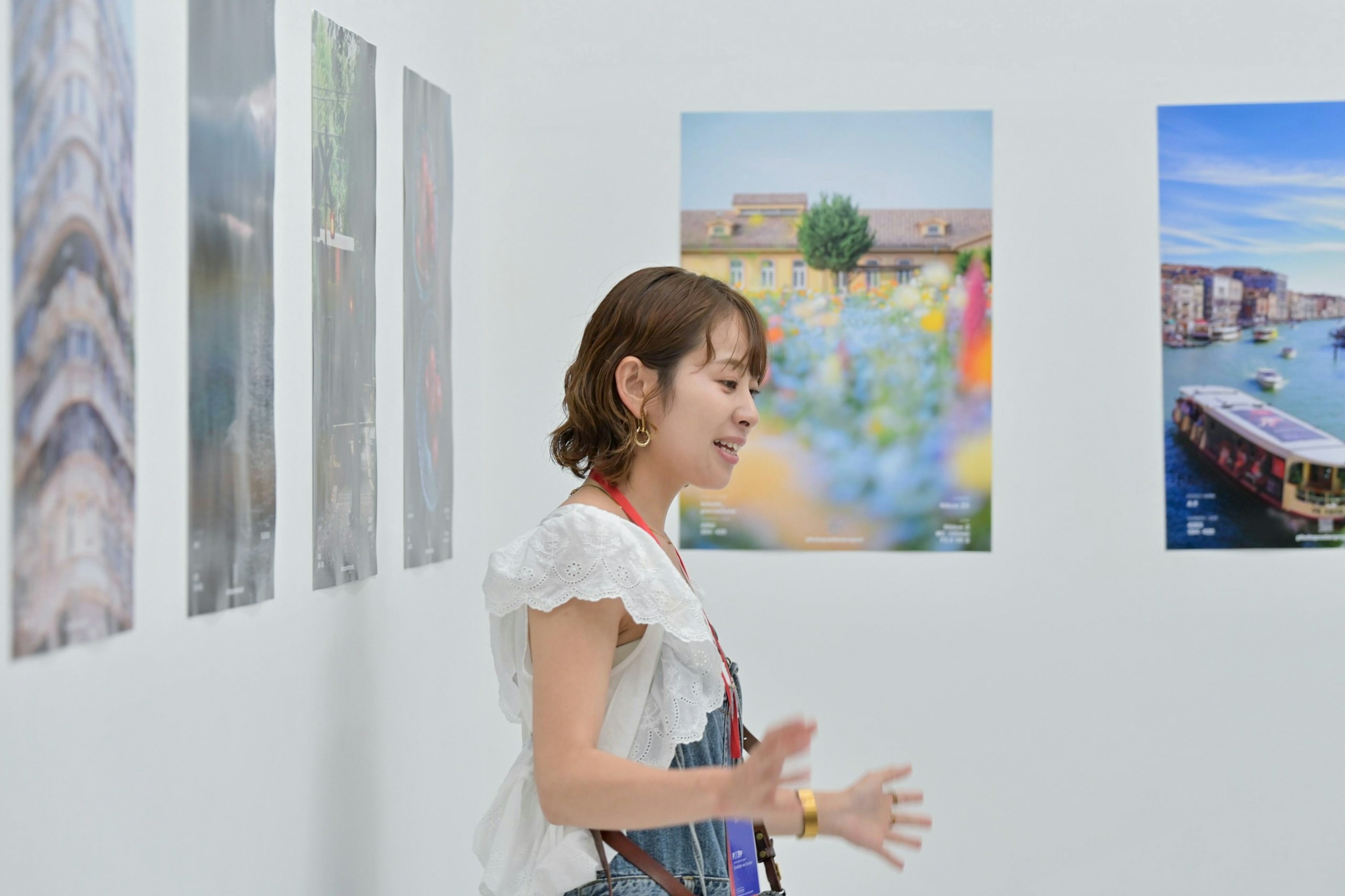
I primarily work with film cameras and have participated in ppp since its first Tokyo edition.
I later became involved in organizing it as a staff member.
What matters most to me in organizing ppp is getting to know the person on the other side of each photograph.
Rather than looking only at the work itself, I want to listen to the story behind its creation and the emotions stirred at that moment. I tried to create an atmosphere where first-time participants could feel at ease and be themselves, while holding on to the excitement and nervousness I felt when I first took part.
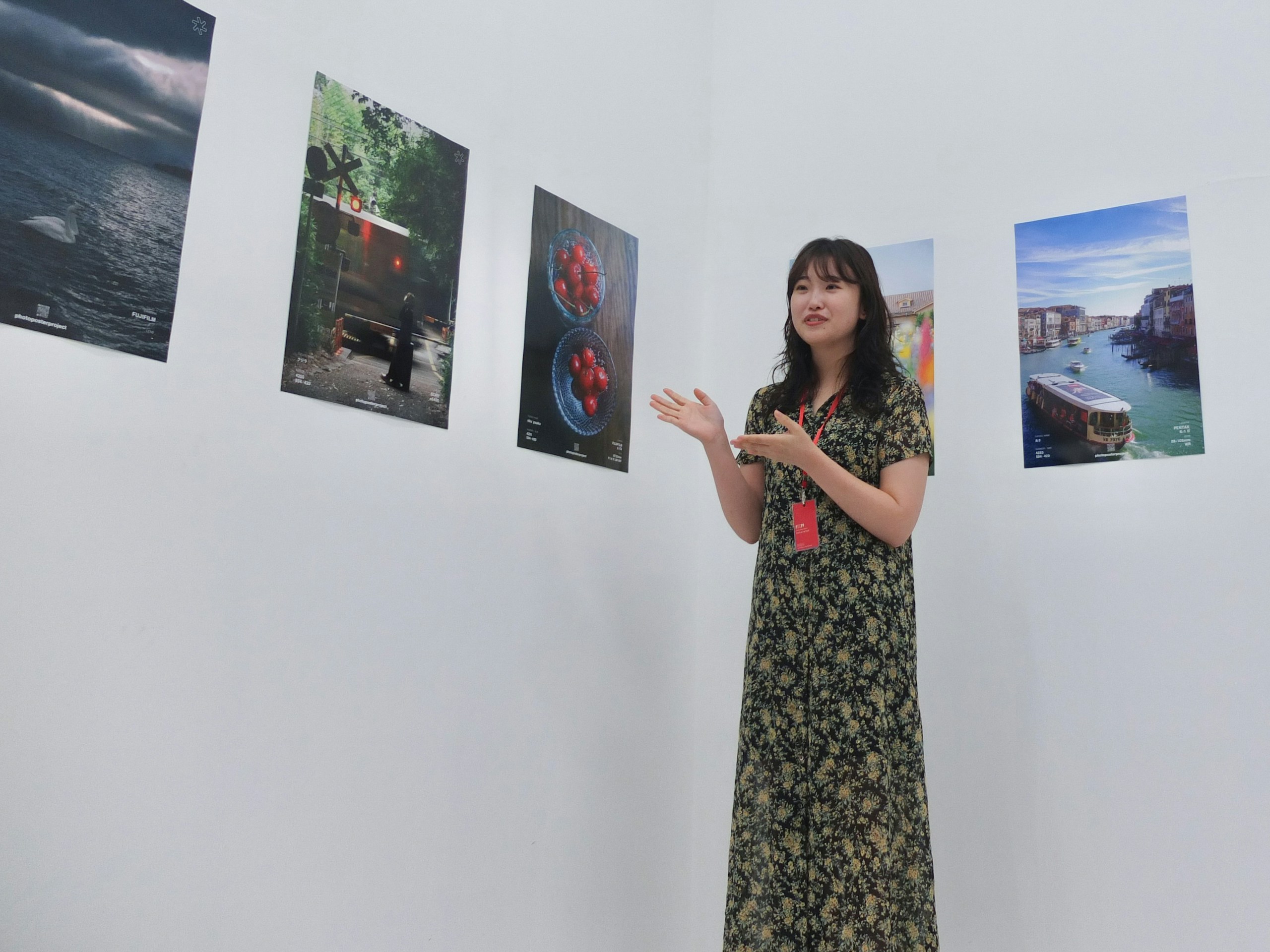
oku yuuka
Because this was our first women-only edition, it also gave me an opportunity to reconsider gender in relation to my own life. How has “being a woman” shaped my experience? This women-only edition prompted me to think seriously about that question for the first time.
I still don’t have a definitive answer to the question of what it means to “be a woman.” Even so, being perceived as a woman has brought both moments of joy and moments of difficulty. That is precisely why I wanted to ensure that those who chose to attend this women-only gathering could feel safe and comfortable. I also wanted it to be a time when we could empathize with one another’s perspectives while appreciating our differences.
Q.02What made you want to become involved in ppp for Woman as staff members?
oku yuuka
穂(スイ)
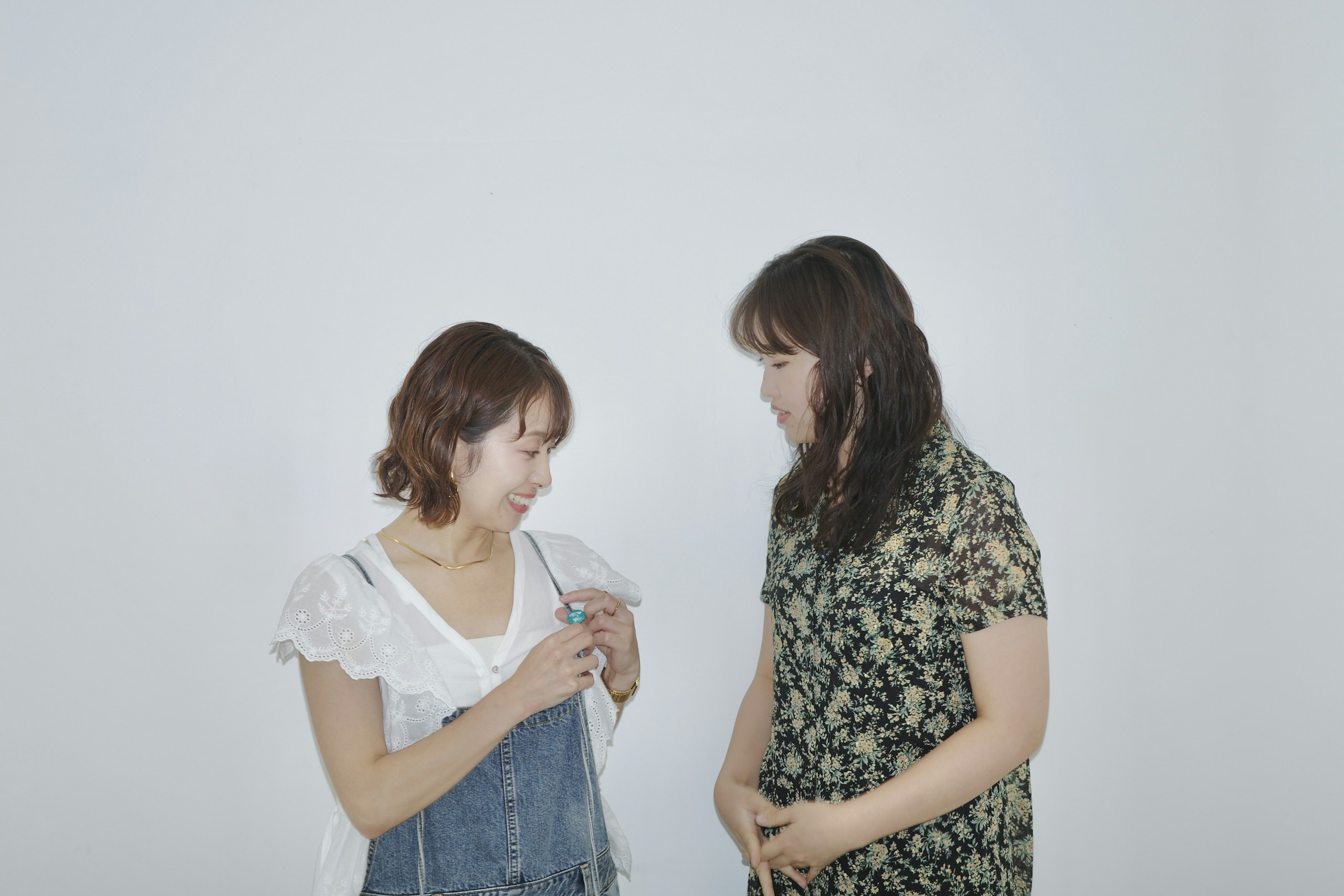
Of course, gender does not fundamentally change the way we enjoy photography. Even so, I believe that being able to share perspectives and everyday sensibilities particular to women in an organic way can lead to new discoveries and forms of expression.
That is why, this time, I wanted to help convey that appeal to others. I hoped participants could relax and enjoy the photography, and I wanted to create an experience that would leave them feeling glad they had come. That was the intention I brought to my role.
Q.03Once the event took place, did you notice any differences from a regular edition?
穂(スイ)
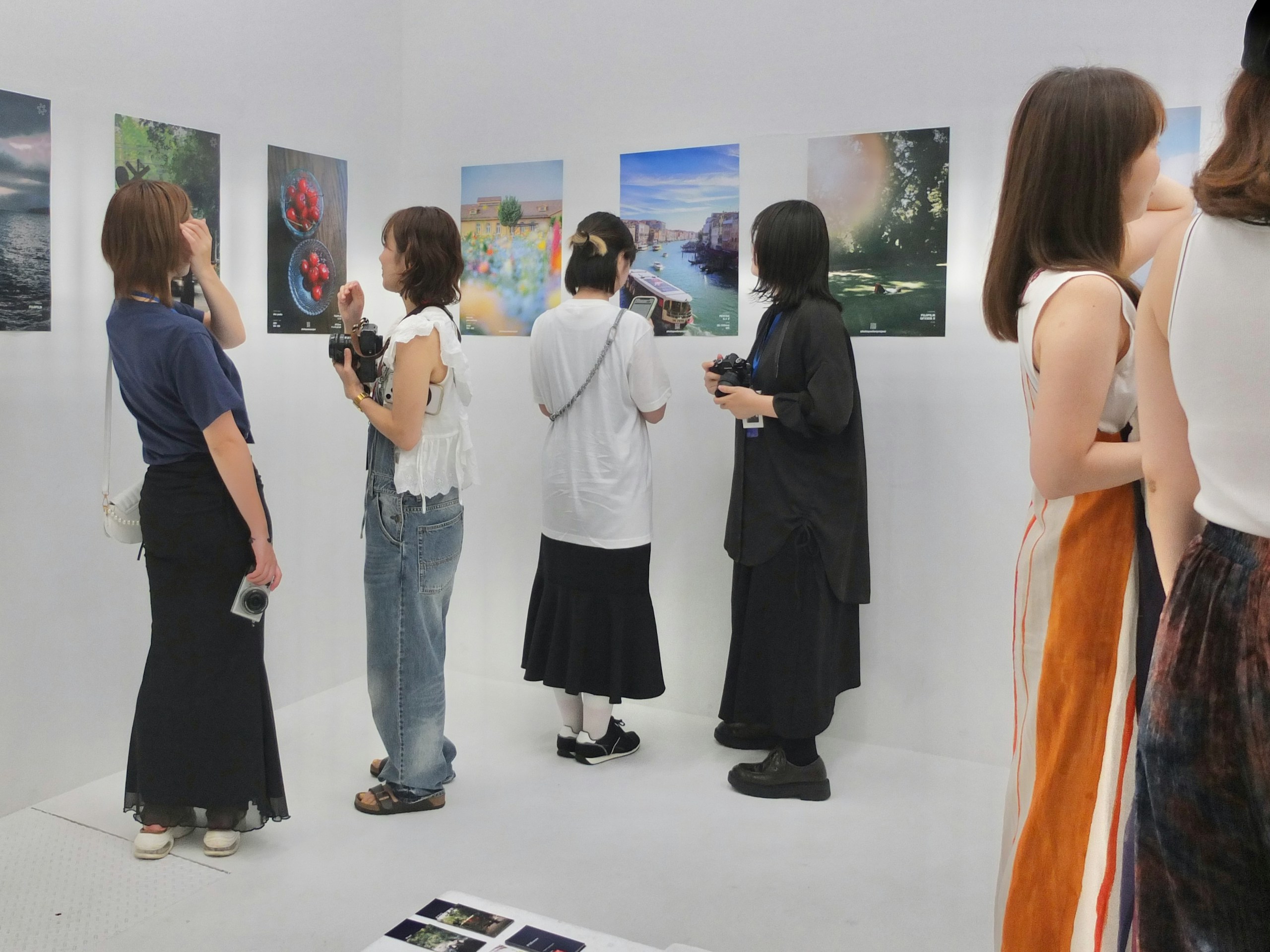
This time, however, there were many moments when we touched on the context in which a photograph was made and the emotions stirred at that instant. “Why did you make this photograph?” “How did you feel at the time?” Through conversations like these, we could sense even the time and atmosphere held within each work.
Perhaps because we were among women, empathy arose naturally, and the conversations expanded as people connected the works to their own experiences and emotions. Being able to encounter each person’s values and way of seeing through photography felt like a distinctive quality of this edition.
oku yuuka
There was a warm, open atmosphere in which people could speak naturally not only about the works themselves, but also about how they felt when making them and the stories behind them. As the conversations unfolded, I sensed the distance narrowing between the person who made the photograph and the person viewing it. Perhaps that is why the atmosphere within the works themselves also seemed gentler.
Q.04Were there any moments that particularly stayed with you that day?
穂(スイ)
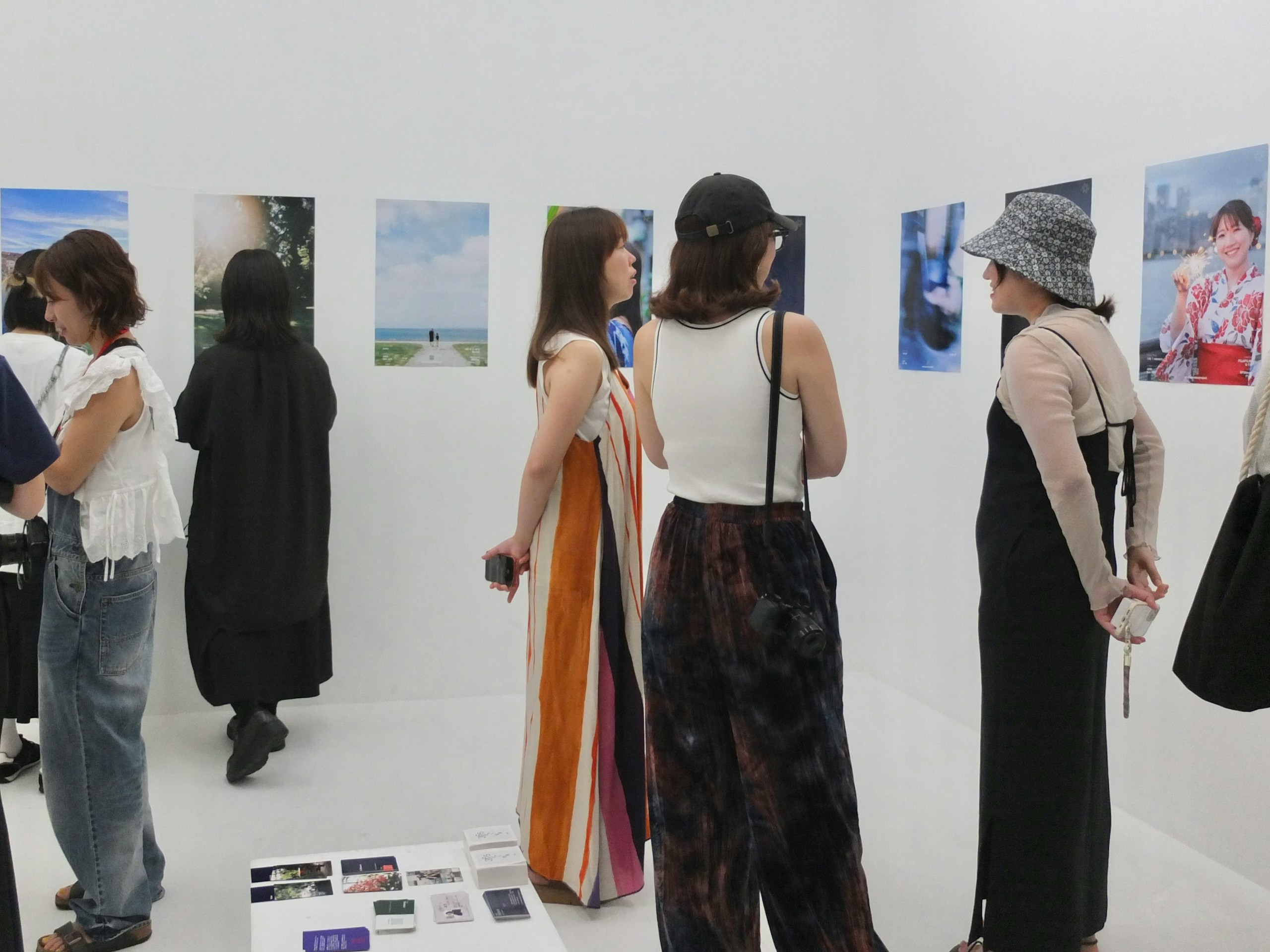
Although many people were meeting for the first time, the conversations rarely paused. So many thoughts were exchanged that it felt as though there simply wasn’t enough time.
I was delighted to hear participants say, “I had a wonderful time” and “I’d love to come again,” but what stays with me most is that I, too, formed connections that made me want to see everyone again.
oku yuuka
It was incredibly moving to see those around them listen quietly to every word, empathizing or connecting what they heard to their own experiences. Perhaps the women-only setting offered a sense of safety that allowed people to speak without feeling they had to weigh every word too carefully.
Q.05Did this edition bring about any personal changes or realizations for you?
oku yuuka
穂(スイ)
I see ppp as more than a place to show one another photographs. It is a space where people can exchange the stories behind the works and share what matters to them. This time, those exchanges seemed to emerge even more organically. A photograph becomes a point of departure for knowing someone and forming a new connection. I want to continue valuing the perspective that “a photograph reveals the person behind it.”
Q.06If ppp for Woman is held again, who would you like to see participate?
oku yuuka
I myself have since gone out to photograph at cafés and joined photo walks with people who participated. I made photography friends whom I can also meet outside the event.
穂(スイ)
Of course, no particular level of skill or experience is required. Its greatest appeal, I believe, is that it is a place where everyone can bring their authentic selves. I would be delighted to offer my support as one of the people helping others discover that quality.
Q.07Finally, what are your hopes for the future of ppp for Woman?
oku yuuka
There are things that can be difficult to articulate in everyday life but become easier to discuss naturally through photography. I hope that, as more of these moments accumulate, the initiative will grow into a space where people can engage more deeply both with themselves and with others.
穂(スイ)
I would love to see this initiative expand beyond Japan and into other countries, becoming a space where women living within different cultures can encounter one another.
Because photography is a shared language, it allows us to engage with another person’s perspective and feelings across linguistic and cultural boundaries. I hope connections like these will continue to spread around the world.