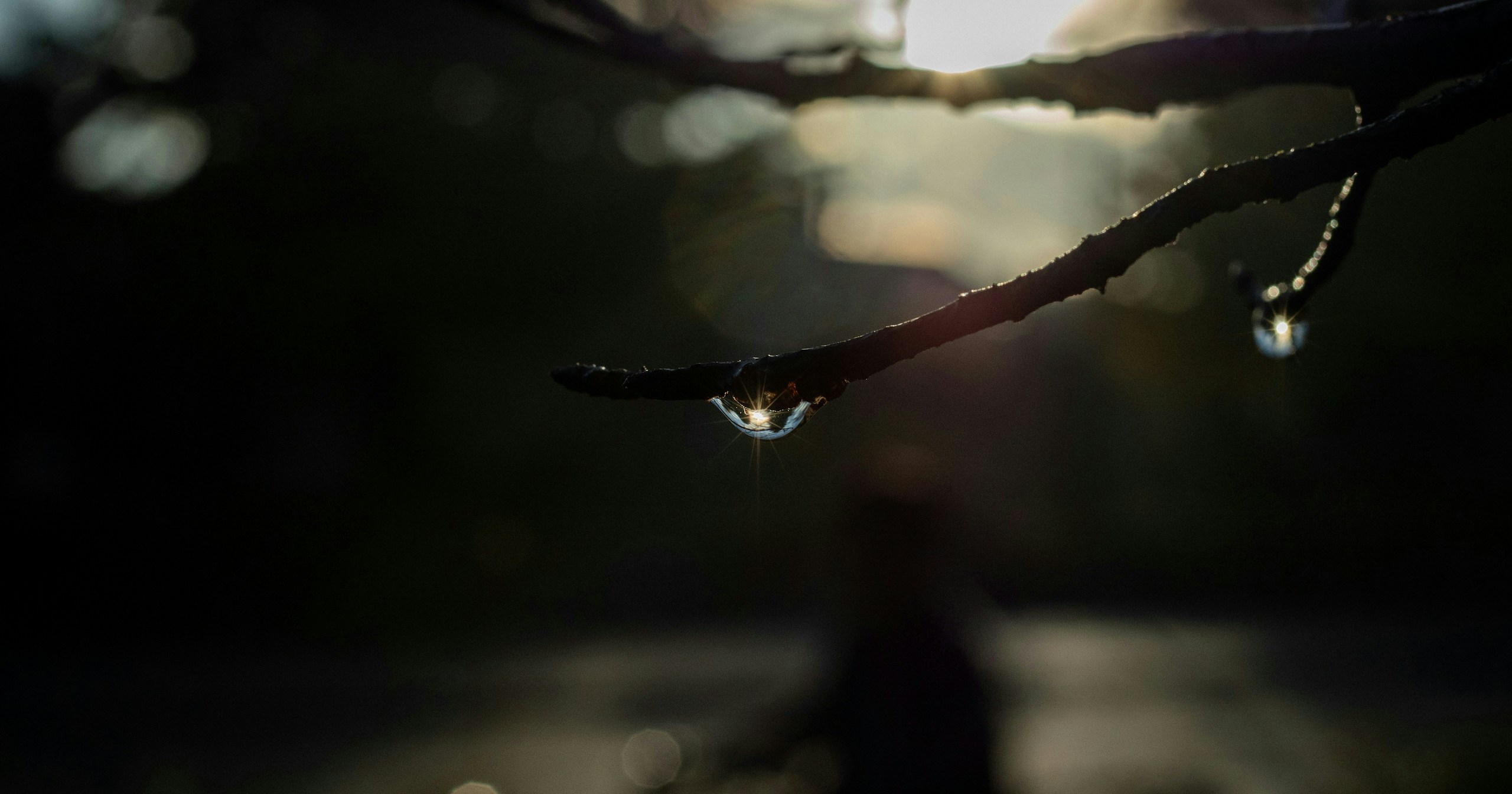
In the moments immediately after the rain stops, the city takes on a fleeting expression found in neither clear nor rainy weather. Wet streets absorb the colors of the sky and signs, while puddles reflect fragments of the city from another plane. People closing their umbrellas resume their pace, yet still carry traces of the rain with them.
This time, we consider reflection not simply as a photographic technique, but as a point of entry into the atmosphere of the city and the distances between people. From late summer into the autumn rainy season, we explore ways of turning the camera toward familiar streets with renewed attention.
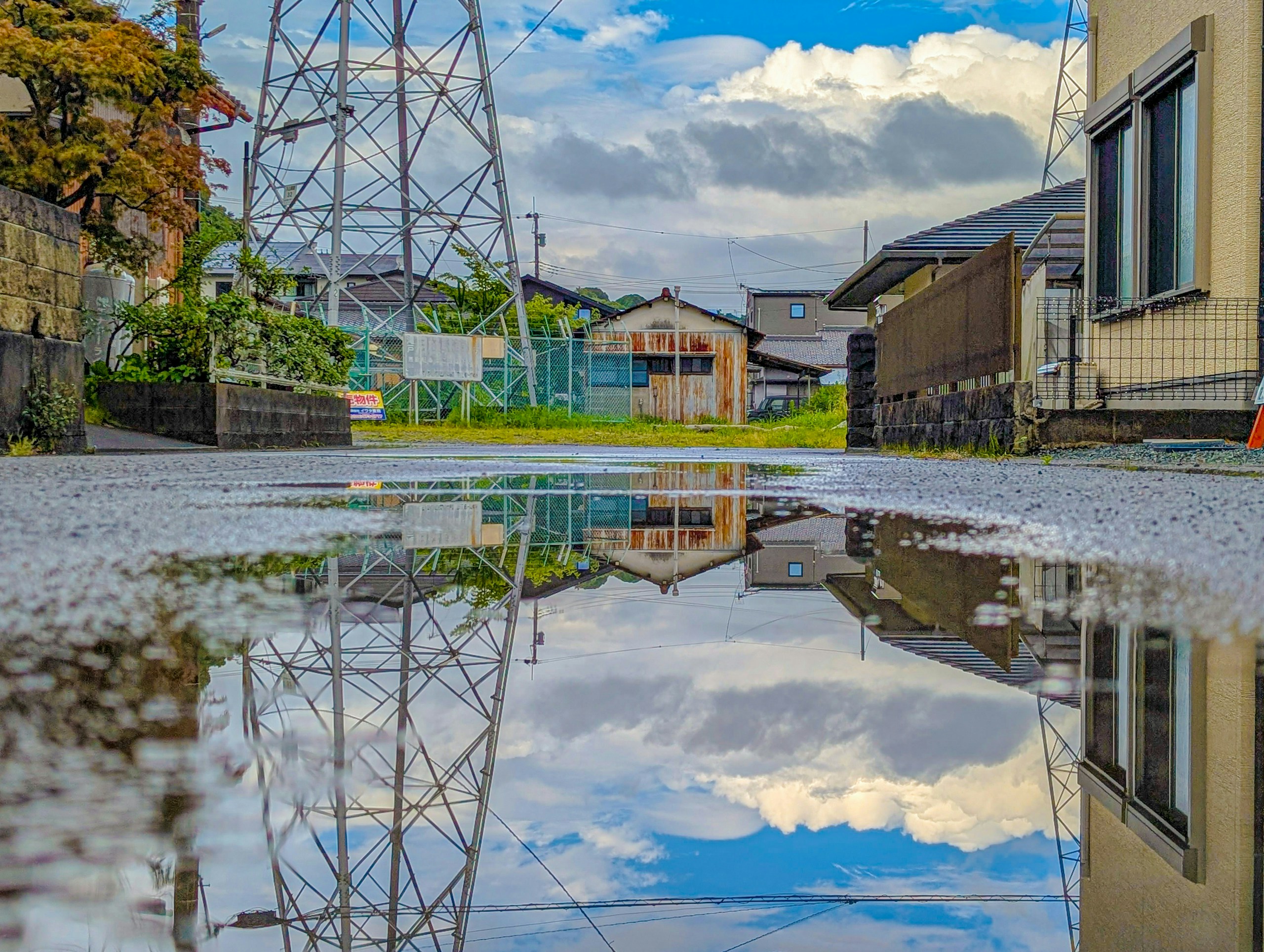
Photo by hkr_capturedmoments
After the Rain, the City’s Contours Begin to Dissolve
When the rain stops, the city does not immediately return to its dry, everyday state. A thin sheen of light lingers on the streets, while the edges of pavements and lines on the road appear slightly softened beneath a film of water. Wet asphalt catches the brightness of the sky, while the shadows of buildings deepen, creating layers of light and darkness within a single frame.
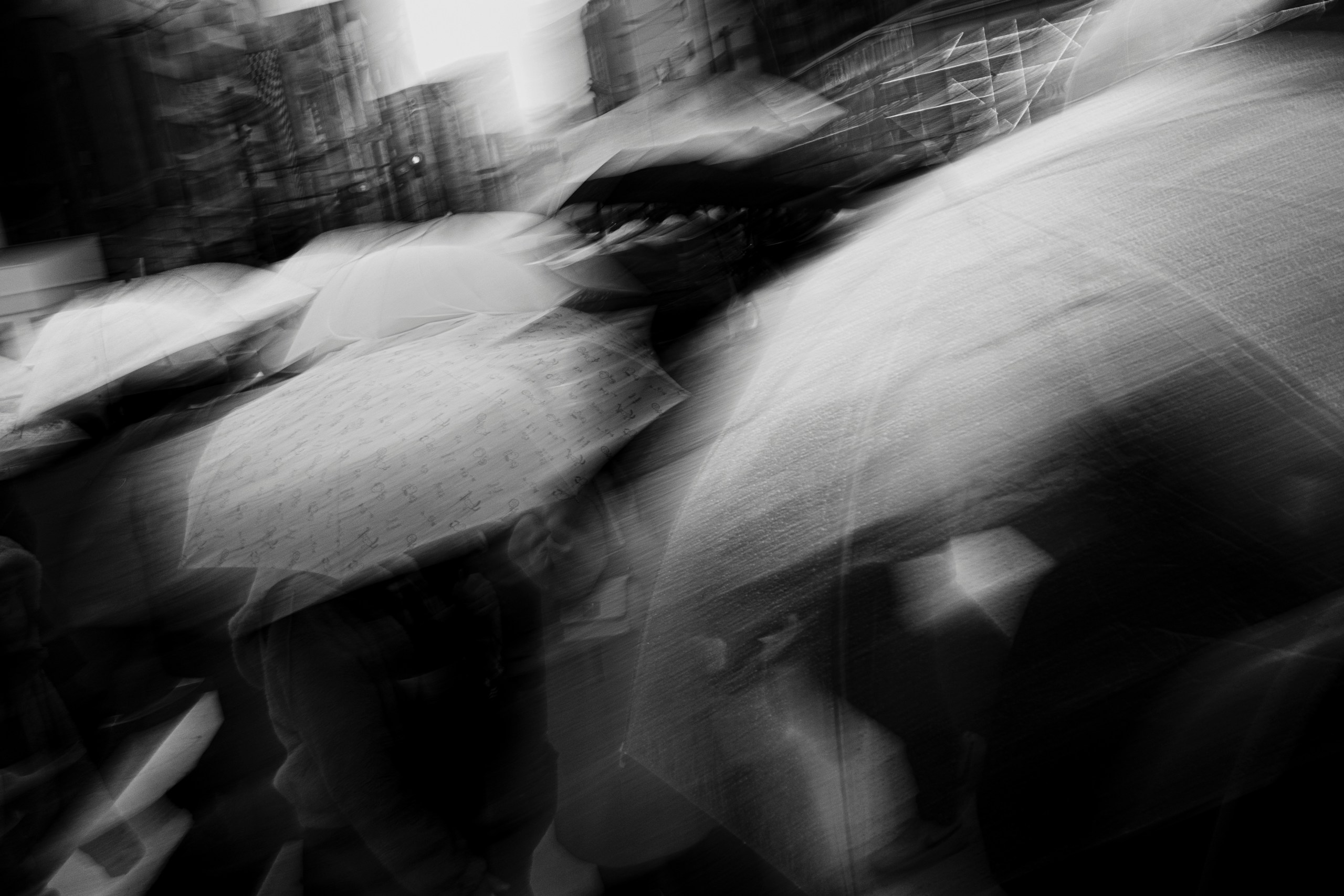
Photo by Yuichi Kasagami
When photographing this interval, simply collecting motifs associated with the aftermath of rain can leave an image functioning as little more than a description of the scene. What matters is noticing the boundary between places that remain wet and those already beginning to dry.
There, the passage of time emerges through shifts in line and color. Before releasing the shutter, observe the direction in which the city seems to be returning to itself. This makes it easier to capture the atmosphere held within a fleeting moment of the urban landscape.
A Puddle’s Reflection Is Not Another City
When signs and the sky reflected in a puddle fill the frame, the beauty of the reflection immediately draws the eye. Yet if the reflection alone becomes the subject, the image risks resolving into a visual device that merely reverses top and bottom. By including the actual buildings beyond the water and the feet of people crossing through the scene, it becomes possible to see image and reality layered within the same place.
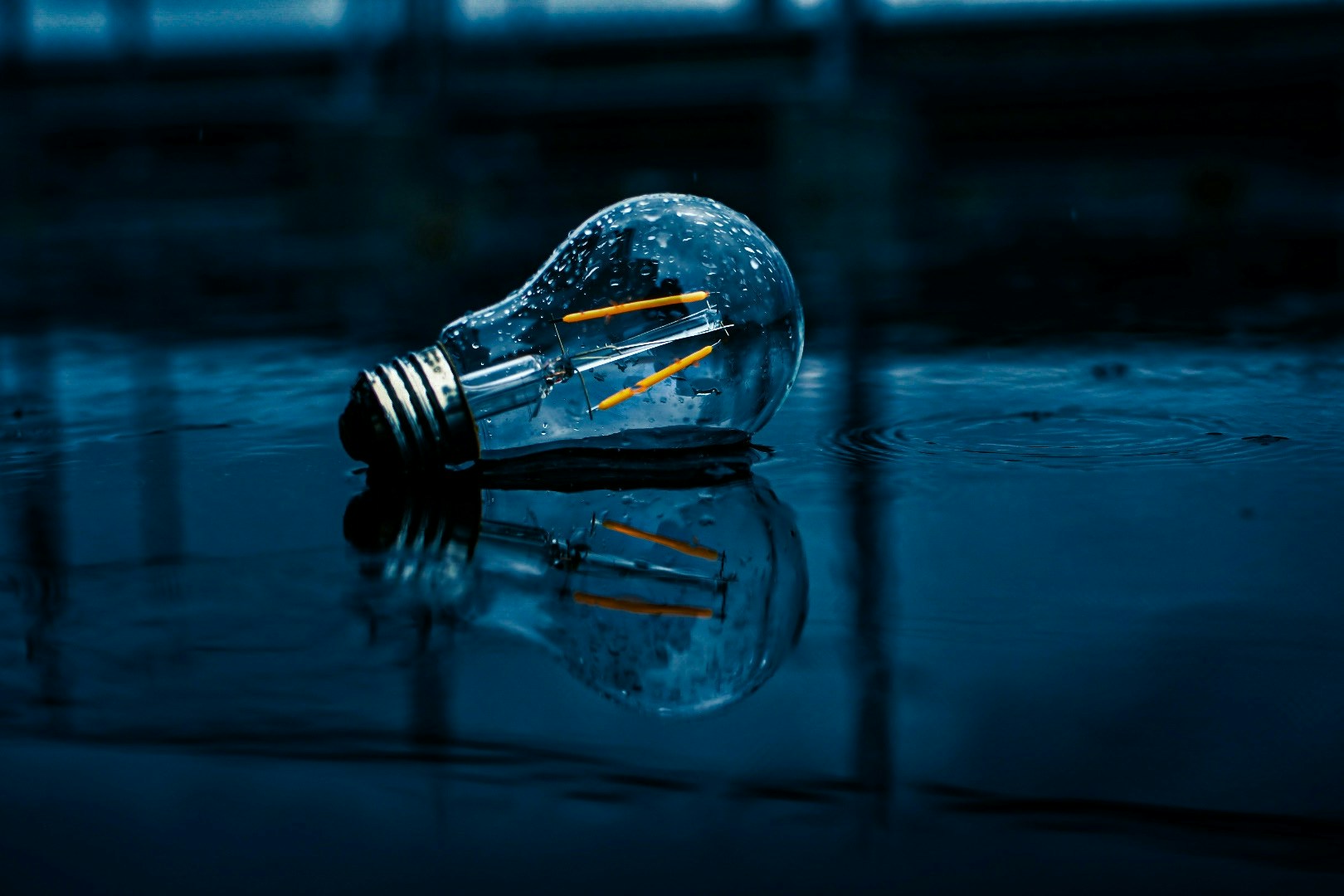
Photo by satoru
Reflection is also a surface that compresses the atmosphere of the city. Light trembling across the water, fine ripples left undisturbed, and the movement of water after a car passes all register the time in which someone was present. Even without depicting a figure prominently, the gesture of closing an umbrella or the direction of wet shoes can suggest a person’s pace and their distance from others.
Rather than looking down at a puddle alone, step back slightly and search for its relationship with the surrounding reality. Reflection can then become a means of reading the city.
The Distance Around a Closed Umbrella Holds the Afterglow of Rain
After the rain, people move differently than they do while it is falling. Some fold their umbrellas, others step out from beneath the eaves and return to the pavement, while others avoid the remaining wet ground. These small choices reveal how people maintain distance within the city. Without emphasizing faces or clothing, a person’s back, their feet, and the position of an umbrella can convey both the caution and the sense of release left behind by the rain.
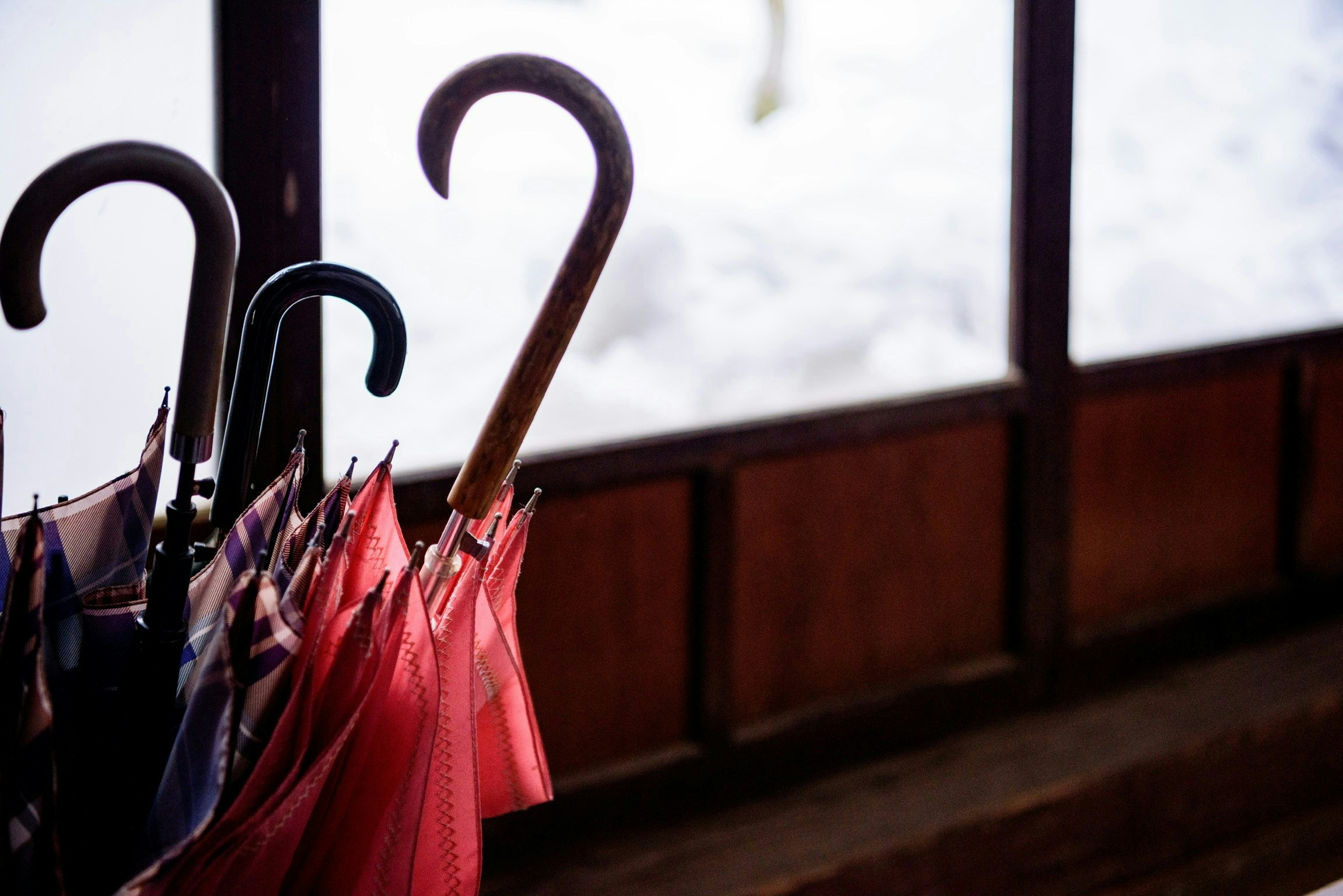
Photo by now
There is no need to rush in search of a decisive moment. First identify where people pass in relation to the water, then wait a few minutes for the reflected light to shift. This allows you to concentrate on the relationship between the figure and the background.
Attend to an alley where sounds seem to recede, the faint trickle of water running toward a drain, or even the suggestion of wet fabric brushing against itself. In doing so, the time that remains invisible within the photograph can still inform the composition.
After the next rainfall, look along a familiar street for a place where both the water’s surface and the distance between people can enter the frame, then make a single photograph from a low vantage point.