Through interviews with individuals who pursue photographic expression through unique perspectives, we delve into the origins of their creativity, their ideas, and their creative process—bringing fresh inspiration to photographers and photo media around the world.
Chang-Ching “Casper” Su is a creator based between Madison, Wisconsin, and Taiwan. Archiving the origins of their creative practice, along with the ideas and perspectives they hold dear, in words today should help support an important part of photographic culture in the years to come.
Through these “10 Questions,” we take a closer look at the process behind how their expression takes shape.
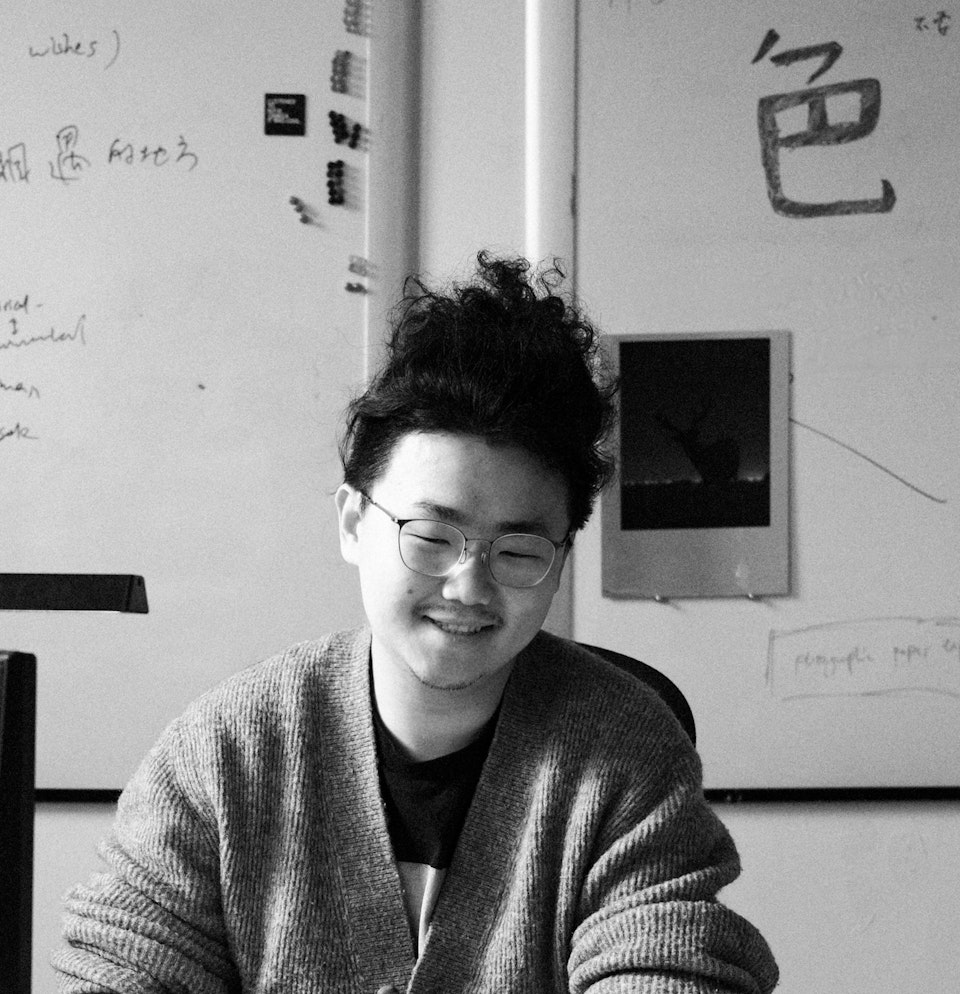
Chang-Ching “Casper” Su
Based between Madison, Wisconsin, and Taiwan. They studied political science at National Taiwan University and earned an MFA in Photography from the School of the Art Institute of Chicago. They are currently pursuing a PhD in Communication Arts at the University of Wisconsin–Madison, working across photography, video, sound, and installation to explore environmental geopolitics, borders, visibility, and darkness.
Instagram : @asas.12348
Q1. Tell us about the origins of your photography and your current activities.
My path into photography ran through political science. I studied how institutions explain power, but the camera allowed me to stay with what official language tends to smooth over: gestures, atmospheres, contradictions, and the occasional political joke nobody intended to make. Photography became less a way to illustrate an argument than a method for discovering one.
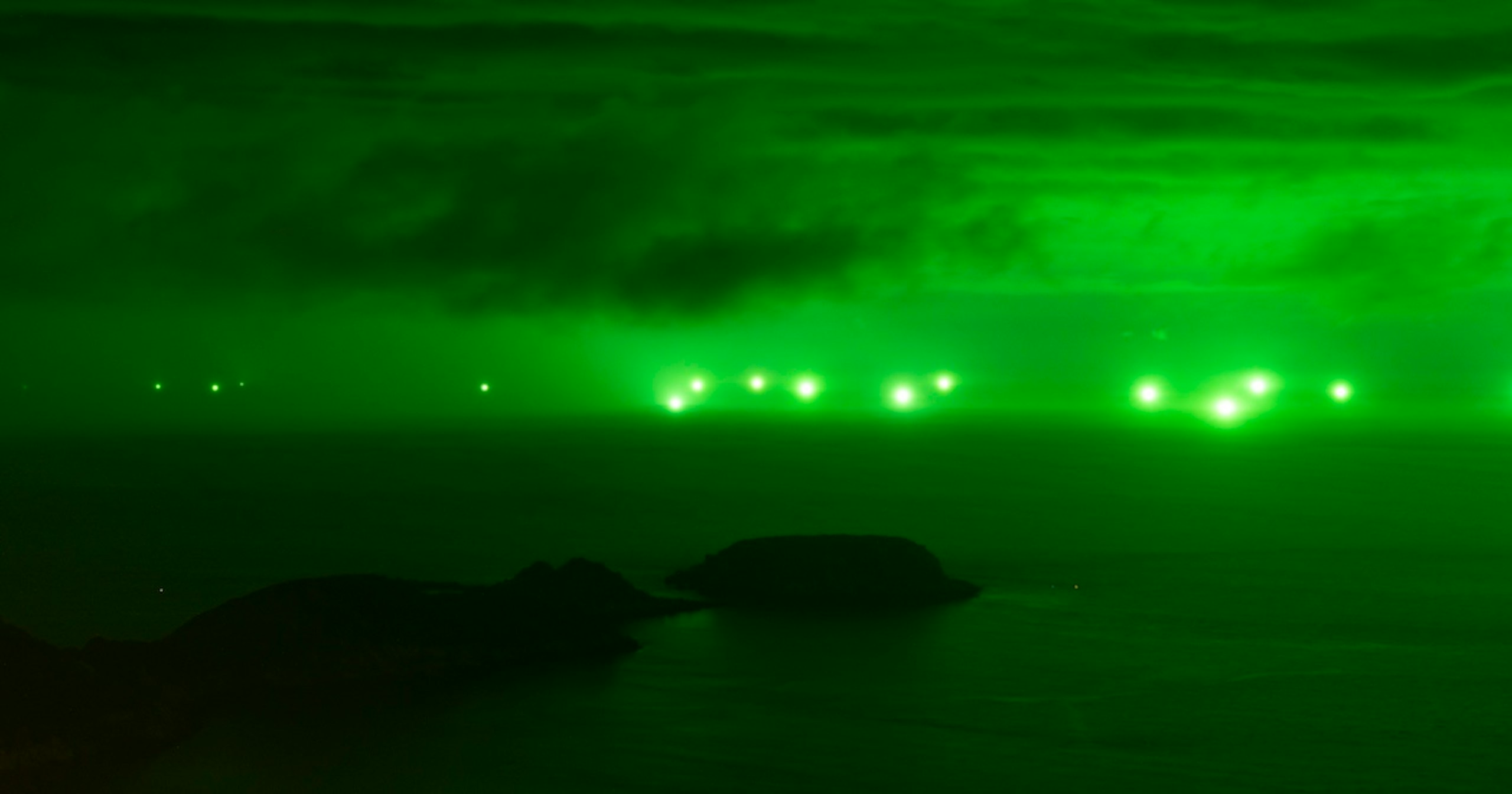
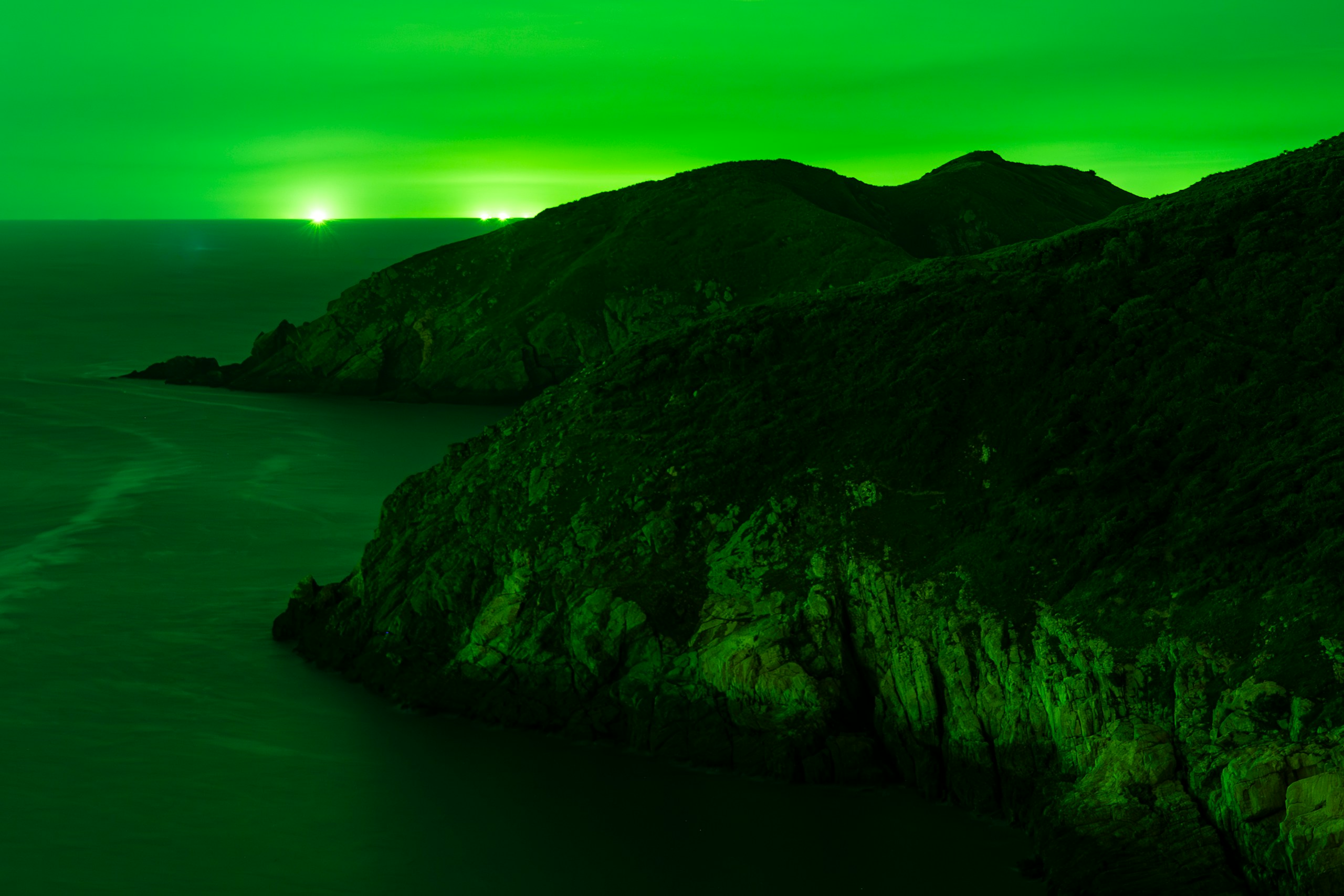
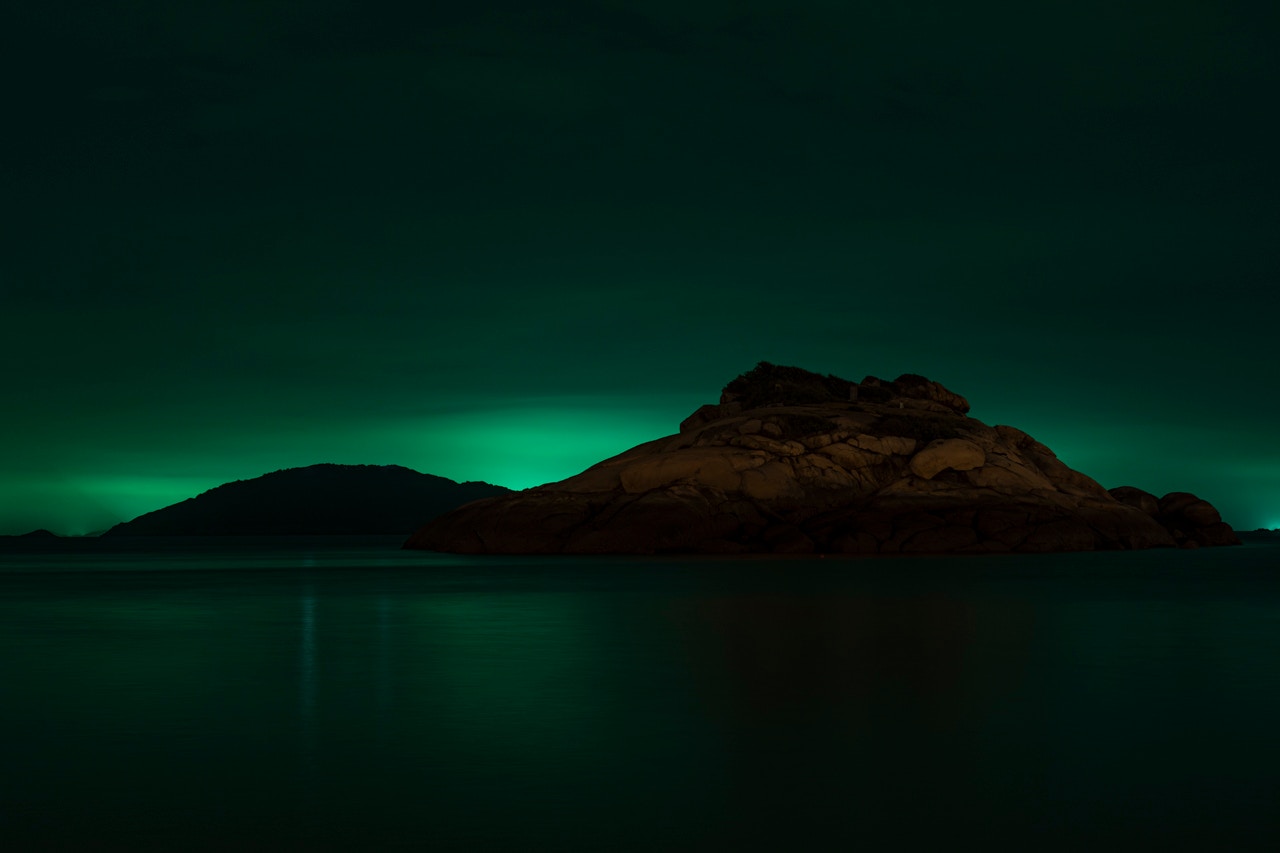
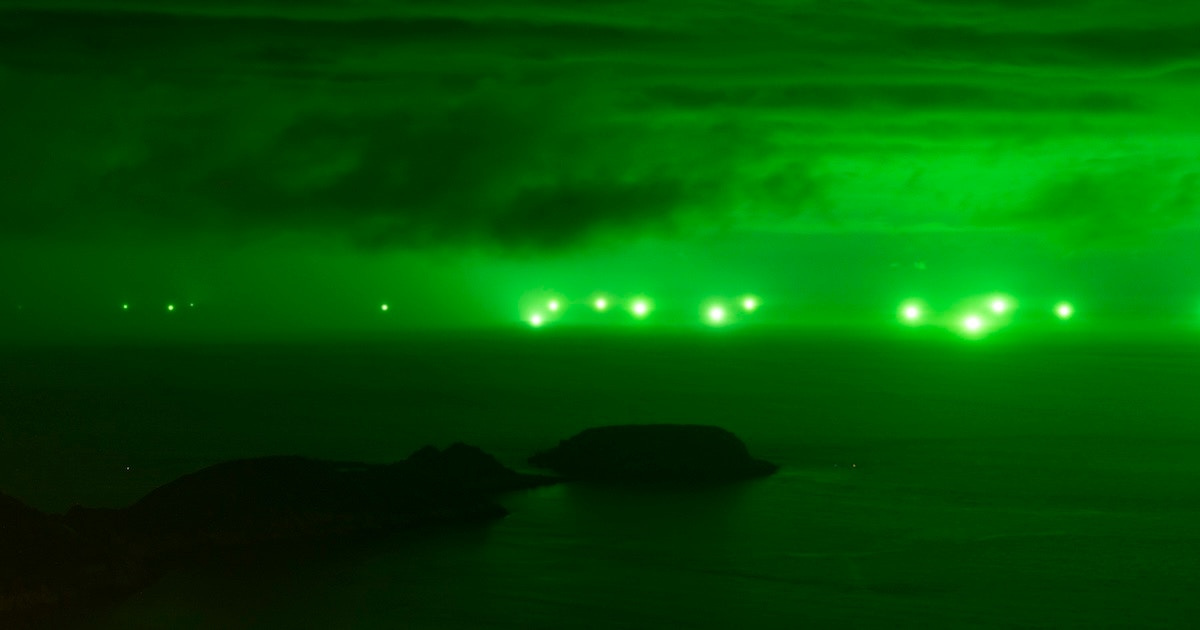
I am now an artist and researcher in Communication Arts at the University of Wisconsin–Madison, moving between Taiwan and the American Midwest. My ongoing project follows the green LED lights of Chinese squid-fishing fleets around the Matsu Islands, where light pollution becomes ecology, tourism, and cross-strait politics at once.
©︎ Chang-Ching “Casper” Su
Alongside photographs, I work with video, sound, found objects, and installation. The camera is usually where the investigation begins, but rarely where it ends.
Q2. What are the most important elements or themes in your work?
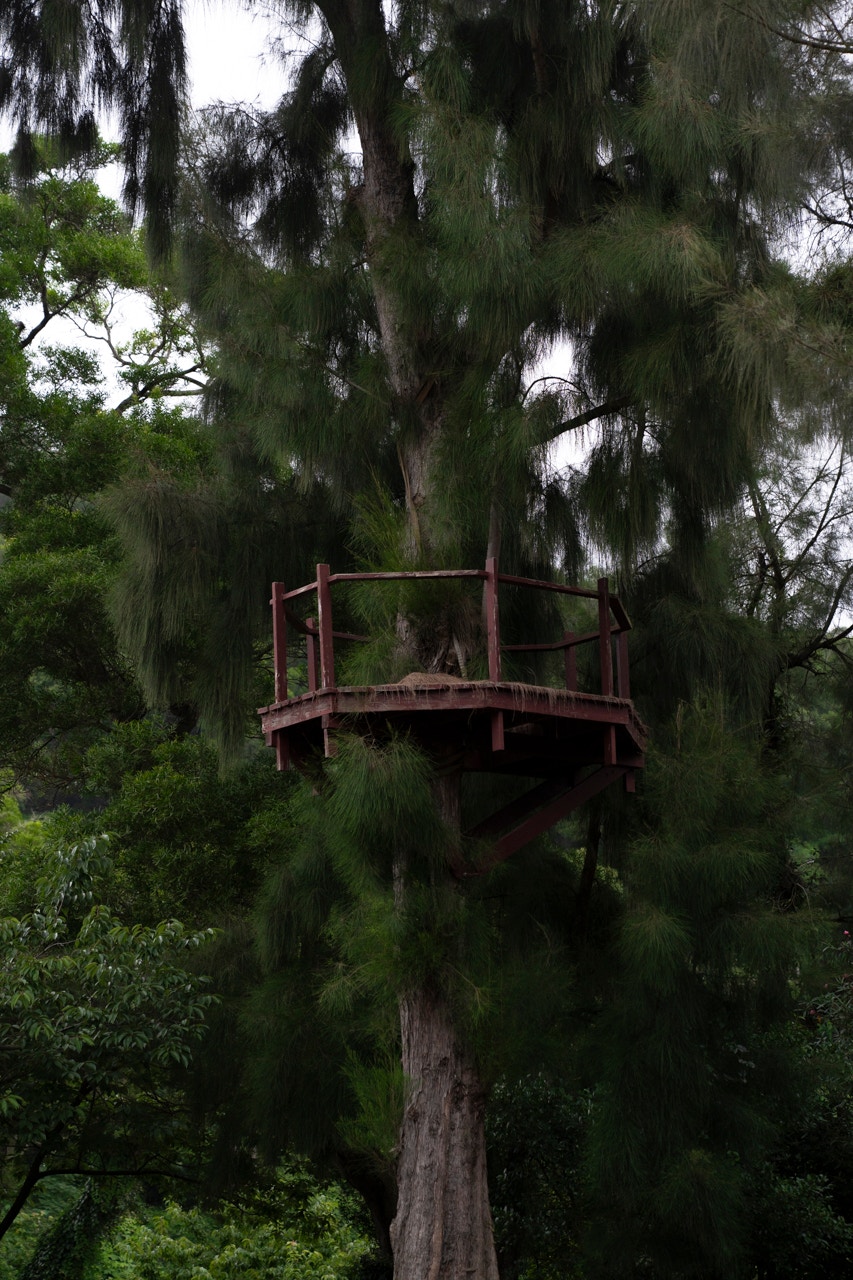
Most of my projects begin when something looks beautiful but behaves badly. I am drawn to light, borders, and other technologies of visibility: who gets illuminated, who is allowed to remain opaque, and who profits when a landscape becomes an image.
©︎ Chang-Ching “Casper” Su
In Matsu, distant fishing fleets turn the sea fluorescent green. The spectacle is marketed as an “aurora,” even as it disrupts darkness, marine life, and the political imagination of the islands. That contradiction sits at the center of my work. I am interested in the moment when environmental damage becomes beautiful enough to circulate, or when geopolitics stops being an abstract map and lands on an animal, a shoreline, or a human body. Humor matters too. It lets me approach power without pretending that artists stand outside its absurdity.
©︎ Chang-Ching “Casper” Su
Q3. How do your works come to life? We'd love to know what goes on behind the creative process — intuition, chance encounters, on-the-spot decisions.
I tend to arrive with a research question and leave with the wrong object. A project may begin with satellite images, policy documents, news reports, or an interview.
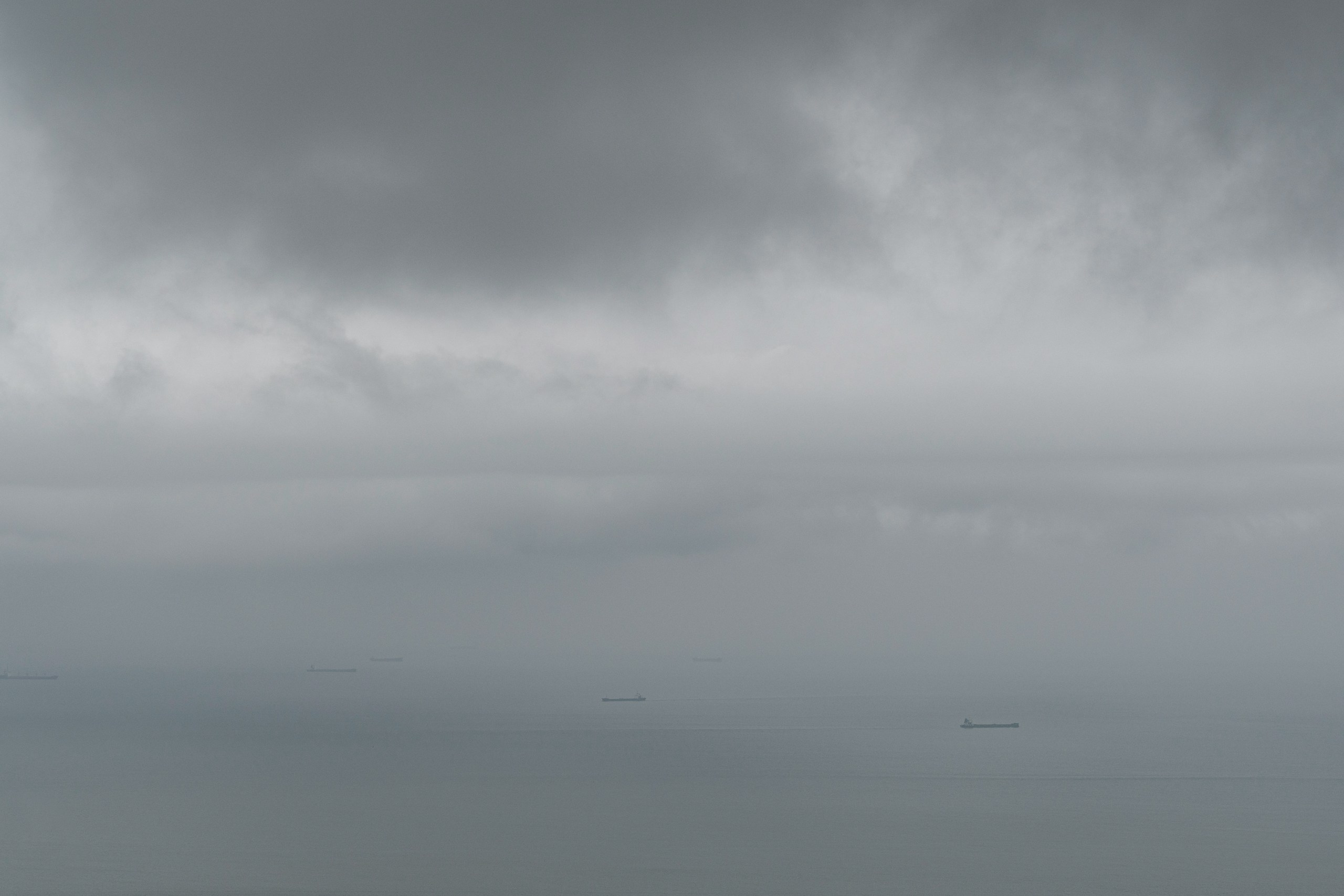
Then fieldwork interrupts the plan. Most of it is not cinematic: I wait, misread the weather, lose sight of the boats, and come home with photographs far less dramatic than the articles that sent me there.
©︎ Chang-Ching “Casper” Su
Occasionally, however, a strange souvenir, an animal at the edge of the frame, or a phrase someone uses casually reorganizes the entire work. I photograph quickly when something happens and decide slowly afterward.
A photograph may become a film, a lightbox, a pile of keychains, or evidence in a lecture. Research gives me a reason to enter the field. Intuition is what happens when the field refuses to follow the proposal.
Q4. What drives you to keep creating?
Curiosity, irritation, and the suspicion that reality is making metaphors before I can. I keep encountering systems that rename damage as progress, security, entertainment, or convenience. Once I notice that linguistic trick, I have trouble leaving it alone.
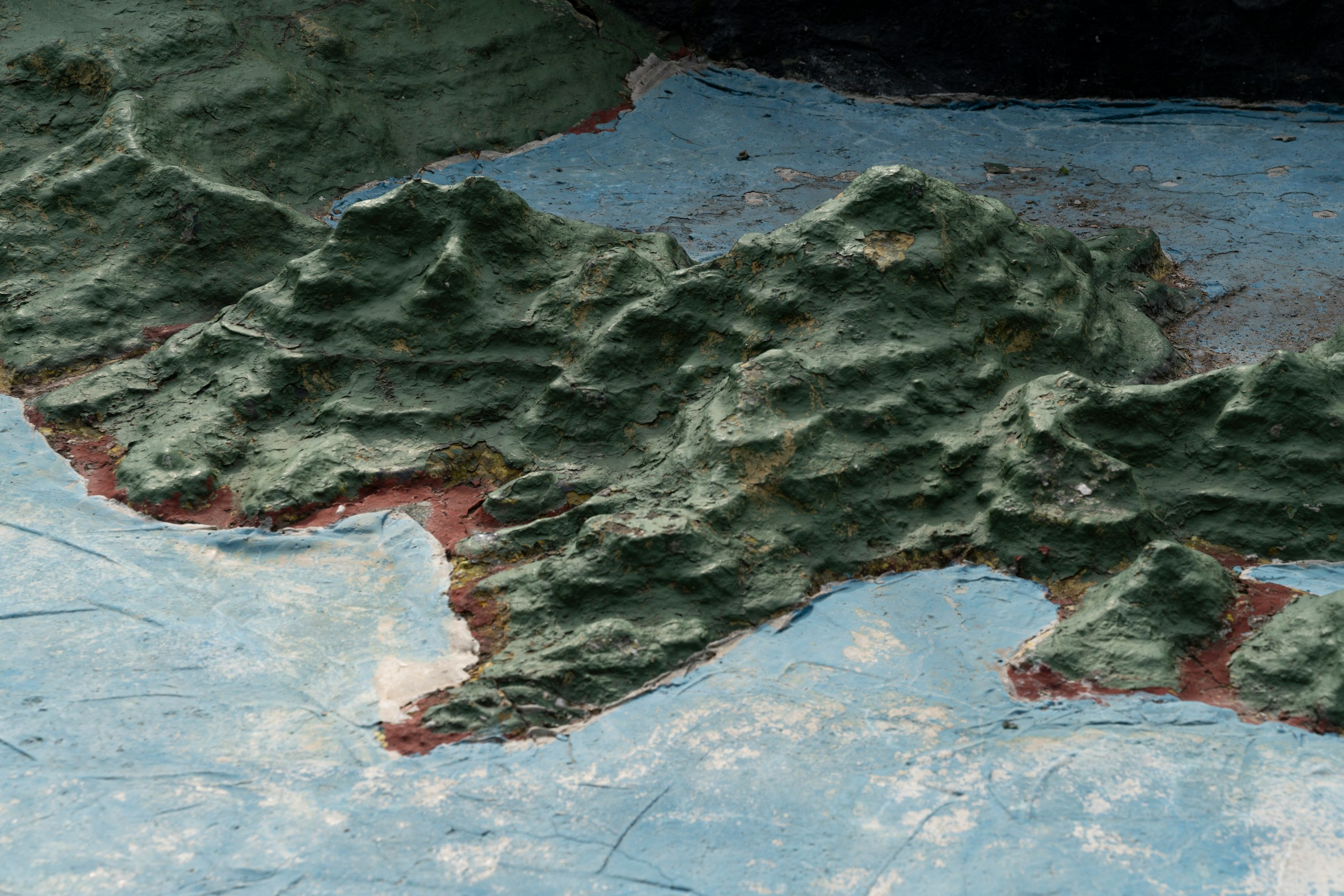
I also create because research can become too clean. A policy report must resolve its terms; an artwork can hold a contradiction open long enough for people to feel it. This does not mean I want the work to be solemn. Humor is one of my main sources of energy. The world is too absurd to be left entirely to policy experts, and cynicism is not as intelligent as it likes to appear. Making work lets me remain critical without becoming numb. It is a way to keep being surprised, including by the limits of my own position.
©︎ Chang-Ching “Casper” Su
Q5. Please share one of your favorite shots. We'd also love to hear the story behind it and why you chose it.
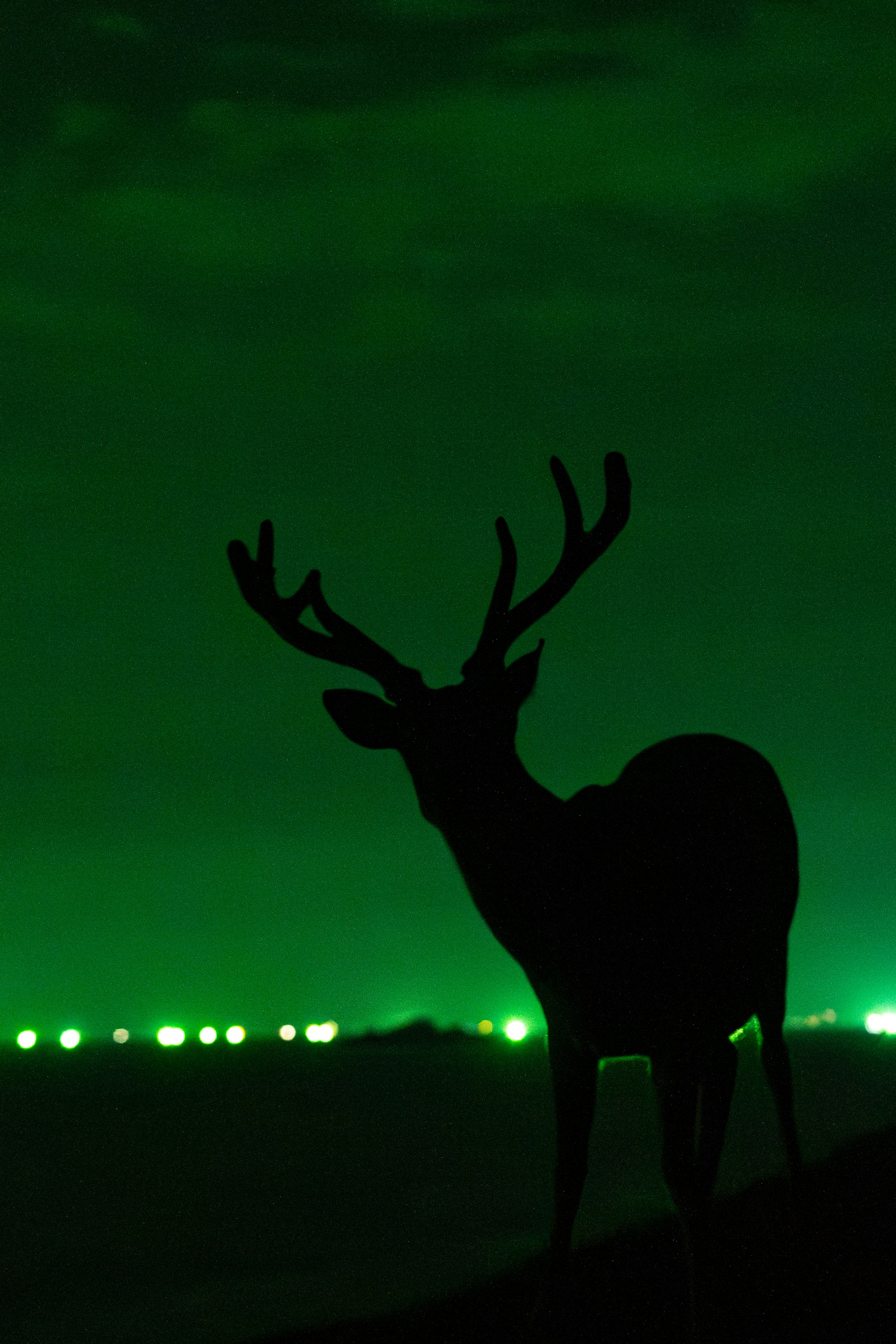
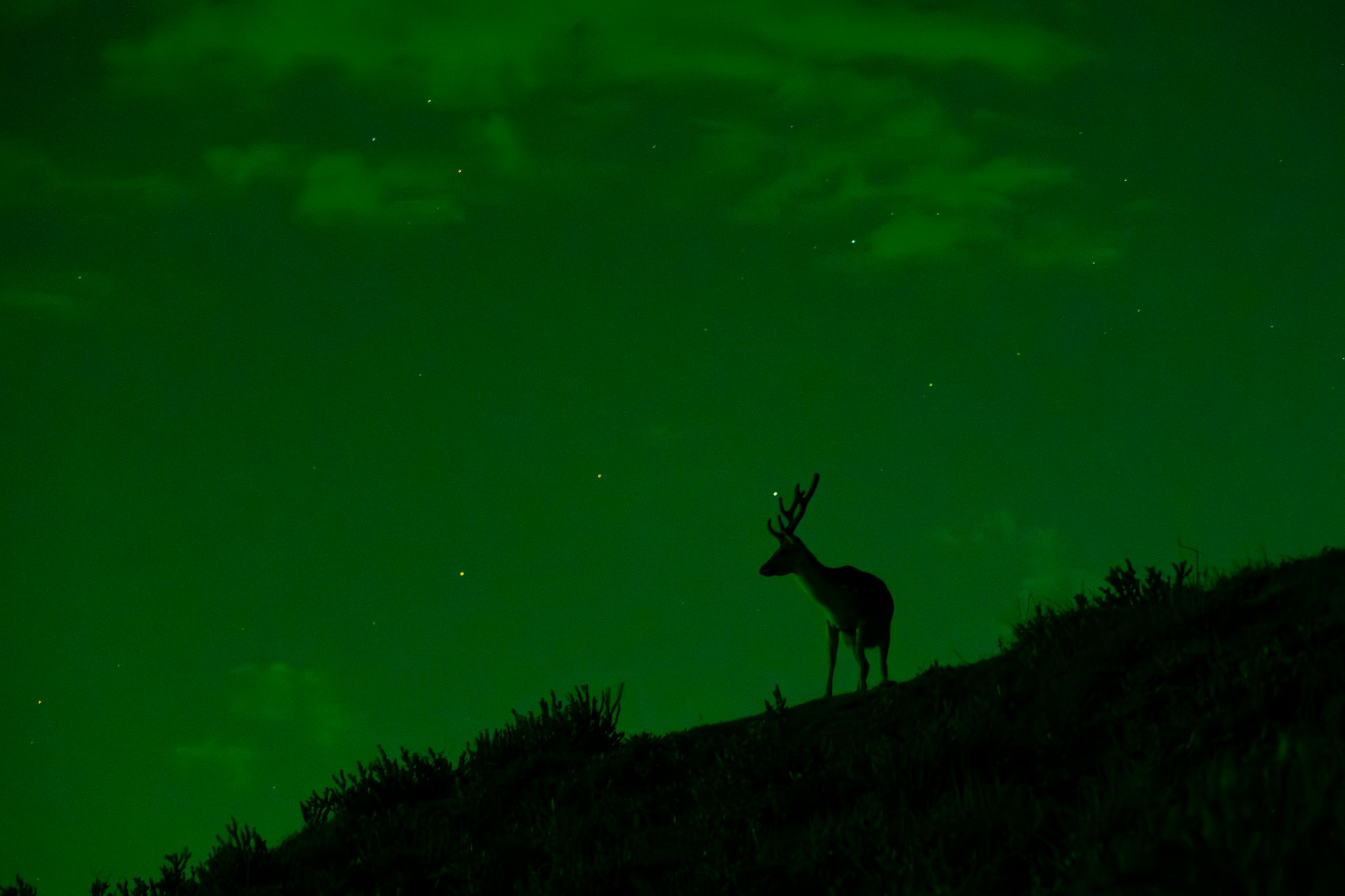
One photograph I keep returning to is In the Limelight, made on Daqiu Island in the Matsu archipelago. I had gone there to photograph the green light from squid-fishing boats across the water. The practical situation was less mystical than the image: I was standing in the dark, unsure whether the light would register at all. Then a sika deer stepped into it. The boats shifted, the light changed, and the animal gave me only a few frames.
It compresses the entire project into one encounter. The light crosses a politically charged sea without a passport, reaches an island, and lands on a nonhuman body. The photograph is beautiful, which makes me distrust it. I still cannot decide whether the deer looks like a witness, an actor, or simply an animal wondering why a nervous photographer is standing in the dark.
©︎ Chang-Ching “Casper” Su
Q6. In the age of AI, what do you think photography means?
AI has not killed photographic truth. It has killed our excuse for being lazy about it. Photographs were never neutral evidence; they have always been framed, captioned, selected, circulated, and trusted through institutions. AI simply makes that chain of decisions harder to ignore.
For me, photography matters now not because it automatically proves something happened, but because it can make a situated and accountable claim: this image came from this apparatus, in this place, under these conditions, for this purpose. Its value lies partly in that chain of custody.
©︎ Chang-Ching “Casper” Su
The question is no longer only "Is this real?" but also: Who produced it? What system circulated it? Who takes responsibility for it? Fiction can be powerful, and evidence can be manipulated. The danger begins when one is quietly presented as the other.
Q7. Within the American photography scene, what movements or communities feel significant to you?
I am interested in a quieter shift in American photography: a return to the sustained body of work. PhotoWork Foundation describes its field as post-documentary—work grounded in real-world engagement but honest about subjectivity, intimacy, and construction. Its fellowship model of mentorship, funding, and photobook development treats photographers less as content producers than as people who need time.
©︎ Chang-Ching “Casper” Su
I see a related energy at the Center for Creative Photography in Tucson. Its archives preserve not only finished prints but contact sheets, letters, notes, and other evidence of uncertainty, while its fellowships invite artists and scholars to read those materials critically and across disciplines.
One organization invests in what a body of work might become; the other keeps open the messy evidence of how earlier work was made.
Q8. Are there photographers or creative scenes from other countries that inspire or excite you?
I have never been very good at organizing my influences by country—or at behaving like the artists I admire. Wolfgang Tillmans was once my favorite, until I realized I am nowhere near that spontaneous. Then I fell for Hiroshi Sugimoto and discovered I am not nearly disciplined enough.
In documentary photography, I return to Matthew Connors; conceptually, to Taryn Simon; and for sheer audacity, to Trevor Paglen. They each make me want to become a slightly different artist, usually for about twenty minutes.
©︎ Chang-Ching “Casper” Su
If I am honest, what I envy most is the lightness of Rodney Graham: the ability to make something conceptually precise, absurd, and generous without forcing the audience to carry the entire weight of the research. I spend years following fishing fleets, borders, and environmental damage. Someday, I would like to make a work that simply walks into the room, tells a joke, and stays.
Q9. Tell us about something you would dedicate your life to pursuing.
I could dedicate my life to pursuing the right to darkness. Darkness is often described as emptiness, danger, or an obstacle to progress. I see it differently. It is a habitat, a public resource, and sometimes a political shelter. It allows animals to migrate, people to rest, stars to remain visible, and places to exist without being permanently exposed.
My work began with artificial light, but it has gradually become a defense of opacity: the right not to be illuminated, identified, optimized, or turned into content. This is not a nostalgic wish to switch off modern life. It is a question about how much visibility a living world can survive.
"The darkness is the key, but humans locked it up" began as a line in one project. I suspect I may spend the rest of my life trying to understand it.
Q10. What message would you like to share with creators around the world, from where you stand today?
Take your ridiculous questions seriously. The question that sounds too small, too strange, or slightly embarrassing may be the only one that is entirely yours. Technique can be learned, and style can be copied surprisingly quickly. A sustained way of paying attention is harder to replace.
Stay with the problem longer than the image. Let fieldwork complicate your politics, let other people change the project, and if the work starts looking too correct, allow reality to ruin it. Creation should not simply confirm what you already know.
We are all working inside unstable systems, and certainty is seductive. Curiosity is slower, less impressive, and more durable. The world is usually stranger than the proposal. Give it time to answer back.