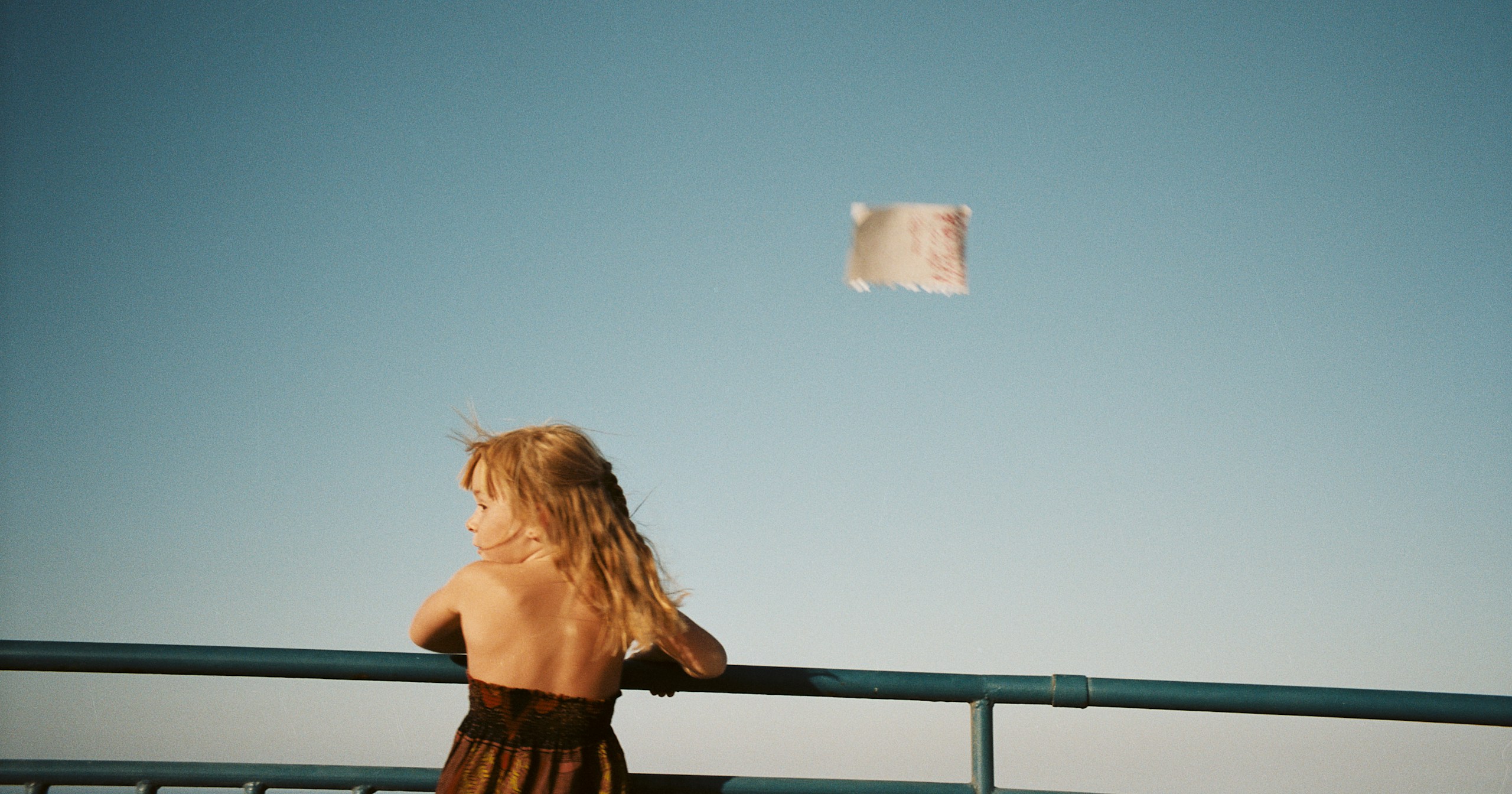
Through interviews with individuals who pursue photographic expression through unique perspectives, we explore the origins of their creative practice, their philosophies, and their artistic processes, delivering new inspiration to photographers and photo media around the world.
In this issue, we speak with a France-based artist-photographer 〈Julien Magre〉. We explore their creative beginnings, the ideas and perspectives they hold dear, and how their approach to image-making offers valuable insights into contemporary photographic culture. Preserving these thoughts and experiences in writing today may help support and enrich the future of photography.
Through these “10 Questions,” we take a closer look at the process behind how their work comes into being.
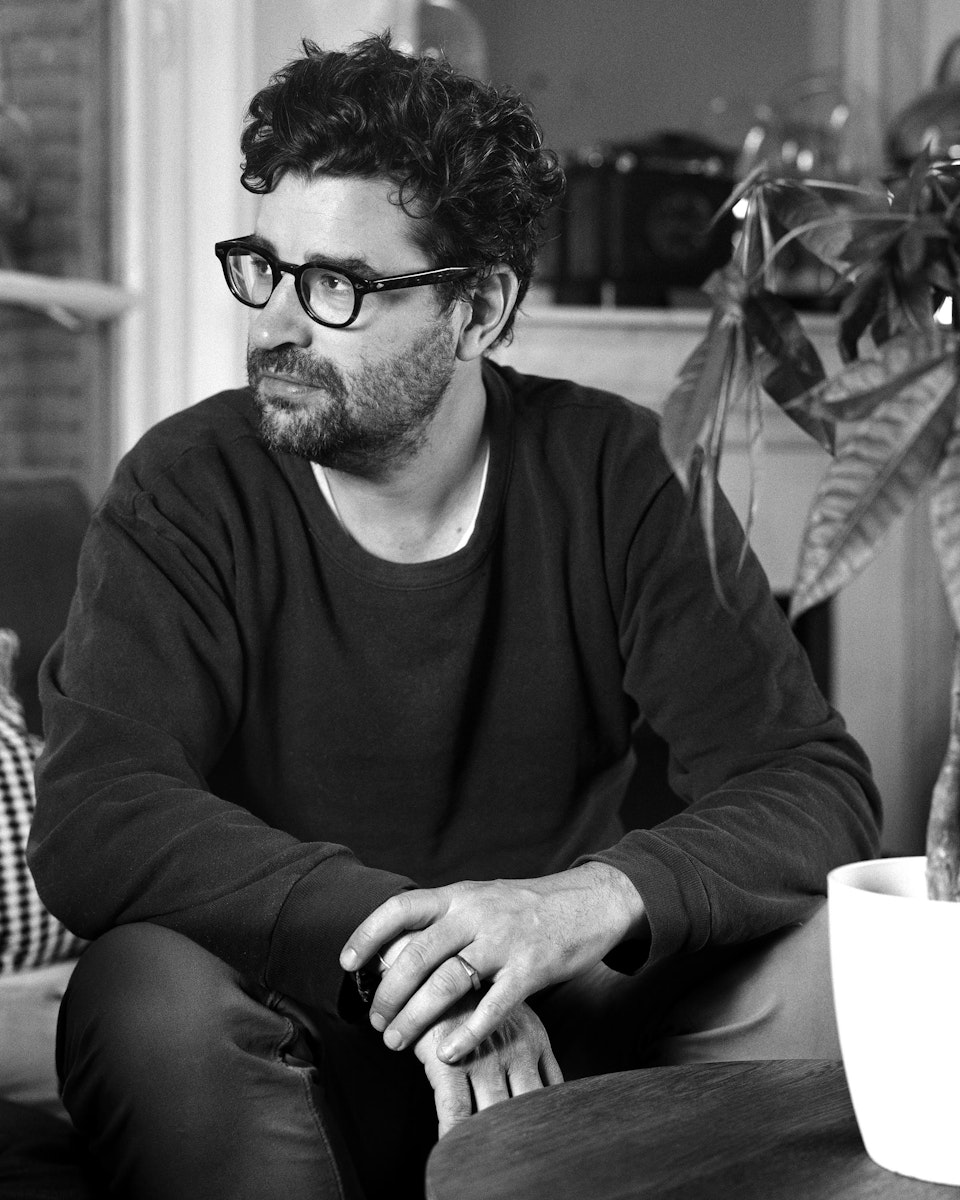
Julien Magre
They graduated top of their class from the École Nationale Supérieure des Arts Décoratifs (ENSAD) in Paris in 2000. From 2017 to 2025, they were represented by the gallery “Le Réverbère.” In 2022, they received the Prix Niépce, one of France’s most prestigious photography awards. Their work is available at julienmagre.fr.
Instagram : @julien__magre
Q1. Tell us about the origins of your photography and your current activities.
I started photography around 1995. I originally studied graphic design, and then learned photography at the École des Arts Décoratifs in Paris.
Today, I work as an artist-photographer. In addition to exhibiting my work, I have published more than ten monographs. In 2022, I received the Prix Niépce.
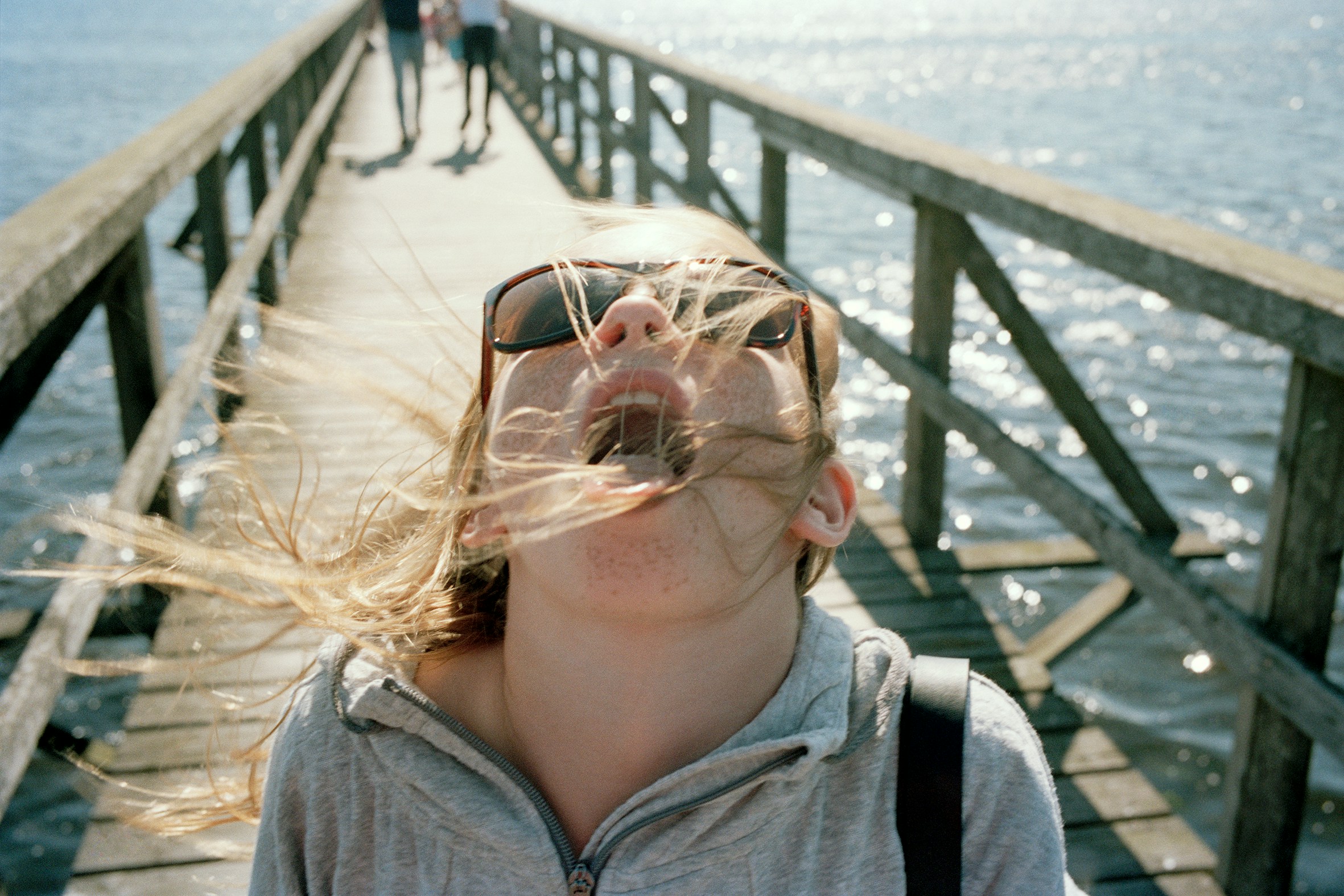
©︎ Julien Magre
Q2. What are the most important elements or themes in your work?
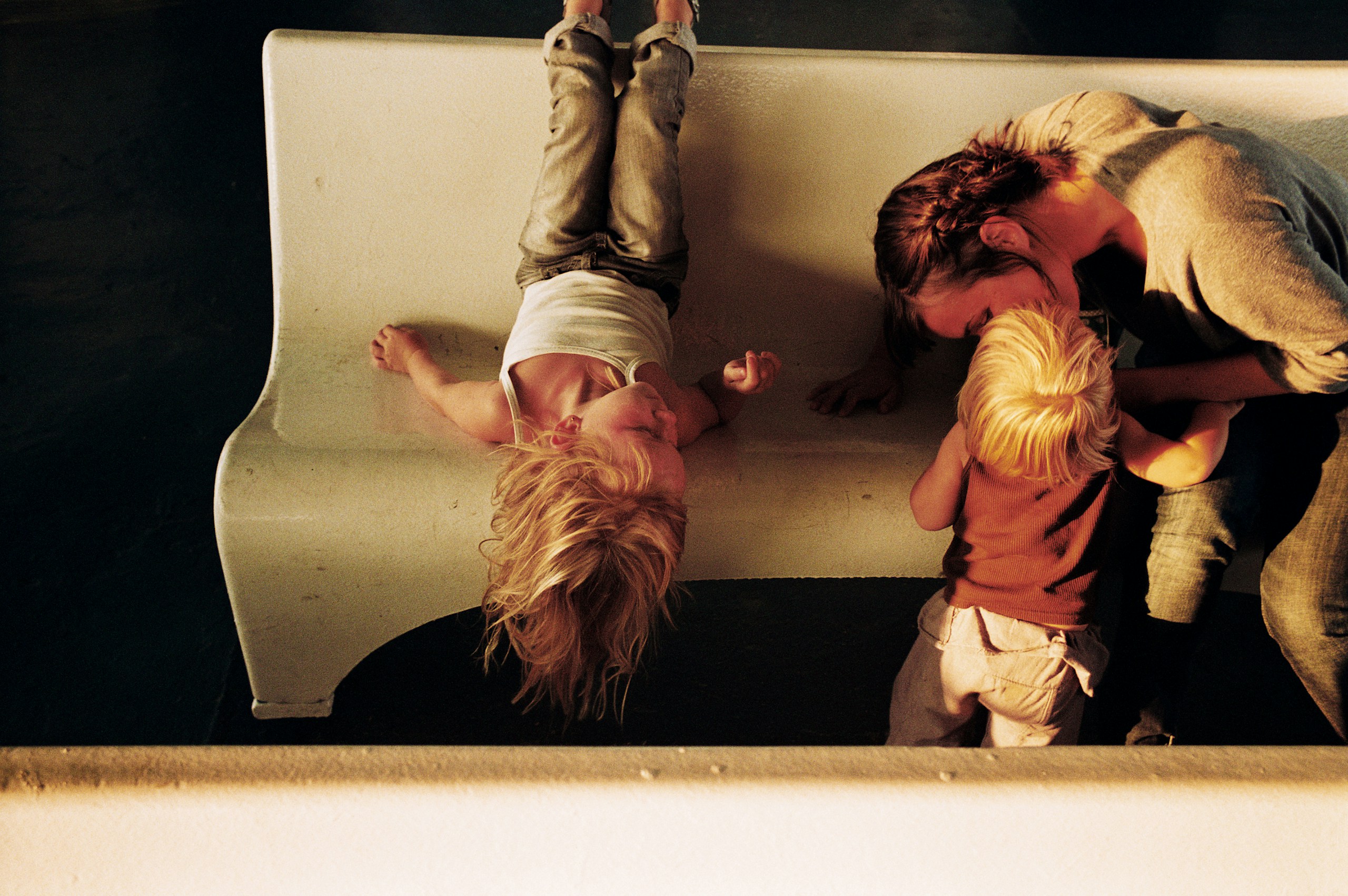
I work around the theme of family. For over 25 years I have photographed my children—Louise, Suzanne, and Paul—and their mother, Caroline.
©︎ Julien Magre
I continue this exploration of intimacy, and today I would say I also work with the idea of “territory,” whether large or small. For example, I made a project in Chile’s Atacama Desert with researcher Matthieu Gounelle and painter Alexandra Roussopoulos.
Q3. How do your works come to life? We’d love to know what goes on behind the creative process — intuition, chance encounters, on-the-spot decisions.
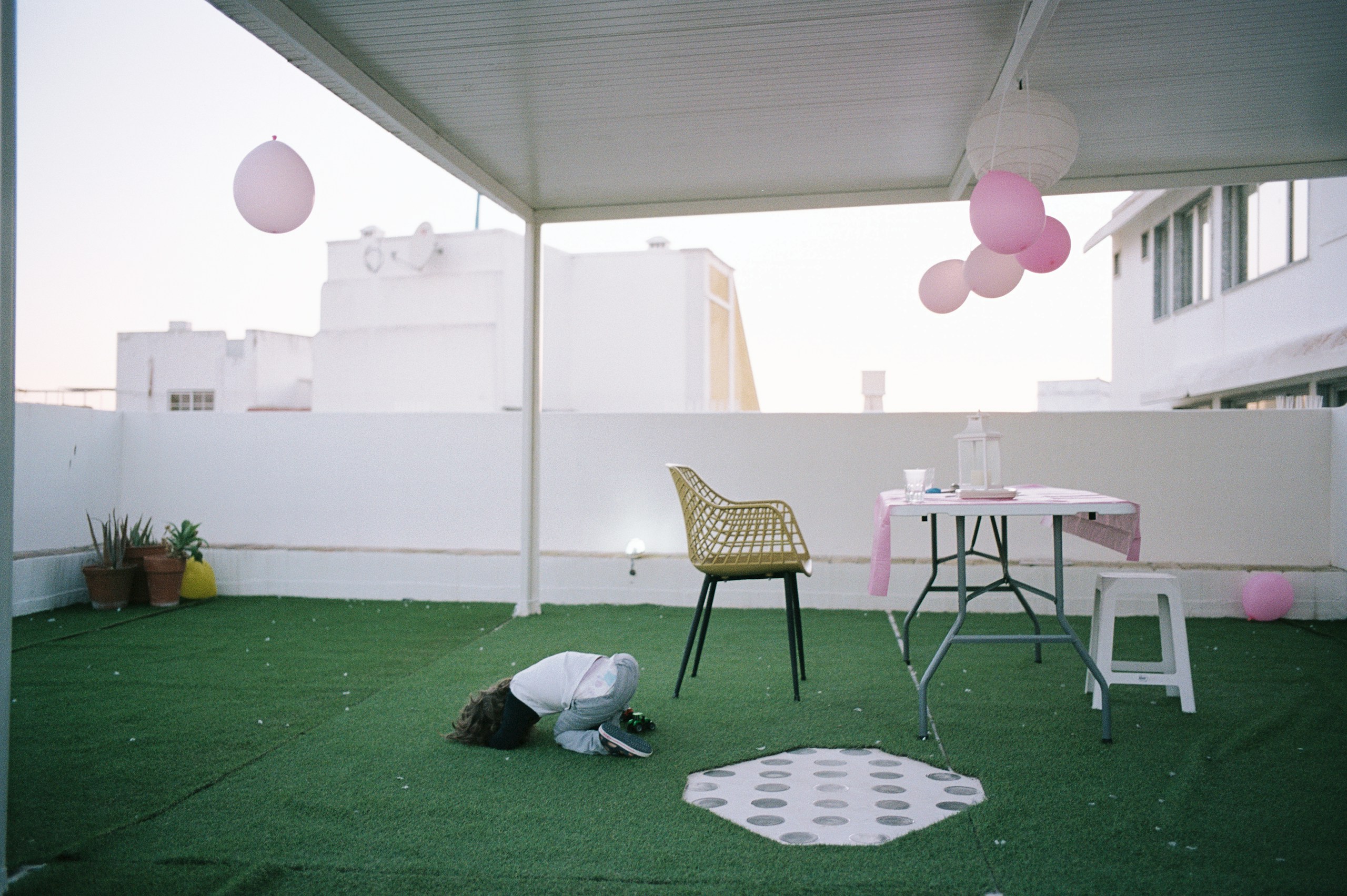
In most cases, I photograph only my close surroundings—people and places I know well. I shoot on film, using the same camera body and lens for 25 years. It’s a radical choice, and also a way of looking at the world with the same gaze and the same precision. I photograph instinctively, without premeditation, prioritizing pleasure.
©︎ Julien Magre
Q4. What drives you to keep creating?
My work is always rooted in reality—there is no staging. The reality I love so deeply is inexhaustible: it constantly surprises me and gives me endless inspiration.
For me, photography is an ally, like a best friend. There isn’t a single reason for me to stop creating.
Q5. Please share one of your favorite shots. We’d also love to hear the story behind it and why you chose it.
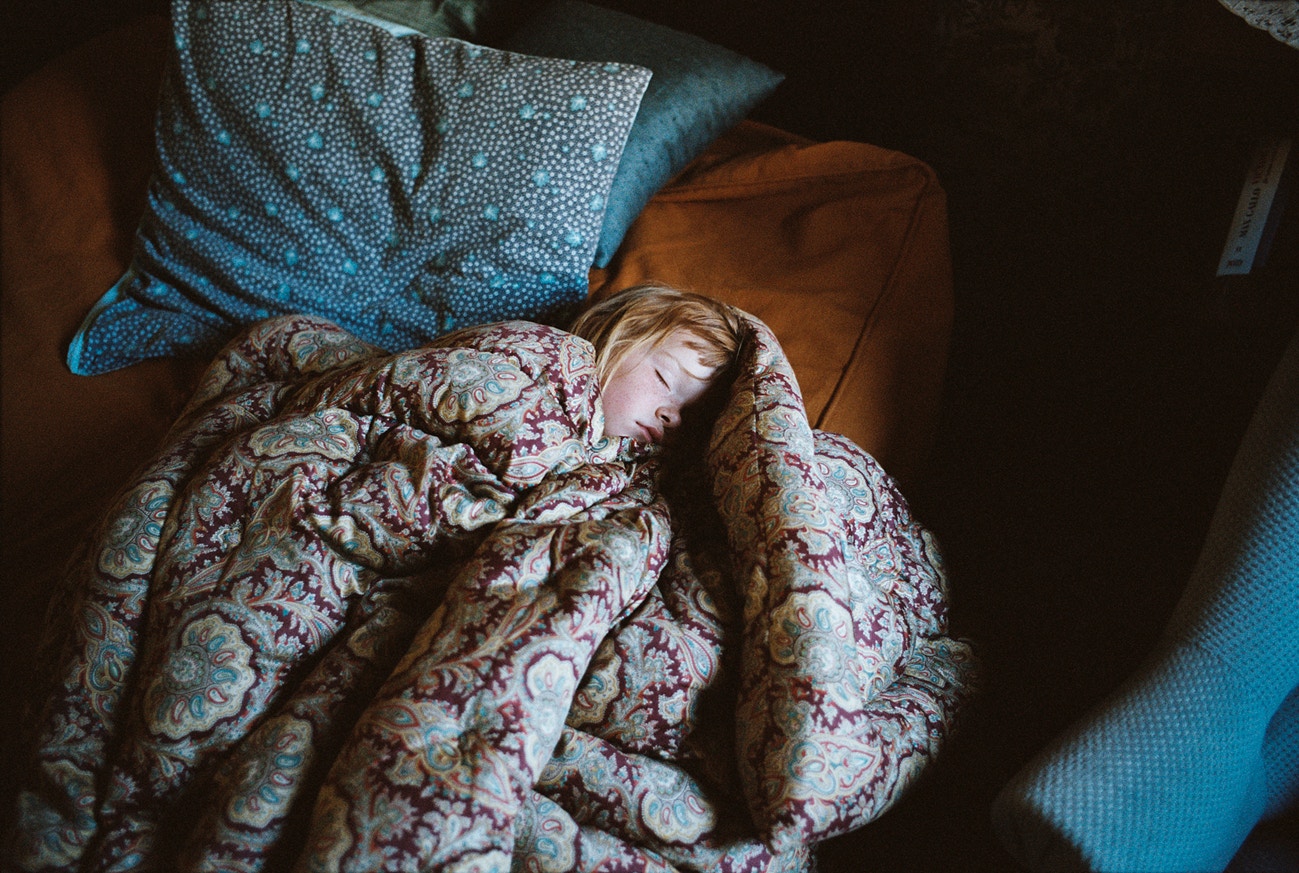
It’s my daughter Louise taking a nap in my family home. I don’t remember the exact date — it must have been around 2010.
It’s a gentle photograph with magnificent light, both soft and mystical.
©︎ Julien Magre
For me, this image embodies a sense of fullness and tenderness, yet the darkness in the back — like an abyss opening in the second layer of the scene, a bottomless space — adds a subtle mystery and unease. I was drawn to how these opposing feelings coexist, and that’s why I chose it as one of my favorites.
Q6. In the age of AI, what do you think photography means?
At first glance, AI feels like a threat to me — it is not an ally. I believe deeply in photography: in its humanity and its fragility.
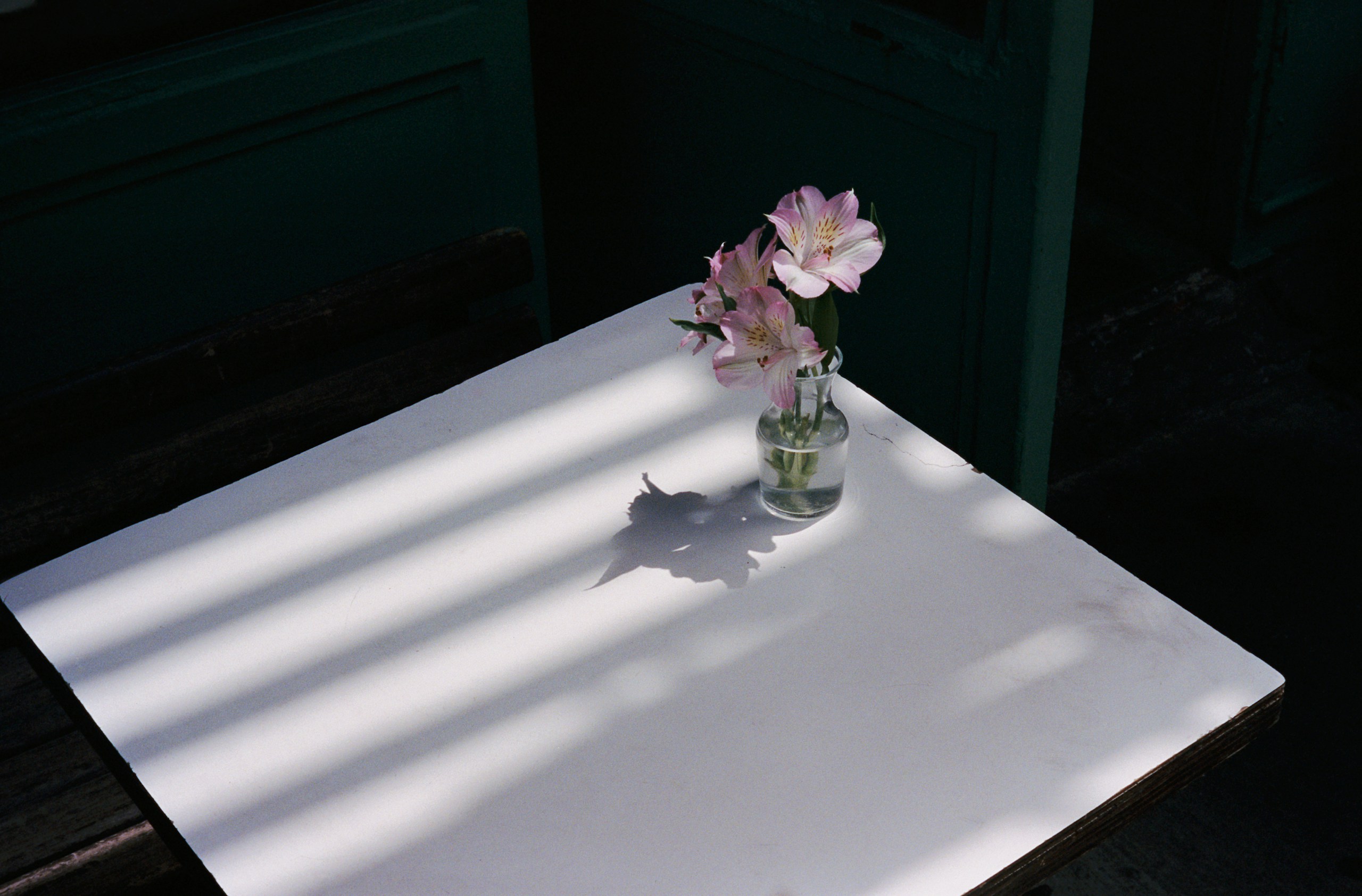
Photography has a powerful ability to speak about the world through truth, physical presence, sensitivity, and poetry. That is why I want to fight with everything I have, and continue to believe in photography — and in the living.
©︎ Julien Magre
Q7. Within the France scene, what movements or communities do you feel are particularly significant?
For example, I really love the photographers Dolorès Marat and Antoine d’Agata. Their styles and approaches are quite contrasting, but I’m drawn to the strength of each of their voices. In particular, d’Agata’s work carries a sense of violence and urgency that can be deeply moving.
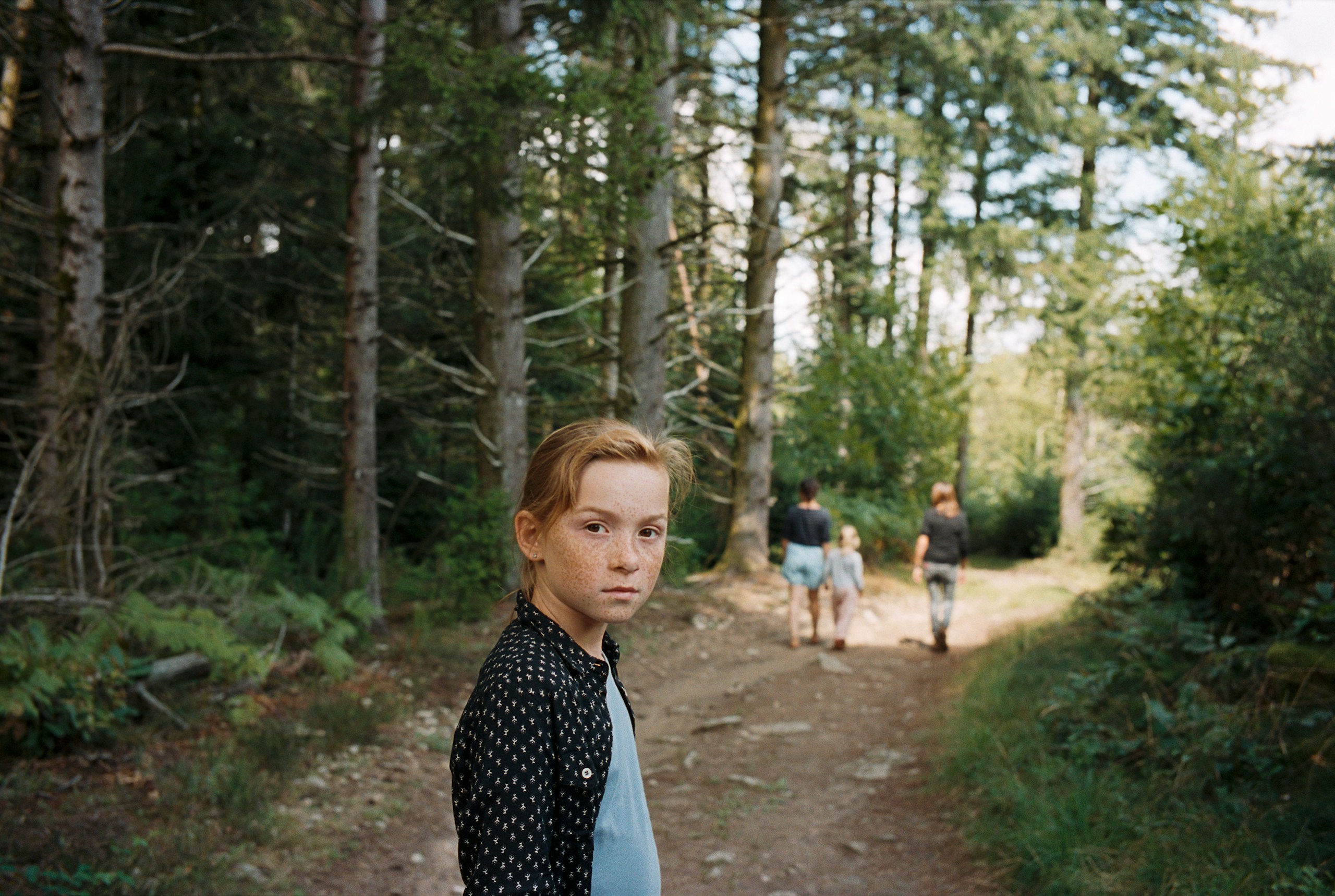
©︎ Julien Magre
Q8. Are there photographers or creative scenes from other countries that inspire or excite you?
I’m very drawn to certain American photographers who worked on everyday life and family—of course Nan Goldin, William Eggleston, Jim Goldberg, Emmet Gowin, and Robert Frank (who is Swiss-born, as you might point out).
Q9. Tell us about something you would dedicate your life to pursuing.
Life itself — and love.
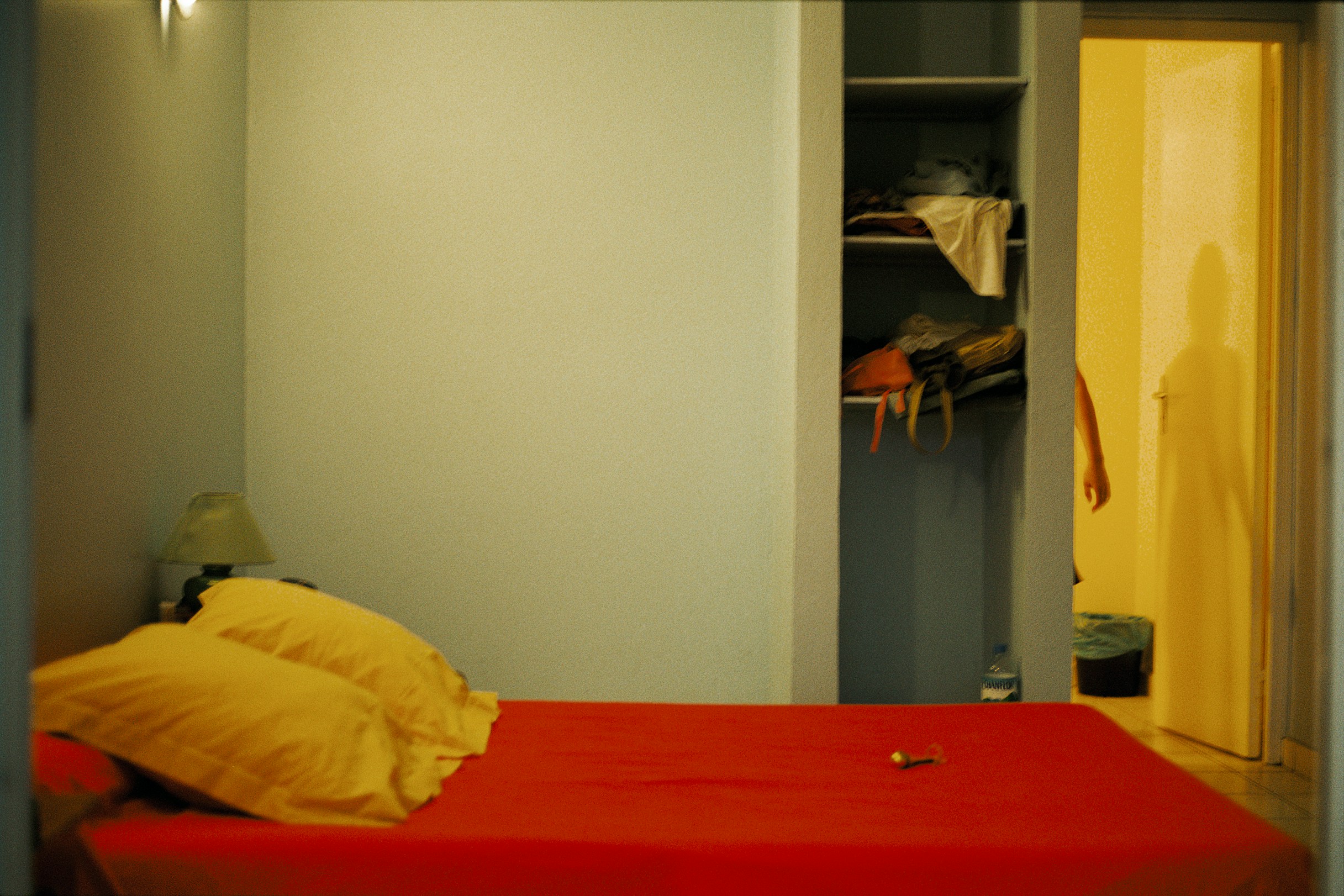
©︎ Julien Magre
Q10. What message would you like to share with creators around the world, from where you stand today?
Let’s continue creating, continue documenting the world, continue fighting with our humble weapons. And I would like to thank the great artists of this world who make it more beautiful, more intense.
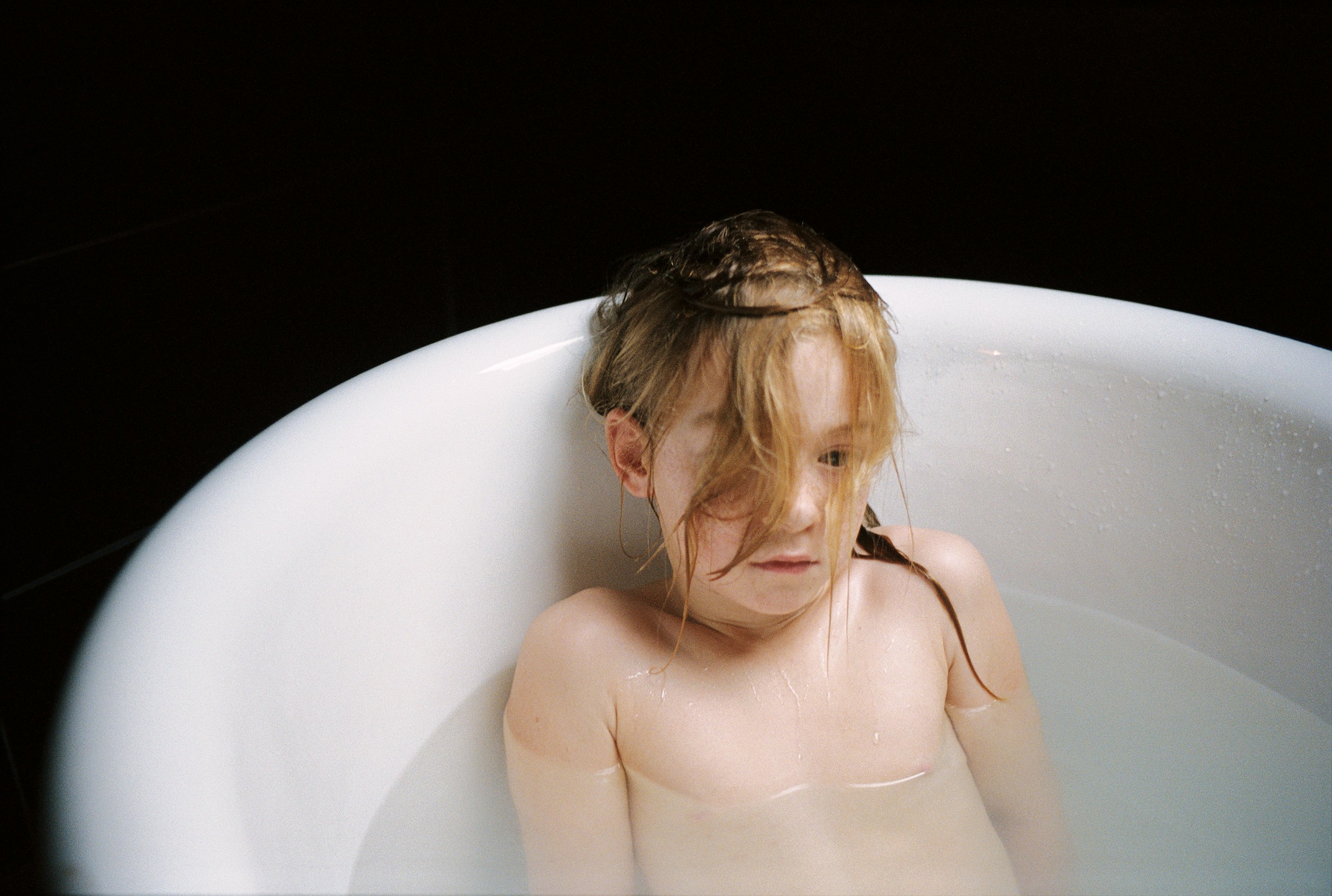
©︎ Julien Magre
I believe in the power of Art — once again, it is a humble fight, but a necessary one. It allows us to believe, to envision, to dream of a better world.