The photo poster project, organized by cizucu and held in cities around the world, is an exhibition where you can participate simply by choosing a city and date.
What we call the ppp is more than just a photography exhibition. It is a community where anyone can safely share their own stories, and a unique opportunity to connect with creators globally in the real world.
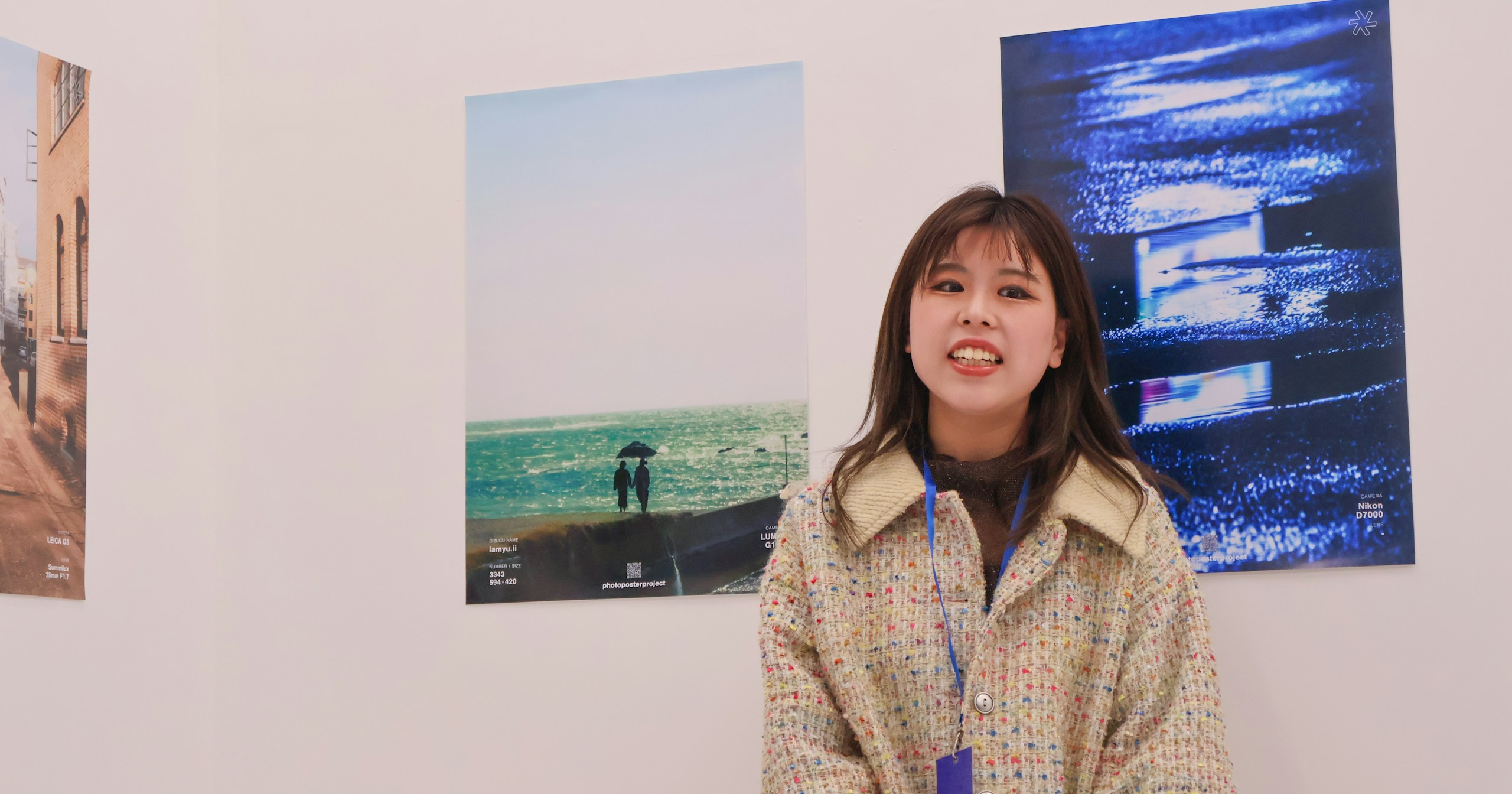
This time, we spoke with creator Yu Nakamura, who participated in the photo poster project.
Please introduce yourself!
My name is Yu Nakamura. This April marked my second year as a working professional. During my university days, I was involved in producing and selling magazines for high school and university students.
I have always been interested in cameras, but somewhere along the way, I kept my distance, thinking it might be too difficult for me or that I might not be suited for it. However, after starting my career, I wanted to face the things I love and the things I had once given up on trying, so I began photography.
What inspired you to participate?
Previously, I attended a special edition of CP+ held in Yokohama. At that time, there was no opportunity for a gallery talk, so I couldn't share my thoughts about my photographs in my own words, nor could I hear others express theirs.
That’s why this time, I was drawn to the chance to directly communicate about photography through words, which led me to participate.
How was your experience participating?
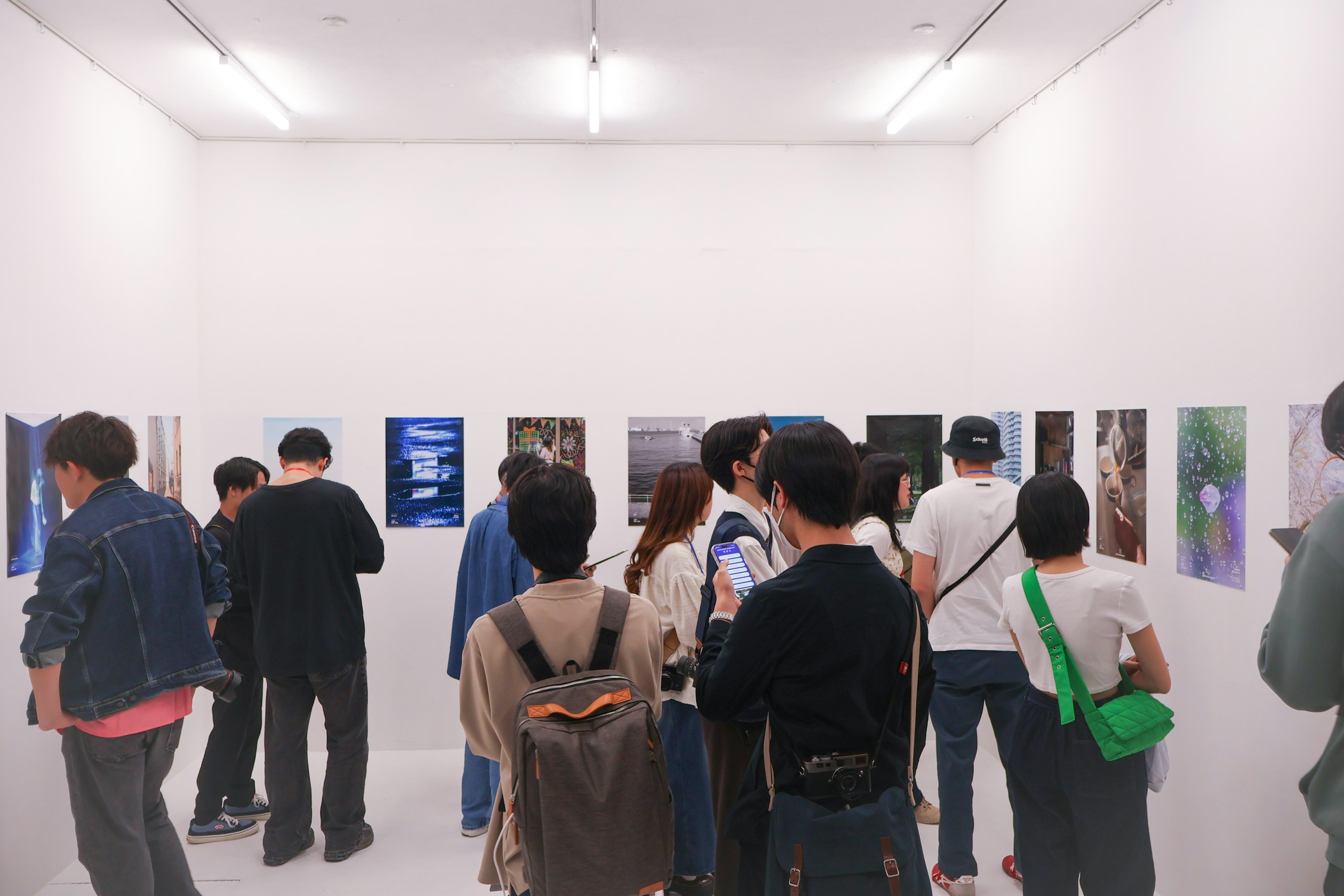
When I saw my photographs printed and displayed in the exhibition space, I felt a strange sensation. Unlike viewing them on my smartphone, they appeared somehow different, transformed.
What left the strongest impression was the moment when someone paused to carefully look at my work. A single image that might just pass by on a screen seemed to "linger" in the context of the exhibition, which felt refreshing and new to me.
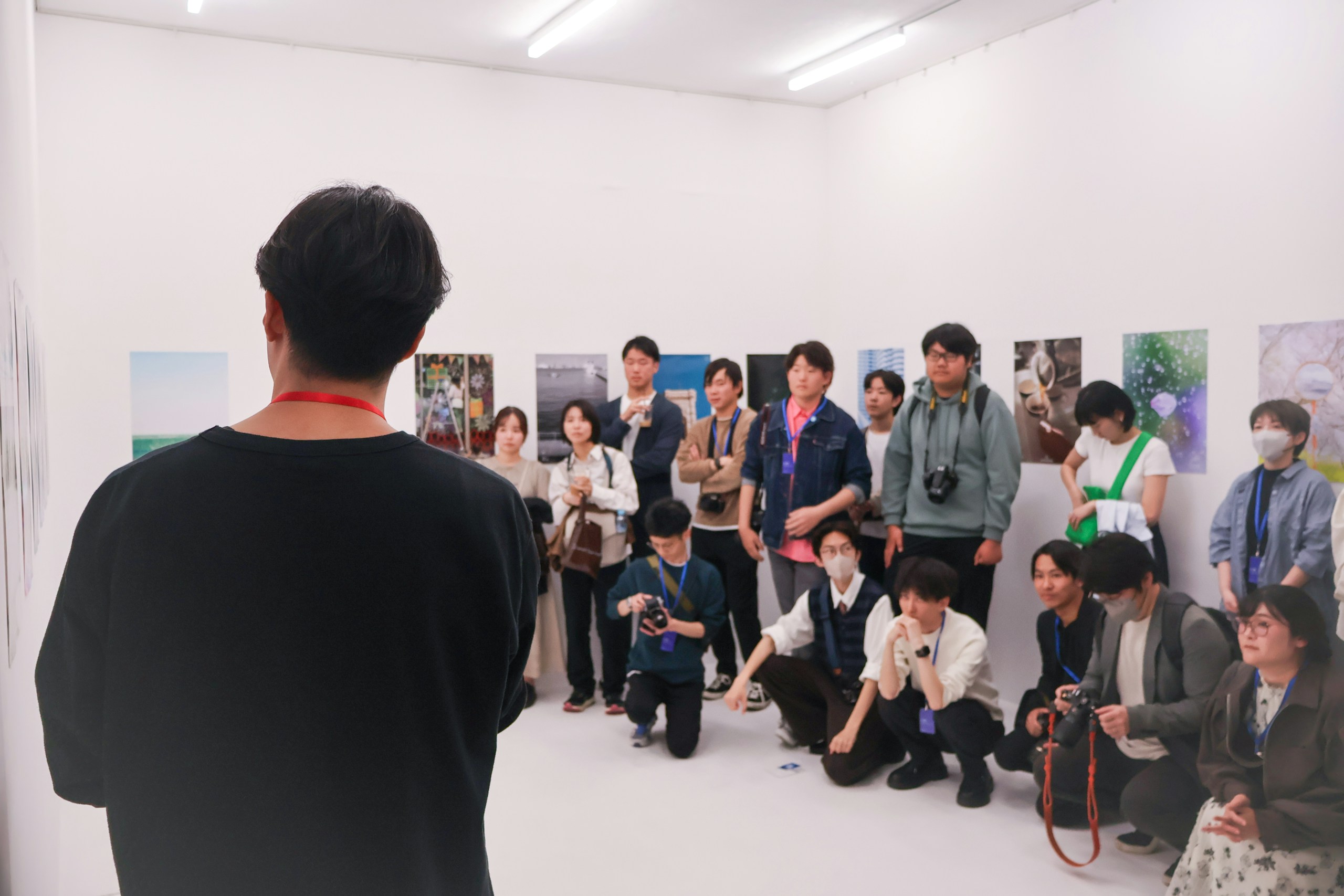
During the gallery talk, even though the time was short, I had the opportunity to articulate and share my thoughts about my photographs. I had rarely explained my work to others before, so I was delighted to have people listen directly.
At the same time, listening to other exhibitors' gallery talks, I was surprised by how the same scenery could be perceived so differently by each person. Learning about the backgrounds and perspectives that you can't grasp just by looking at the photographs allowed me to glimpse the worlds they see.
There are things you only realize when you put them into words, and there are also feelings that words cannot fully capture—both left a strong impression on me. It was a time when I could experience both the connection between photographs and people.
Why did you choose that particular photograph?
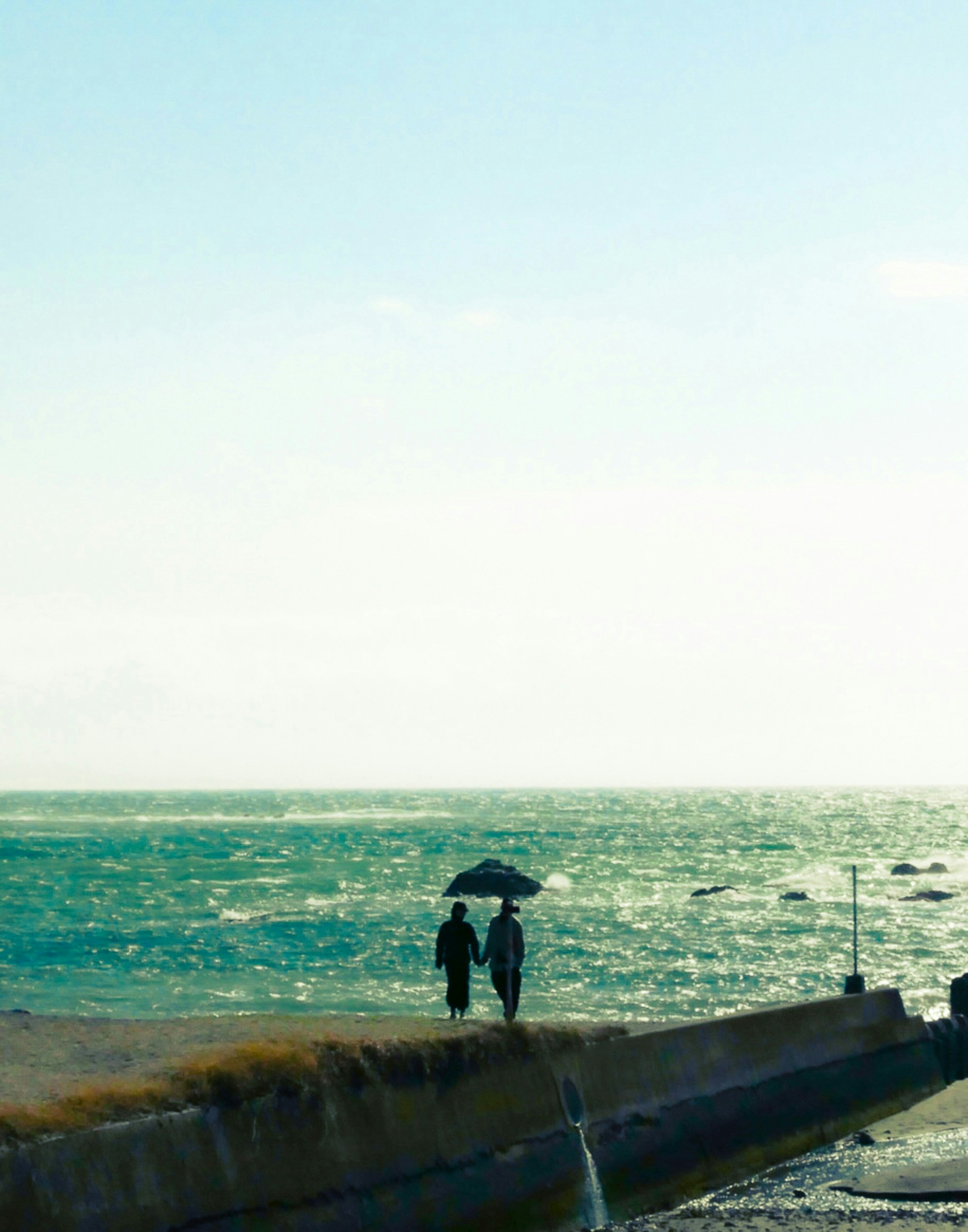
This image was taken around Isshiki Beach.
As I wandered aimlessly from Zushi Station, I realized five hours had passed. Along the way, I saw people out for a walk, others simply gazing at the sea—each immersed in their own daily rhythms.
For me, it was a small journey that took about three hours from home. But for those who live there, the sea is not a travel destination but part of their everyday life. The way these different experiences of time overlapped left a strong impression on me.
I often pick up my camera when I want to capture a fleeting moment or when my mind feels a bit cluttered. Immersing myself in shooting, or even after I finish, I sometimes feel a little more at ease.
During the time spent interacting with others, I also found it memorable that I discovered common ground with other exhibitors when discussing "when do you take photographs?"
To those considering participating in the photo poster project
I gained many insights that I could never have had just by taking photographs on my own.
Putting your own perspective into words, and learning about the worlds others see through both photographs and words—in that exchange, I felt my own worldview expand.
One of the charms of ppp is that, free from the pressure of likes or impressions on social media, you can engage with the photographs themselves and discuss them sincerely.
For those who are hesitant, it's okay even if your work isn’t "finished." By putting your work out there, even just once, you might find your perspective shifts.
It was an experience that made me want to participate again in the future.
