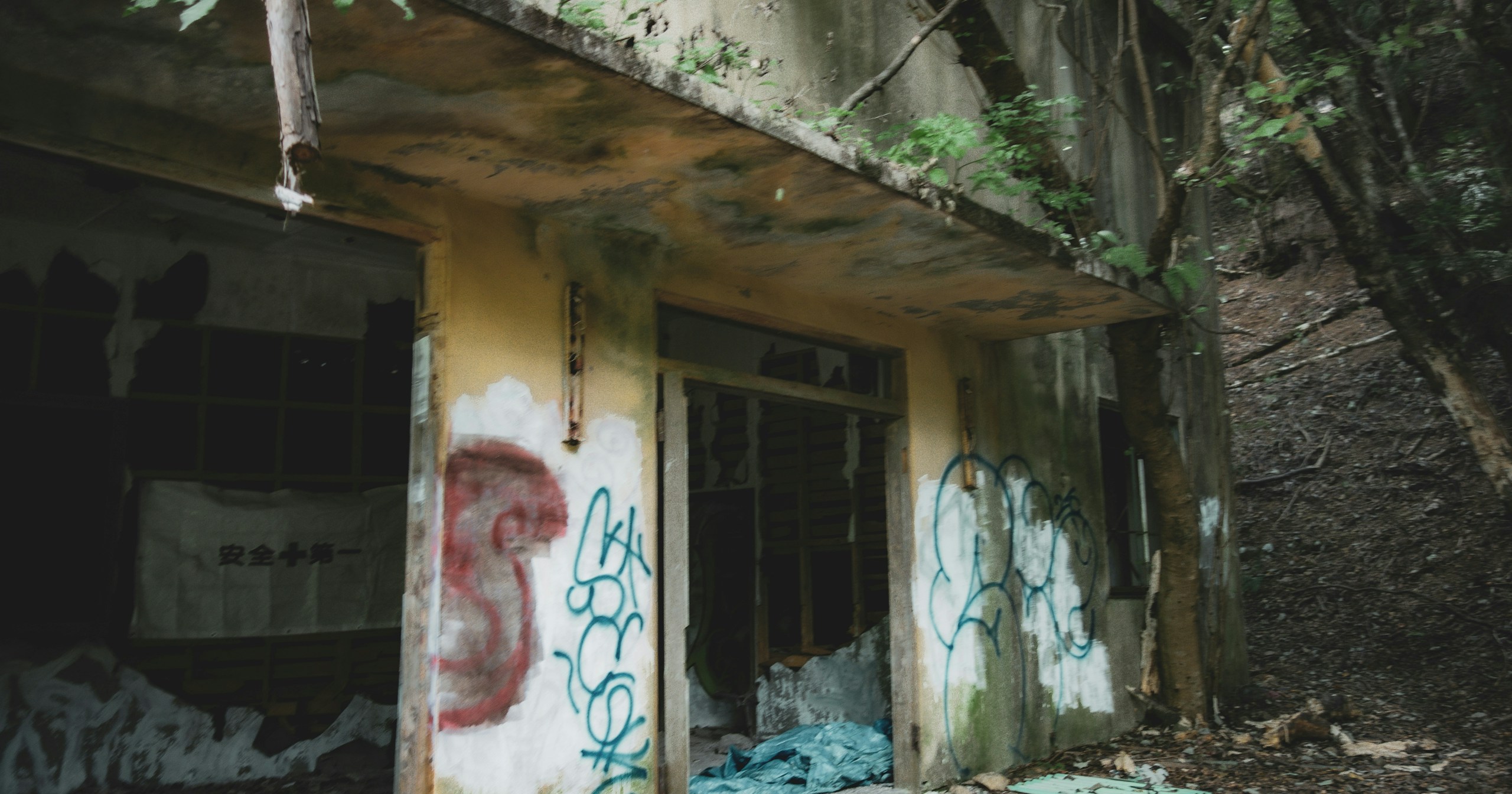
This time, we asked cizucu creator umai_gohan, whose work captures cultures and identities from around the world, to share their recommended photographic locations in Okutama, Tokyo.
Okutama unfolds beyond winding mountain ridges, revealing landscapes that make you question, “Is this really still Tokyo?” Here, the memory of rapid economic growth and today’s tranquility coexist seamlessly.
In Okutama, where this ‘dislocation of time’ is palpable, the locations selected by umai_gohan are all places where you can sense the contours of time lingering in the land.
What made you choose the Okutama area?
Okutama, stretching across the western edge of Tokyo, now feels somewhat removed from the vibrancy and brightness typically associated with the term ‘tourist destination.’ During the period of rapid economic growth, it was bustling as a leisure hub, but as times changed and the ways people travel and spend their time evolved, many of the facilities and landscapes that once supported that energy have quietly faded into the background.
I was drawn to this area by a desire to witness the ‘memories’ of these abandoned landscapes. Driving from the city center, weaving through the mountain ridges for about an hour, you feel the air grow clearer and the sense of depth in your view expand with every curve.
The continuous winding roads and scenery that make you wonder, “Is this really still Tokyo?”—where the present quietude and echoes of past liveliness overlap along the same path—are what I find most captivating about Okutama.
1. Weathered Structures
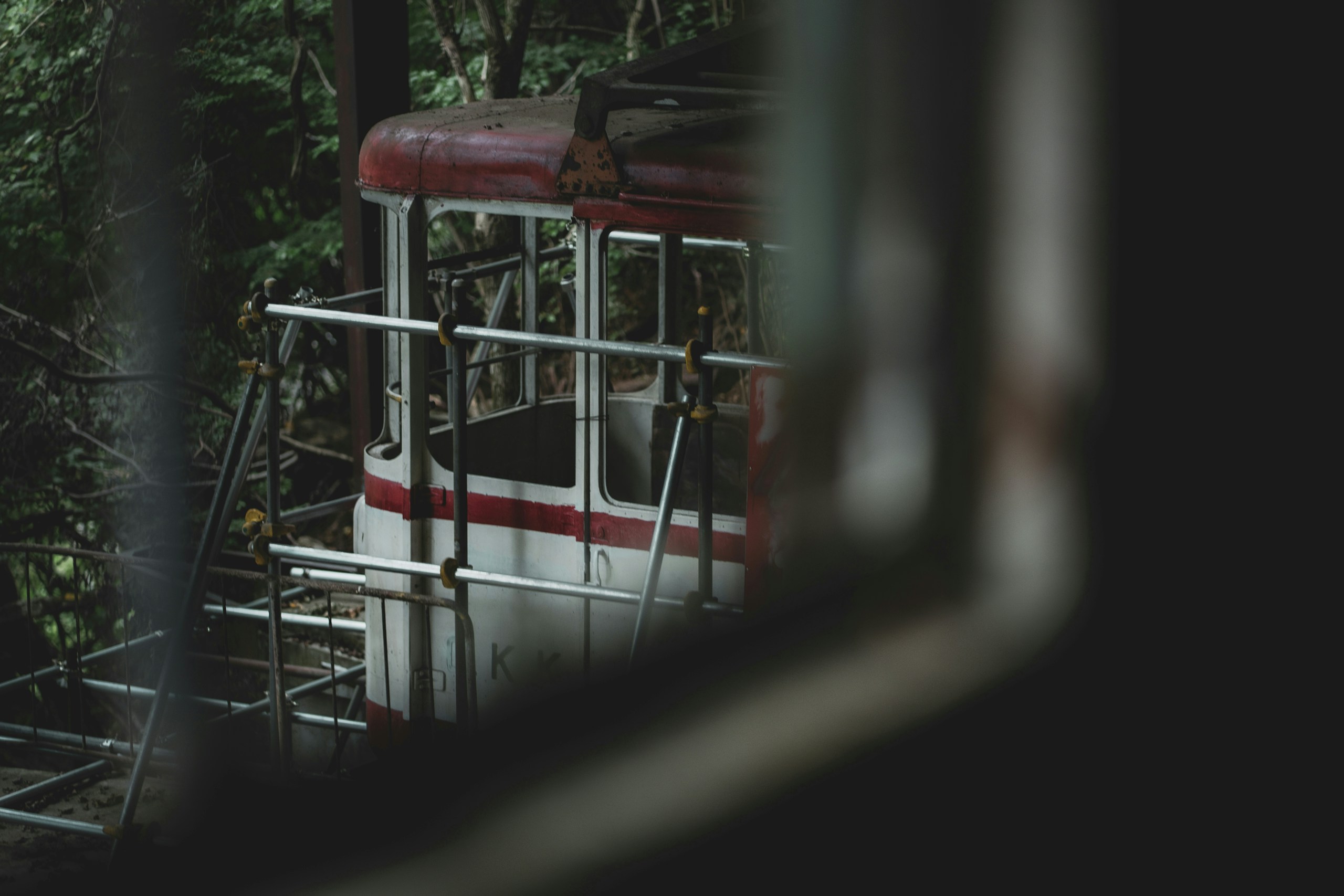
Photo by umai_gohan
Overlooking Lake Okutama from between the mountains are remnants of the area’s once vibrant past. These now motionless structures seem less like they have fulfilled their purpose and more as if they have been left suspended in time.
Even though they have lost their function as machines, their continued presence itself becomes a part of the site’s narrative. Gazing up at the quiet, cold station building while imagining the footsteps and presence of people from the past, I felt the contours of time emerge from within the landscape.
Photographic Approach
Rather than isolating the architecture, I aimed to capture the ‘distance’ between the fresh greenery and surrounding structures within the frame. Instead of focusing tightly on a single subject, I intentionally stepped back to find a balance where the man-made elements appear abandoned within nature.
By leaving negative space at the edges of the frame and including the expanse of greenery and sky, I sought to convey the sense of stillness and the chill in the air. I also looked for points where the straight lines of artificial structures intersect with the organic lines of the surroundings, creating compositions that visually express the dissonance of time.
2. Traces of Development
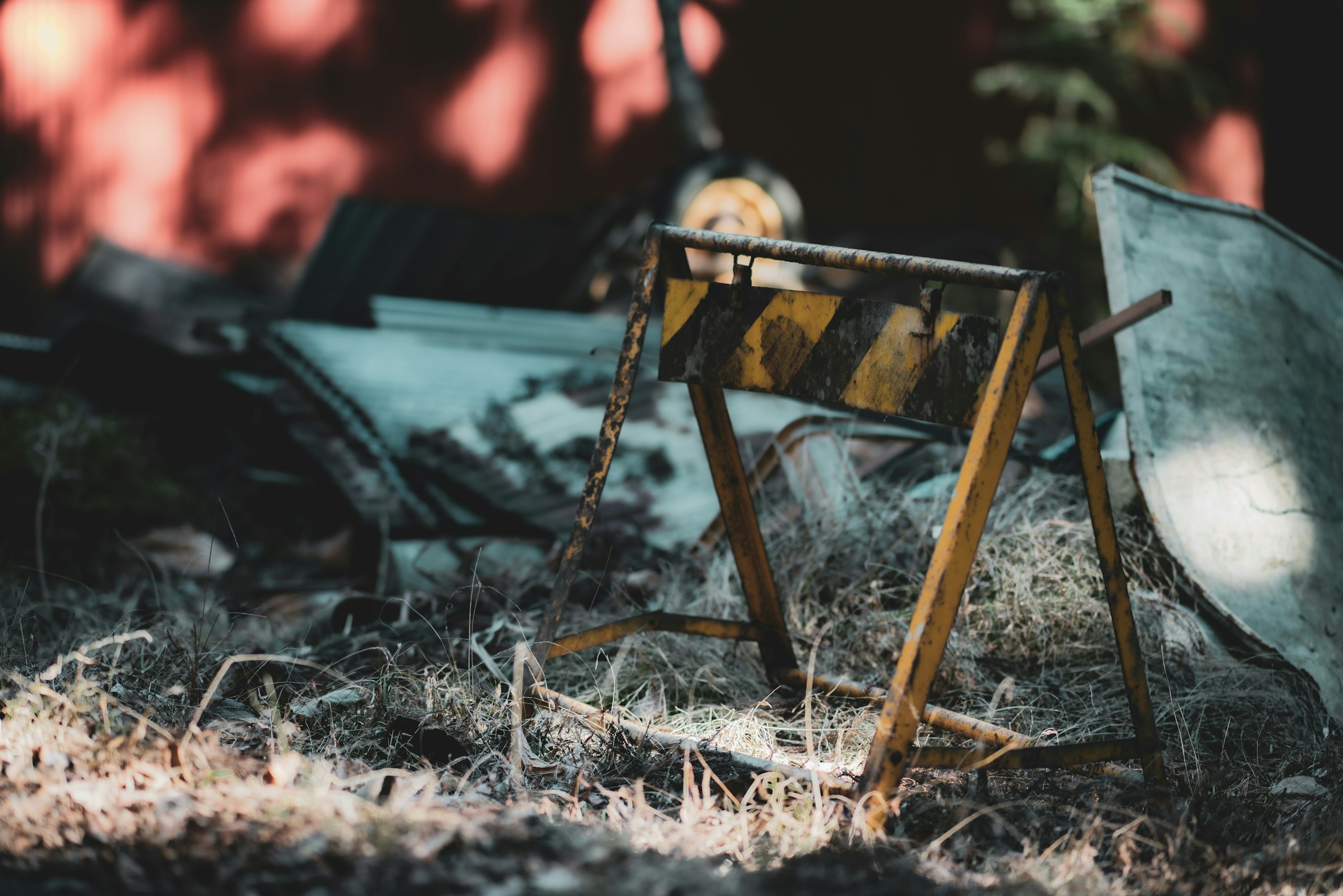
Photo by umai_gohan
With the construction of Lake Okutama, this area was once home to vibrant communities. The remaining buildings and structures, which once supported daily life, have outlived their purpose, leaving only traces quietly blending into the mountains.
What lies before you is less a ‘relic of the past’ and more a landscape where time has been interrupted. The sense of distance between the buildings, mountains, and sky felt unusually vivid, perhaps because that rupture was made tangible through the light and air.
Photographic Approach
To convey the surrounding stillness and the density of the air, I composed the images to include not only the buildings but also the ridgelines of the mountains and the openness of the sky in the background.
Rather than exaggerating a sense of ‘ruin,’ I wanted to retain the atmosphere of these structures as an ordinary part of the landscape, still naturally present today.
3. Scattered Memories

Photo by umai_gohan
Traces of what were once everyday roads and small access points leading into the mountains still remain throughout the area. These fragments, so subtle you might miss them while driving by, are scattered like shards of memory.
This shoot was less about heading straight for a single destination and more about pausing to respond to these scattered presences, collecting them along the way.
It may seem as if nothing is happening, yet the very absence of events becomes a part of the information of this place.
Photographic Approach
Rather than ‘seeking out’ famous spots, I stopped wherever I sensed something unusual along the way, adjusting my viewpoint and position as I photographed.
It was less about searching for traces and more about slowing down to avoid overlooking subtle details, attuned to the small changes within the landscape.
4. Connecting the Dots
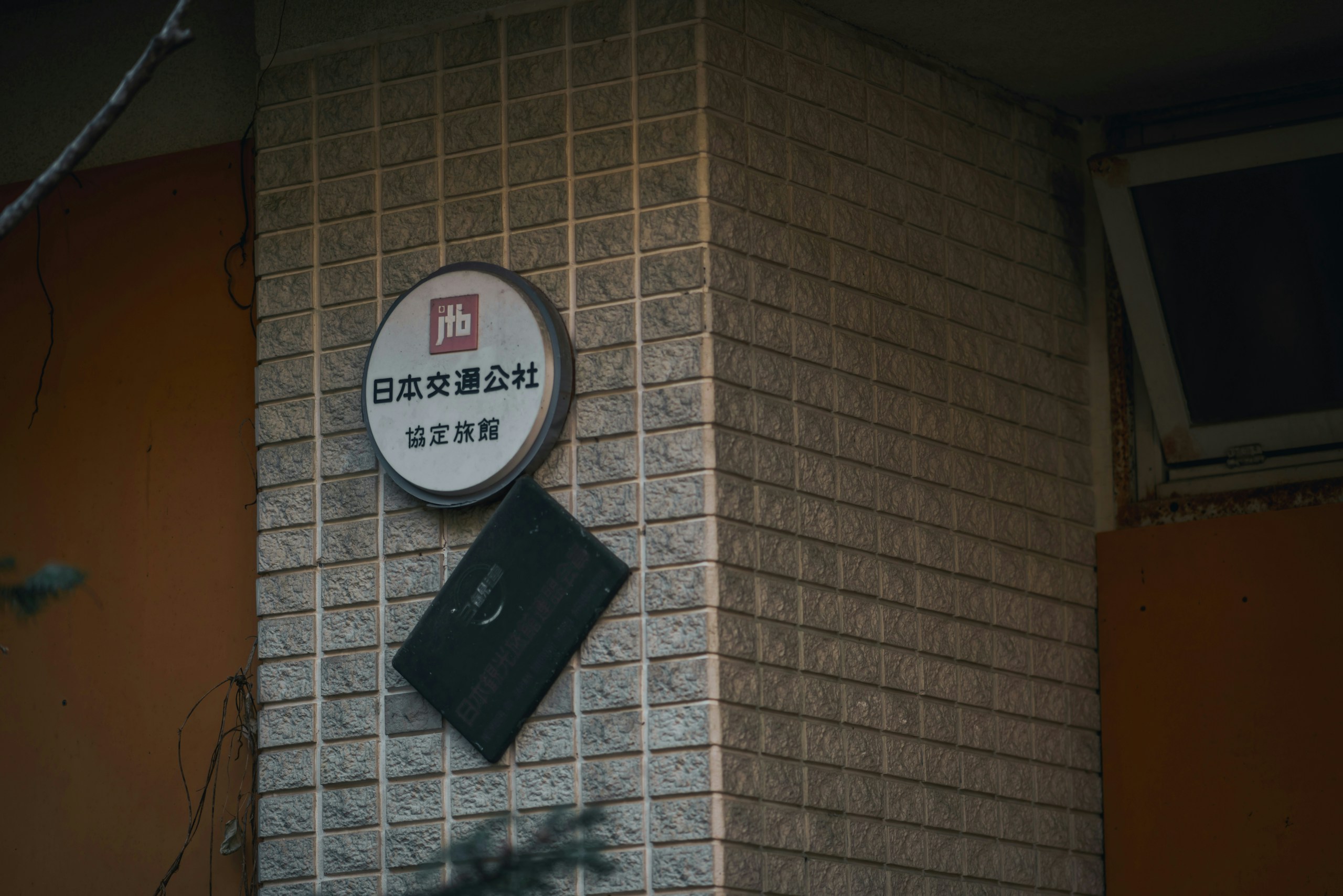
Photo by umai_gohan
What emerges in Okutama is not so much a ‘finished landscape’ as a series of fragments encountered along the journey. For example, the shadow of a guardrail suddenly appearing after a curve, a concrete cut in the roadside, or the fleeting reflection of water glimpsed through the branches. These small elements repeat with a certain rhythm, subtly shifting in form.
There is a persistent ambiguity, as if an emerging order is on the verge of collapse, and only an indefinable sense of dissonance quietly accumulates. Connecting the dots felt akin to reassembling these fragments into a ‘landscape.’
Photographic Approach
For this shoot, I focused less on the completeness of each individual image and more on maintaining the ‘flow of movement.’ Whenever a particular light or form caught my eye while driving, I would stop the car and quickly capture a few frames while the light remained consistent.
In terms of technique, I consciously sought out similar elements (lines, shadows, reflections, etc.), varying the angle and distance to create a sense of continuity. The lines connecting these points may not appear on a map, but as memories of movement, they remain vivid within myself and my camera.
How did you find it?
Shooting in Okutama, it seems, is less about ‘searching’ for subjects and more about ‘not overlooking’ them. The sense of distance created by artificial structures, mountains, and sky, and the density of traces left in the quiet. The act of moving through and collecting these scattered presences becomes the photograph itself.
We invite you to visit the locations recommended by umai_gohan and experience the ‘contours of time’ in Okutama with your own eyes.
umai_gohan
Specializes in photographing ruins, street scenes, and zoos. Focusing on prime lenses, they emphasize subtractive composition and capturing the ‘density of time’ through spontaneous decisions in the moment. Their equipment choices are distinctive, tailored to specific intentions.
cizucu: umai_gohan
Threads: @umai_gohan___