MAGAZINE
MAGAZINE
MAGAZINE
MAGAZINE
By cizucu ·
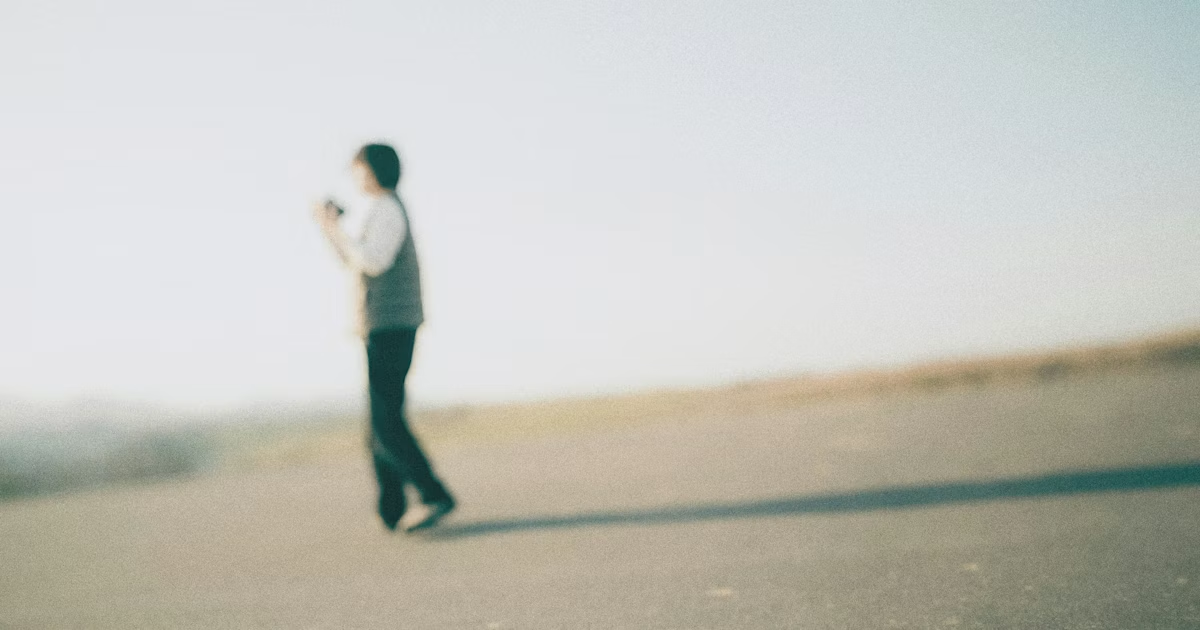
Cover photo by mitake
In photography, negative space is not simply an empty area—it's a "quiet staging" that draws out the presence and emotion of the subject. Expanses of sky, white walls, blurred backgrounds, or spreading shadows do more than make the subject appear small; they infuse the image with narratives of solitude, liberation, tension, and lingering resonance.
This feature explores the relationship between positive and negative space, the emotional impact of placement and scale, and practical shooting exercises you can try even with a smartphone. Discover new perspectives in familiar scenes by embracing negative space. When you dare to leave space intentionally, your photographs begin to breathe more deeply.
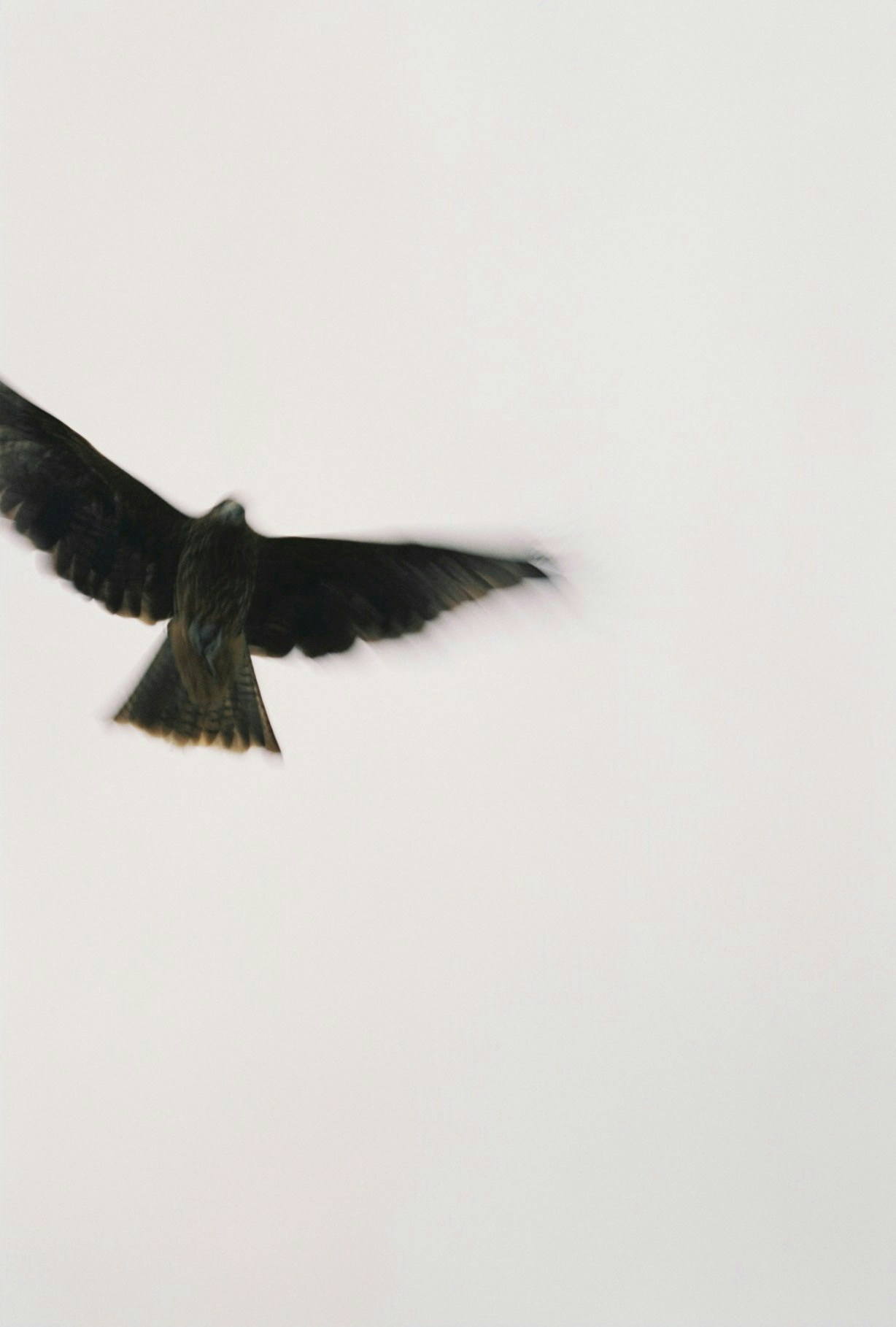
Negative space refers to the area surrounding the main subject—be it a person, bird, building, or flower. For example, when photographing a bird in flight, if the bird is the positive space, the sky is not just a backdrop; it becomes an element that conveys a sense of flight, solitude, or freedom.
Photo by takaomikim
The key is not to treat negative space as mere "leftovers."
Subtle elements such as pale walls, mist, the sea, shadows, or blurred cityscapes can all serve as effective negative space. The more you reduce visual information, the more the viewer is drawn to the subject's form, gaze, and movement, allowing the entire photograph to breathe.
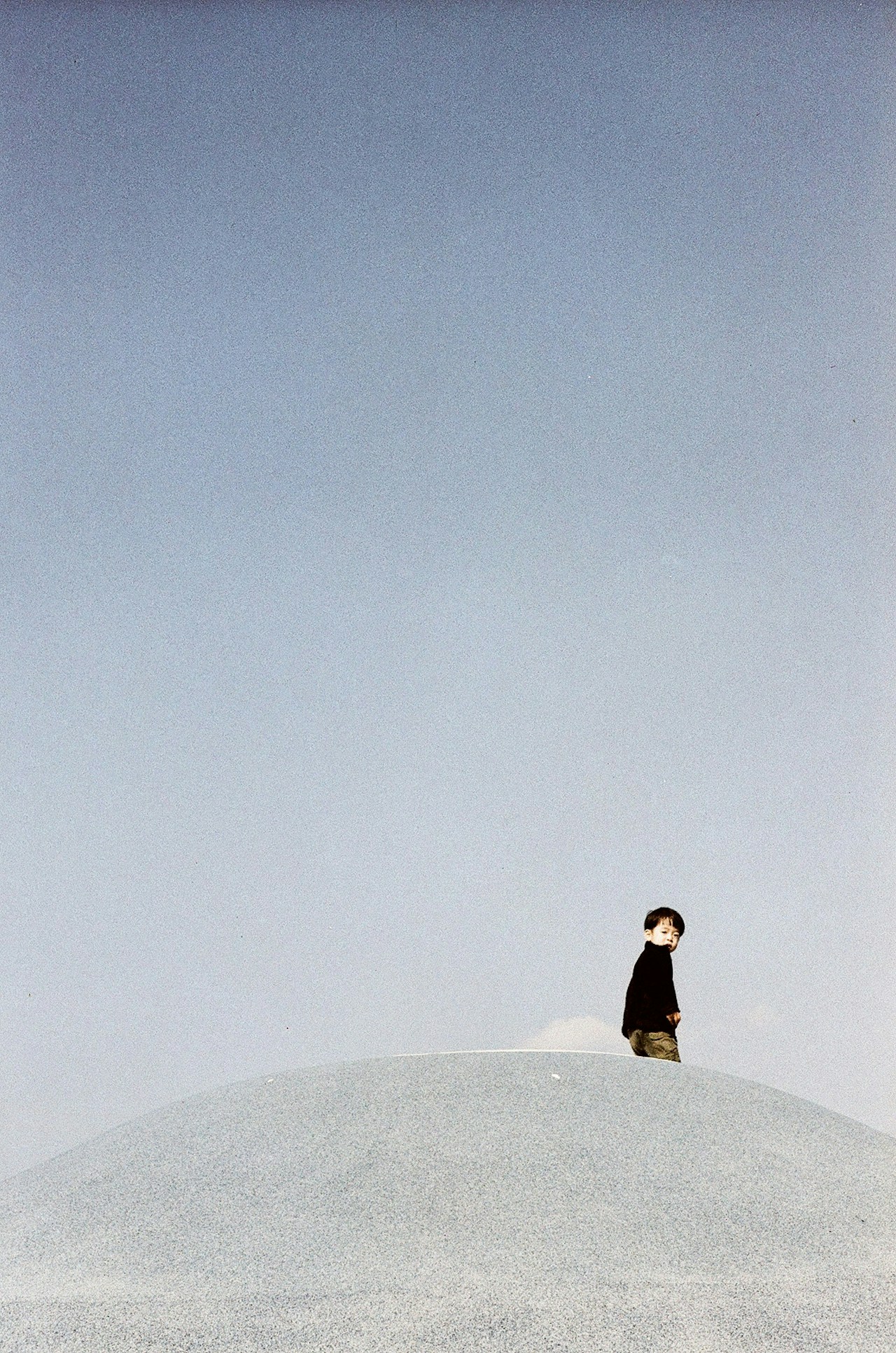
The impression of negative space changes dramatically depending on where you place the subject and how large it appears. Centering the subject creates a sense of calm, while placing it near the edge suggests movement, unease, or an unfolding story. By using compositional guides like the rule of thirds or the golden ratio, and leaving space in the direction the subject is facing, you can naturally guide the viewer's gaze through the image.
Photo by filmtaaabooo777
Conversely, intentionally crowding the direction of movement can evoke a sense of tension or constraint. With a smartphone, simply stepping back, or with a camera, adjusting the focal length to control the background's expanse, can dramatically alter the emotional tone of the same subject.
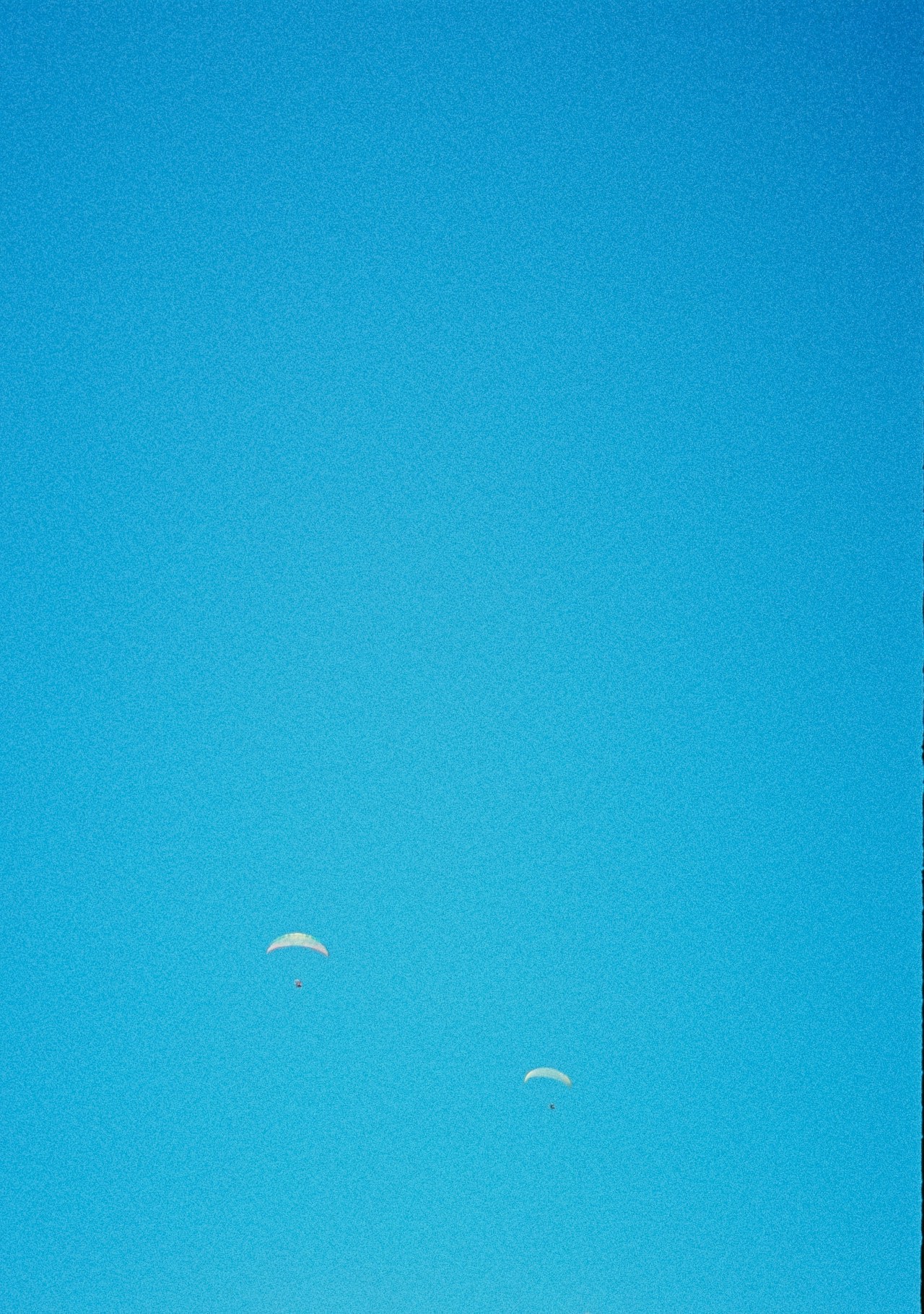
For practice, start by revisiting your past photographs and try cropping them to leave more space around the subject. Next, look for "open areas" in daily life—such as a friend standing against a station wall, power lines beneath a vast sky, or a cup on a white table—and photograph them with an eye for negative space.
Photo by Uejo Ikuto
A wide wall with a small figure, footprints left on the shore, a solitary tree in the mist—vertical portraits that utilize negative space are also highly effective. After shooting, compare images where the subject is large versus small, and see which invites more imagination. Negative space is not a technique for subtraction, but a skill for offering the viewer a place to contemplate.