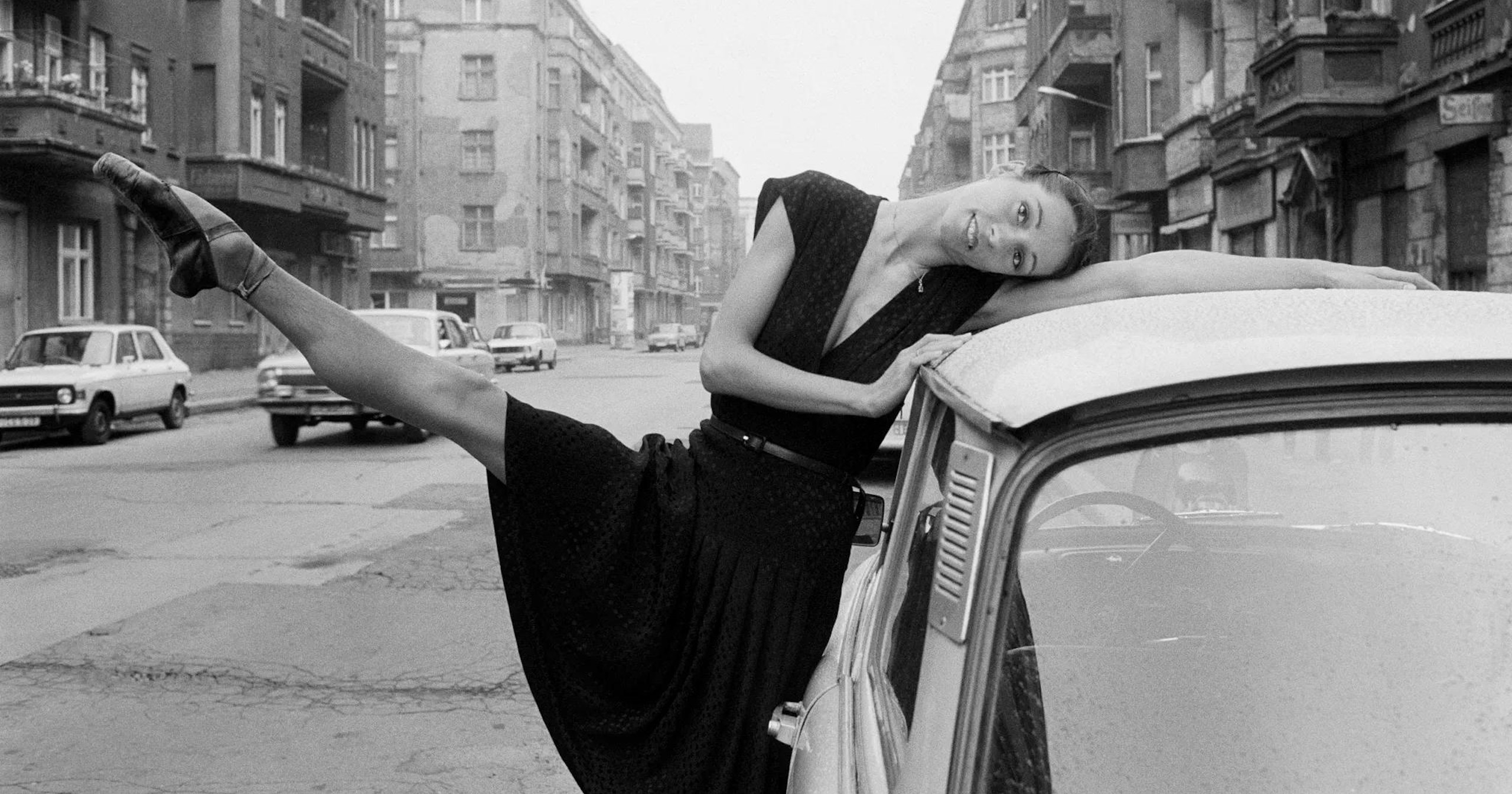
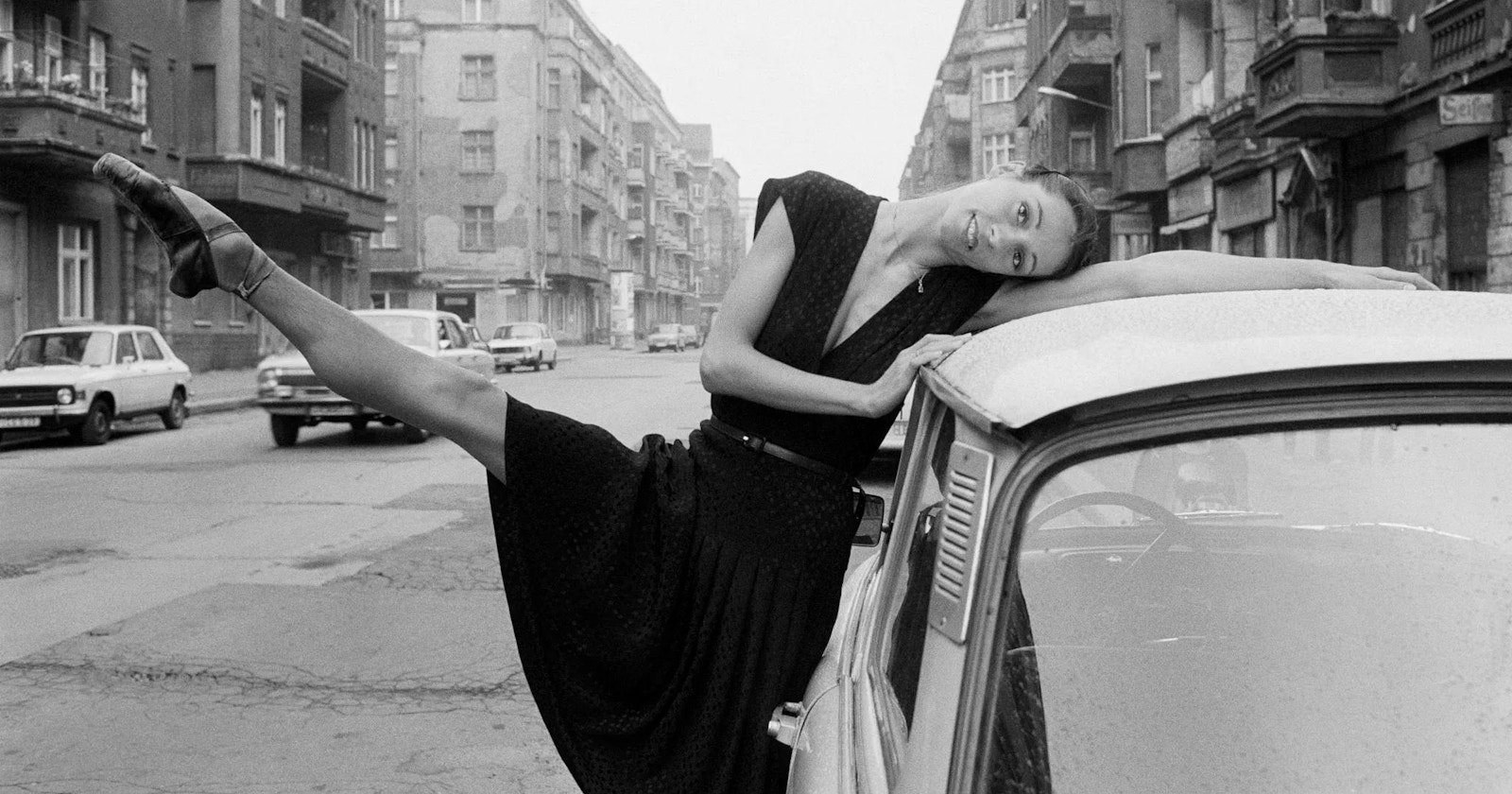
Through interviews with photographers who pursue photographic expression from their own unique perspectives, we delve into the origins of their creativity, their philosophy, and their creative process — delivering fresh inspiration to photographers and photo media around the world.
The origins of creativity, the cherished philosophies and perspectives of Germany-based photographer Ute Mahler — archiving and preserving these in words for our time will surely help sustain one facet of photographic culture for generations to come.
Through these "10 Questions," we explore the process by which her expressions take shape.
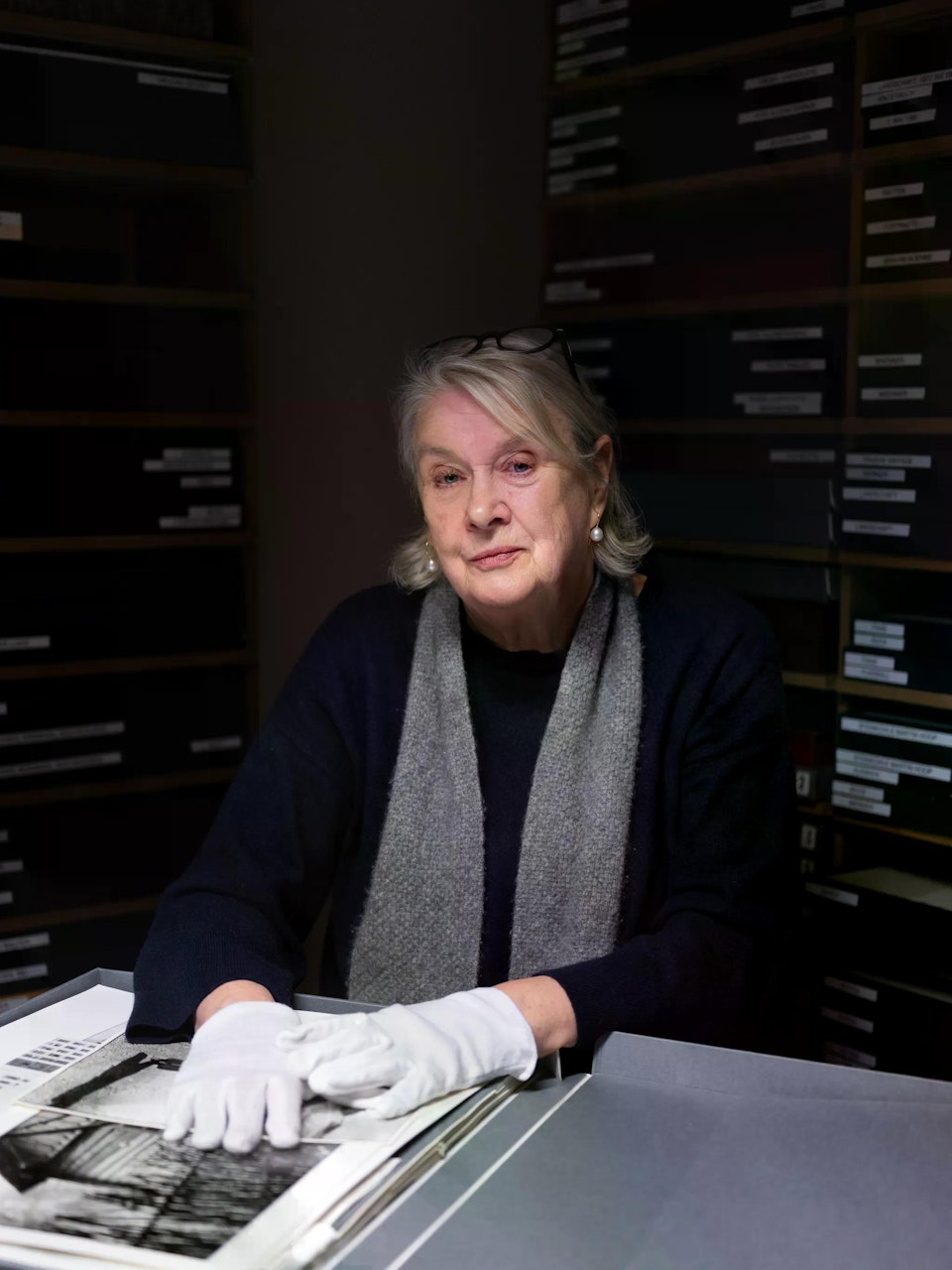
©︎ LiaDarjes
Ute Mahler
My background is rooted in the tradition of documentary photography, always searching for the „real“ moment. As a co-founder of OSTKREUZ agency, I’ve spent decades documenting life in Germany and beyond. My approach is characterized by a deep interest in people and their environments, the divisions in society. Whether in my early fashion work or my current long-term projects with Werner Mahler, my goal is to capture the poetic essence of reality.
Instagram : @uwmahler
Q1. Tell us about the origins of your photography and your current activities.
Images have always been a part of my life. I’ve been taking photos since I was a girl; my father was a photographer and had a big influence on me. I’ve never tried to do anything other than take photos. After studying photography in Leipzig, I worked as a freelance photographer. Alongside the photography that earned me a living, I always had my own personal projects from the very beginning.
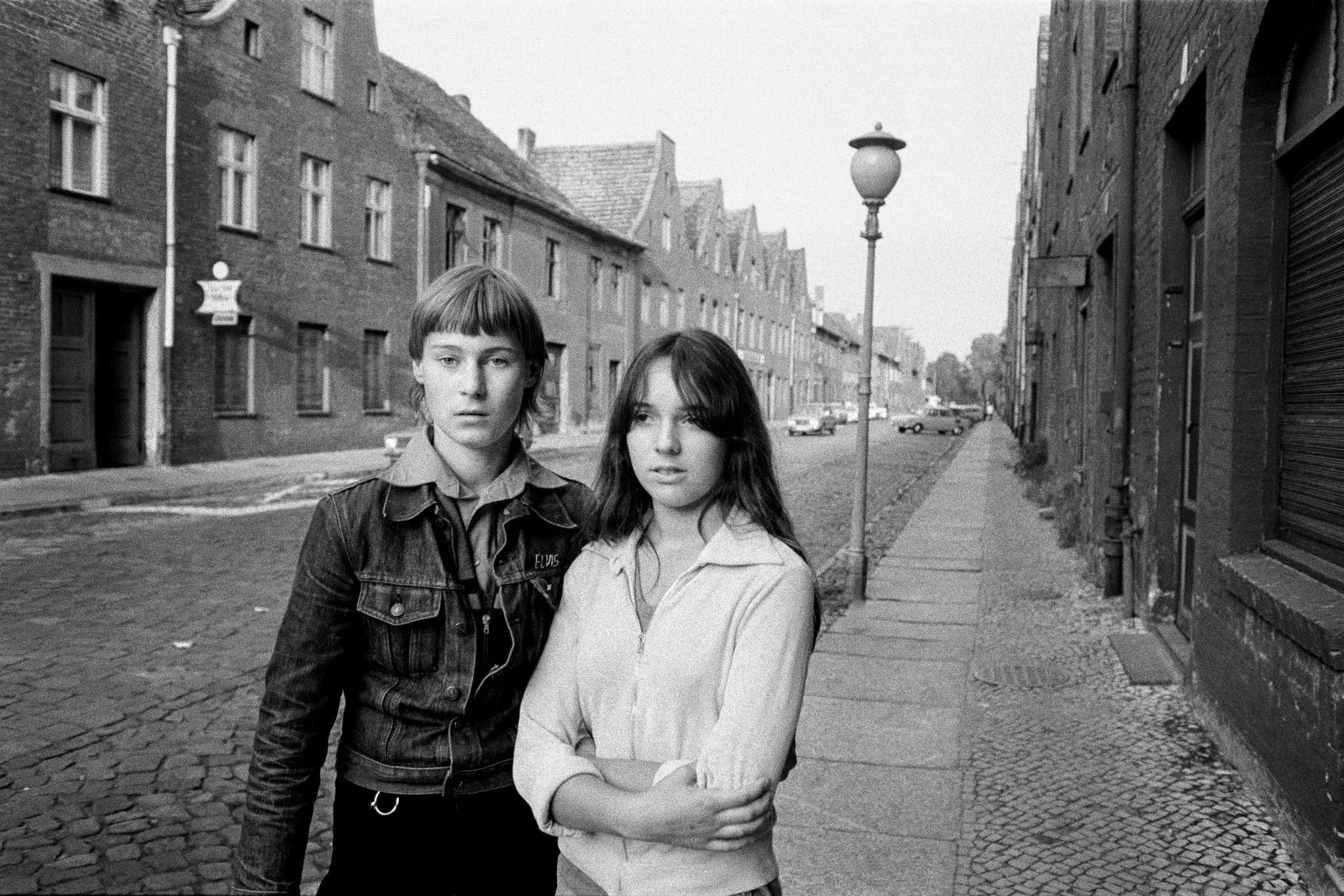
During the GDR era, I took fashion photos for the culture and fashion magazine “Sibylle.” After 1990, I was finally able to work as a photojournalist. I did many portraits and photo essays on assignment for “Stern” magazine. In 2008, I stopped doing commercial photography, taught as a professor of photography, and focused entirely on my artistic work. I continue this work intensively today as part of an artists’ collective with Werner Mahler
©︎ Ute Mahler
Q2. What are the most important elements or themes in your work?
I’ve always been interested in people. People as individuals or as part of a group.
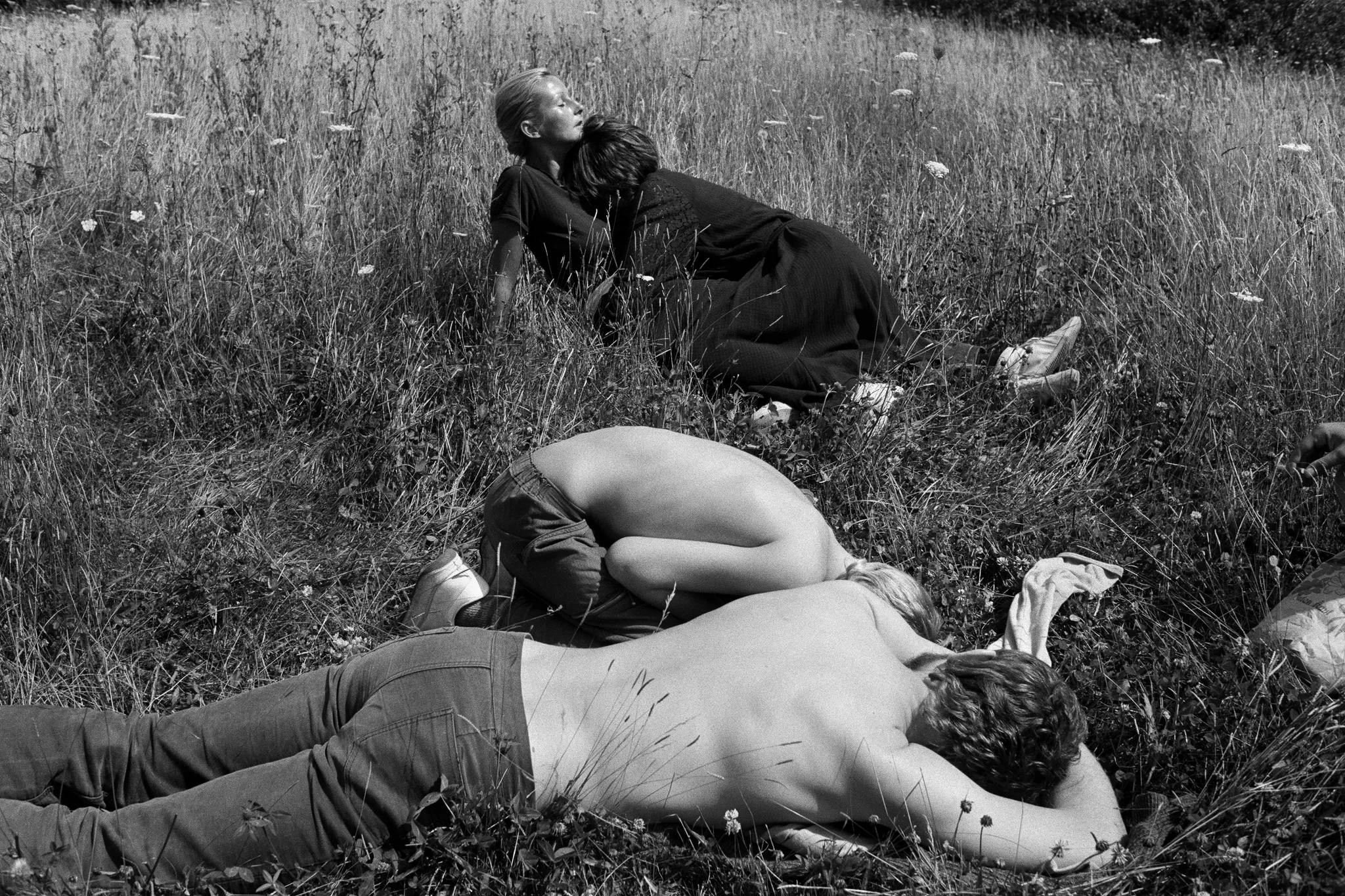
I worked on my first major body of work, “Living Together,” for 18 years. Some years more intensely than others. When taking photos, I took my time; I didn’t want people to pose for me, but rather to trust me and move naturally in their surroundings.
©︎ Ute Mahler
I wanted them to eventually forget that I was a photographer and see me as a person. I didn’t stage anything in this series. It would have bored me to impose my ideas on others.
I wanted to discover. I wanted to see how others live, how they move through their spaces, how they interact with one another. That’s what I wanted to capture in my photos. Of course, I did stage things in my fashion photography; it was wonderful to use these two different approaches at the same time.
Q3. How do your works come to life? We’d love to know what goes on behind the creative process — intuition, chance encounters, on-the-spot decisions.
There’s always a subject I’m exploring, one that’s on my mind. When I’m photographing it, I take the time the subject demands and that I need for it. Sometimes it’s a short period, but that’s rather rare.
Most often, it’s long stretches of time that can span years. If something interests me deeply, if I know too little about it, then it can become a subject. I think about whether it’s socially relevant or very personal. Or whether both aspects are present in a single theme. I try to figure out why I want to photograph this particular object, these people, or this subject matter. Then I decide on the aesthetic concept.
And then I start taking pictures. It’s also important to me to leave room for chance; I love being surprised by it. I really like images that are subjective, precise, and yet don’t reveal everything. The ones that still hold a secret.
Q4. What drives you to keep creating?
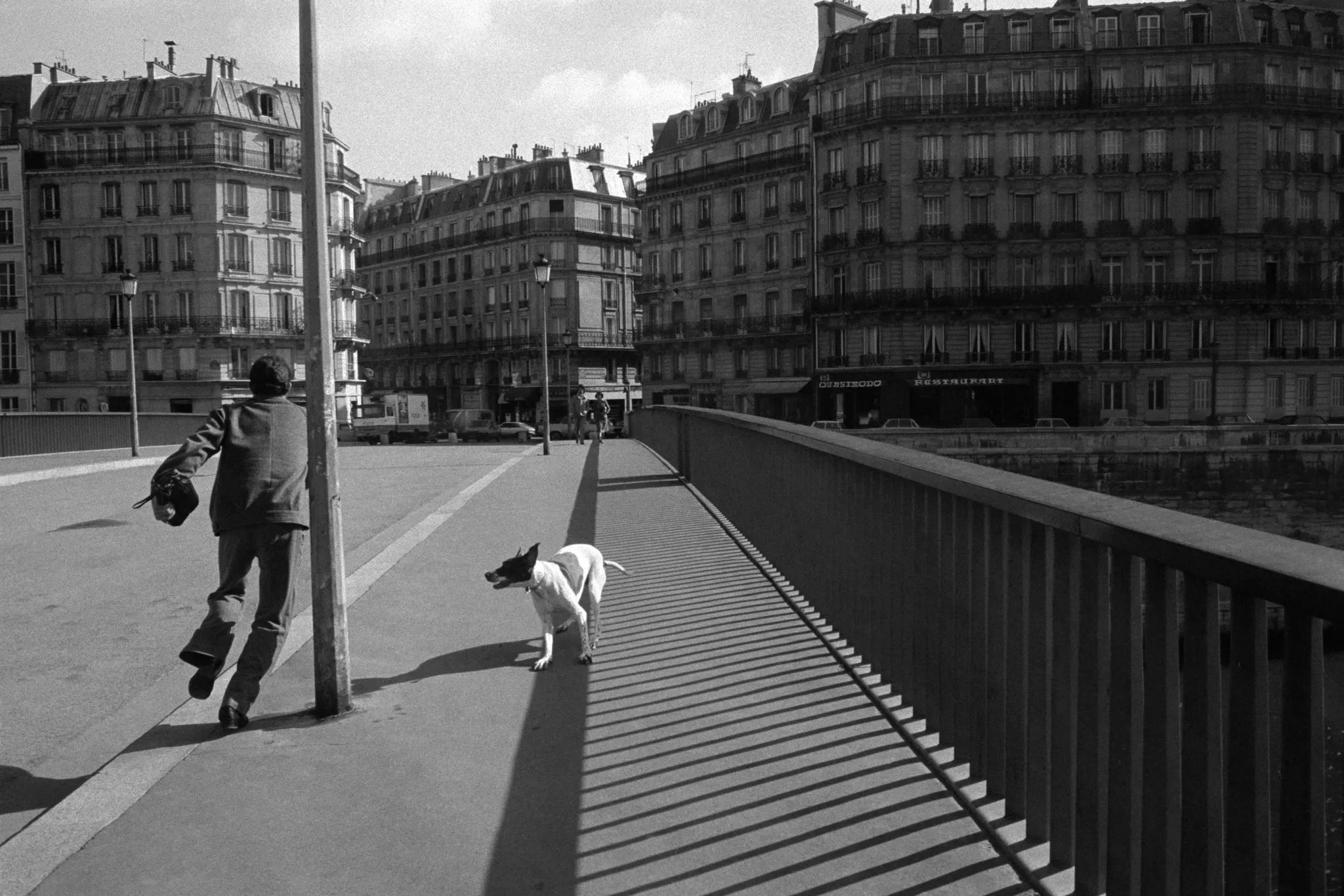
There is still so much to discover. To see. I am curious, and I love being a photographer. Photos are records of experiences. Of life. When I look at my photos, I read them as if they were a diary. I read my life.
©︎ Ute Mahler
Even when I take a portrait of a stranger, a part of me is in it. I also love telling stories. That’s why it’s important to me to present my photos in exhibitions and in books. To arrange the photos in a sequence and create a dialogue between them, thereby telling my story even more vividly.
Q5. Please share one of your favorite shots. We’d also love to hear the story behind it and why you chose it.
It’s almost impossible for me to answer the question about my favorite photo. I love all the pictures I’ve ever selected and enlarged in the darkroom. Even if not all of them are equally strong. Or equally important. Analog photography is my field of work. I still remember the encounter or the event behind every single picture. Perhaps also because the process in the lab is so arduous, the chemical fumes are annoying, and then there’s always that darkness.
©︎ Ute Mahler
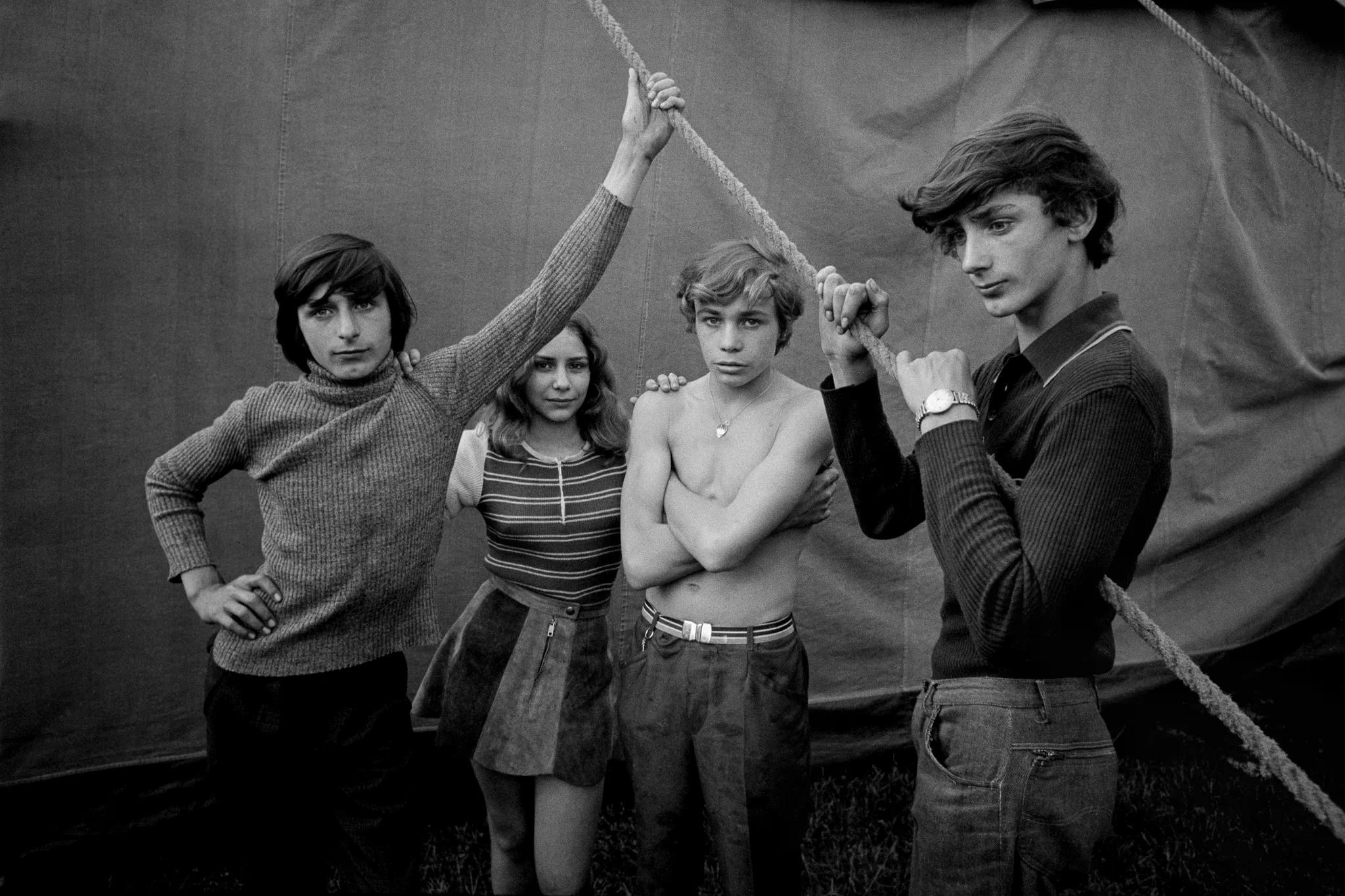
But if I had to choose just one photo, it would be the one with the four circus children. I’ve looked at it countless times, printed it, retouched the baryta print by hand. Yet there’s still that power, the presence of the children, the wonderful shades of gray, and for me it still holds that magic I felt back in 1973 when I photographed the group.
Q6. In the age of AI, what do you think photography means?
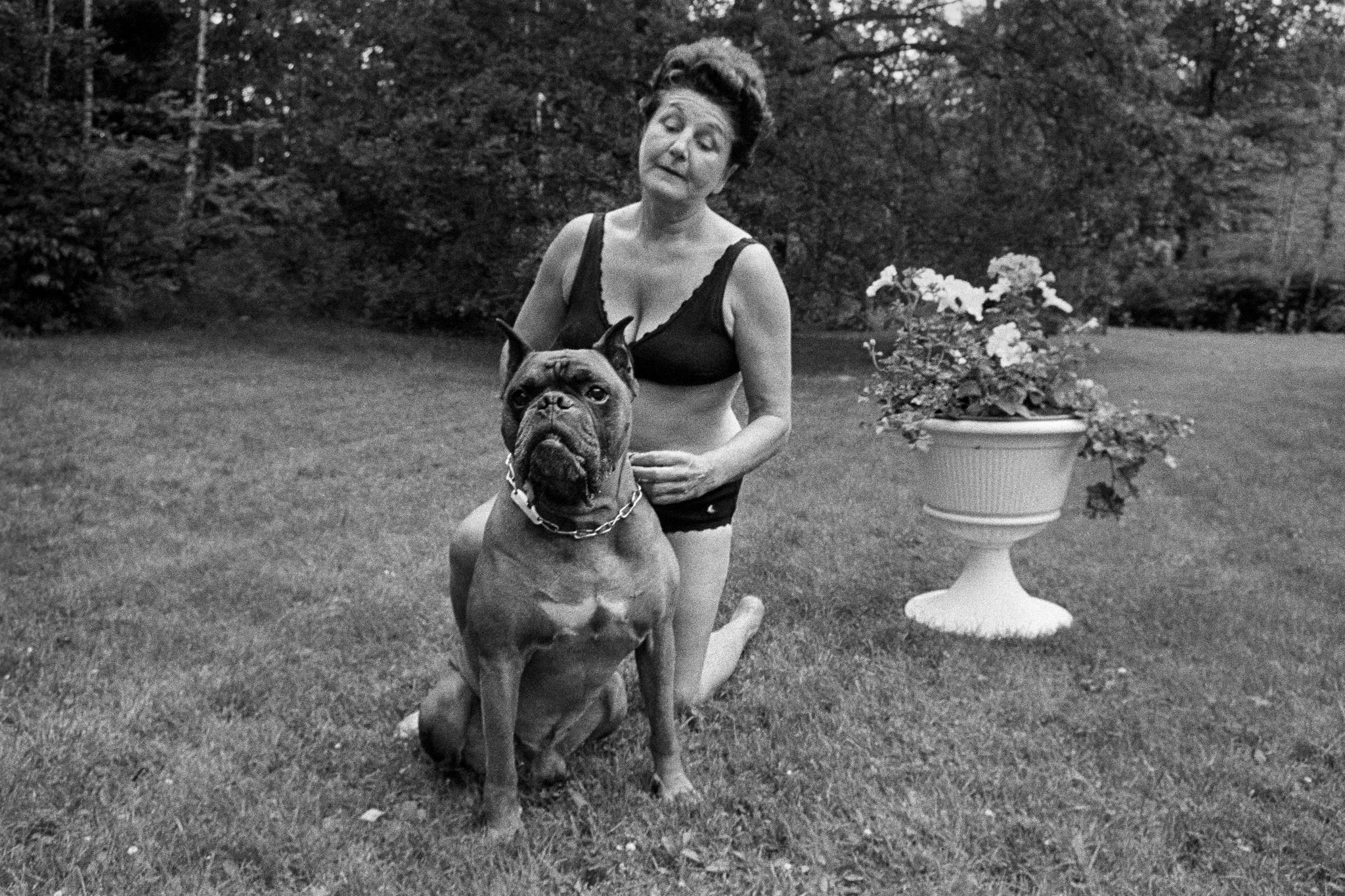
I believe that entire fields of work will be taken over by AI, particularly technical and routine processes. Art, however, is created by artists—by individuals, by people who think and feel and who bring their own experiences to their art. Subjectivity is the great opportunity.
©︎ Ute Mahler
Q7. Within the German scene, what movements or communities do you feel are particularly significant?
When people talk about German photography, they think of August Sander, Bernd and Hilla Becher, Andreas Gursky, and other world-renowned artists.
They think of both documentary and artistic photography. Many of these artists have focused on working in series. At the same time, however, there are exceptionally talented photographers working in journalism or applied fields.
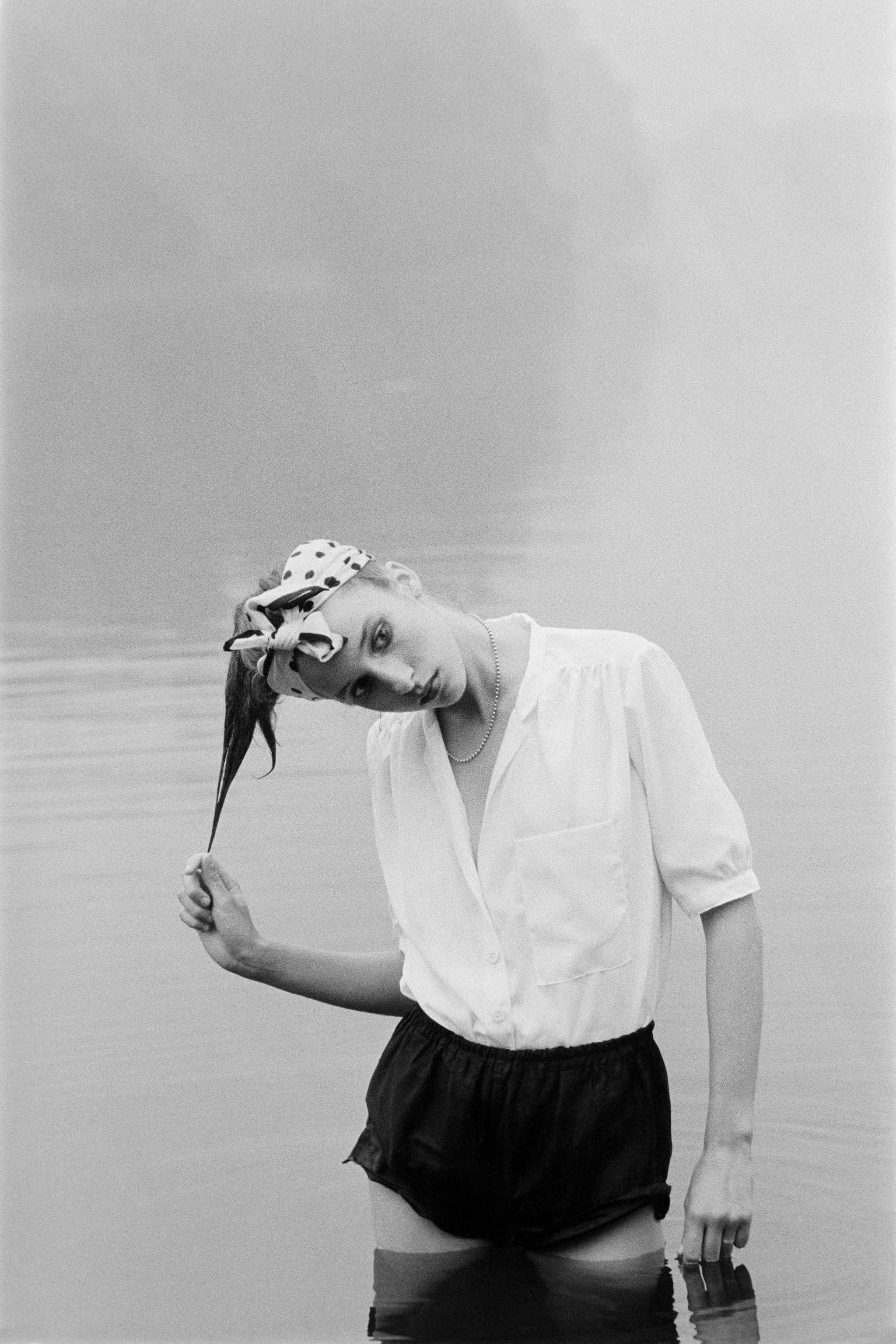
©︎ Ute Mahler
Major art museums exhibit photography; it is recognized as an essential part of art. In Berlin, C/O Berlin is particularly worth mentioning. This exhibition space regularly showcases the world’s leading photographers. Alongside this, new talents and trends are presented in a well-balanced mix. Surprisingly high visitor numbers attest to a very strong interest in the medium.
Q8. Are there photographers or creative scenes from other countries that inspire or excite you?
Good photography inspires me. Throughout my life, there have always been works by colleagues that have captivated me—because they had their own unique perspective on their subjects and expressed it in a stunningly aesthetic way.
I’ve never had just one great hero. It’s always the images and their intensity that stay with me. In the different phases of my life, I’ve been open to various photographic works. That has to do with my own world, with the thoughts and feelings I’ve had at different times in my life.
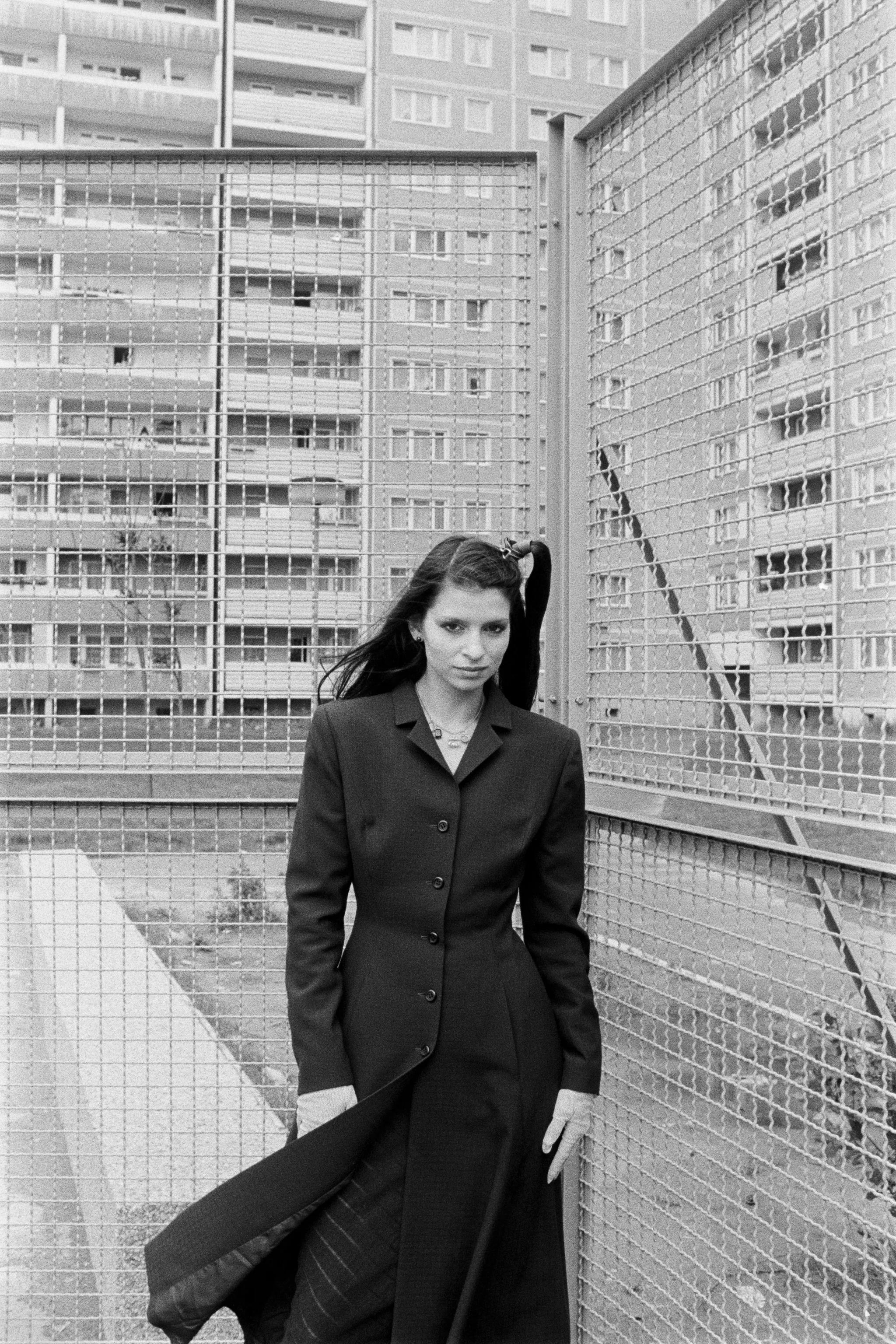
©︎ Ute Mahler
But what will always remain is my admiration and reverence for works like these: Exiles by Josef Koudelka or Chris Kilipp’s In Flagrante. When I first saw Masahisa Fukase’s book Ravens, it blew me away. Such a force of emotion and metaphor. A great work. For me, that book is still the best photo book of all time.
Q9. Tell us about something you would dedicate your life to pursuing.
My family is the most important thing in my life. And curiosity. To remain open to everything.
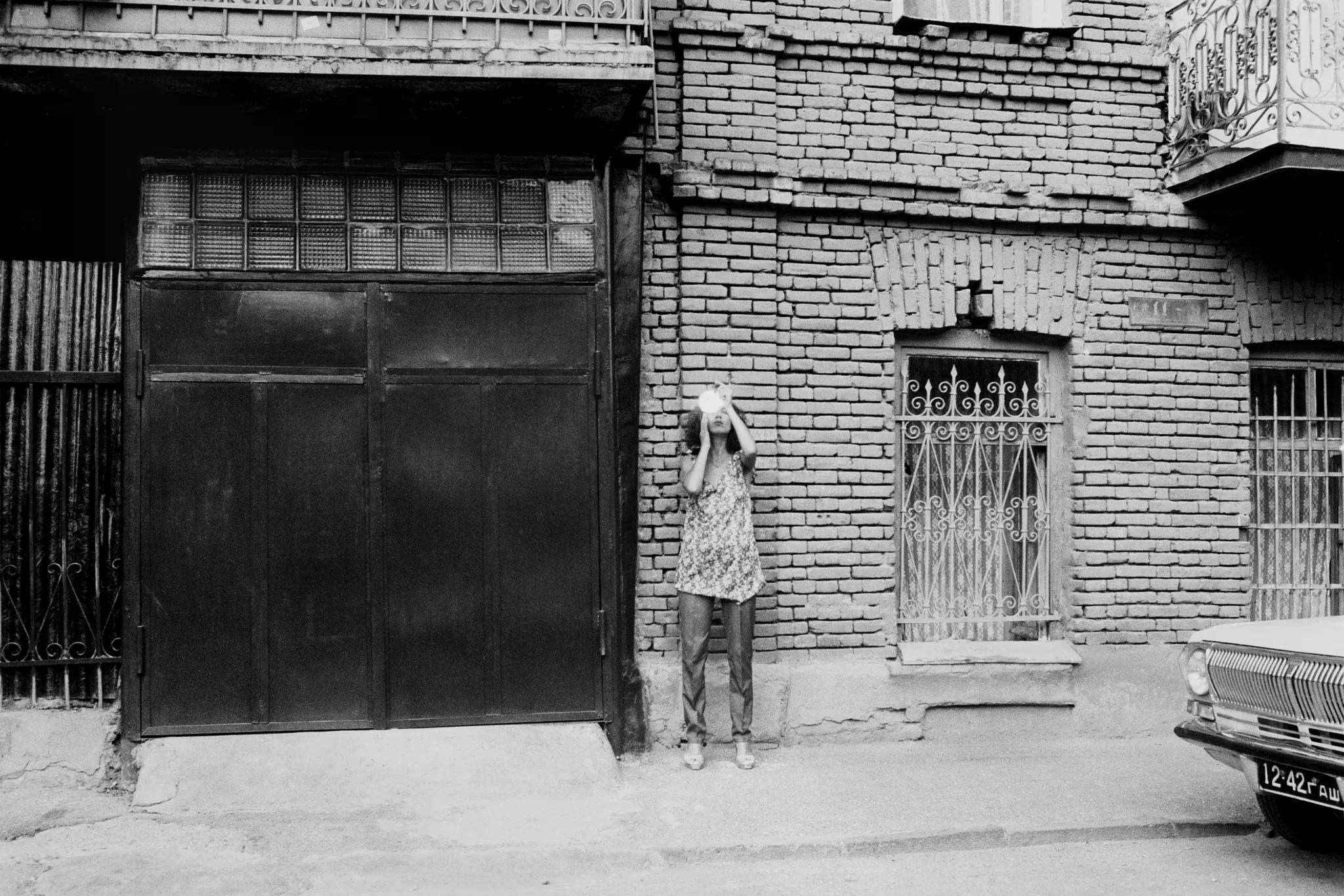
©︎ Ute Mahler
Q10. What message would you like to share with creators around the world, from where you stand today?
What an important question. I can think of a very simple answer to that. Keep believing in photography.