Through interviews with individuals who pursue photographic expression from a unique perspective, we delve into the origins of their creativity, their philosophy, and their creative processes—bringing new inspiration to photographers and photo media around the world.
Active on a global stage and currently serving as Director and Curator of the Helmut Newton Foundation, Matthias Harder reflects on the roots of his creative journey, as well as the ideas and perspectives he has long held dear. To preserve these in words, here and now, is to help sustain a part of photographic culture for the future.
Through this edition of “10 Questions,” we take a closer look at the process through which his expression takes form.
@ David von Becker
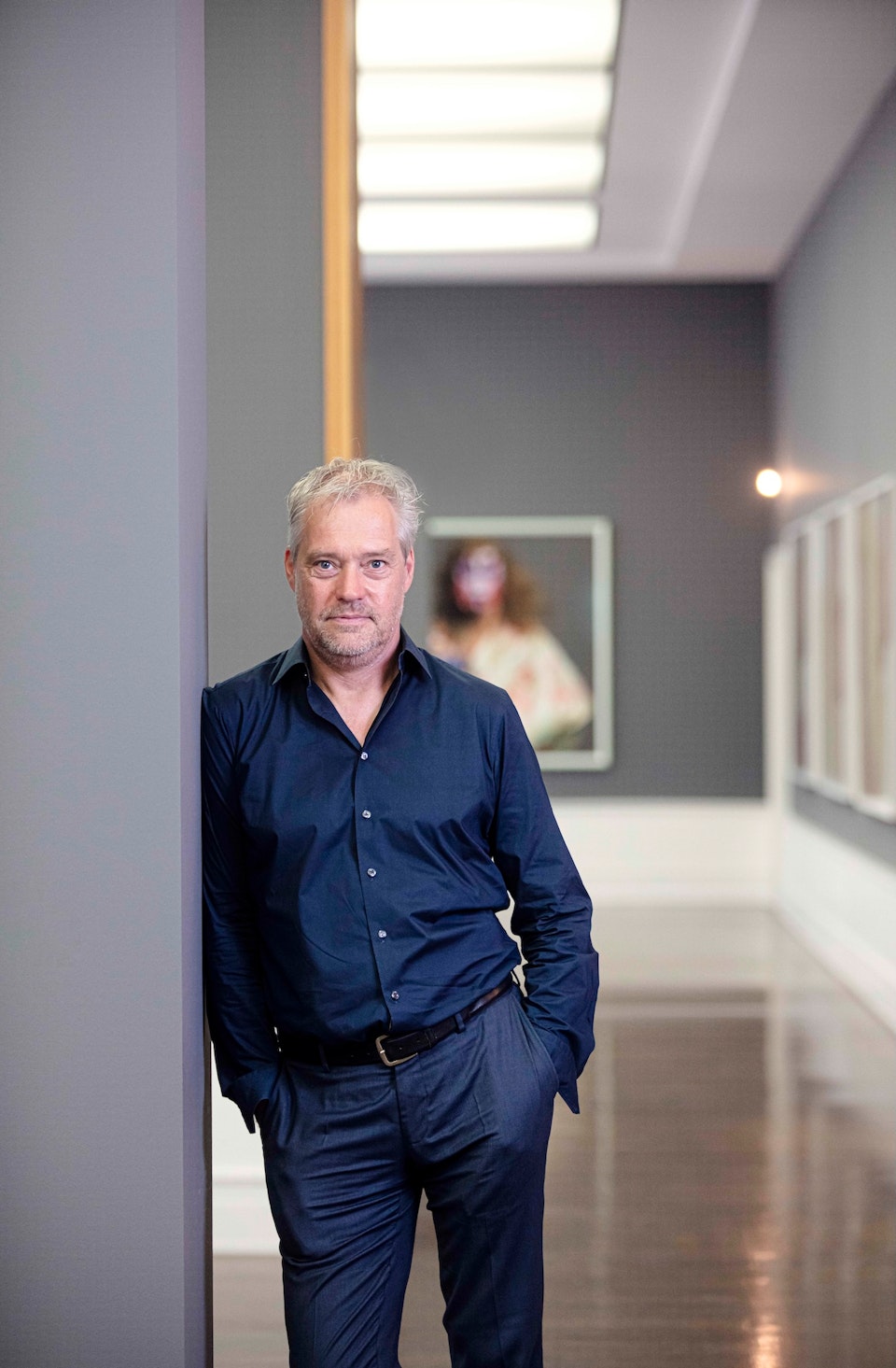
Matthias Harder
He specialized in classical art history and, during his studies, focused on the history of photography—an emerging field at the time in the 1990s. While working on his doctoral dissertation, he began writing on art and photography for magazines and exhibition catalogues, and has continued to do so extensively ever since.
With over two decades of experience as a curator, he has spent the past seven years serving as Director of the Helmut Newton Foundation. Having been personally appointed by Helmut Newton during the photographer’s lifetime, he continues to carry out this role with a deep sense of both responsibility and honor.
Q1. Please tell us about the founding background of the Helmut Newton Foundation, as well as its current activities and operational philosophy.
In October 2003, a few months before his death, Helmut Newton established the Helmut Newton Foundation – dedicated to the preservation and presentation of his own photographic works, and those of his wife, June Newton a.k.a. Alice Springs.
It opened its doors in summer 2004, more than two million visitors saw the exhibitions in Berlin since then. After June’s death in 2021, the whole archive of both photographers is now stored in Berlin. According to the wishes of its founder, the HNF should not be a “dead museum”, but a “living institution”.
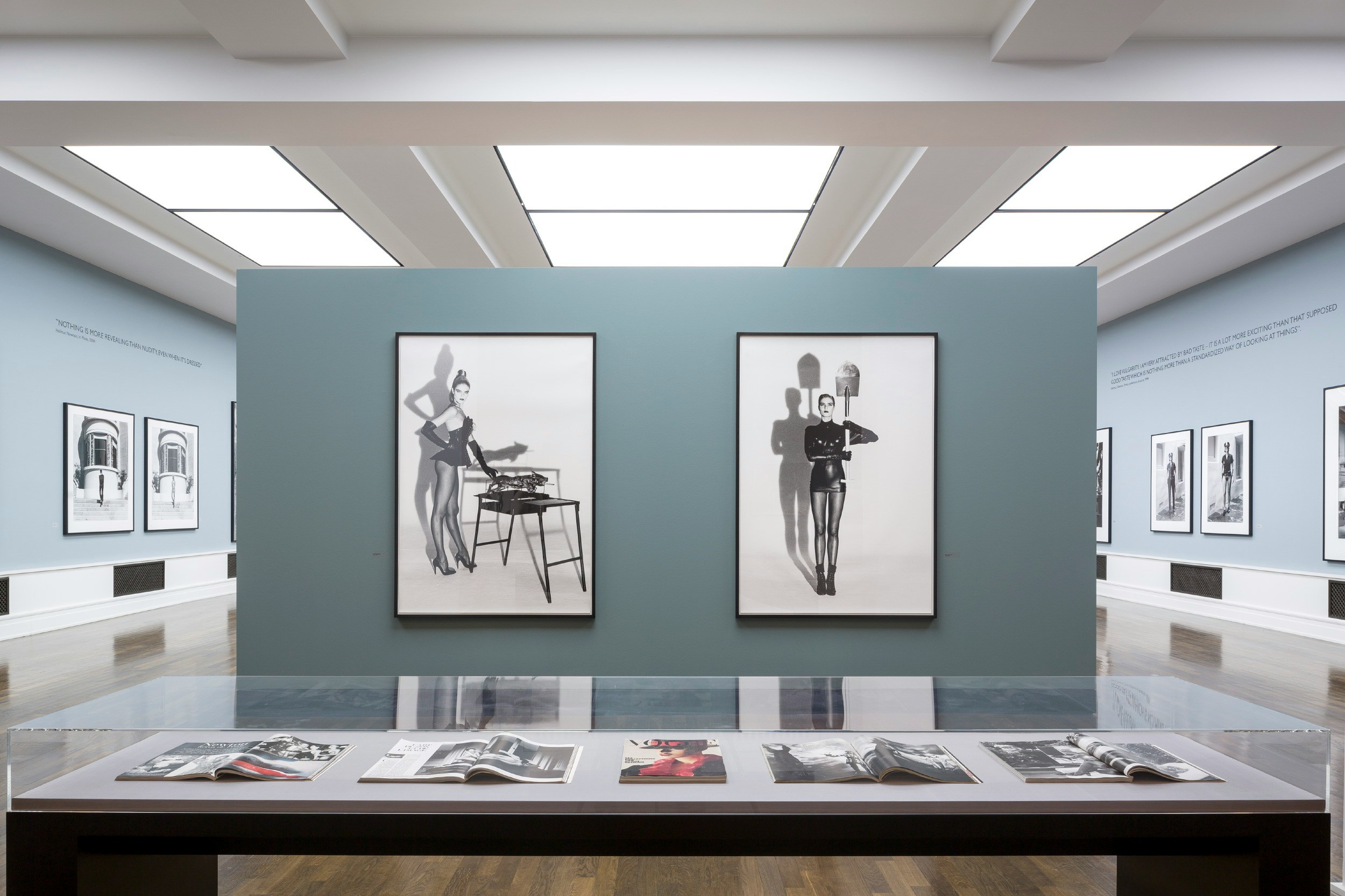
©︎ Gerhard Kassner | nstallation shot, Helmut Newton Foundation, Berlin
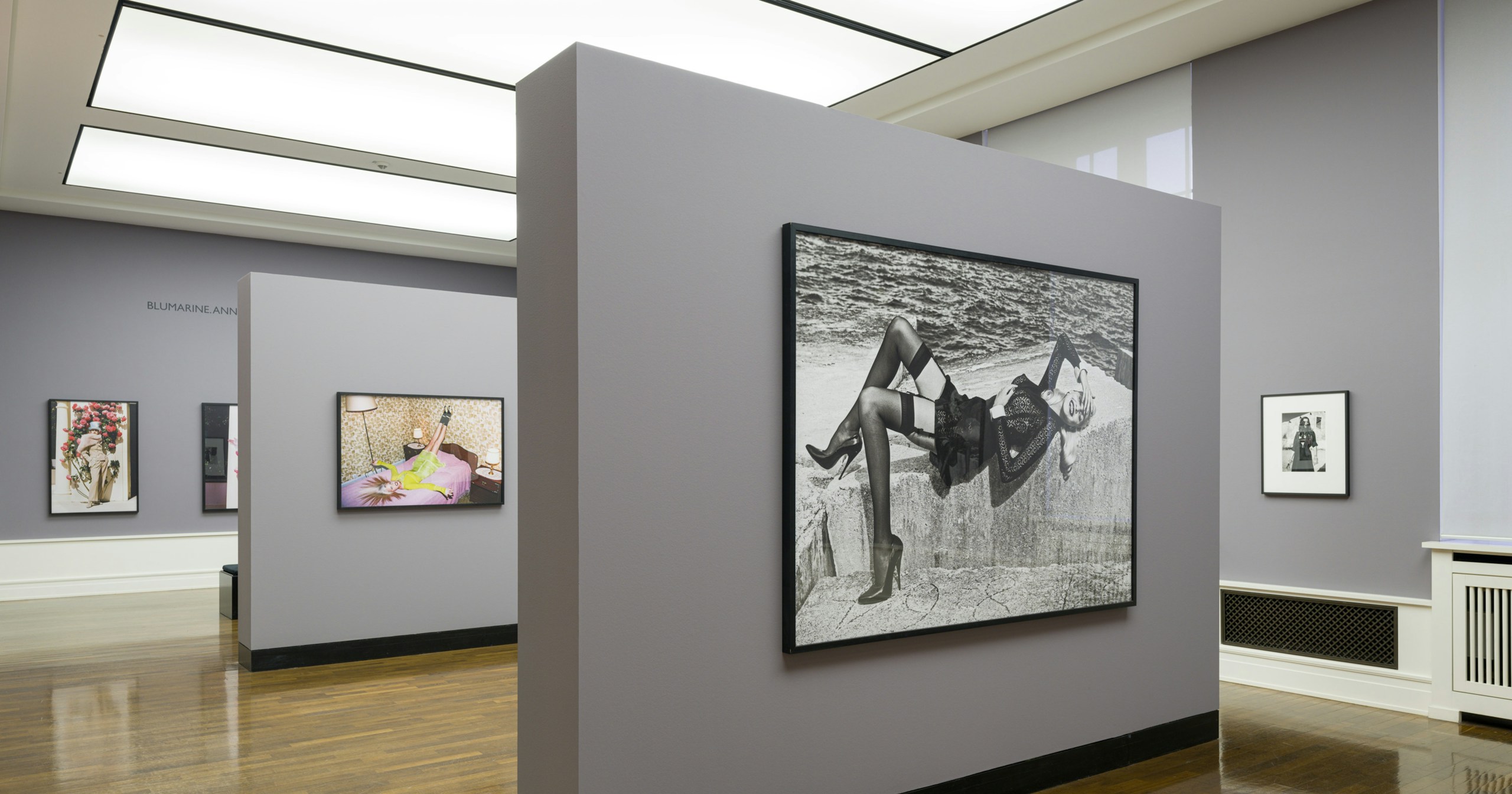
As such, each exhibition presents a selection of Helmut Newton’s innovative, provocative images in dialogue with works by the very best photographers of our time, e.g. in juxtaposition with David Lachapelle, James Nachtwey, Larry Clark, Ralph Gibson, Greg Gorman, Frank Horvat, Mario Testino, Guy Bourdin, Sarah Moon, Paolo Roversi, Robert Longo, Vanessa Beecroft, David Lynch, Saul Leiter, among many others – this dialogue will be proceeding.
Q2. What curatorial philosophy or themes have you (Mr. Matthias Harder) and your museum consistently held as core to your work?
Helmut Newton’s photographic oeuvre is truly extraordinary, both in quality and quantity; the entire collection is held in our foundation’s archive. For each new exhibition, I focus on a particular aspect of this rich treasure as the basis for a new curatorial concept.
Most recently, for example, we explored the places where Newton lived and which shaped him, such as his birthplace Berlin or Hollywood, where he stayed at the Chateau Marmont from the 1980s onwards. I have supplemented this with a group exhibition—that is, the work of selected colleagues—to present the full panorama of engagement with such a place.
Or, in last year’s exhibition ‘Dialogues’, I responded to an important photographic collection from Vienna using Newton’s photographs. Ultimately, 66 diptychs hung on the walls of our exhibition spaces, displaying similarities in content, form or simply atmosphere. In some cases, the photographic icons from the Viennese collection were created a hundred years before Newton’s photographs.
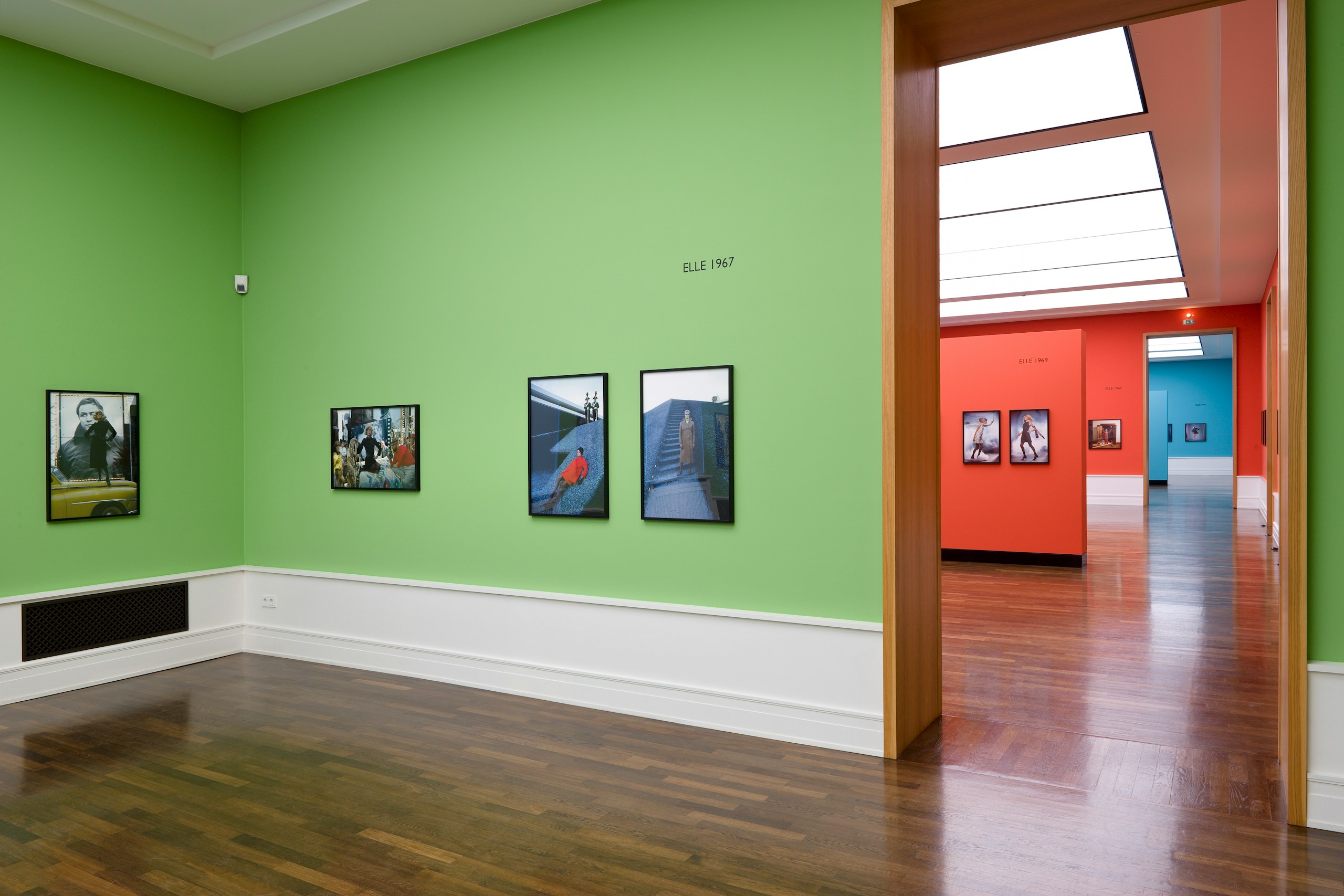
©︎ Gerhard Kassner | nstallation shot, Helmut Newton Foundation, Berlin
This unique curatorial experiment not only gave me great pleasure, but it was also a successful exhibition; the visitors were delighted.
Q3. How does an exhibition come to be? Could you walk us through the production process, from the initial concept to the opening?
It always starts with an idea that relates to a specific aspect of Newton’s work. I have just been working on two exhibitions in parallel, which will open in May and June.
The first, featuring Newton’s car photographs, is taking place as part of an elegant and prestigious classic car race on Lake Como in northern Italy, where Newton himself used to take a lot of photographs. This, too, is a curatorial experiment, as the motifs will be printed on special film and displayed on panels in the garden of the beautiful Villa Olmo – in other words, outdoors for the first time. Normally, we lend his photographs to museums worldwide, where they are displayed in air-conditioned rooms with subdued lighting.
The second exhibition will take place at our foundation from June to November 2026, under the title ‘Rooms / Stages’. Like a set designer, Newton transformed rooms into stages – and so, in his section of the exhibition as well as in the group exhibition featuring 12 contemporary colleagues, we are showcasing the transition from room to pictorial space and on to the stage.
Q4. What do you see as the driving force behind your museum's continued expression and outreach, and how do you perceive its significance in the contemporary world?
There remains a large community of Helmut Newton fans who visit us in Berlin and attend the exhibitions we organise elsewhere – even more than 20 years after his death.
Our motto in the foundation’s work is: ‘keep him alive’ – and we’ve been quite successful in this regard. During his lifetime, Newton was arguably the most widely published photographer of all time. And through the books we continue to publish in large print runs, even posthumously, we reach an additional audience, as well as through our social media channels.
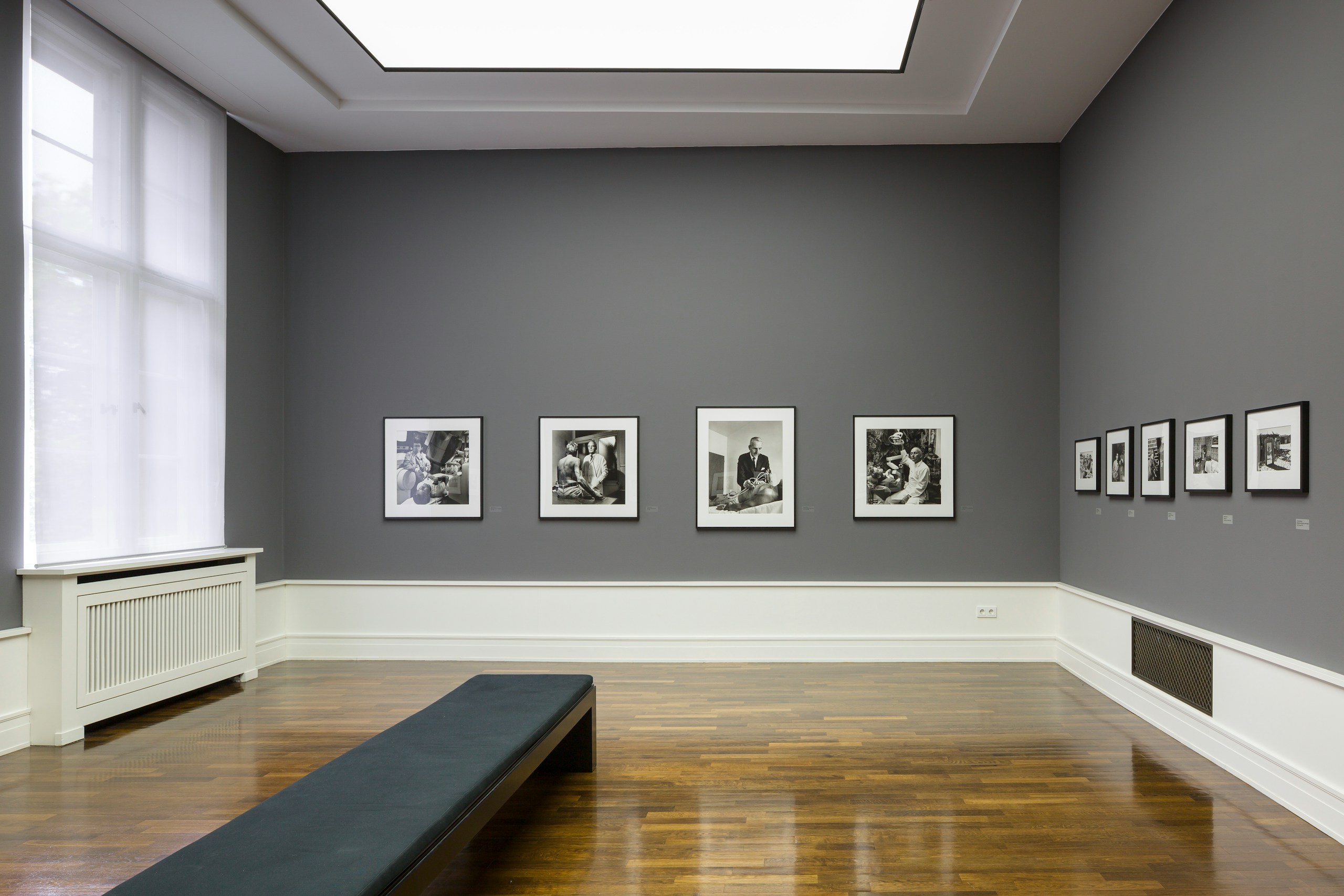
©︎ Gerhard Kassner | nstallation shot, Helmut Newton Foundation, Berlin
Newton’s work was always contemporary; now it is timeless and classic. Many colleagues from different generations have taken up and further developed his photographic ideas – and so, through his work, he remains alive and influential to this day.
Q5. Of all the exhibitions and projects you have undertaken, could you share one that holds a particularly special place for you? We would also love to hear about the background and your reasons for choosing it.
Of course, I love all exhibitions I did here, but the expansive retrospective HELMUT NEWTON. LEGACY was outstanding.
Visitors were able to seeing not only Helmut Newton’s many iconic images, but also a number of surprises. The entire exhibition space on the first floor of the museum was chronologically tracing the life and visual legacy of the Berlin-born photographer. With around 300 works, half of which were shown for the first time, I also presented lesser-known aspects of Newton’s oeuvre, including many of his more unconventional fashion photographs, which spanned the decades and reflected the changing spirit of the times.
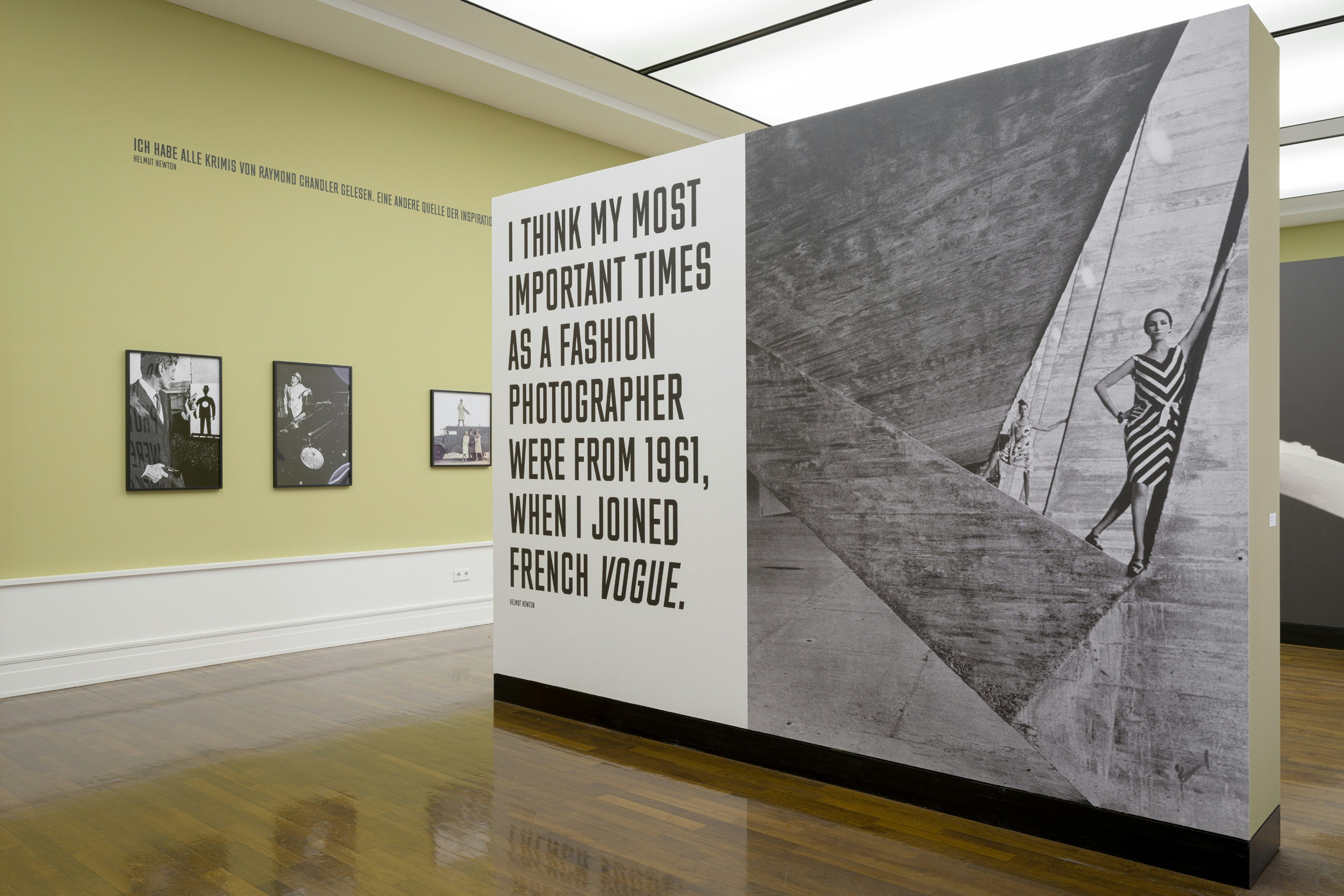
©︎ Gerhard Kassner | nstallation shot, Helmut Newton Foundation, Berlin
The presentation was complemented by Polaroids and contact sheets that gave insight into the creation process of some of the iconic motifs featured, as well as special publications, archival material, and statements by the photographer. The shows was accompanied by a new monograph published by Taschen and was travelling to several countries – a huge success.
Q6. In the age of AI, what role do you believe photography and museums, as media, should play?
We curators simply have to carry on – despite AI. We must continue to use our carefully composed photo exhibitions to convince people of the aura of the photographic and of an authenticity that is unique to this medium.
Of course, we now really must examine every image we see for its truthfulness, or at least question it. Manipulation has always existed; even in the past, people who had fallen out of favour were airbrushed out of photographs or artistically collaged by others.
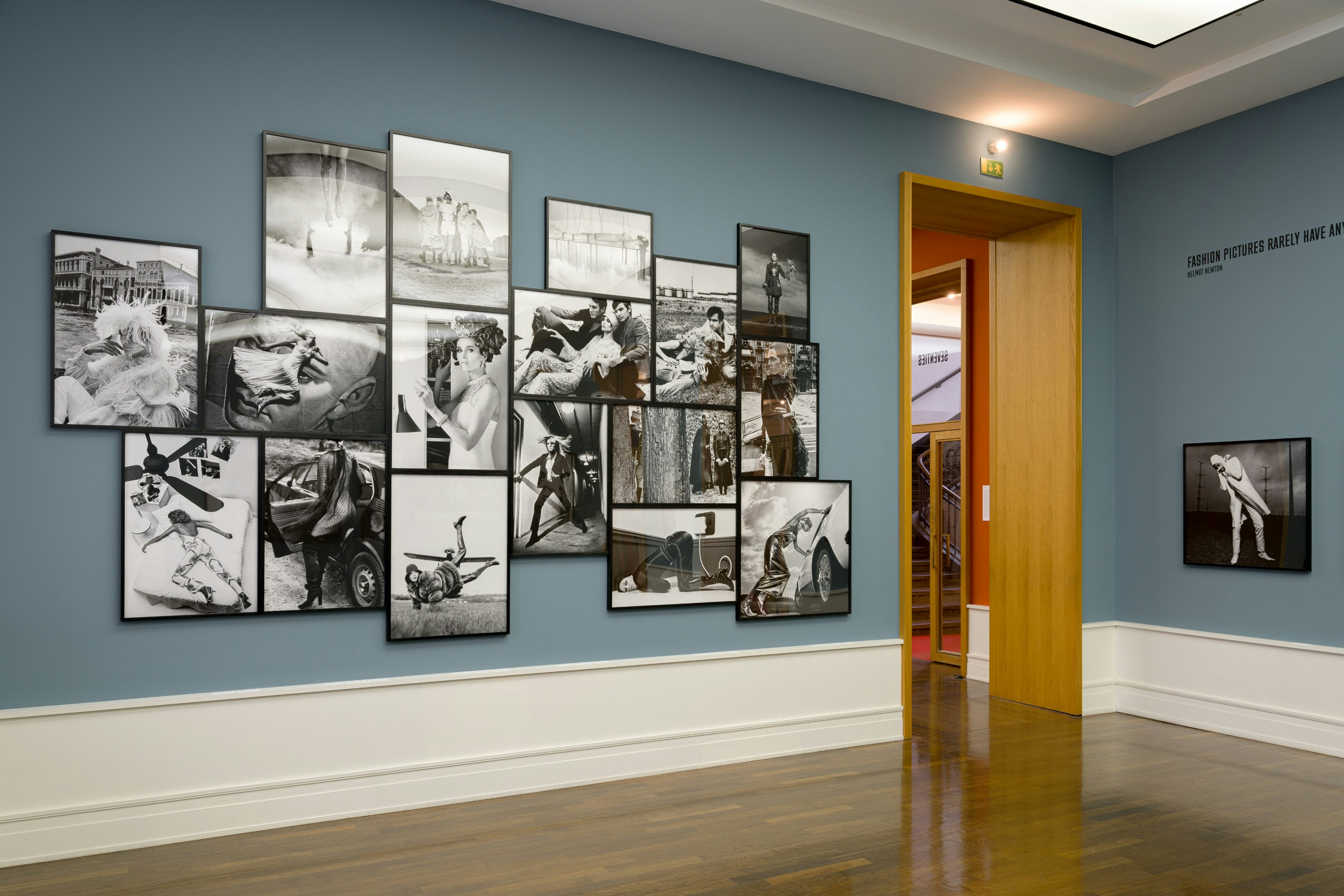
©︎ Gerhard Kassner | nstallation shot, Helmut Newton Foundation, Berlin
I am an optimist: AI will probably remain a tool, just as scissors were in the past, or Photoshop later on.
Q7. Within the German photography and art scene, are there any movements or communities that you, as a museum, feel are particularly significant?
The whole scene is constantly evolving, and seemingly at an ever-increasing pace. Artistic media and genres overlap and merge. Everything happens simultaneously and is instantly accessible via social media. It is very difficult to keep track of what is happening in art and photography – whether nationally, internationally or globally – and to remain calm.
We should counter the fast pace of today’s world with a focus on sustainability.
I’m keeping a close eye on the scene in Germany, but I can’t make out any new trends at the moment.
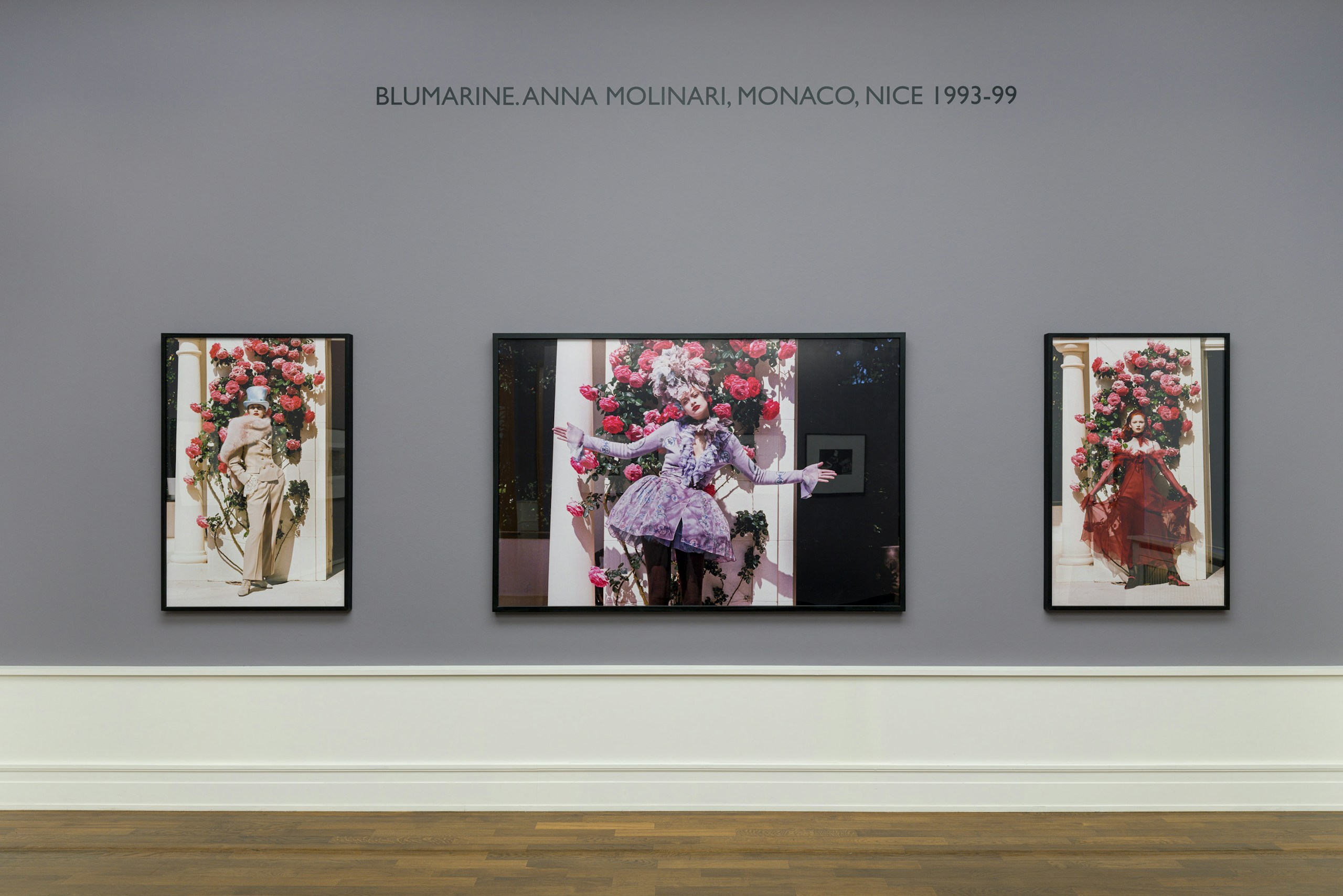
©︎ Gerhard Kassner | nstallation shot, Helmut Newton Foundation, Berlin
Q8. Do you find yourself influenced or inspired by photography media or creative scenes from other countries?
I travel a great deal, mainly within Europe, where I also work as a teacher, speaker and jury member – and, of course, I take the opportunity to look around wherever I go.
The contemporary photography scene in Finland, France and Italy is certainly interesting, but it is always individual photographers who inspire me, not schools such as the influential Becher School in Düsseldorf of the 1970s and 1980s.
And as I am a classically trained art historian, I am naturally also interested in other media, such as sculpture, painting, drawing, and even performance and dance. Every medium has its own specific characteristics – and can unsettle or enchant us.
I am very much looking forward to visiting the Venice Biennale this summer, where everything is laid out side by side, from almost every country.
Q9. Could you share what you personally hope to take on as future challenges, as well as your long-term vision for the museum, Mr. Matthias Harder?
We have just replaced the permanent exhibition on the ground floor of the museum – which has successfully showcased the life and work of Helmut Newton for over 20 years – with a huge immersive film installation.
Furthermore, the rear section of this exhibition space now features biographies of Helmut Newton and his wife June, a.k.a. Alice Springs, on the walls, over 100 posters from previous exhibitions, and vintage magazines with their publications in the display cases.
This new area, too, will change from time to time – until we have developed and installed a new, equally dynamic permanent exhibition there in about two years’ time.
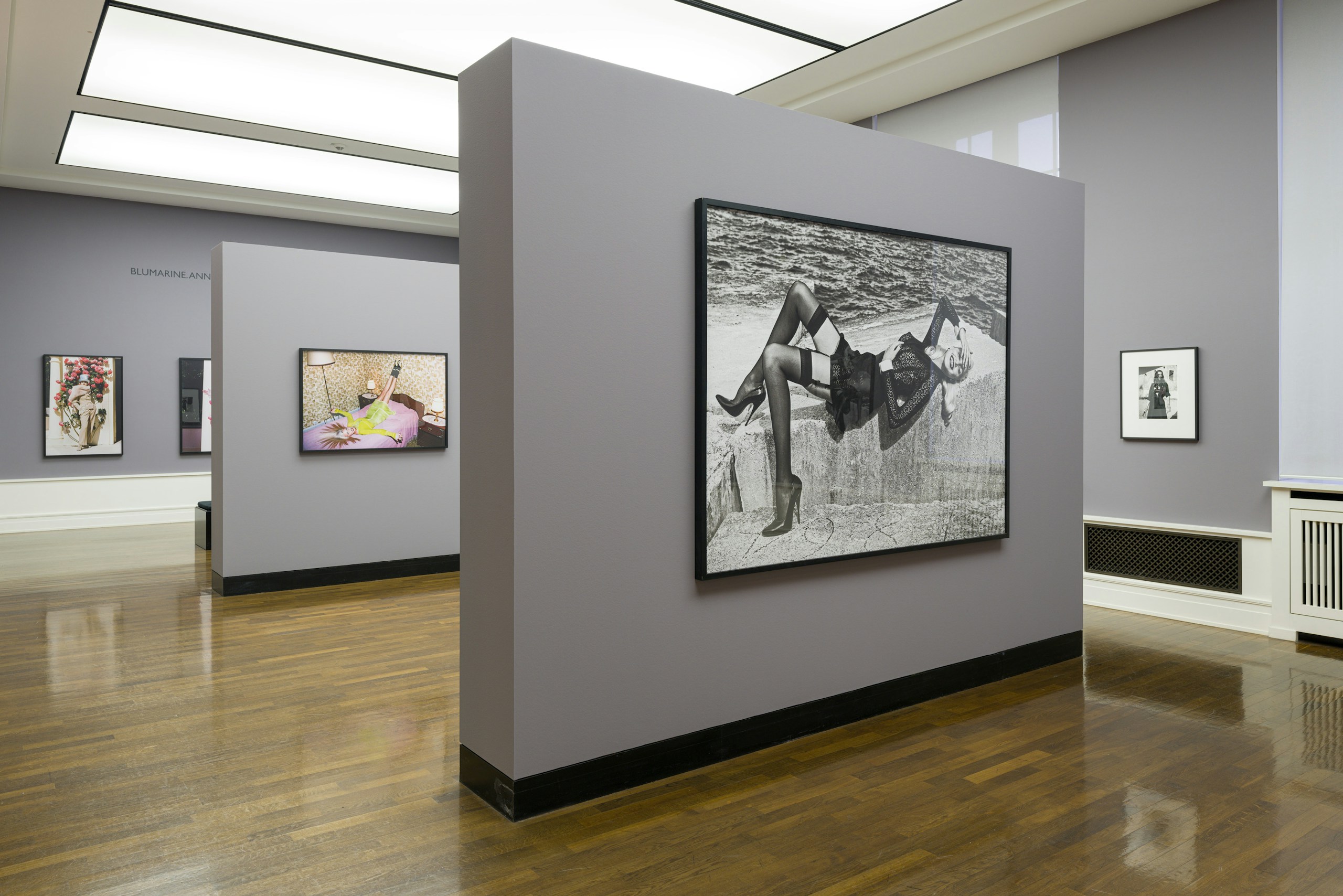
©︎ Gerhard Kassner | nstallation shot, Helmut Newton Foundation, Berlin
Four years ago, the entire archive was transferred from Monaco to Berlin, and we have been working through it ever since; everything is being sorted, catalogued and, in some cases, digitised – a mammoth task for our small team. But in the process, wonderful new discoveries keep coming to light.
So there is still much to discover, and I have developed an interesting and varied exhibition programme for the coming years. A visit to our Foundation is always worthwhile.
Q10. Finally, we would love to hear a message from the Helmut Newton Foundation for creators and art professionals around the world.
Every artist and photographer should draw inspiration, but ultimately create work that is as individual and, above all, authentic as possible – whether abstract or realistic, in whatever genre.
Of course, the parameters of image production and distribution have changed radically since Newton’s time at the end of the 20th century, and so too have the opportunities for earning a living.
He managed to inspire a wide variety of people with his unusual, often radical visual ideas, starting with picture editors, among whom he found many like-minded creative spirits.
The same applies today: build networks, work as a team and, at the same time, create your own distinctive style!