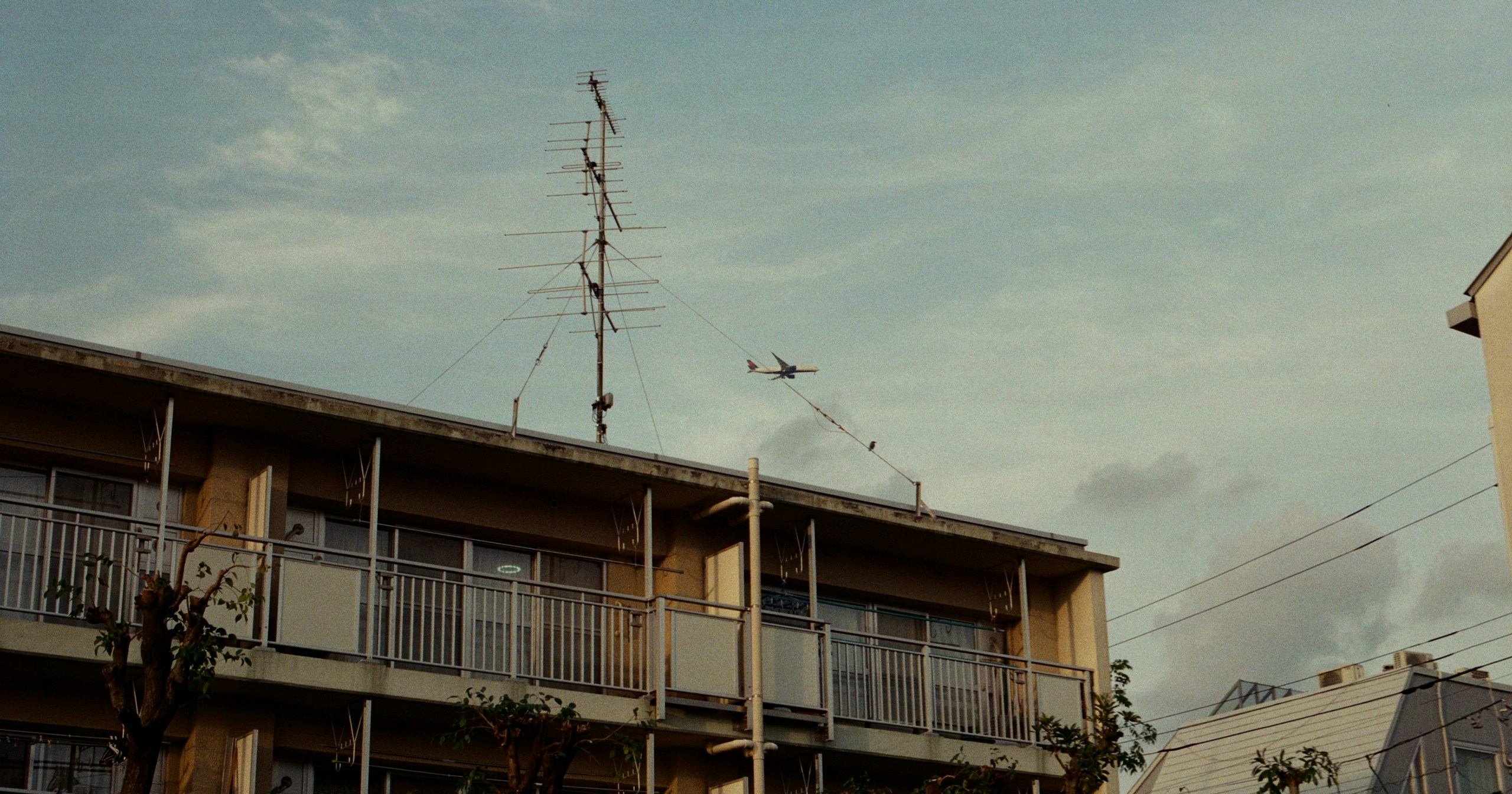
In an age where smartphones and digital cameras allow for endless shooting, the constraints of film—"24 exposures," "36 exposures"—offer a creative framework that provides new perspectives for us as image-makers.
By reading the light, considering composition, and imbuing each frame with intention before pressing the shutter, everyday walks, travels, and portraits can be transformed into intimate visual narratives.
This feature introduces ideas for applying the sensibility of film photography to your digital practice.
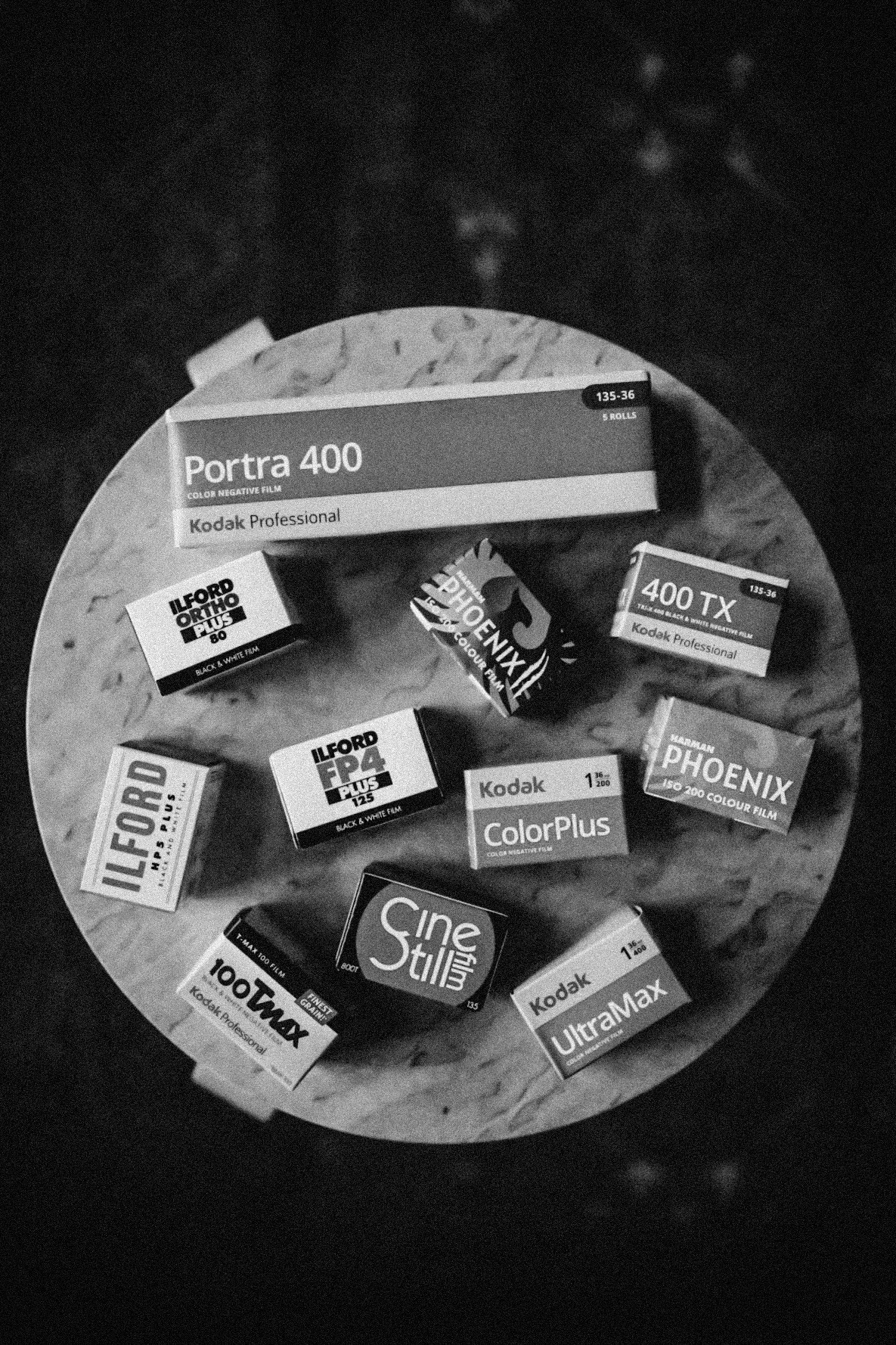
Photo by filmtaaabooo777
How the 36-Frame Limit Strengthens Your Photography
With film photography, you are always aware of the remaining frames each time you press the shutter. Rather than an inconvenience, this becomes a valuable exercise in observation. Try practicing with your digital camera or smartphone by shooting only 24 or 36 frames without reviewing the images as you go.
When you review your shots at home, you may notice repetitive compositions or missed perspectives. Next, try mixing wide shots, close-ups, and details, and approach the roll as a narrative sequence—this will help your work achieve greater cohesion as a photographic series.
24 or 36 Exposures? Choose According to Your Shooting Style
24 exposures are ideal for street photography, testing new film stocks, or trying out a new camera. The shorter roll allows for quicker completion and easier review of your results, making it especially suitable for beginners.
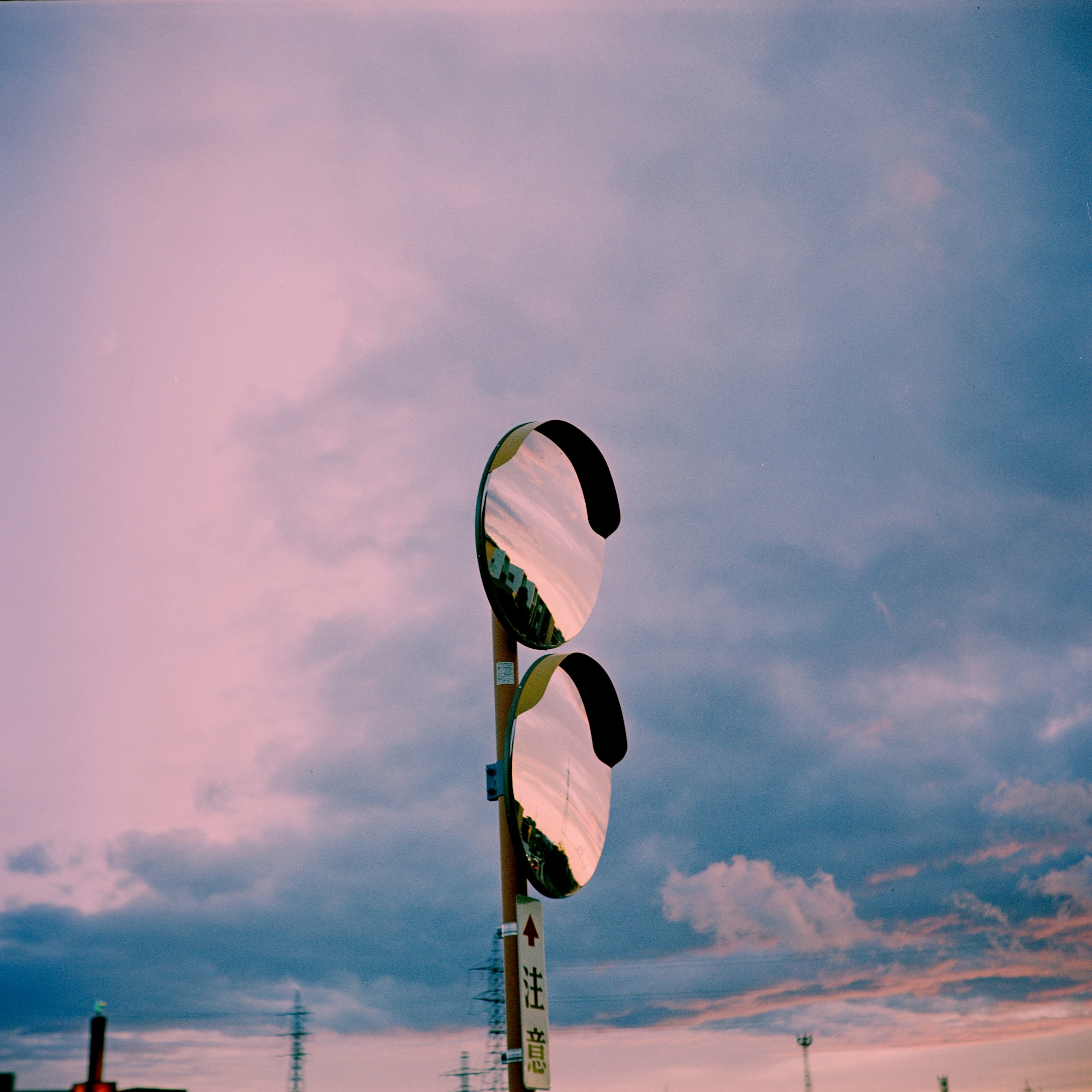
Photo by ぼんしゅー
On the other hand, 36 exposures are convenient for travel, events, or when you want to minimize lab processing costs. However, be mindful not to take "filler shots" just to finish the roll.
By deciding on a theme before shooting—such as "morning light," "textures at hand," or "the ten minutes to the station"—the remaining frames become prompts for creative expression.
Visualizing the Sequence: Planning Your Work Before Shooting
The appeal of film photography lies in the fact that you cannot see the results immediately, which cultivates your imagination before you shoot. By pausing to consider exposure, the direction of light, negative space in the background, and your distance from the subject, your photographs will gain a greater sense of intention.
Photo by Yishih
Start with a wide landscape, move in closer to capture details of people or objects, and finish with a frame that leaves a lingering impression—this sequence draws viewers into your photographic narrative. Visually, assembling a series of images of the same subject from different distances or angles can be highly effective.