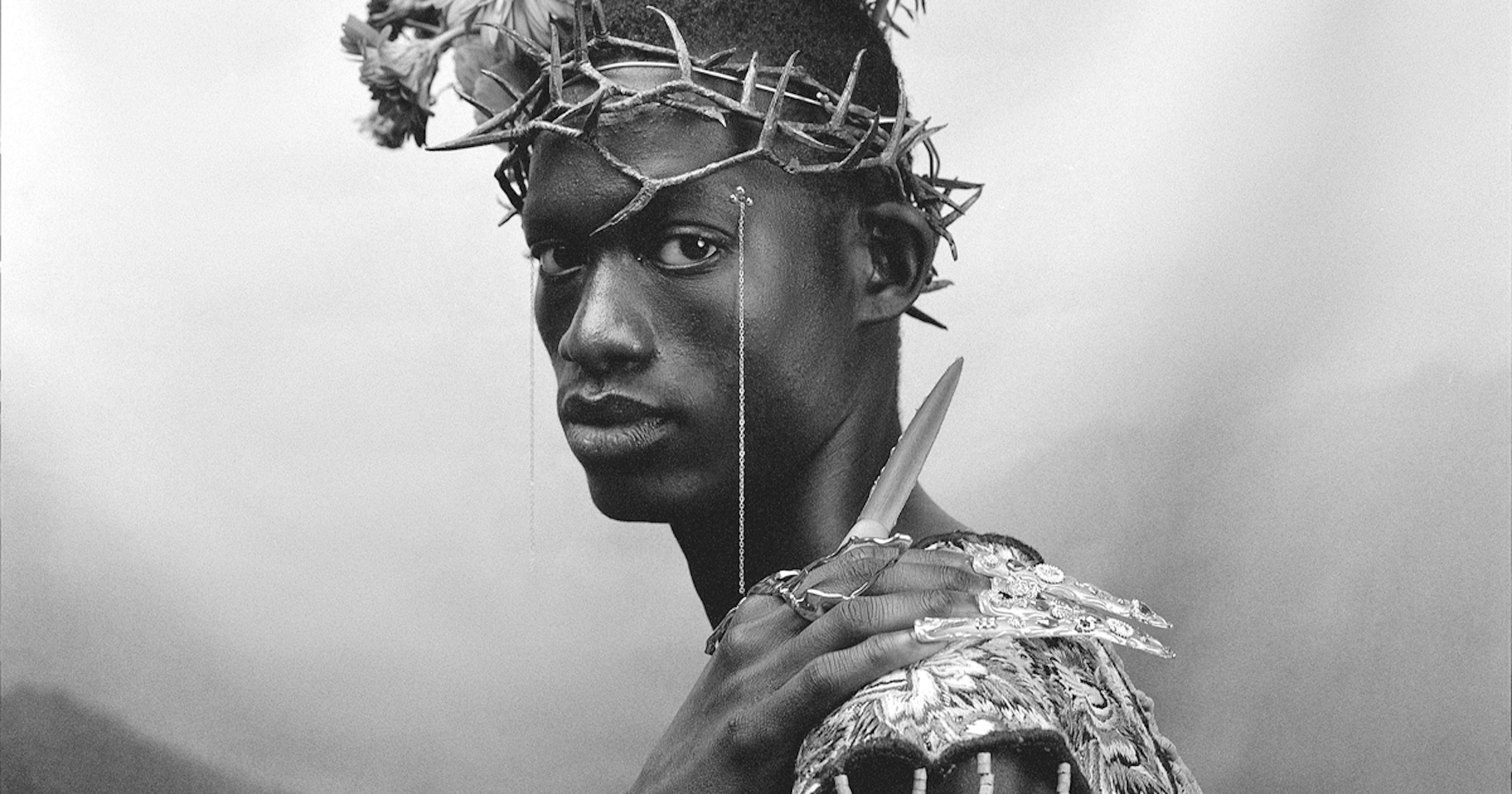
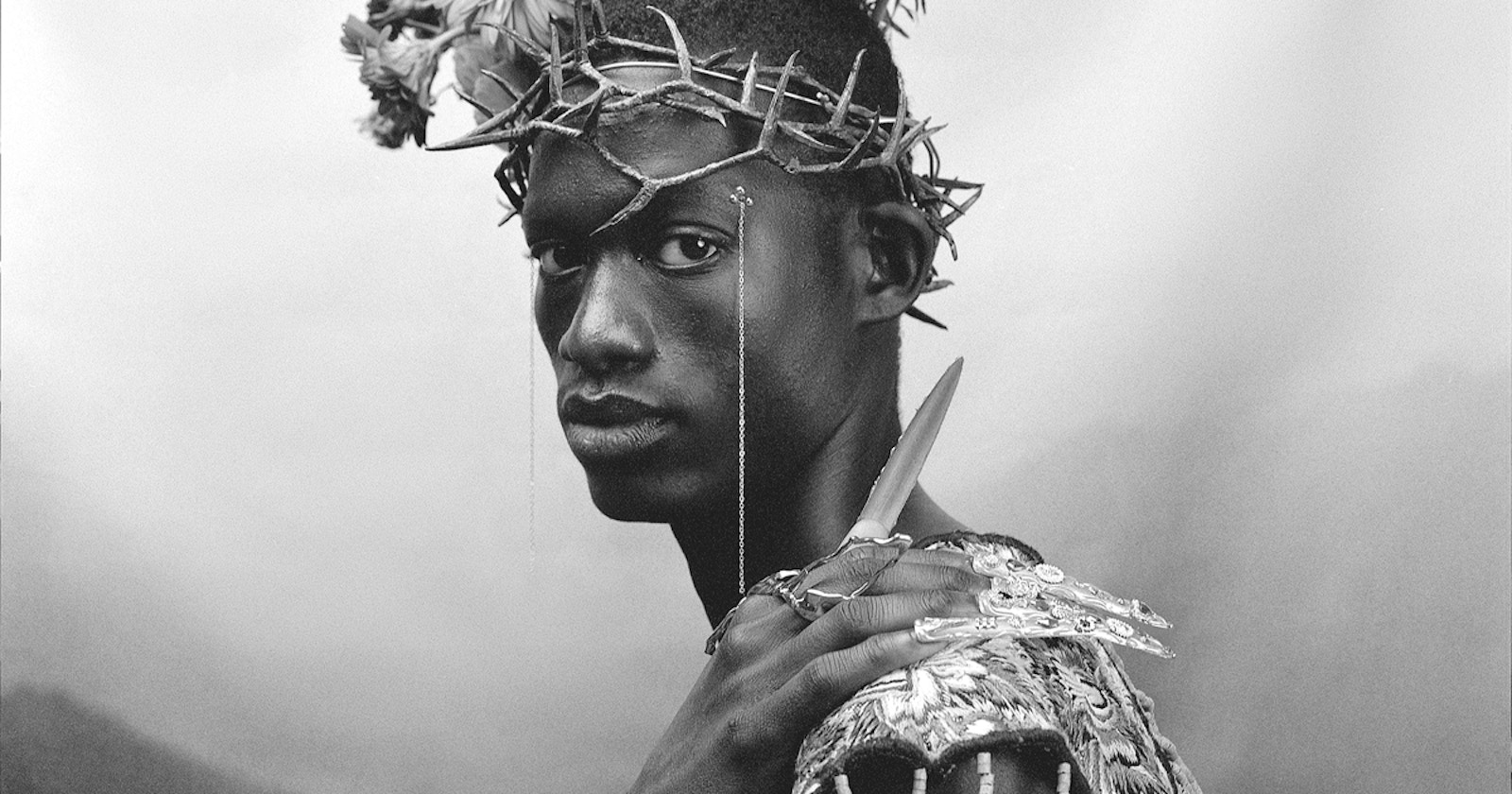
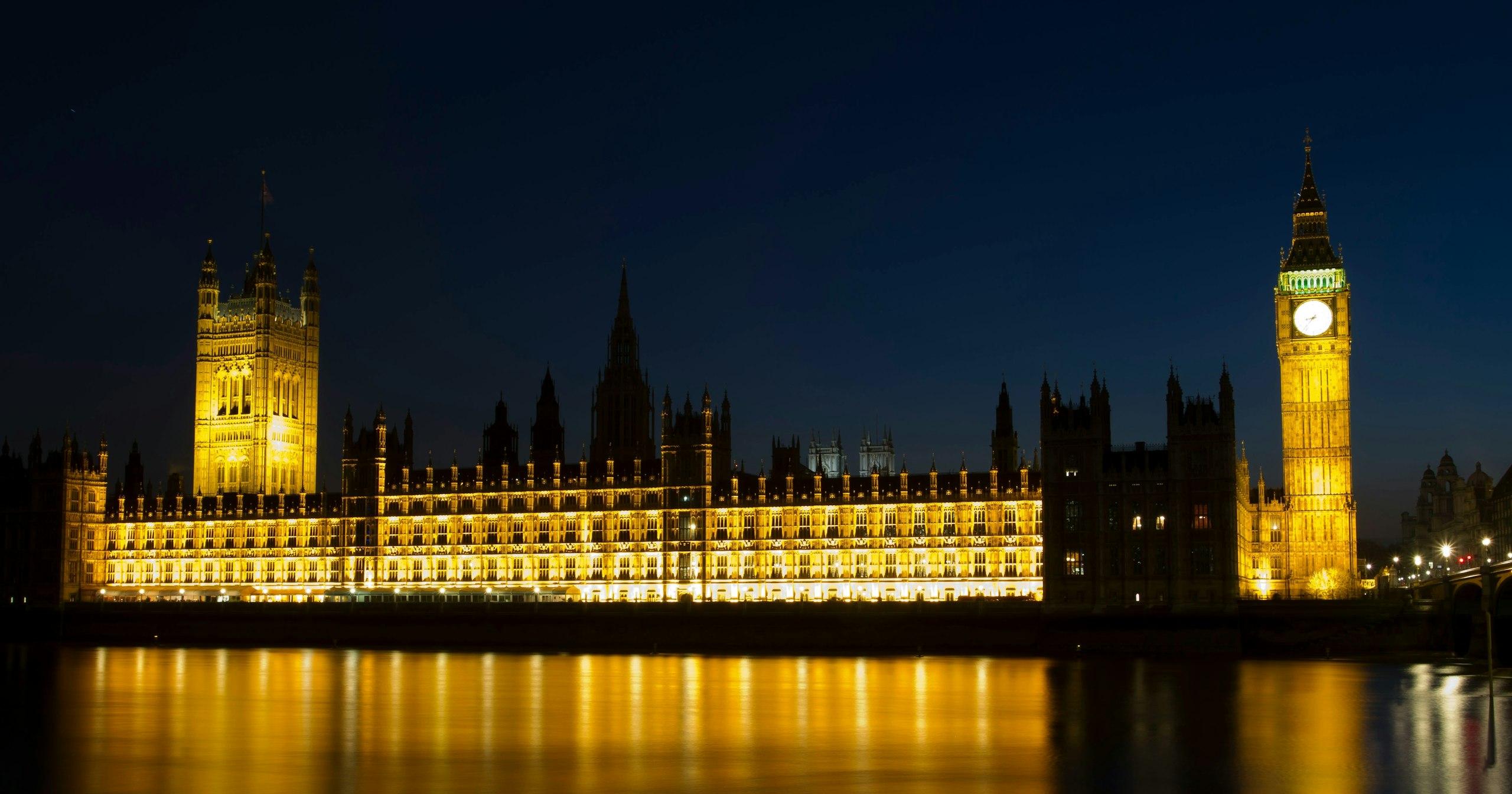
To celebrate the launch of the photo poster project in London, UK, we spoke with UK-based photographer Lucho Dávila through six questions, exploring the roots of his thinking and creative practice.
The first UK edition of ppp, which he will also take part in, will be held at Batsford Gallery on April 11 (Sat) and 12 (Sun). Applications are now open and will be closing soon.
Lucho Dávila
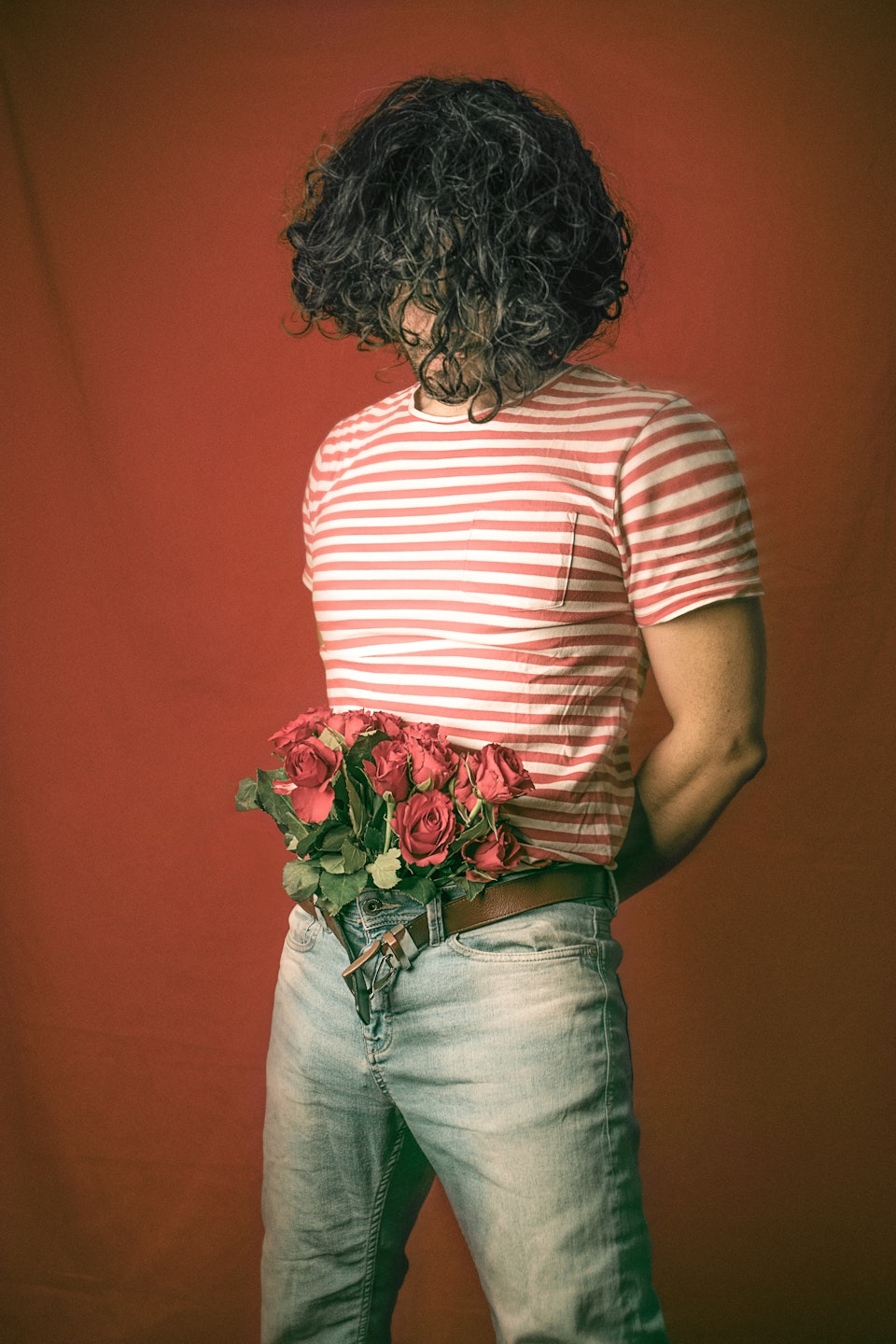
Lucho Dávila
Ecuadorian-Spanish photographer based between London and Paris. Described by Nylon Magazine as a "fusion that projects strength and a multifaceted vision," his ongoing body of work Fanesca explores cultural syncretism through Latin American folklore and fashion. Fanesca earned him the Ilford Analogue Grant, a Portrait of Britain award, and a Sony World Photography Awards shortlist. He holds an MA from UAL's London College of Fashion, where he lectures, and has been featured in Vogue, Harper's Bazaar, Forbes, and Metal Magazine.
Instagram : @iamtrece
Q1. Why do you love photography?
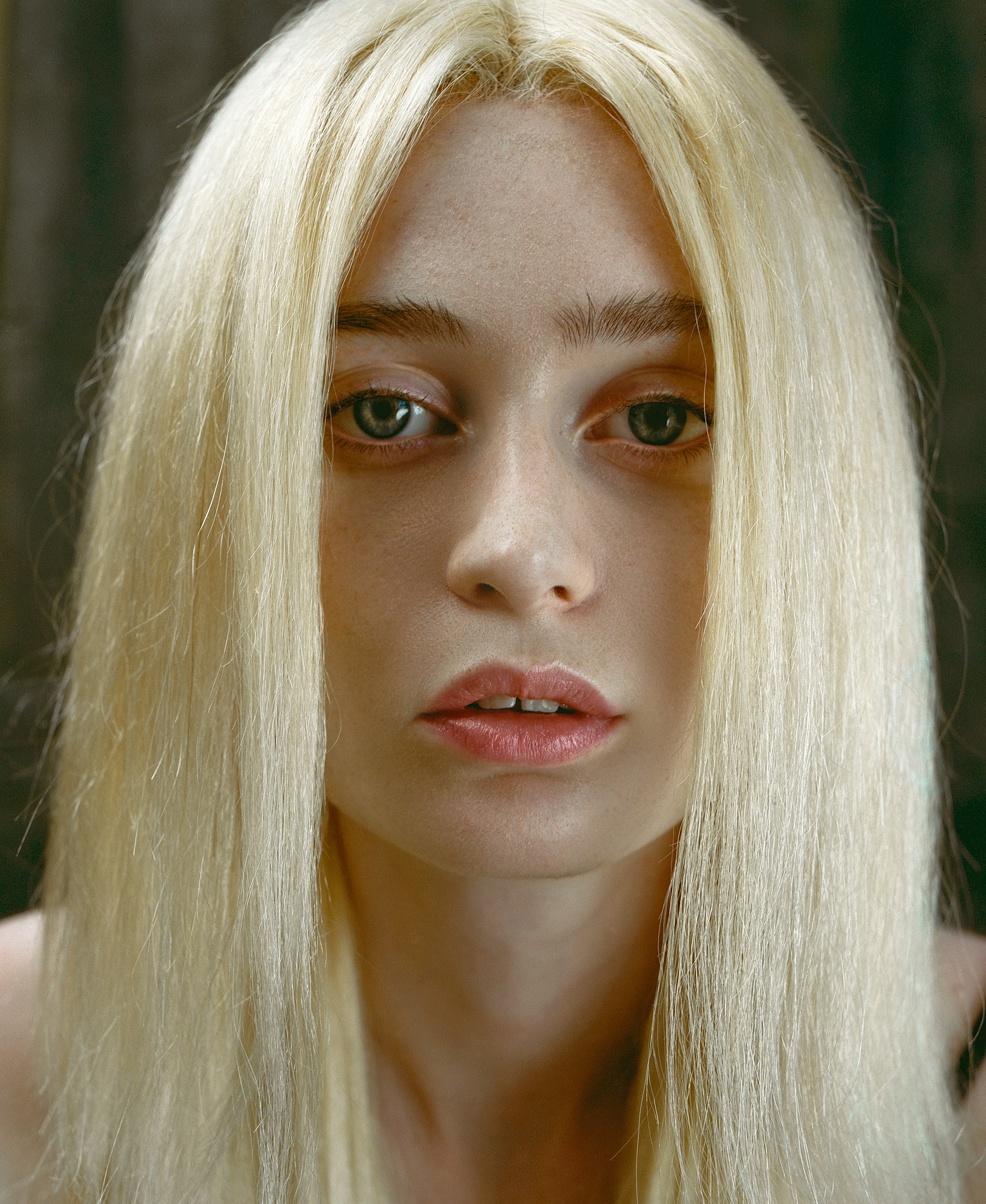
I love photography because it lets me shape reality through light. I grew up in Ecuador, where the light is hard most of the year, and I think that trained my eye early, whether I understood it or not.
But I truly discovered my passion in Japan when I was 17, on a summer train ride, watching the summer light through the window and realising how a small change in light could transform everything.
Since then, photography has felt like my clearest way of thinking. Light is the main tool, but the goal is always to create images that carry meaning and magic. I’m drawn to surreal, folklore-inspired images because we’re already surrounded by harsh imagery in the news and everyday life. I don’t want to simply replicate what we see day to day. For me, photography is a way to share Latin American magical realism with my viewers.
©︎ Lucho Dávila
Q2. How have you changed since starting photography?
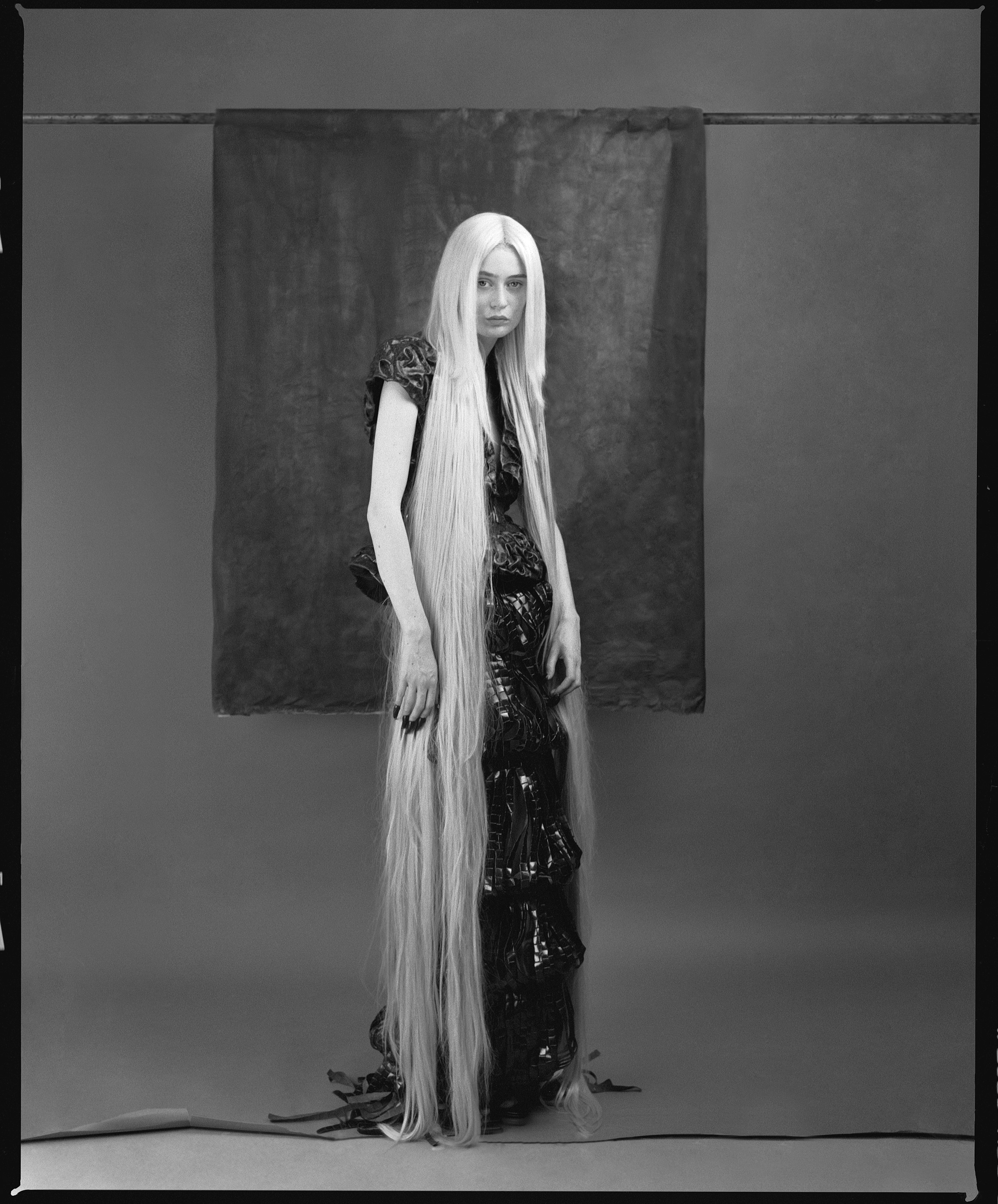
I’ve evolved both as a person and as an artist over the years. Photography educated my eye, but it also educated my mind; the more I’ve studied history, cinema, image-making, and other artists, the more my visual language has changed; and with it, my perception of the world around me. Every reference I’ve absorbed has reshaped how I see, what I notice, and what I choose to communicate.
The industry has changed me as well. Working with clients, deadlines, teams, and expectations forces you to become more intentional and disciplined; you learn to make decisions faster, defend your choices, and refine your taste.
When I look back, I’m not the same photographer who started with a 5-megapixel camera. My work is more conscious now: I think more about the meaning and context of the images I’m producing.
©︎ Lucho Dávila
Q3. What meaning do you think photography holds in the age of AI?
In a world where images are generated in mass and creativity has been reduced to replicating existing ideas, photography becomes a craft again.
I've always believed photography is just a tool. What matters is the idea behind it. And I think AI proved that.
The moment everyone had the same tools for free and still couldn't achieve the same results, the value of real creativity went up, not down.
Technique can be replicated. A genuine point of view can't. Now, more than ever, what you have to say matters more than the camera you're holding.
Q4. What do you want to convey through your photography?
Through my work, I study where I come from and where I'm going.
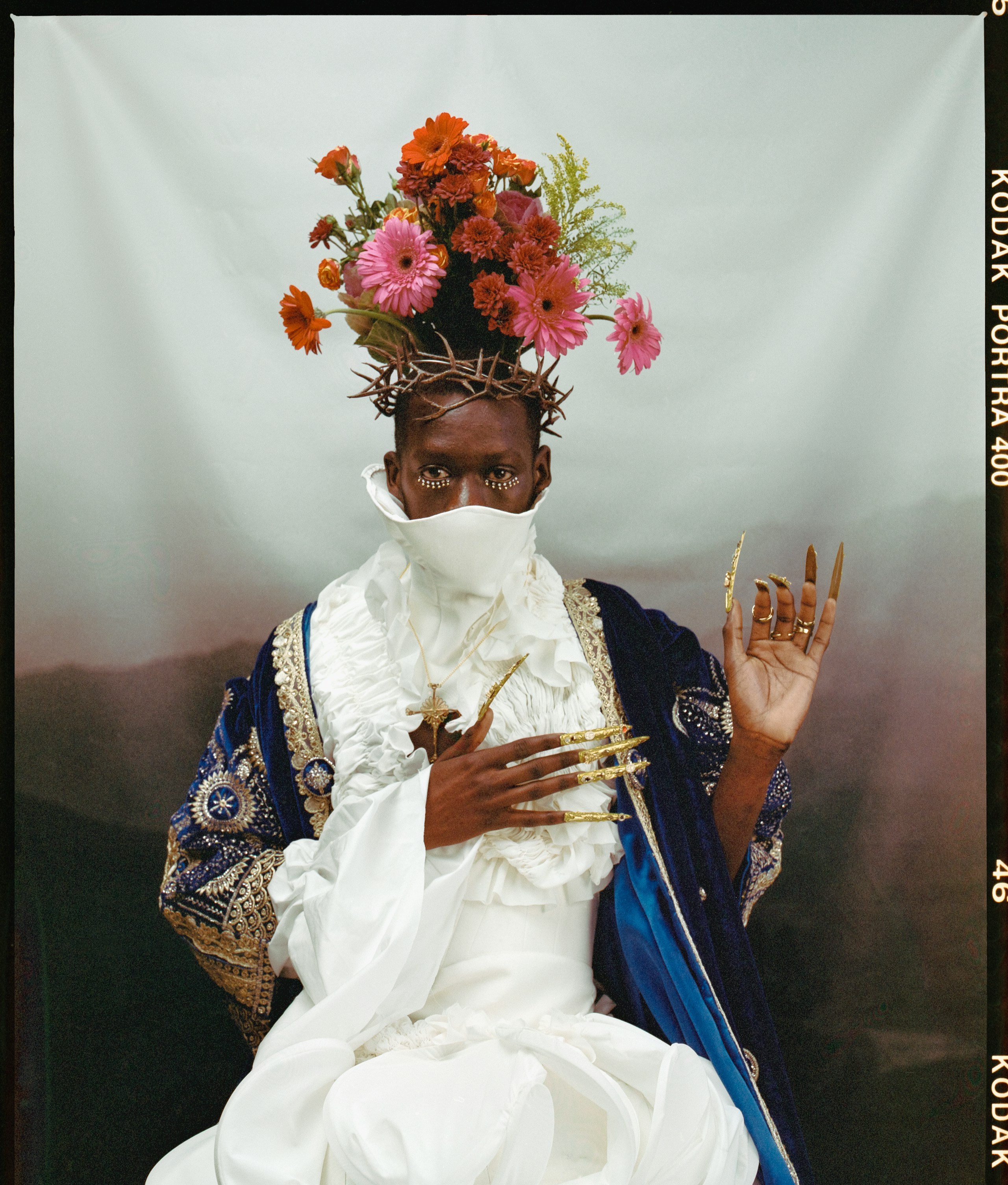
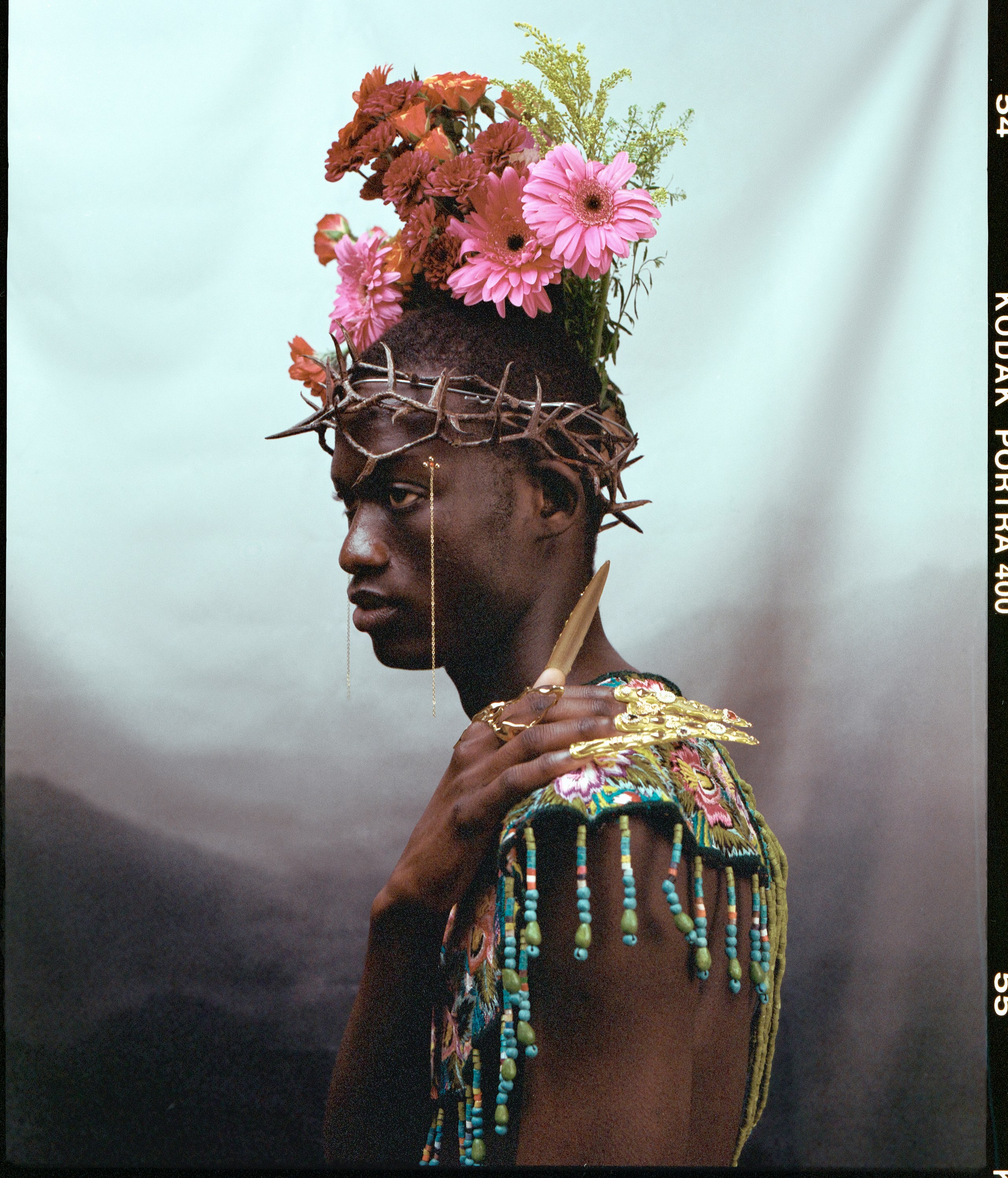
My ongoing body of work, Fanesca, is a reflection on my mixed Spanish-Ecuadorian heritage, and on how foreign influences shape cultures that never asked to be shaped, yet end up adopting ways of expressing themselves that aren't originally theirs.
Fanesca celebrates that syncretism through the lens of magical realism, because Latin America is this beautiful, unexpected mix of ingredients that somehow turned out extraordinary.
With this work, I'm trying to share my culture with the world, and honestly, remind myself how lucky I am to be Latino.
©︎ Lucho Dávila
Q5. What drives you to keep creating?
Latin America has such a rich and layered history that it can feel overwhelming at first, but once you start understanding it, it becomes incredibly welcoming.
My drive comes from wanting to learn more about that past, and from translating what I discover into images.
There's always another story, another character, another tradition that hasn't been told yet.
That feeling of never being finished is what keeps me going.
Q6. What made you decide to join ppp?
I joined ppp because cizucu invited me to take part, and I loved the idea of sharing my work in a public, printed format. I’m genuinely grateful to be included, and excited to contribute to a project that brings photographers together and creates a direct connection with new audiences.
©︎ Lucho Dávila