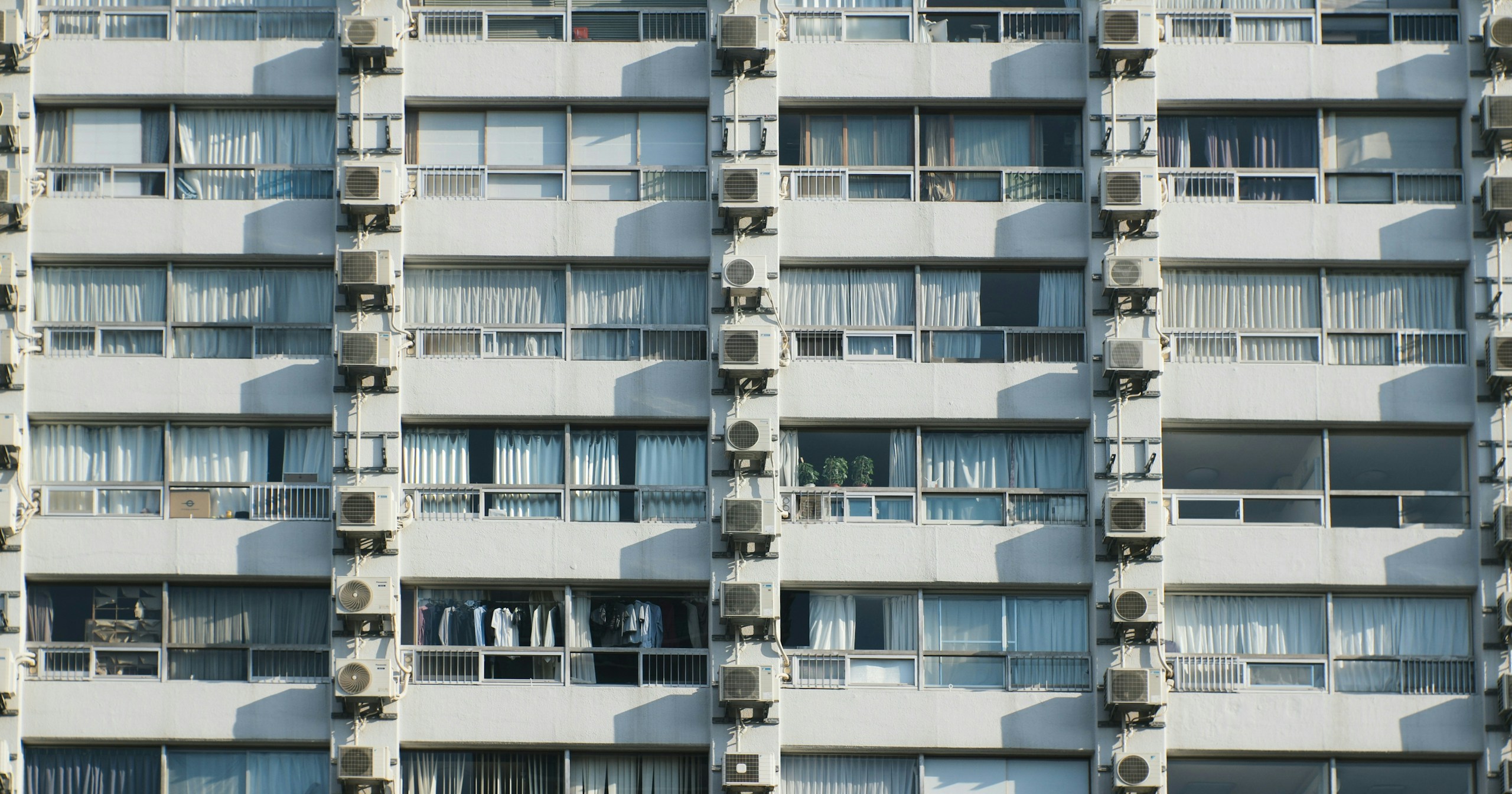
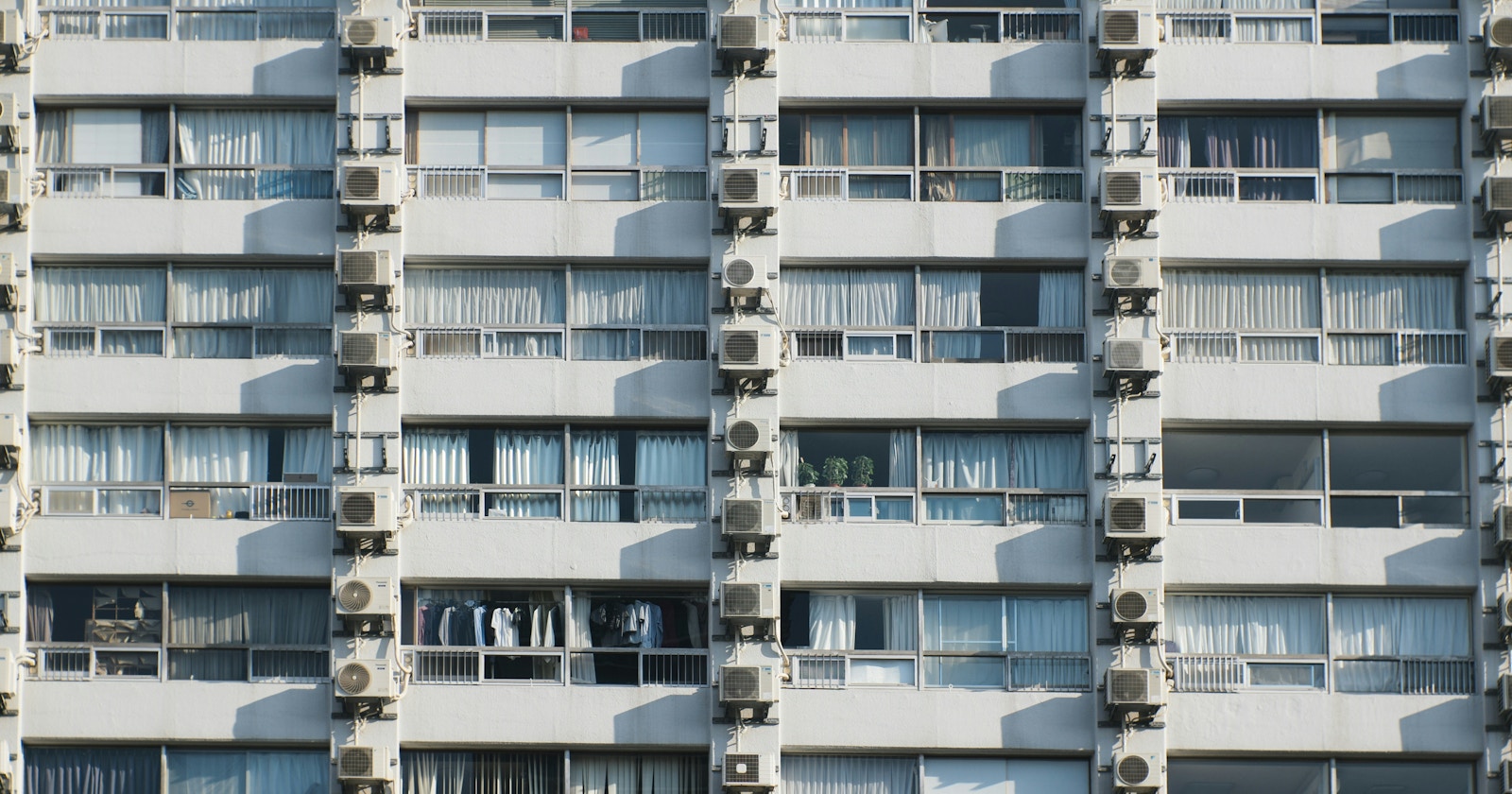
“Why are there stripes in my photo?” If you’ve ever noticed mysterious banding in images taken at night or indoors, you’ve encountered the so-called flicker phenomenon—a photographic 'trap' caused by the interplay between artificial lighting and shutter speed.
This article covers the origins of banding, practical prevention methods, and even creative ways to incorporate flicker into your visual language. Accidental noise could become the key to new photographic expression.
Why Do Stripes Appear? The Truth Behind the Flicker Phenomenon
The flicker phenomenon arises because artificial lights such as fluorescent and LED sources flicker at speeds imperceptible to the human eye. When the camera’s shutter speed is out of sync with the frequency of the light source, the resulting mismatch manifests as visible banding in your images.
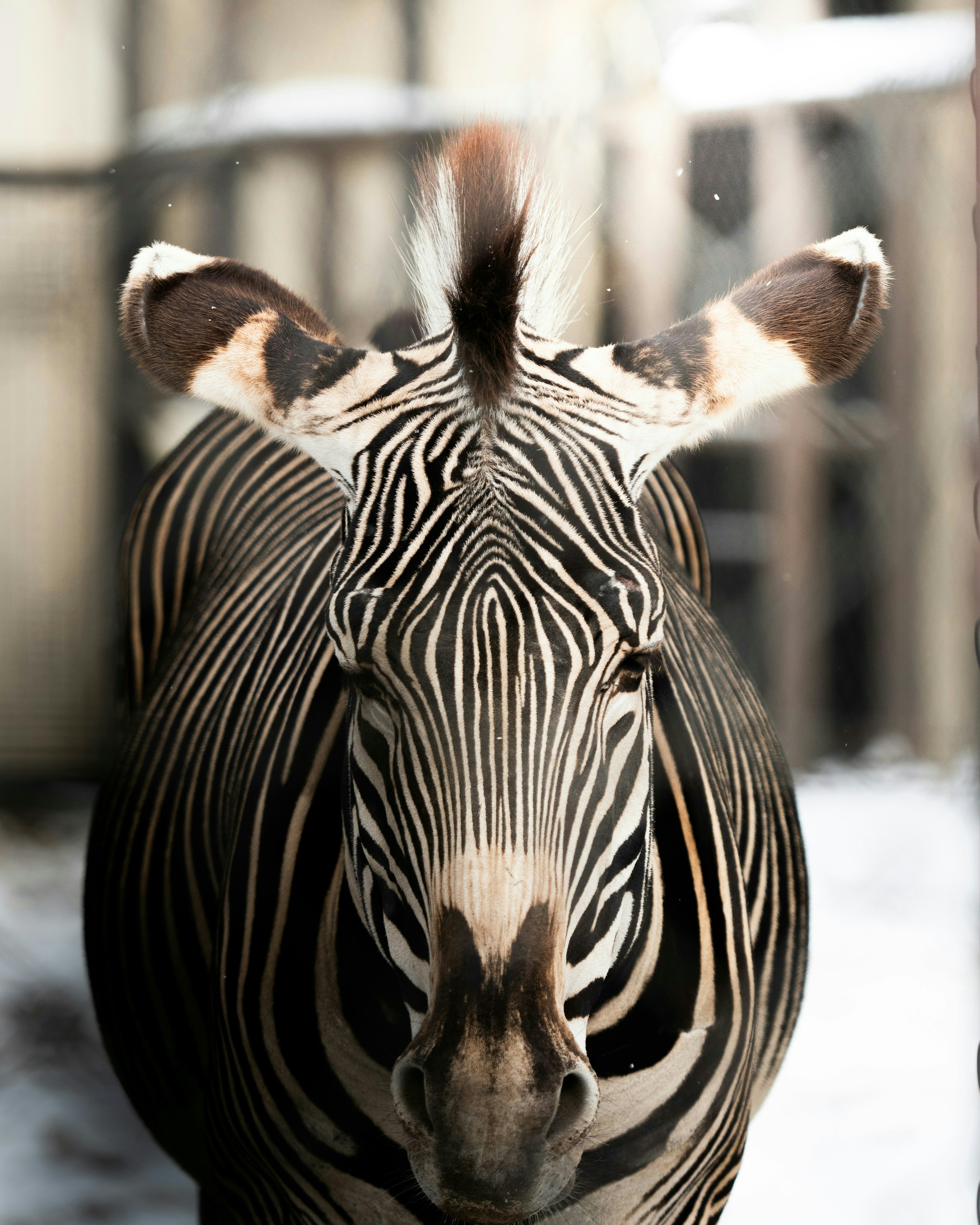
Photo by はくらく
This can occur with both smartphones and mirrorless cameras, especially when shooting at night or indoors. Fortunately, understanding the mechanism makes prevention surprisingly straightforward.
Three Essential Techniques to Prevent Flicker During Shooting
Preventing flicker starts with a few simple adjustments before you shoot. First, enable the 'anti-flicker' or 'banding reduction' feature available on most cameras and smartphones. This function automatically detects the frequency of the light source and compensates to minimize visible banding.
Next, pay close attention to your shutter speed settings. In Japan, power frequency varies by region: set your shutter speed to 1/100 sec in eastern Japan and 1/120 sec in western Japan to reduce the risk of flicker. Using an arbitrary shutter speed without this consideration increases the likelihood of banding, so be mindful.

Photo by nako
Another effective strategy is to reconsider your light sources. If the lighting at your location is prone to flicker, try switching to LED lights with minimal flicker or adjust the angle of the lighting to reduce reflections on your subject. Mastering light management enables you to create clear, band-free images.
Transforming Noise into Expression: A Creative Approach
It’s a missed opportunity to dismiss banding as a mere failure. By intentionally embracing flicker as a visual element, you can craft abstract, digitally inspired imagery.
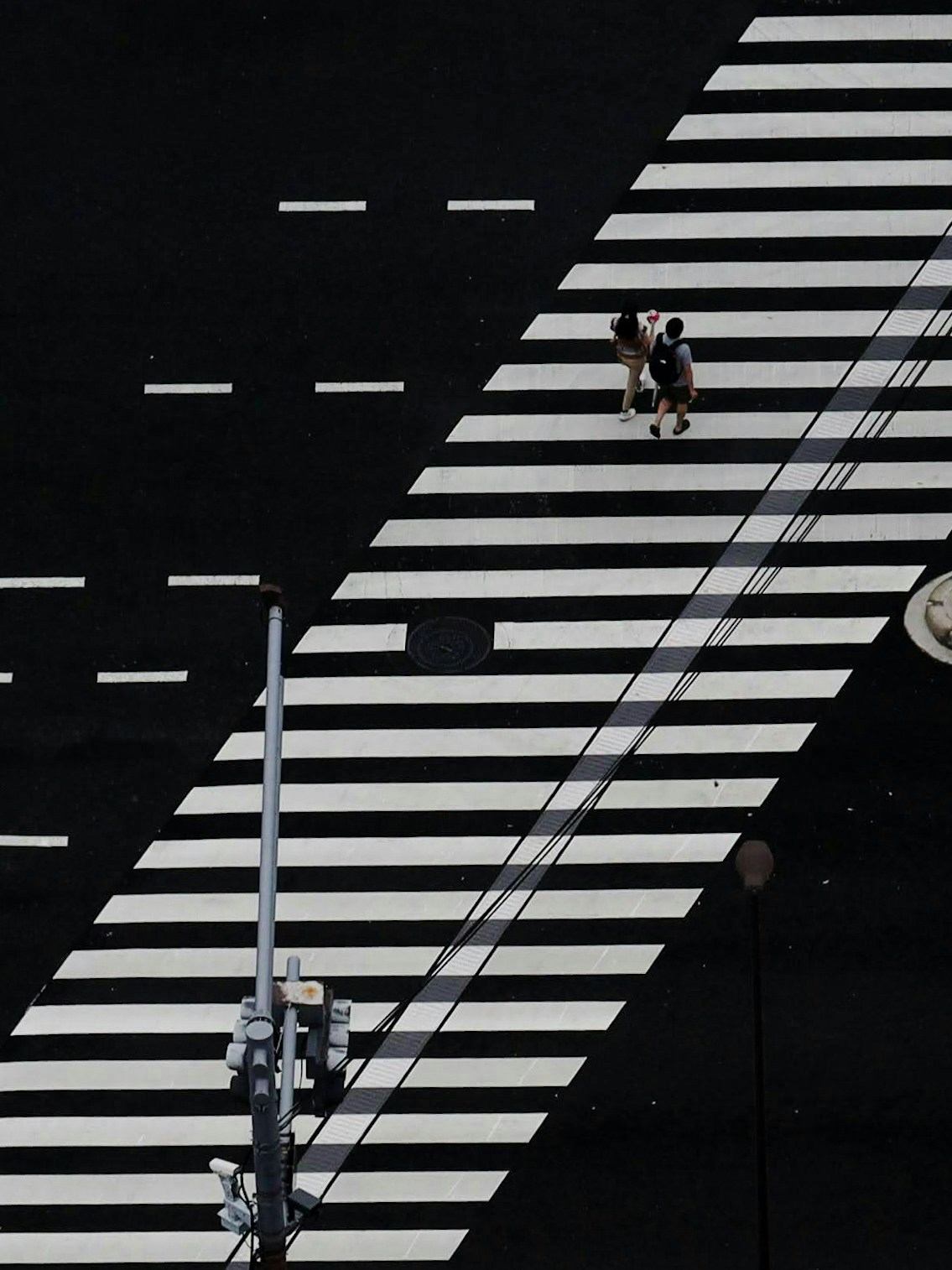
Photo by Shun
By deliberately capturing banding with a fast shutter speed and experimenting with color and composition, you can transform 'accidents' into art. Embracing noise as a creative resource may well be the key to contemporary photographic expression.