MAGAZINE
MAGAZINE
MAGAZINE
MAGAZINE
By cizucu ·

Cover photo by yuta
Now that smartphone image quality has matured, one of the key values expected from APS-C cameras is dynamic range. The ability to preserve highlight and shadow detail in backlit or night scenes, and to recover tonal information in post-production, directly expands creative freedom in photographic expression.
However, when examining measured data, top-tier APS-C cameras are closely aligned, with little to distinguish them. In this feature, we draw on various measurements and sensor comparisons to present a selection strategy that goes beyond the numbers, and share approaches for leveraging dynamic range in your photography.

Photo by saka
The dynamic range at base ISO for current APS-C cameras converges within a similar band. Models such as the X-H2 and X-T5, as well as 's APS-C lineup, are among the top performers, but the difference is limited to about 0.3 to 0.5EV.
In other words, we are no longer in an era where dynamic range alone determines the superiority of a camera. While newer backside-illuminated sensors tend to have an edge, in real-world use, exposure technique and post-processing latitude have a greater impact.
APS-C sensors are more compact than full-frame, yet offer better low-light performance and tonal latitude than Micro Four Thirds. Literature comparing sensor formats often notes that the dynamic range difference between APS-C and full-frame is about 0.5 to 1EV, and between APS-C and Micro Four Thirds is around 1EV—differences that are rarely decisive.

Photo by Meng Jhe Lu 呂孟哲
As a result, APS-C occupies a balanced position between portability and image quality, making it a versatile format for landscape, street, and portrait photography alike.
To make the most of dynamic range, operational technique is more important than camera selection. The basic approach is to expose for the highlights and recover shadow detail in RAW post-processing. Practicing with backlit portraits, cityscapes at dusk, or scenes combining indoor and window light will make the differences more apparent.
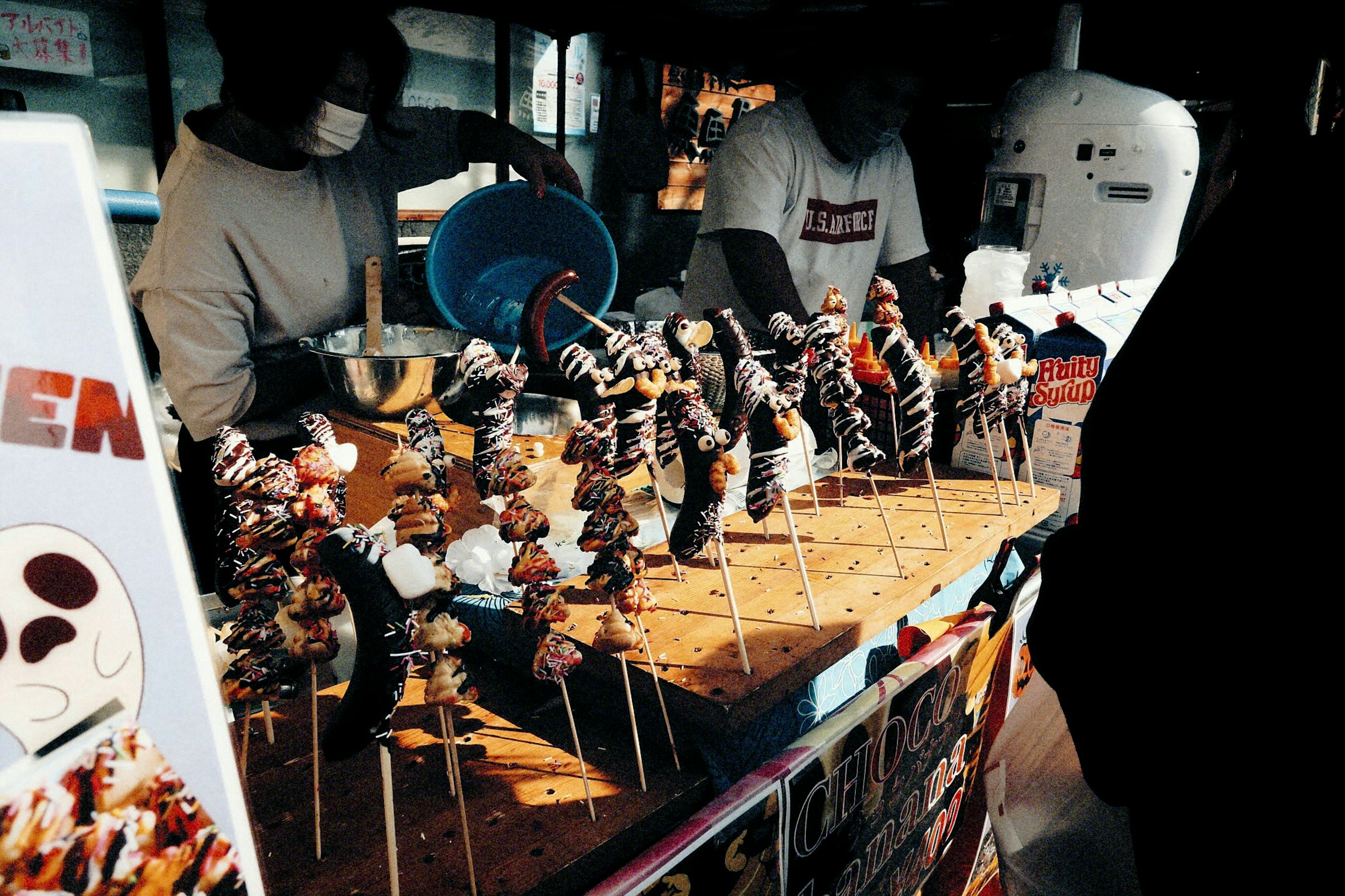
Photo by RYUURI
When choosing among high-end APS-C models, it is rational to prioritize autofocus performance, image stabilization, lens lineup, and handling. Consider dynamic range as a 'minimum requirement'—overall expressive capability is determined by the system as a whole.


