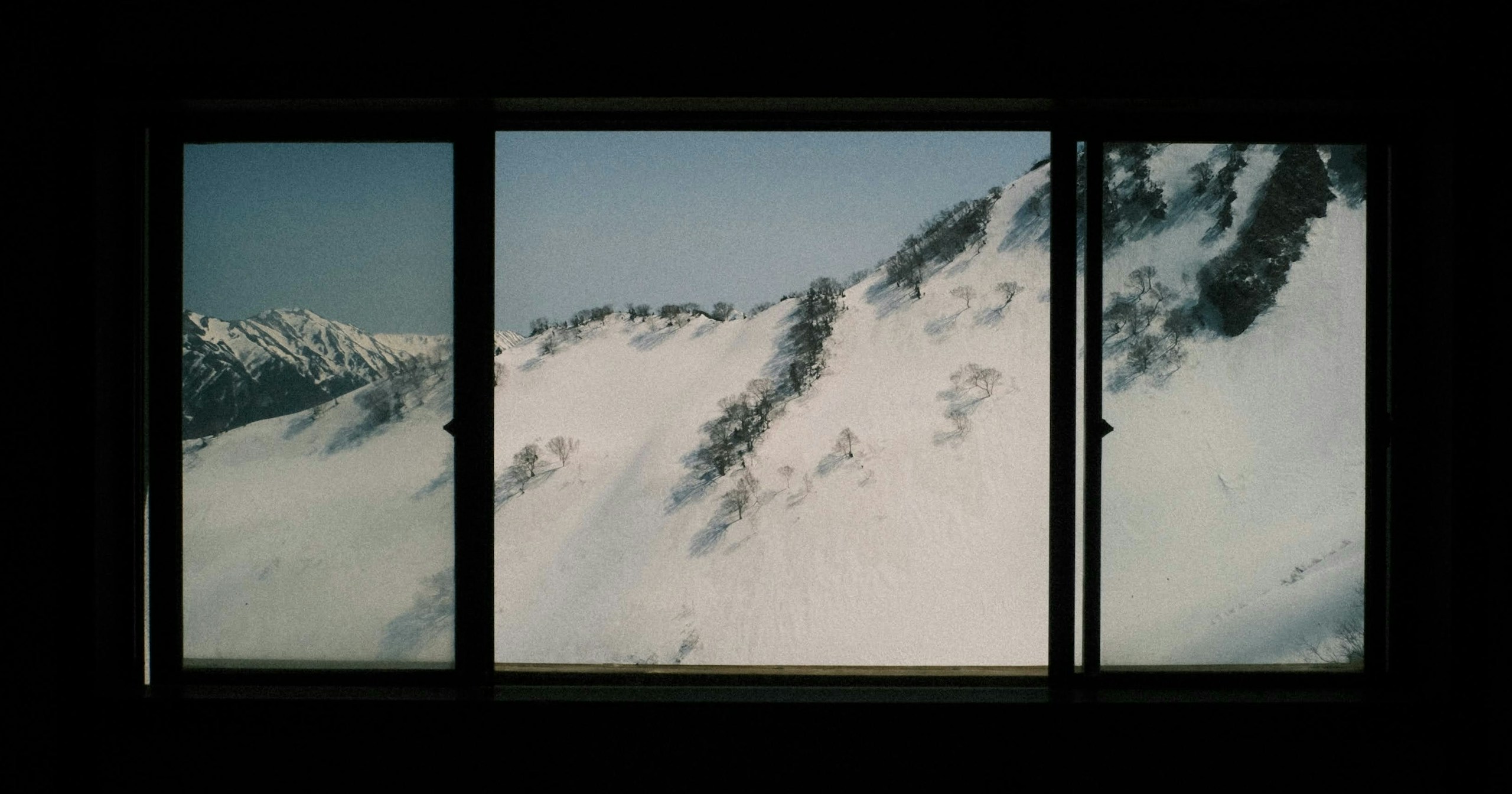
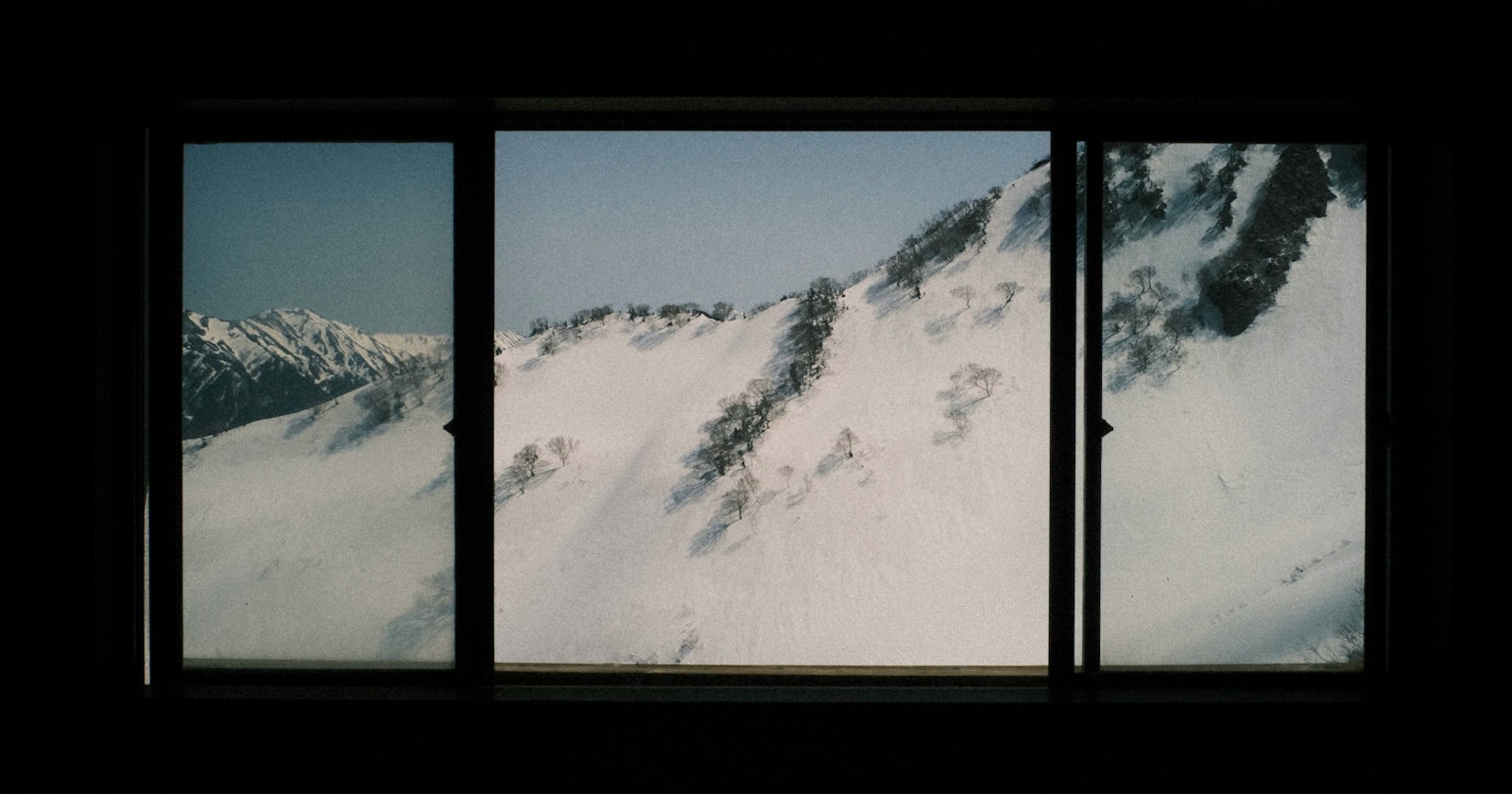
A snowy landscape enveloped in white is like a blank canvas—what you choose to create upon it is entirely up to you. Through your choice of subject, camera settings, and a touch of imagination, even the most familiar scene can be transformed into a strikingly individual work.
This feature presents ideas to ensure your winter photography is more than just 'white pictures,' offering tips for discovering your own distinctive 'color' and creative approach.
White Is Never Just One Shade
Have you ever struggled to capture the true essence of 'white' in a snowy scene? Automatic white balance often renders snow with a bluish cast. By intentionally adjusting the color temperature manually, you can emphasize a sense of coldness or highlight the warmth of sunset, allowing the snow to convey the very 'atmosphere' of the moment.
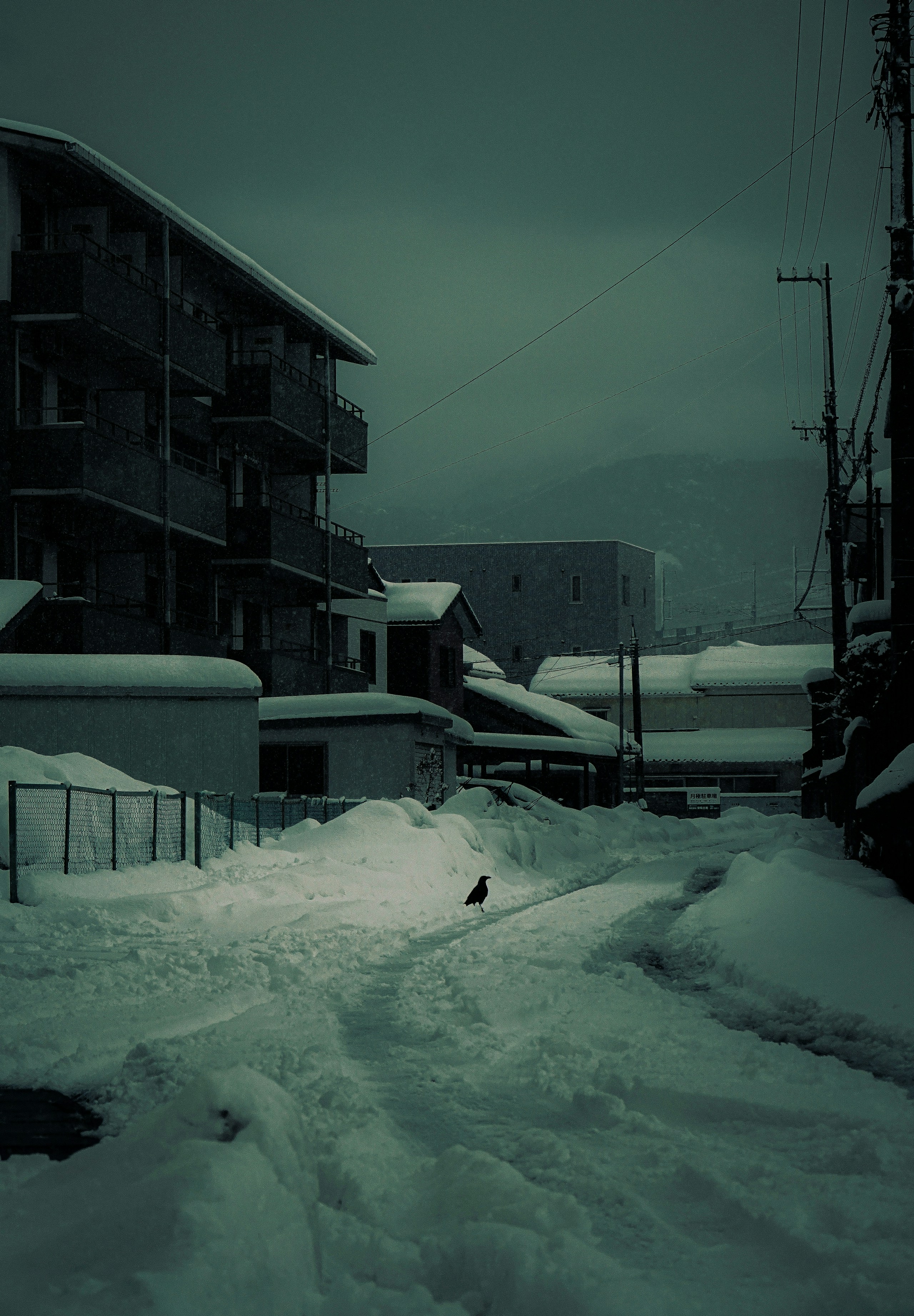
Photo by 小原絃達
Expressing Individuality through Composition and Color Contrast
In a snowy scene, subjects with vivid colors stand out—think red scarves, black branches, or colorful umbrellas. Where you place these 'accent colors' within your frame can dramatically alter the overall impression of your photograph.
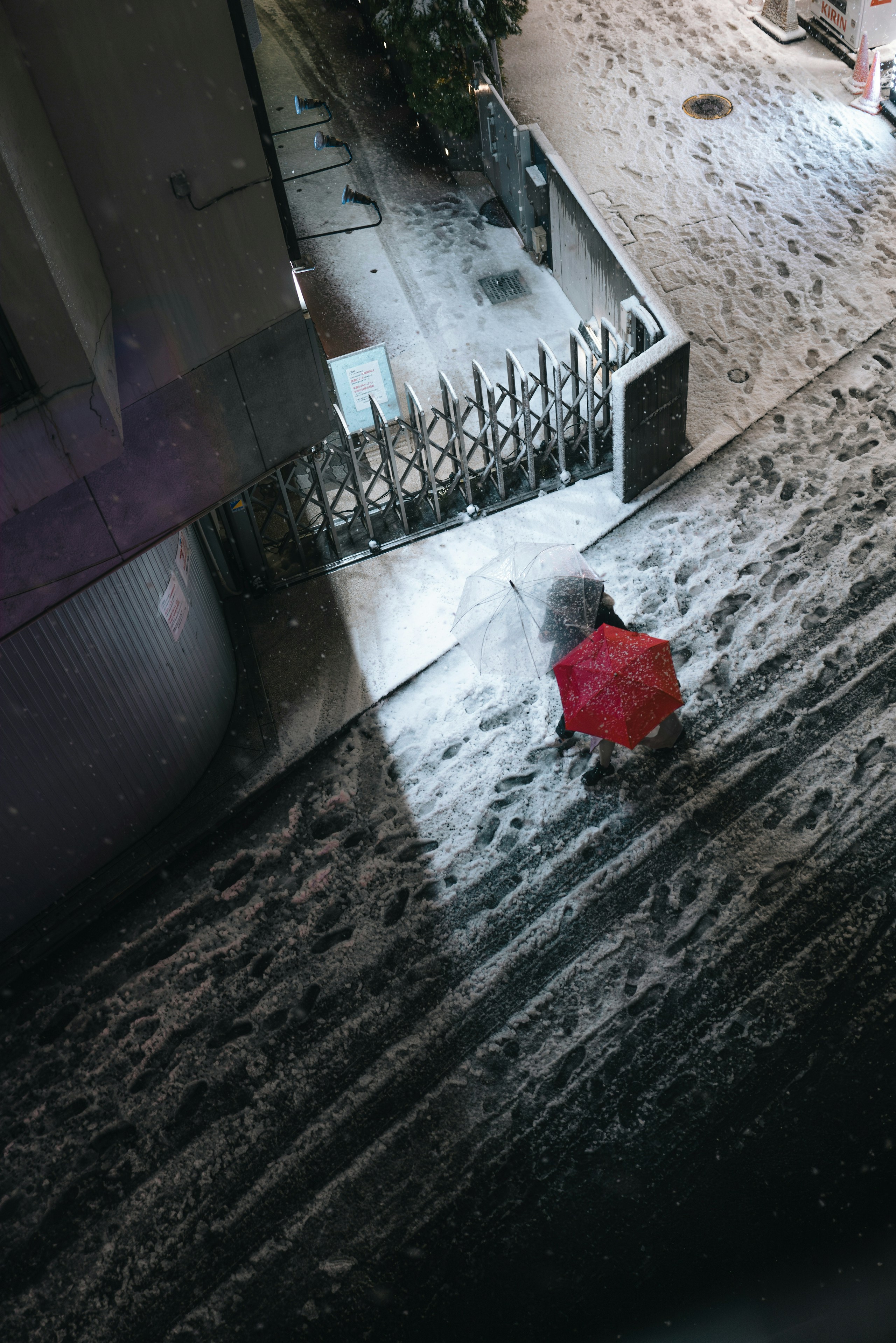
Photo by Ka2
Additionally, compositions that evoke 'traces'—such as a figure seen from behind or footprints in the snow—can elicit emotion. Seek out the 'narratives' within the snow that resonate with your own sensibility.
Painting with Light through Exposure and Texture
Because snow reflects light so well, automatic exposure settings often result in images that appear too dark. By applying positive exposure compensation to restore the snow's natural brightness, and by paying attention to shadows and surface contours, you can convey a sense of depth and atmosphere.
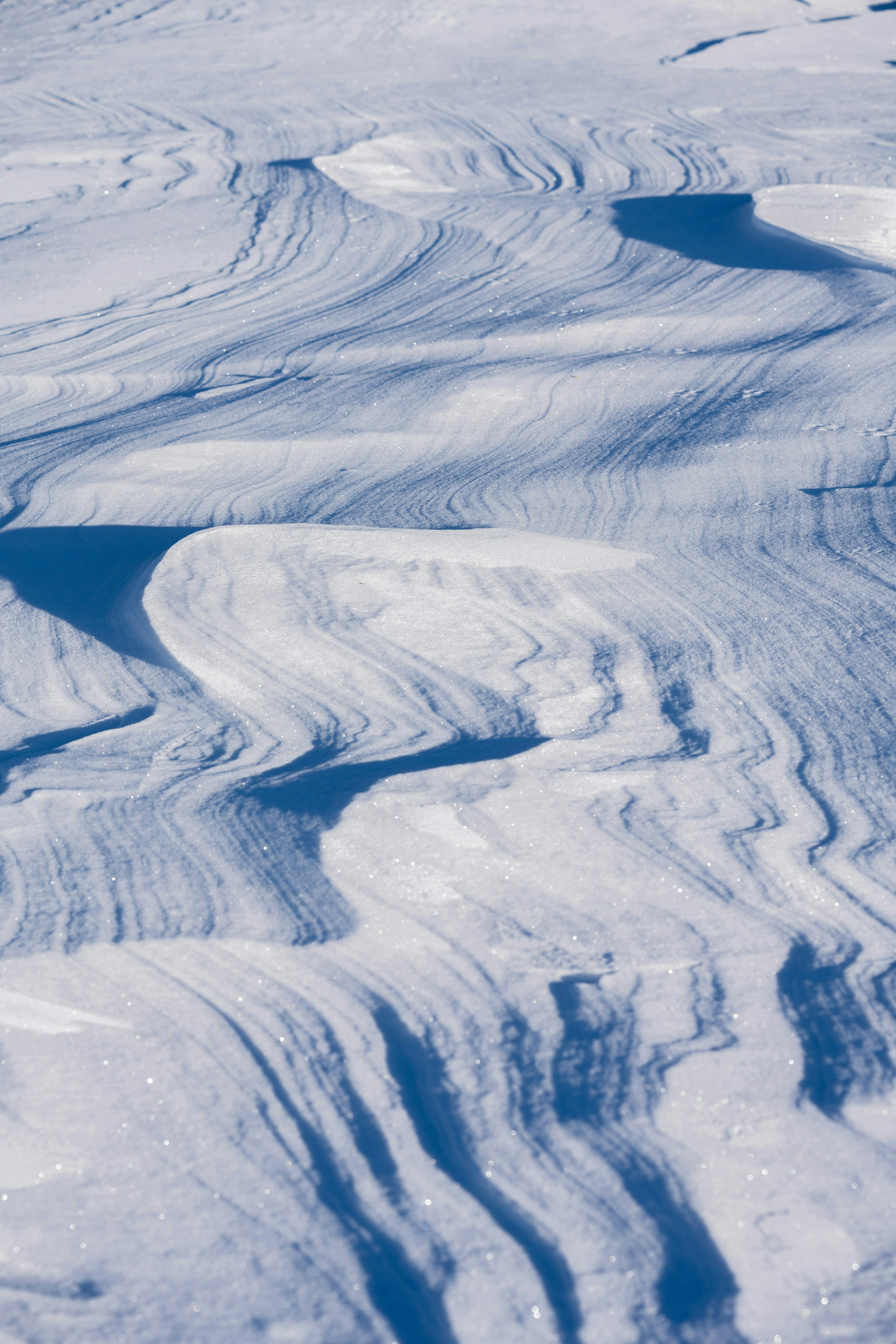
Photo by Junya
Experimenting with backlighting or side lighting can also help you capture the soft textures and sparkling granularity of snow.