MAGAZINE
MAGAZINE
MAGAZINE
MAGAZINE
By cizucu ·
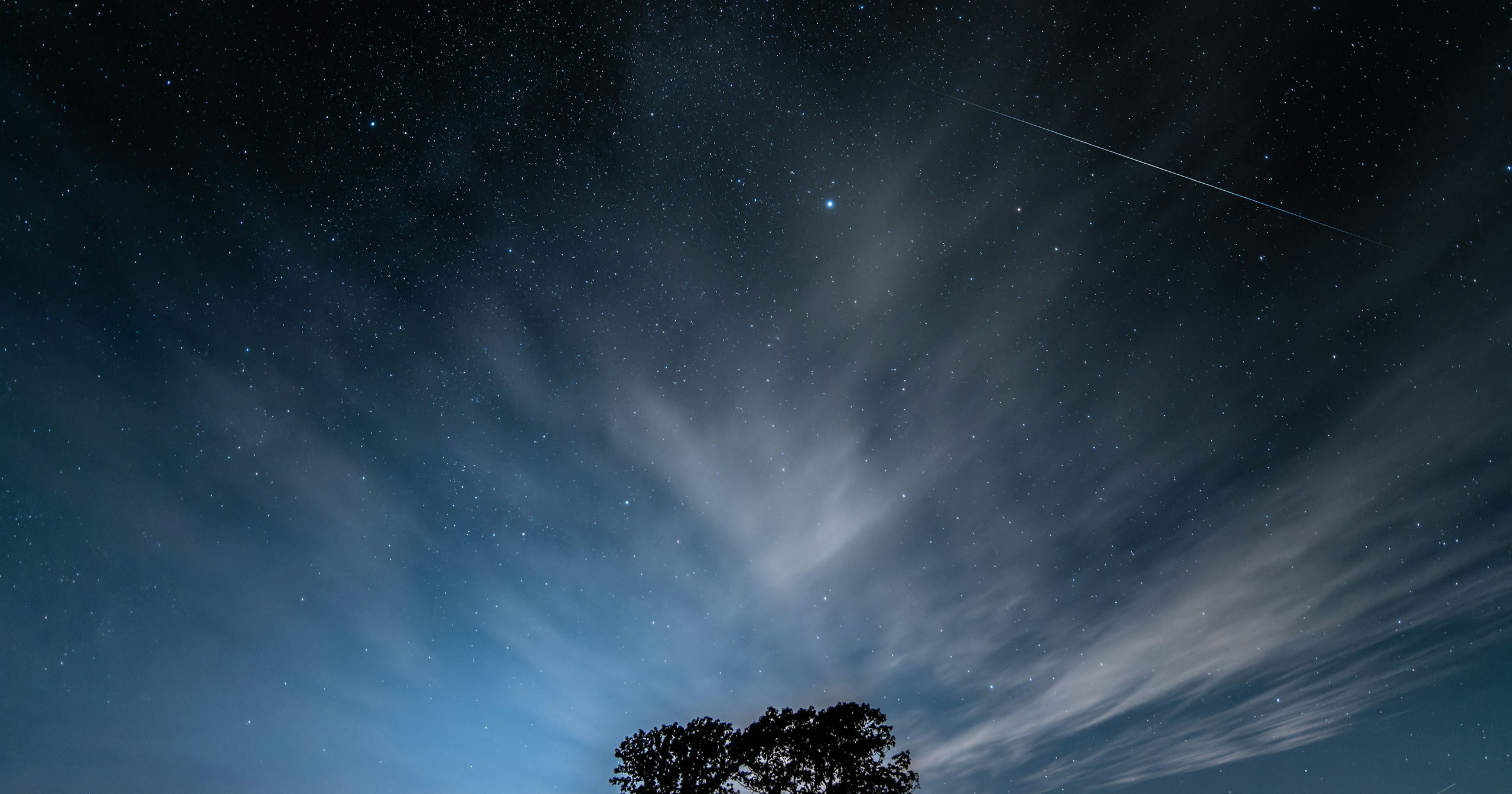
Cover photo by Hayato Sato
One of the most anticipated astronomical events of 2024 is the Purple Mountain-Atlas Comet (C/2023 A3). This comet is expected to be one of the most impressive comets in decades due to its large tail and brightness.
In the Northern Hemisphere, it is expected to be most visible in early October. This guide will detail the best observation locations and times, as well as methods for capturing stunning photographs of the comet.
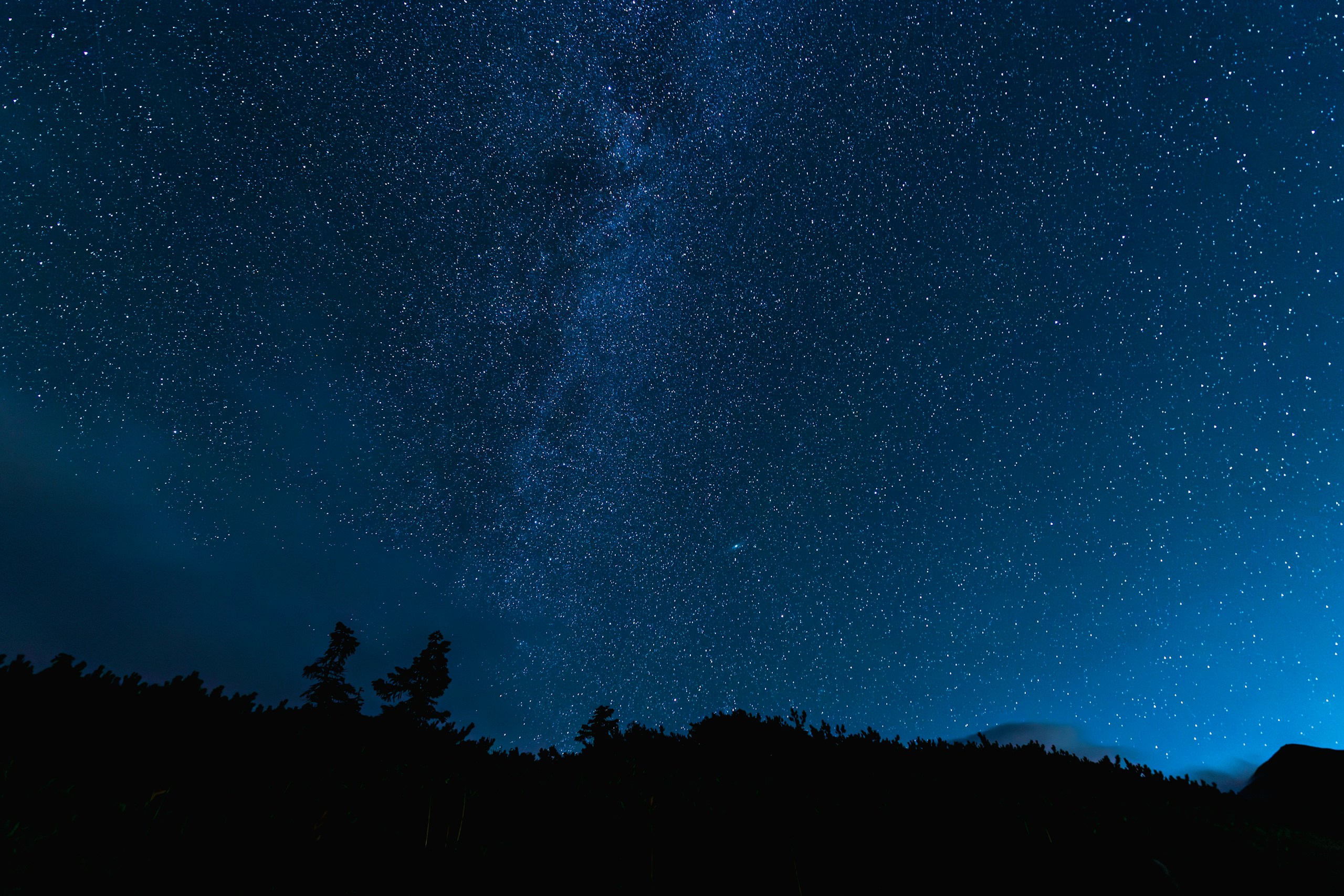
Photo by Aoneko
The Purple Mountain-Atlas Comet is a long-period comet, and it is said that it will take more than 20,000 years to approach Earth again. This comet is particularly attractive due to its large tail, which is expected to form as dust and ice evaporate from the sun's heat, creating a long, glowing tail.
On October 12, 2024, it will make its closest approach to Earth and could become as bright as magnitude -5. This period offers an excellent opportunity to observe the comet with the naked eye, especially in the western sky just after sunset.
The best time to view the comet is around October 9 to 12. The optimal observation time is 1 to 2 hours after sunset. The comet will appear in the low western sky, and you can enjoy the sight of its vivid tail spreading against the gradually darkening sky. Choose a location with minimal light pollution and a wide-open view for the best observation experience.
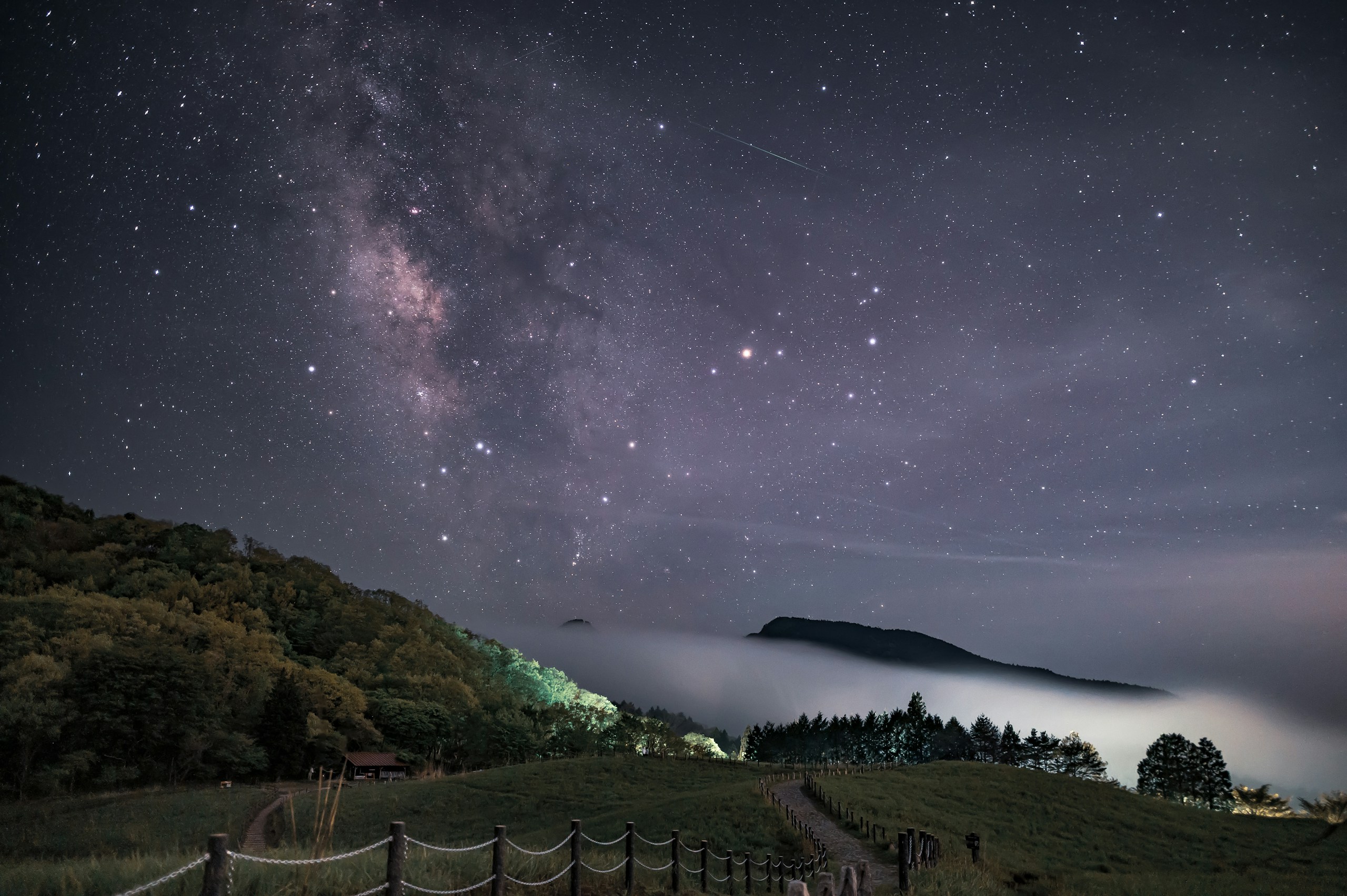
Photo by Hide
To beautifully capture the Purple Mountain-Atlas Comet, basic astrophotography skills are required. Below are the necessary equipment and basic settings.
Adjusting exposure time and focusing are particularly important. While capturing the entire sky with a wide-angle lens is good, using a zoom lens to capture the tail's details is also recommended.
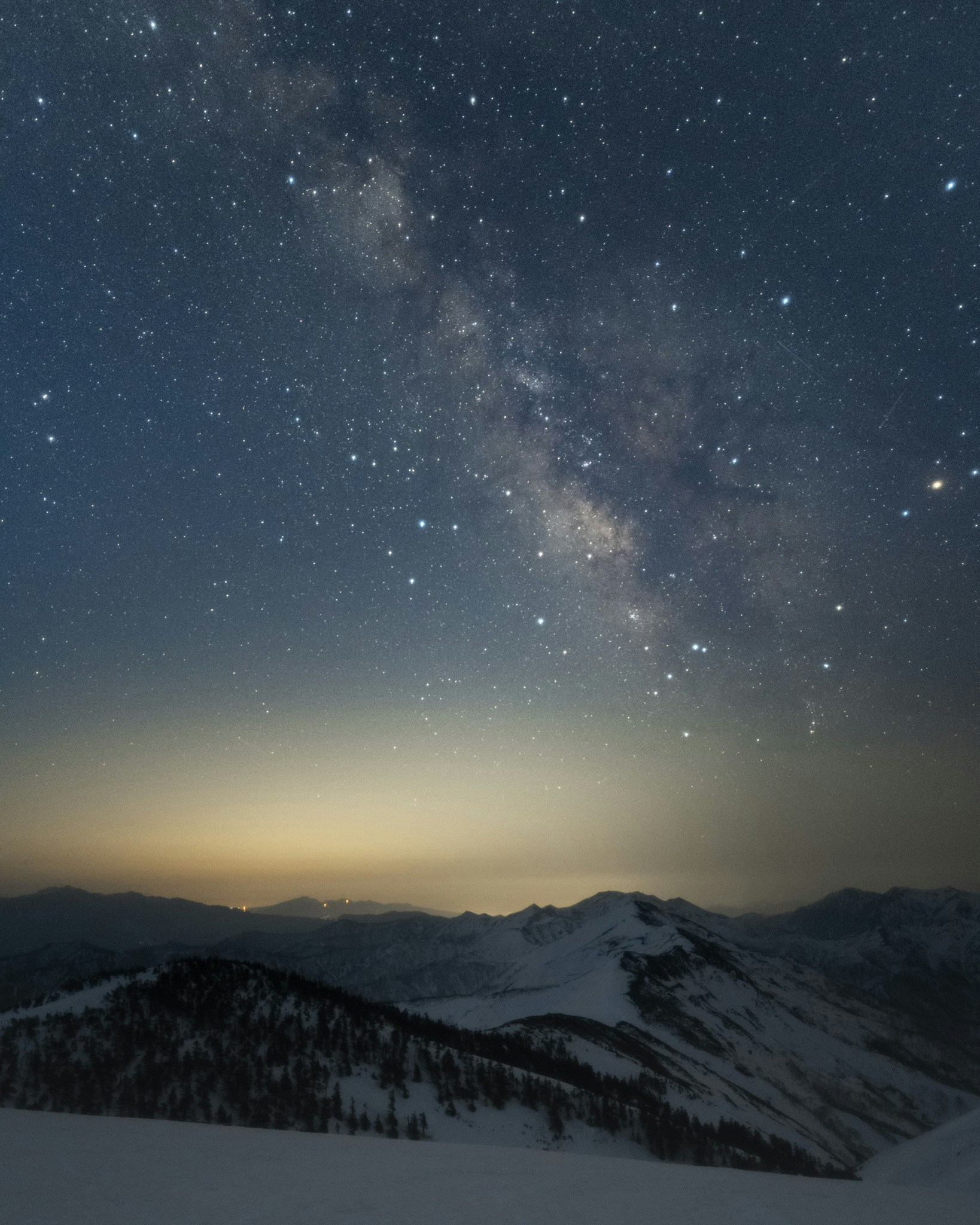
Photo by Tsuchii
Choosing a dark location with minimal light pollution is crucial. Ideal spots include mountainous areas or coastlines where you have a clear view of the entire sky. Before shooting, use apps like Star Walk 2 or Sky Tonight to check the comet's position and prepare your camera.
After shooting, use techniques like image stacking to combine multiple photos for a clearer image. This enhances the comet's tail and the overall beauty of the starry sky.
Finally, use editing software like Photoshop to adjust brightness, contrast, and sharpness to create a more appealing final image.


