MAGAZINE
MAGAZINE
MAGAZINE
MAGAZINE
By cizucu ·
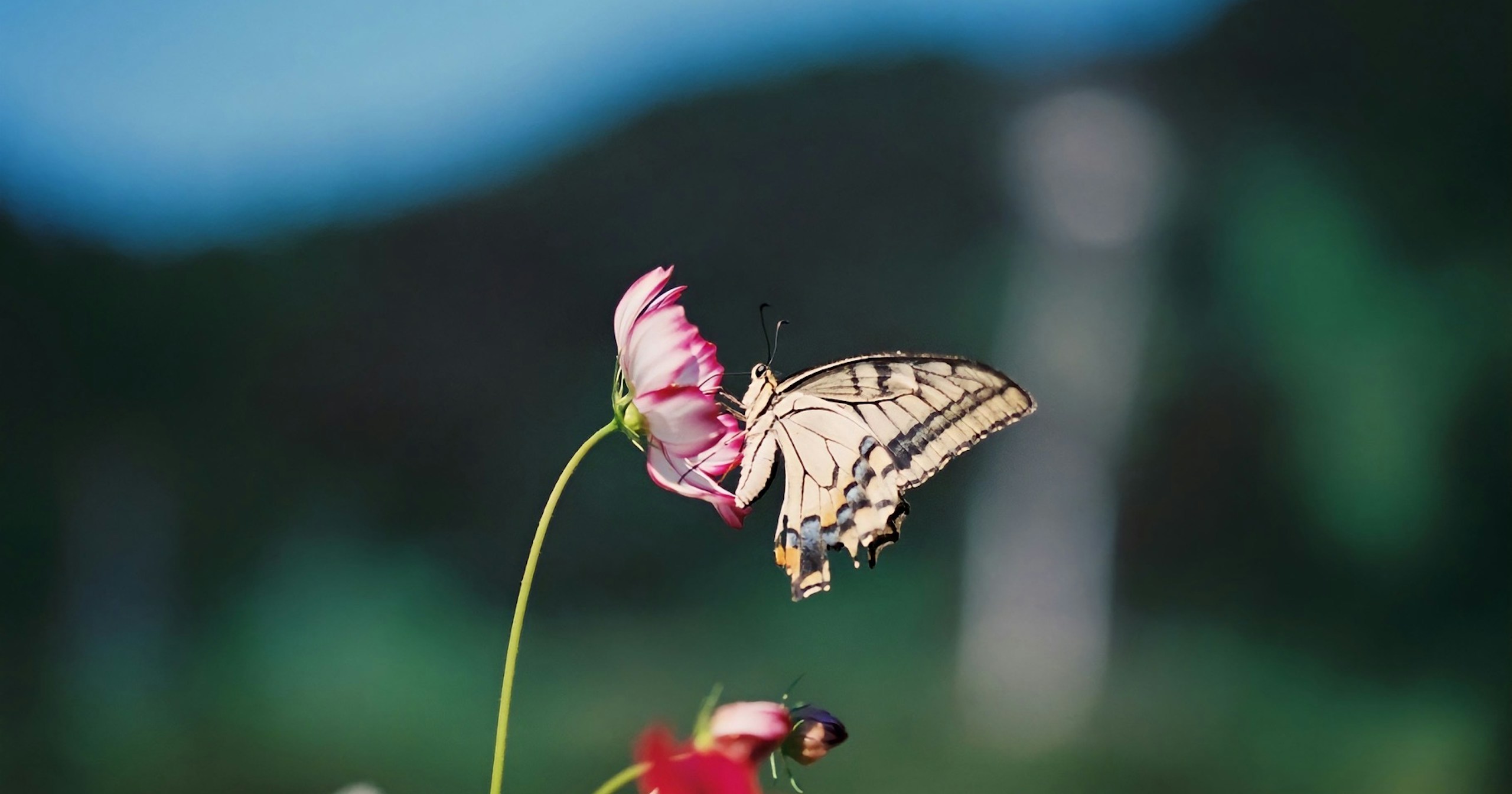
cover image by nowphotoworks
Film photography is a method of capturing images by imprinting them onto film. Unlike digital, you cannot immediately check the photos you take, but this often leads to a deeper attachment to each individual photo.
Do you remember the elementary school science experiment where you used a magnifying glass to burn paper? This experiment is actually similar to the principle of film photography. Film photography gathers light through a lens and imprints the varying intensities of light onto the film to create an image. This 'imprinting' process is one of the characteristics of film photography.

The outcome of your film photography can vary greatly depending on the film you use. For beginners, 35mm color negative film is recommended. Here are three popular manufacturers:

There is a wide variety of film cameras available. However, for beginners, compact cameras with autofocus are easy to use. Here are some recommended models:
The method of loading film varies by camera, but it's generally simple. Try searching for '(camera name) film loading' online. For entry-level cameras, you can easily find sites that guide you from loading the film to taking your first shot by looking through the viewfinder. Alternatively, you might ask the store clerk where you bought the camera to help you load the film on the spot.
Start by photographing anything you like, such as portraits, landscapes, cafes, or pets. Enjoy shooting freely without overthinking it. Initially, the time lag between shooting and seeing the developed film will enhance the charm of film photography.
Eventually, try to find your 'favorite photos'. You'll gradually discover the atmosphere you want to capture.
Developing is the process of making images appear on the film after shooting. When film is exposed to light, it becomes 'exposed', and those parts cannot be captured. Developing involves treating this exposed film with chemicals to make the images visible.
Printing is the process of transferring images from developed negatives onto paper. Since negatives themselves do not have color, special light is used to read the color information and print the photo based on that.
First, check if your local photo shop offers developing services. You can also use stores in electronics retailers or at stations. If there are no nearby photo shops, postal printing services are convenient. Search for 'postal printing' to find shops that offer developing services.
After developing, having your photos digitized onto a CD or other media is convenient. You can upload the data to your PC and share it on social media.
How was it?
Use this guide as a reference to step into the world of film photography.