When I started photography 13 years ago, mirrorless cameras were just emerging on the market, and the prevailing image was still “mirrorless ≒ Olympus.”
Like many others, I began my camera journey with the OMD EM-10, making Micro Four Thirds the standard for digital cameras in my early years.
After that, I moved to APS-C, and now I use a full-frame camera. Looking back, I realize I harbored a certain illusion about simply moving up to a larger sensor size.
Advantages of a Larger Sensor
Of course, the advantages of a larger sensor are well known.
With a greater sensor area, more light can be captured, resulting in more pronounced background blur and a wider dynamic range—undeniable attractions for many photographers.
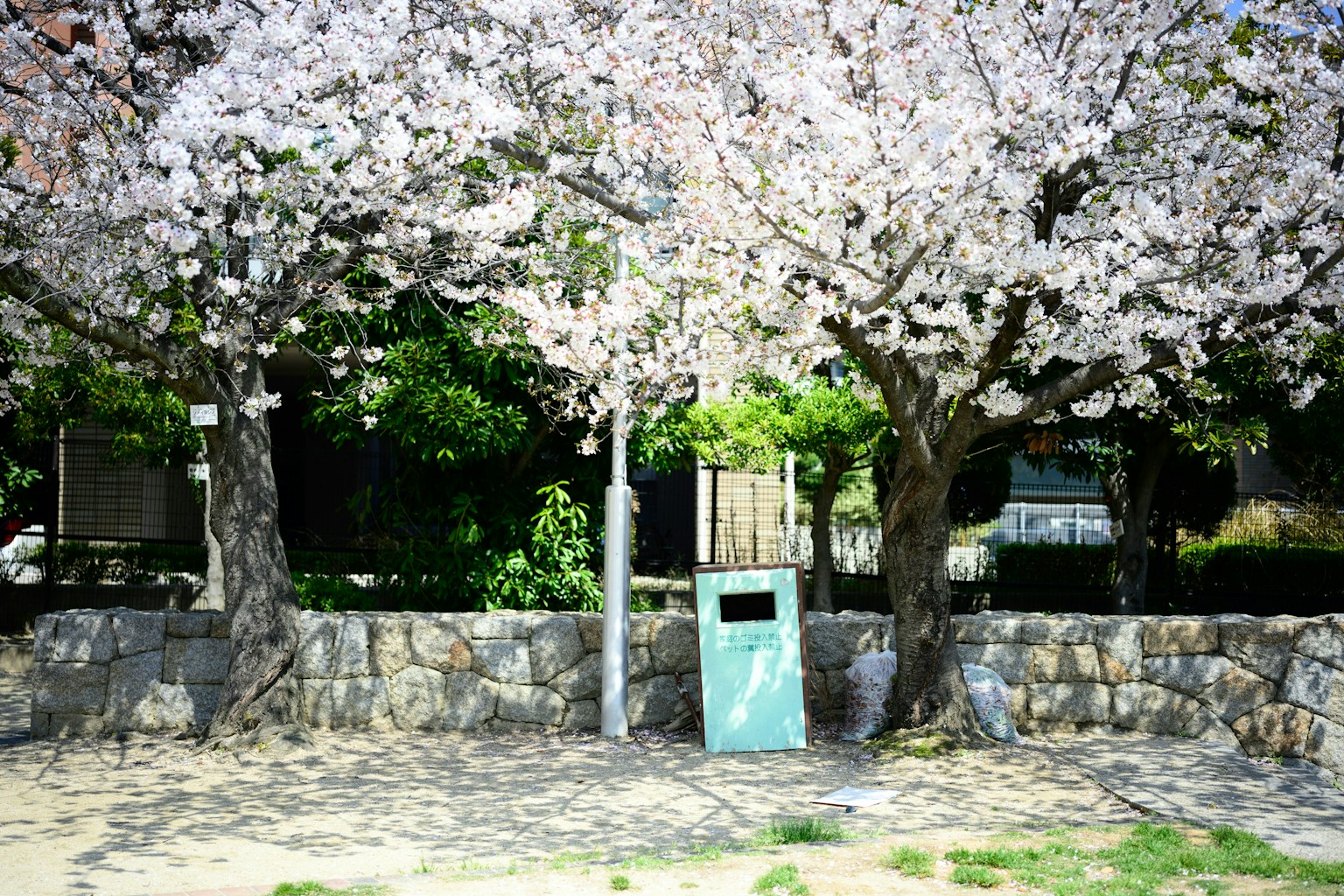
Photo by マサヒデ
Additionally, full-frame sensors are more resistant to high ISO noise compared to APS-C or Micro Four Thirds, making them advantageous for low-light conditions and fast shutter speeds.
While full-frame cameras do come with higher costs and larger equipment size, their overwhelming appeal often makes them seem like the ultimate goal for many photography enthusiasts.
There’s No Magic Sensor
However, simply increasing sensor size is not the only way to create compelling photographs.
If you view full-frame (or even medium format) cameras as magical tools that can capture anything, you may be disappointed to find little change after purchasing such equipment.

Photo by マサヒデ
Logically speaking, most of the benefits attributed to full-frame sensors can be addressed by adjusting other factors.
For example, using a fast lens can improve background blur and low-light performance, regardless of sensor size.
What Matters Most: Vision and Skill
It’s natural for photographers to aspire to full-frame or medium format, but it’s important to remember that these are not everything.
Ultimately, photography is about vision and skill.
Even with a small sensor camera—or, in the extreme, a smartphone camera—what matters is whether you can honestly notice what moves you and have the ability to capture it. That’s the essence of it all.

Photo by マサヒデ
While sensor size certainly has a significant impact in digital photography, realizing that a larger sensor is not the sole factor in creating compelling images may help you develop a deeper appreciation for the camera you already own.