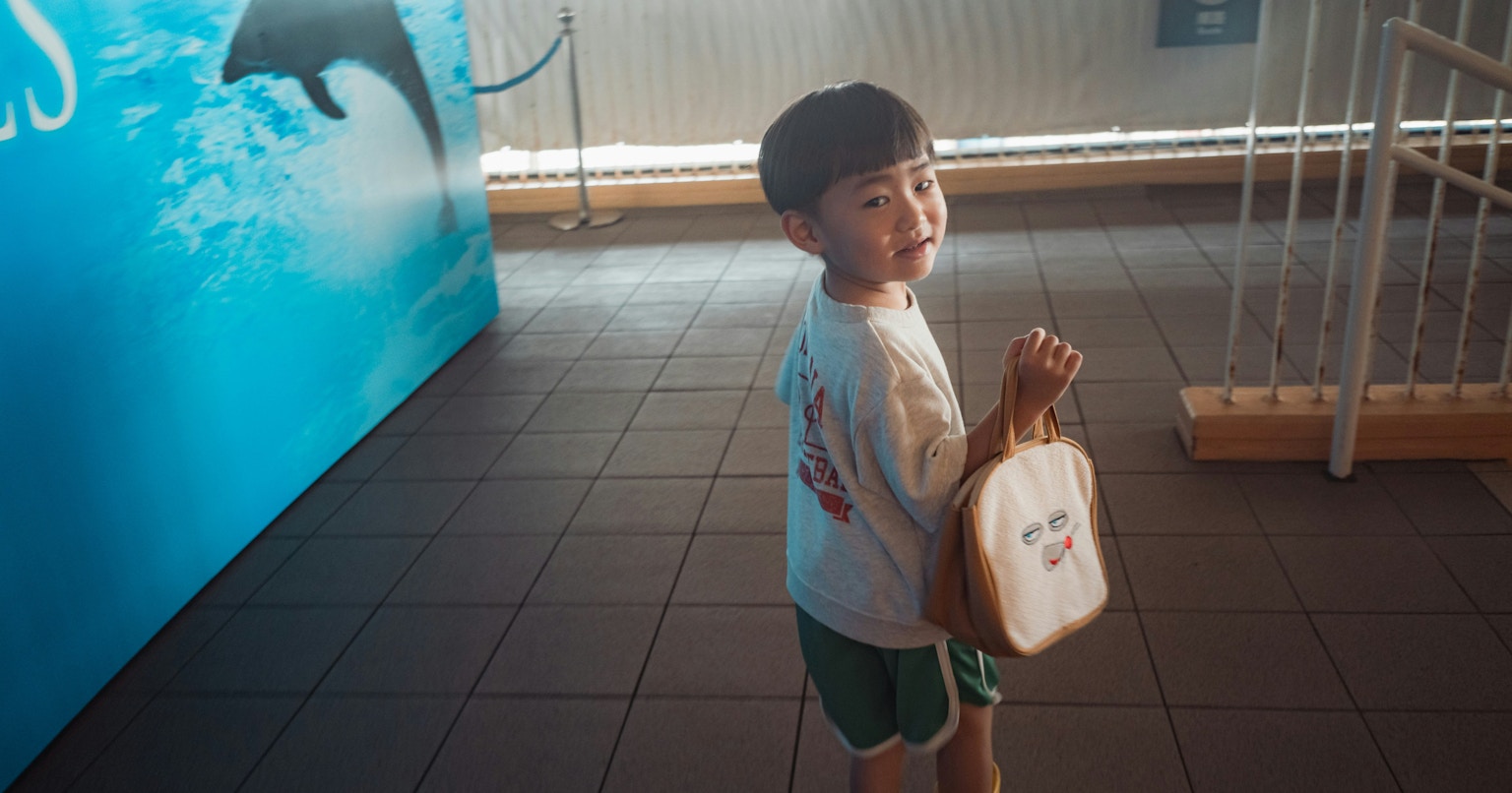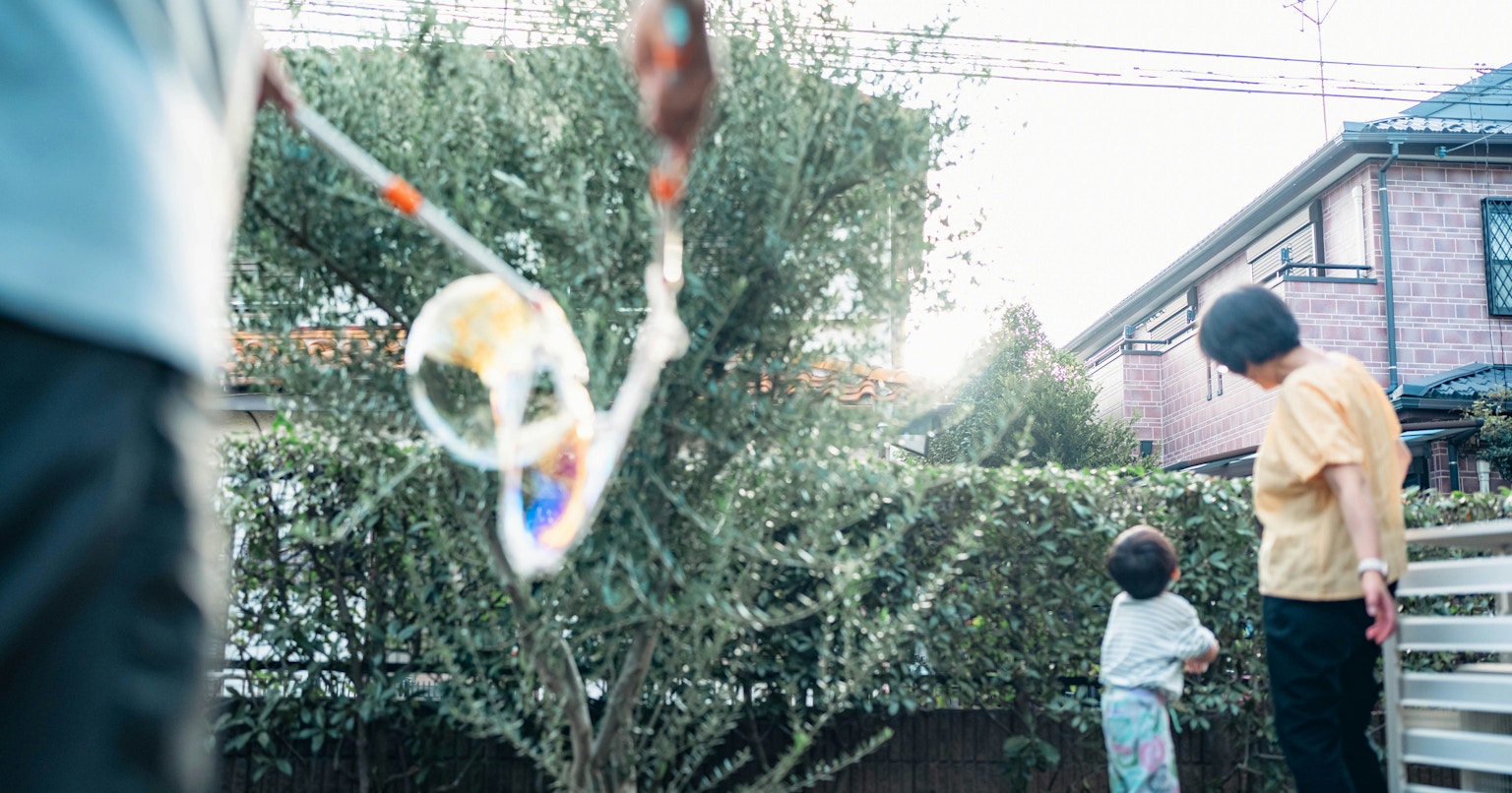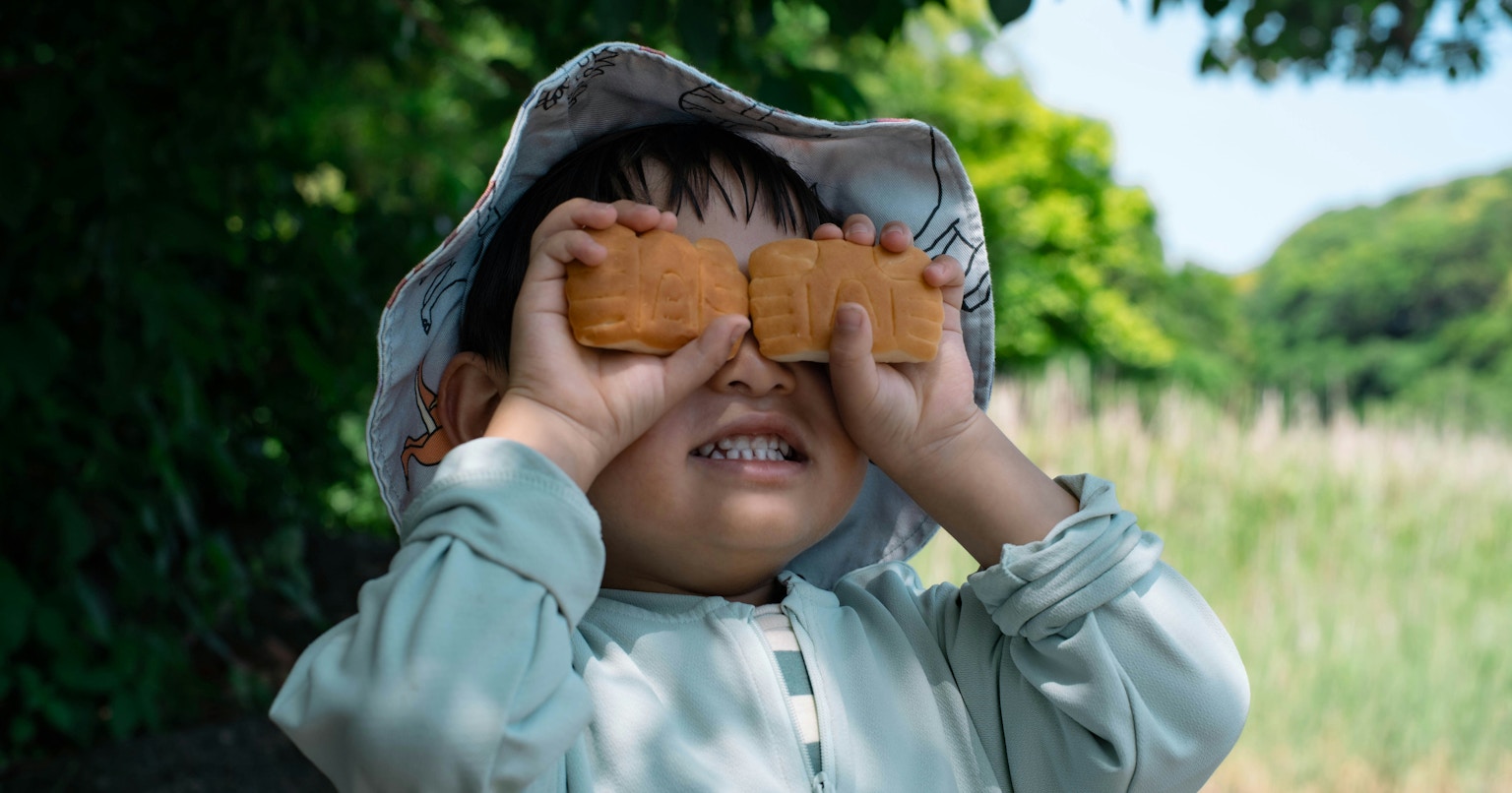
The impression a photograph leaves can change dramatically depending on the height of the camera. Shooting angles are not merely a technical adjustment of framing—they reveal the distance and relationship between the photographer and the subject.
This is especially evident when photographing children. Whether you look down from above or meet them at eye level, the atmosphere and emotion within the image shift entirely.
In this article, I reflect on how angles shape the "relationship" and "atmosphere" in photographs, drawing from everyday experiences.
A High Angle Creates a Vertical Relationship
When you call out and photograph a child from above, they naturally look up at you. Being the one called upon, their expression may become a bit guarded, sometimes even appearing intense.
Even though you are capturing a candid moment, it can feel as if the photograph is more about the observer's gaze than the subject itself.
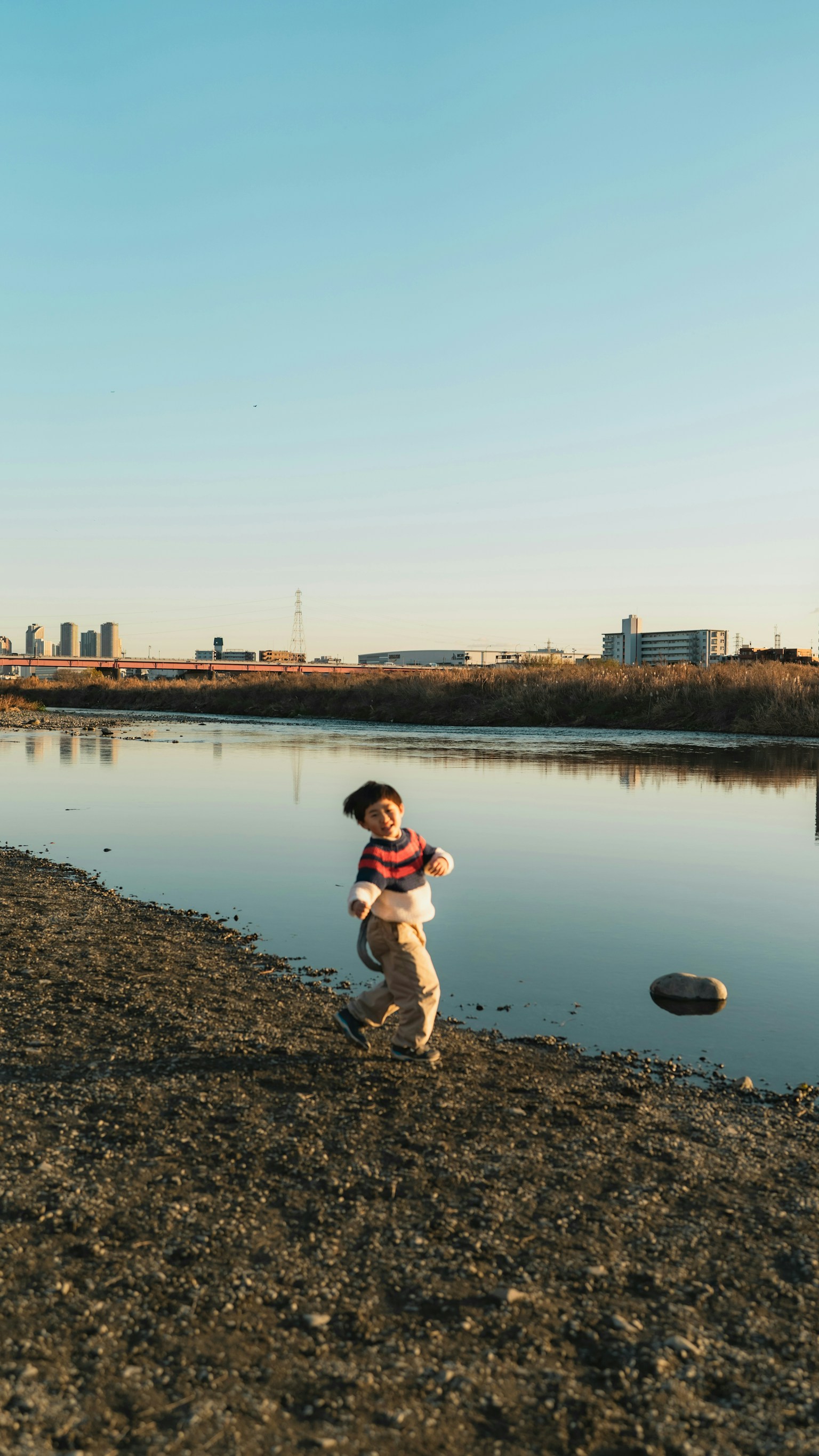
Photo by fujikko
Yet, this angle has its own significance. The slightly distanced, watchful gaze reflects the perspective of a parent or guardian, conveying a sense of reassurance. Photographs taken from above capture the "vertical" aspect of the relationship.
An Eye-Level Angle Creates a Horizontal Relationship
When you crouch down to the same height, the atmosphere of the photograph changes instantly. The dynamic of calling and being called disappears, and you simply share the same space.
Even a neutral expression feels natural, and the gestures and moments of play are preserved without interruption.
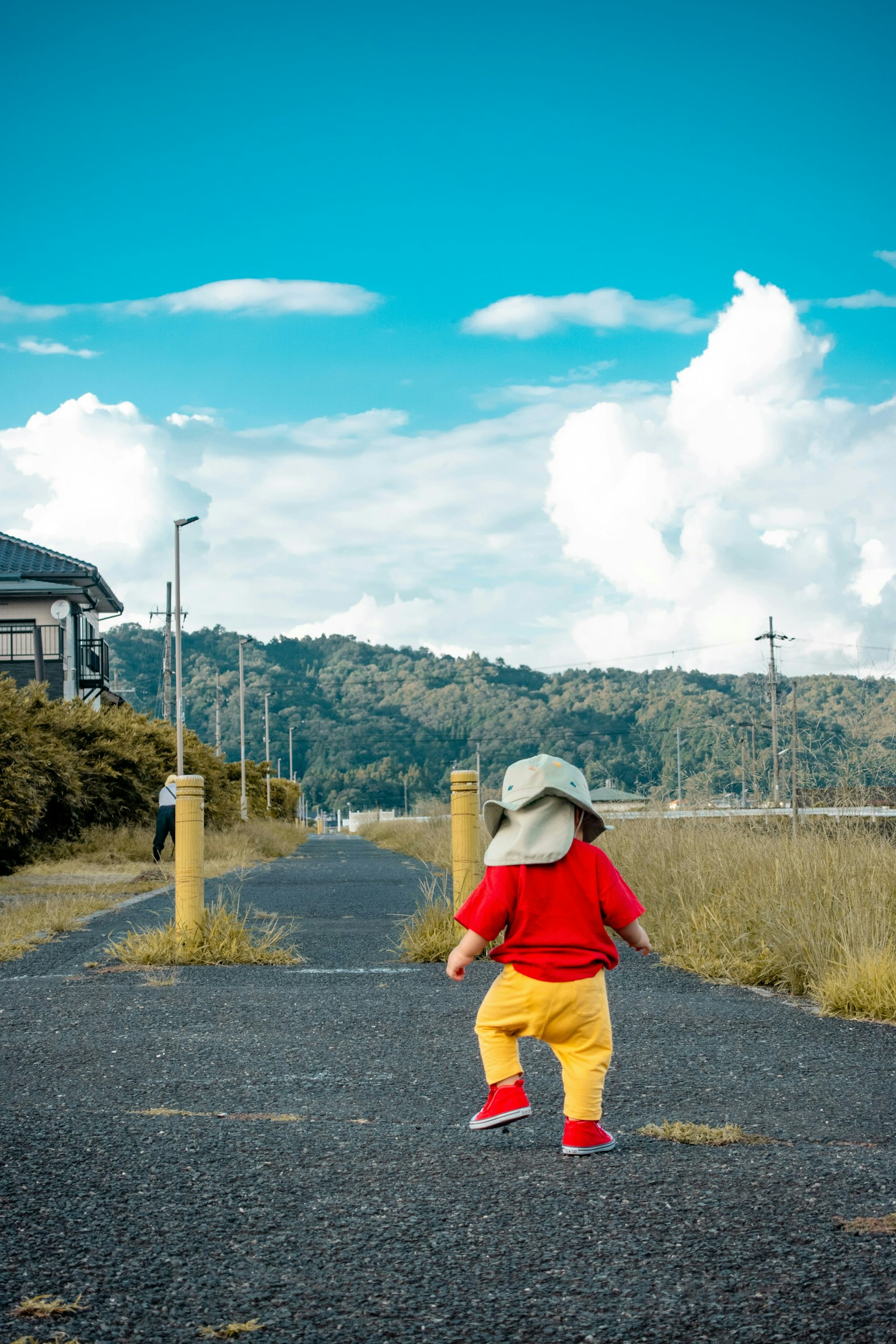
Photo by はくらく
The perspective shifts from that of an observer to a participant. Rather than simply changing the angle, it feels as though the nature of the relationship itself transforms. Here, the relationship expands "horizontally," resulting in images that feel more intimate and from within.
Background and Atmosphere
The angle also influences how the background is incorporated. Including the sky or ceiling allows the viewer's gaze to travel, creating negative space and a sense of openness. This space can convey the atmosphere and expansiveness of the scene.
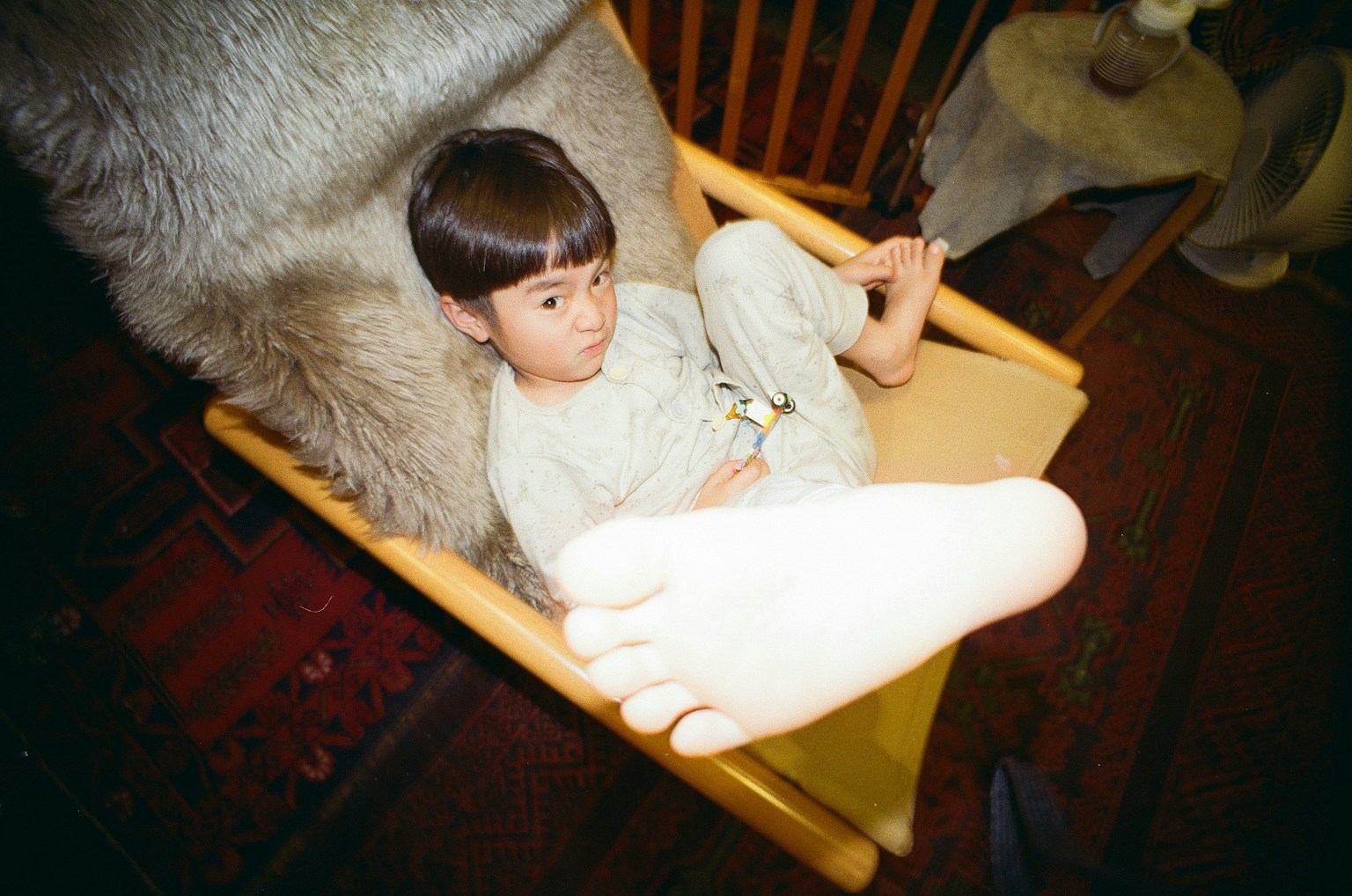
Photo by filmtaaabooo777
Conversely, when the floor or ground dominates the background, the gaze is anchored, giving a more enclosed impression. However, this "narrowness" is not necessarily negative.
It can powerfully communicate proximity and focus on the moment. Whether to emphasize openness or density, the background determines the "breath" of the photograph.
What and How to Capture
Shooting angles are not just a matter of technique—they represent a choice of perspective: "From what standpoint do you witness the moment?"
Whether you look from above or meet at eye level, what is captured is not only the subject, but the very nature of the relationship itself.
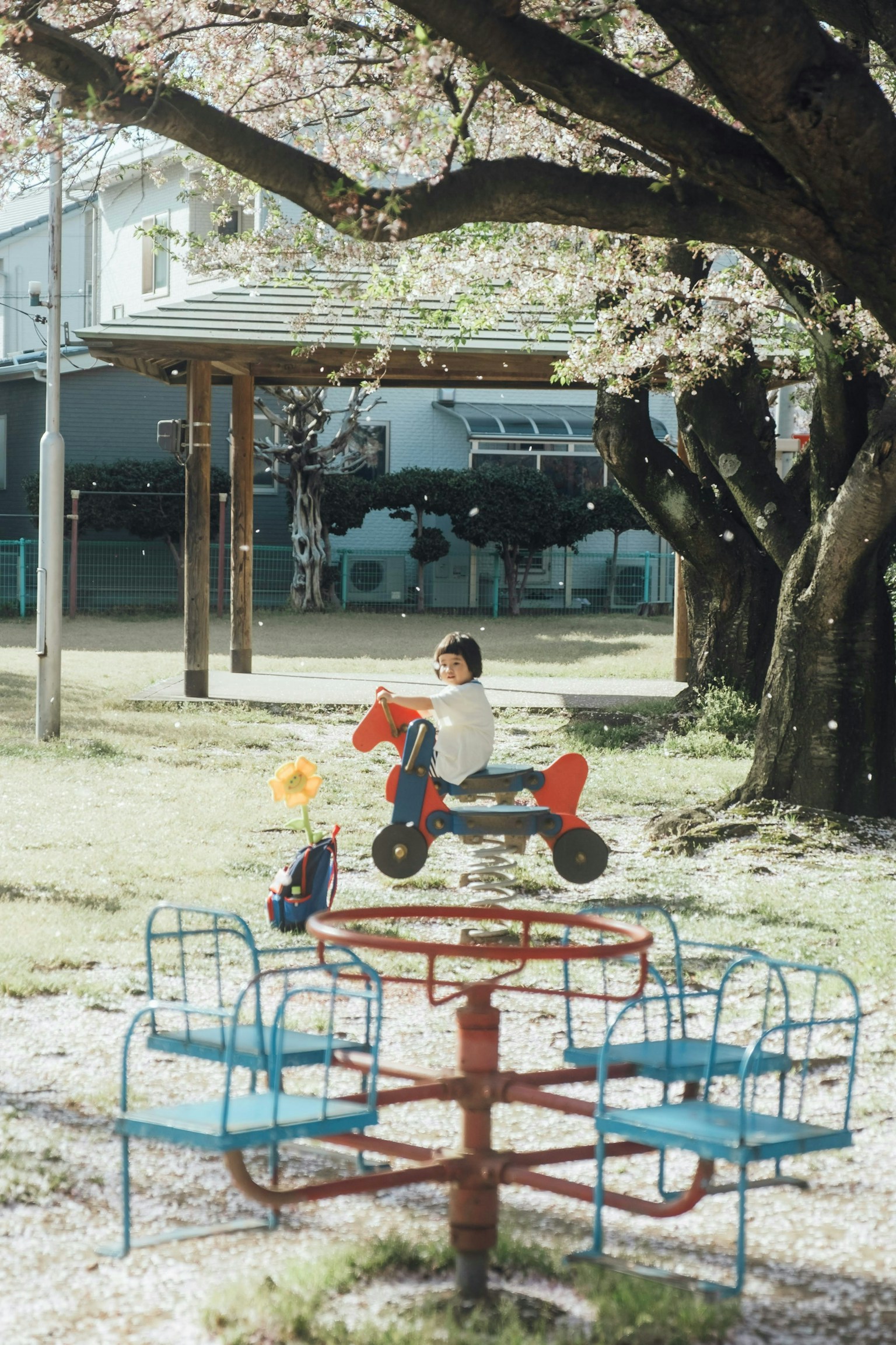
Photo by yuki
If you're unsure, try crouching down. Be mindful of what you include in the background—these small choices can transform your photographs.
More than what or how you capture, it's the distance and relationship you establish that accumulates and is ultimately reflected in each image.