To create impactful nature photography, mastering techniques that enhance the appeal of your subject is essential. Among these, 'negative space' is a standout compositional method.
Elements like the sky, water surfaces, or blurred backgrounds—those seemingly empty spaces surrounding the subject—can bring tranquility and a poetic mood to a photo, naturally guiding the viewer's gaze to the subject.
What is Negative Space?
Negative space refers to the 'background or empty areas' surrounding the main subject (positive space). It’s not just empty space but an intentionally crafted area that enhances the subject, balancing the overall composition and directing the viewer's eye flow.
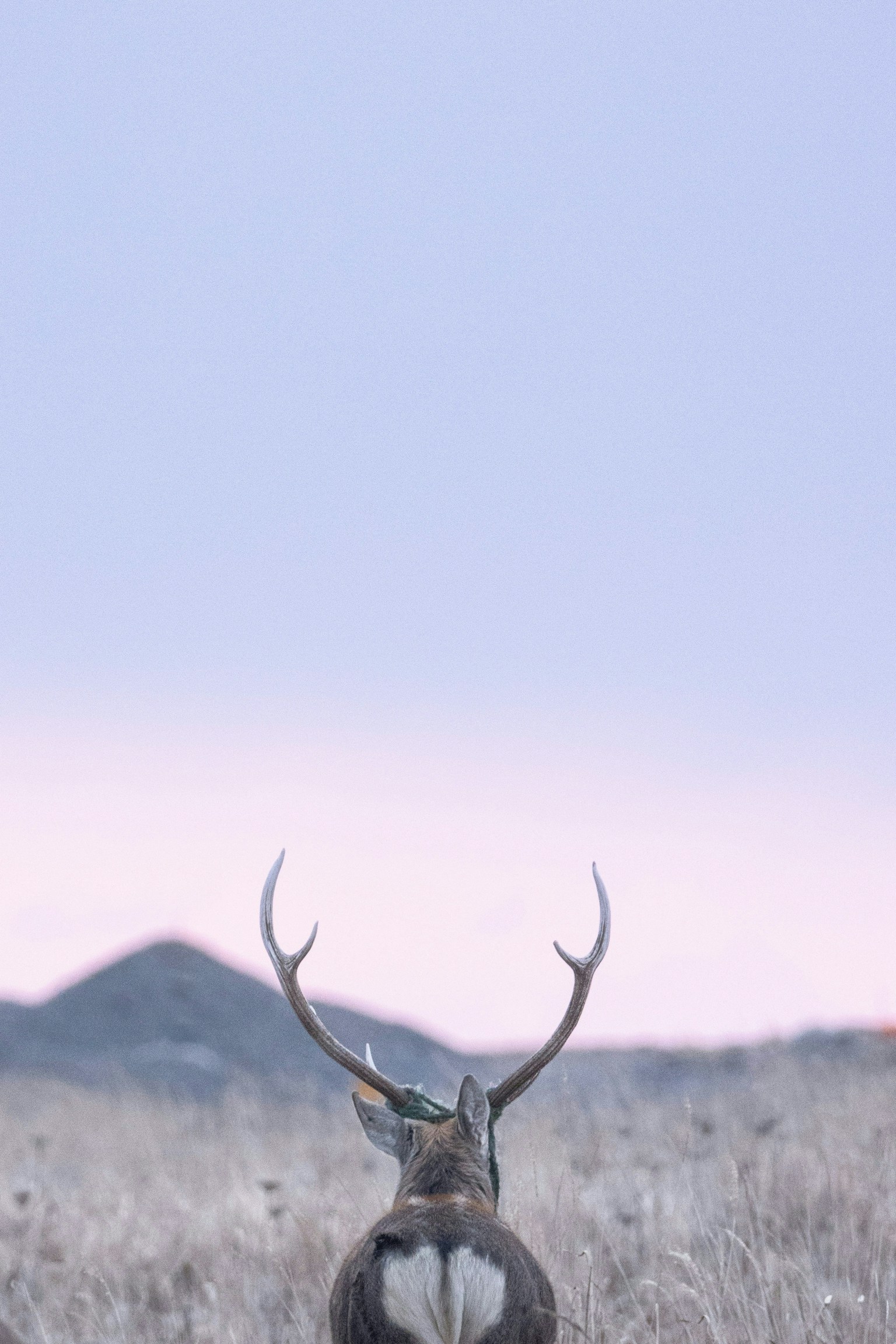
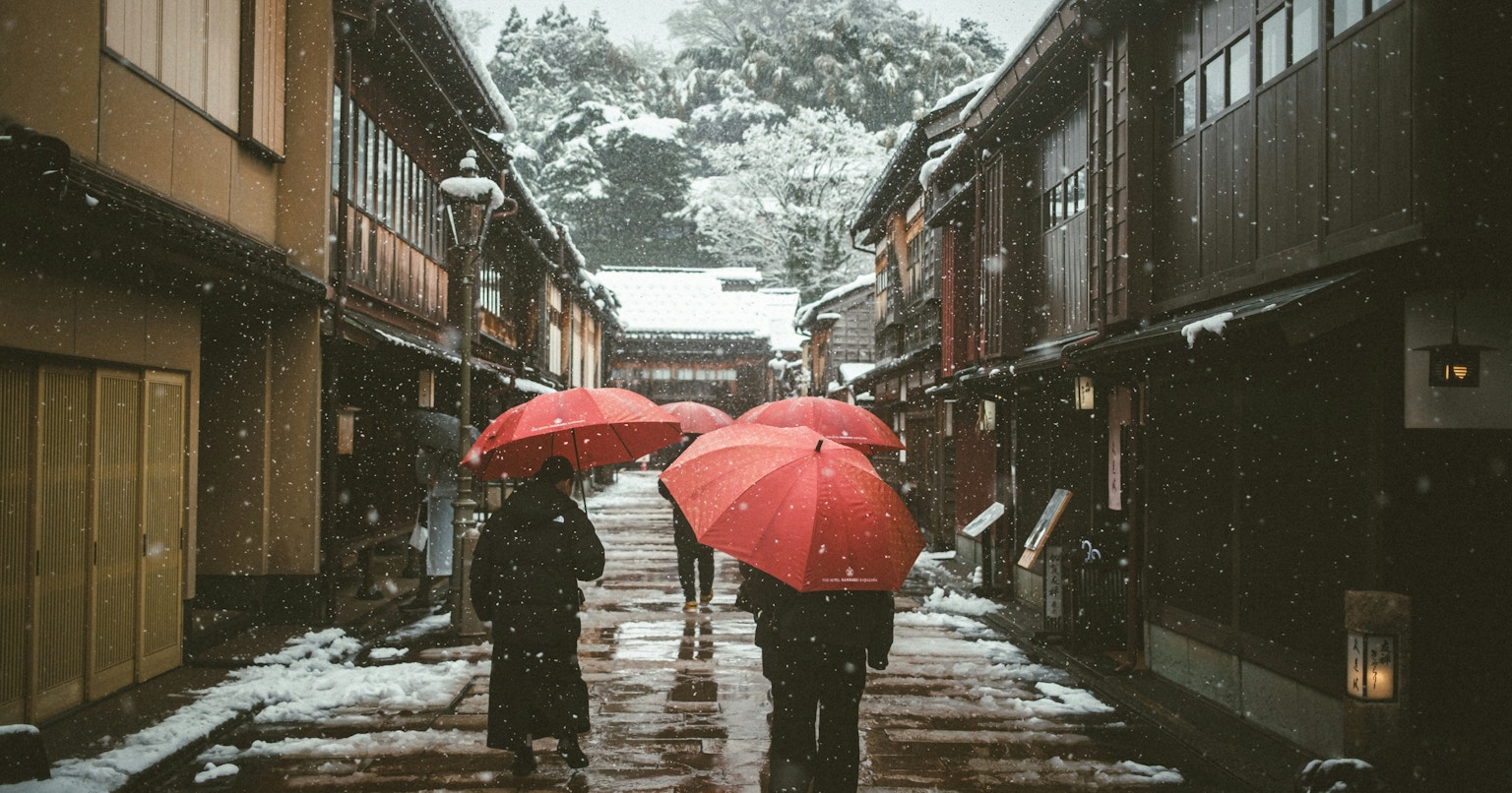
Photo by haru_wildlife
The blue sky behind a flying bird or the calm water surrounding a floating waterfowl serves as negative space. While overly monotonous spaces can feel 'boring,' even subtle colors or shapes can add depth to the composition.
Techniques to Highlight the Subject's Presence
Negative space is also a tool to visually emphasize the size or emotion of the subject. For instance, placing a small bird in a vast sky or field highlights its smallness or solitude.
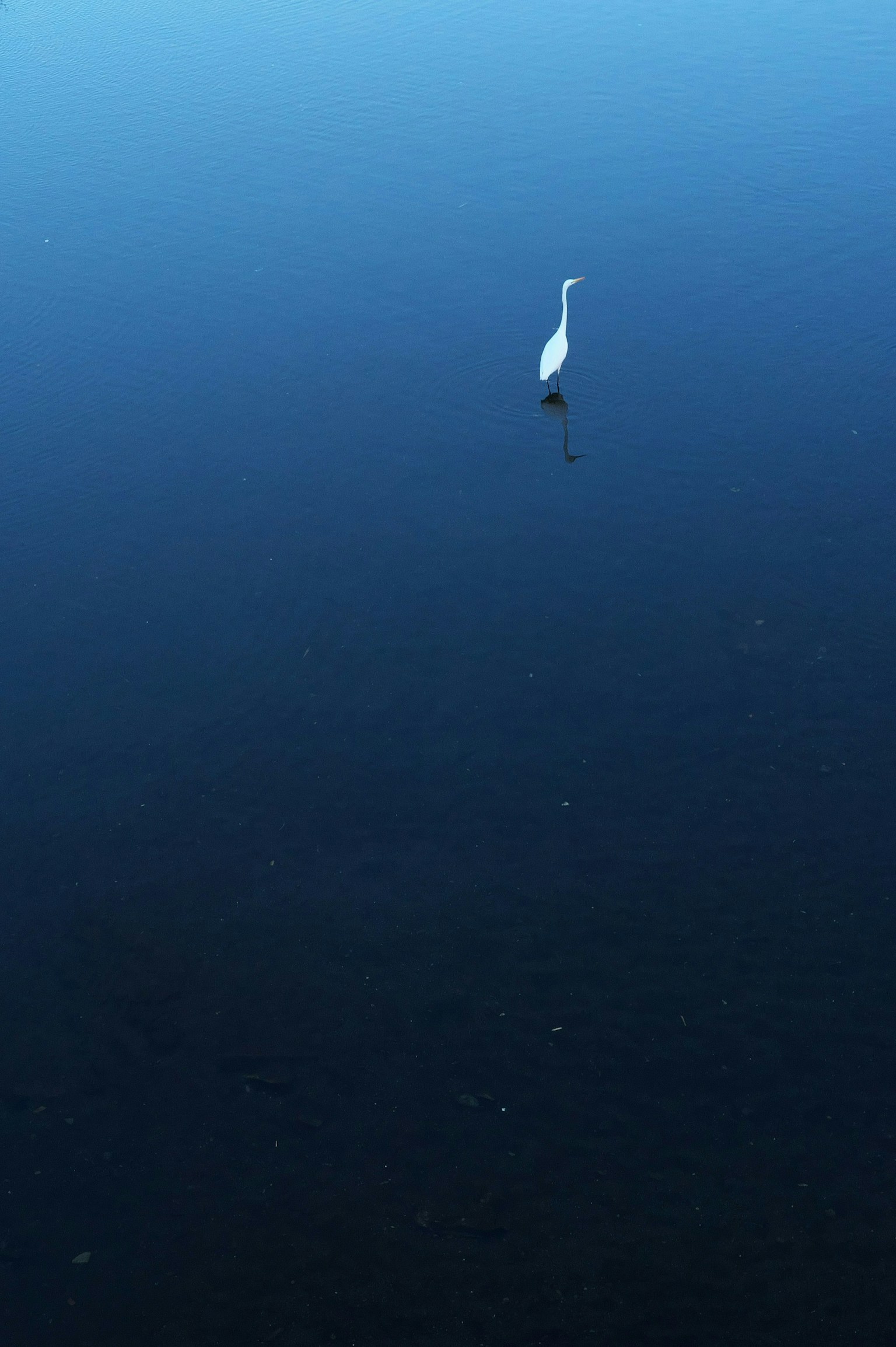
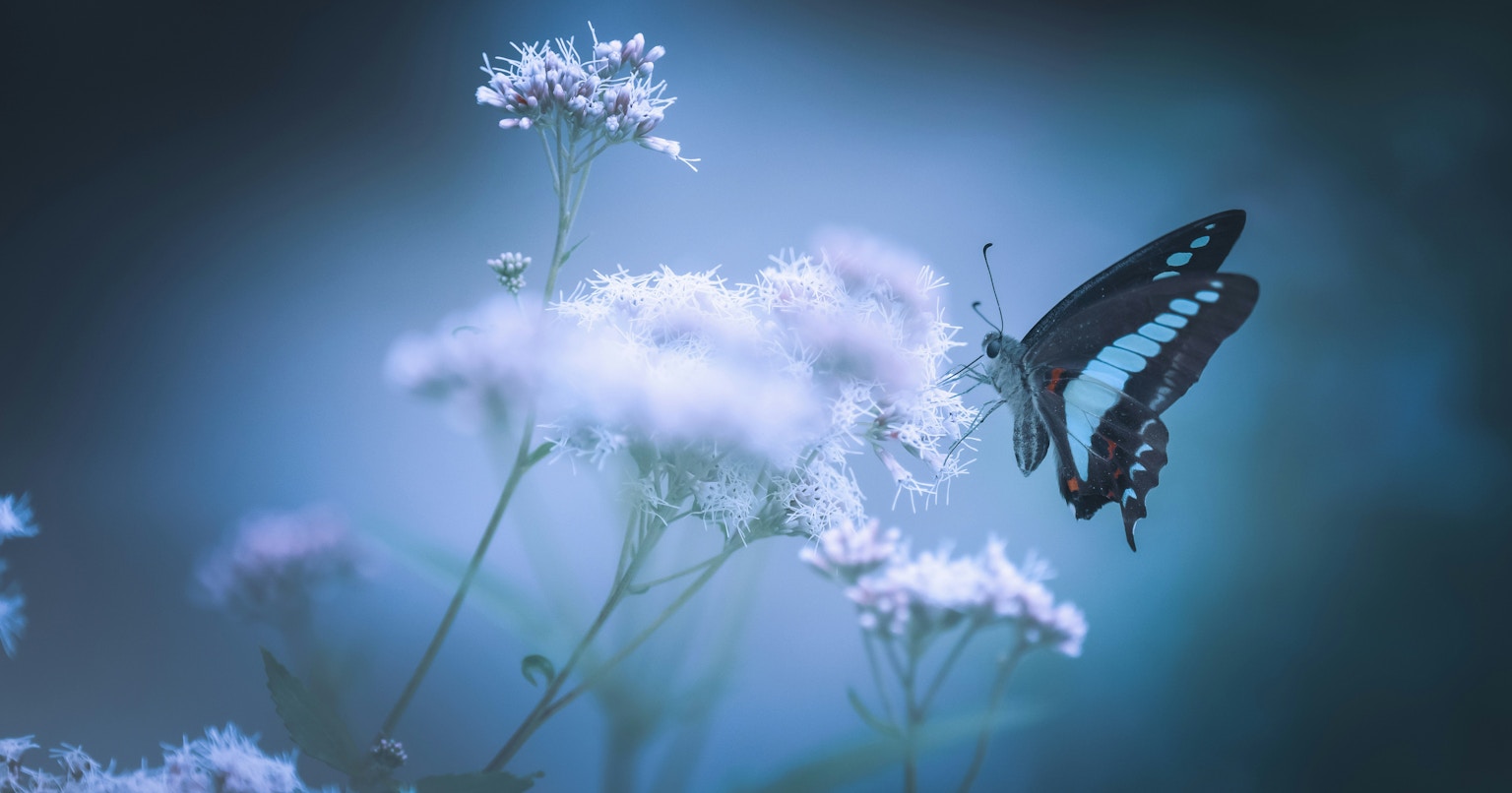
Photo by umisora
Additionally, using background colors and lighting can make the subject's silhouette or expression more vivid, adding a narrative quality to the photo. Beyond blurring the background, adjusting the viewpoint or camera height can create even more striking negative space.
Tips for Using Negative Space
When incorporating negative space, 'reducing elements' is key. Ideal times include foggy mornings, cloudy days, or twilight, when the background has minimal distractions.

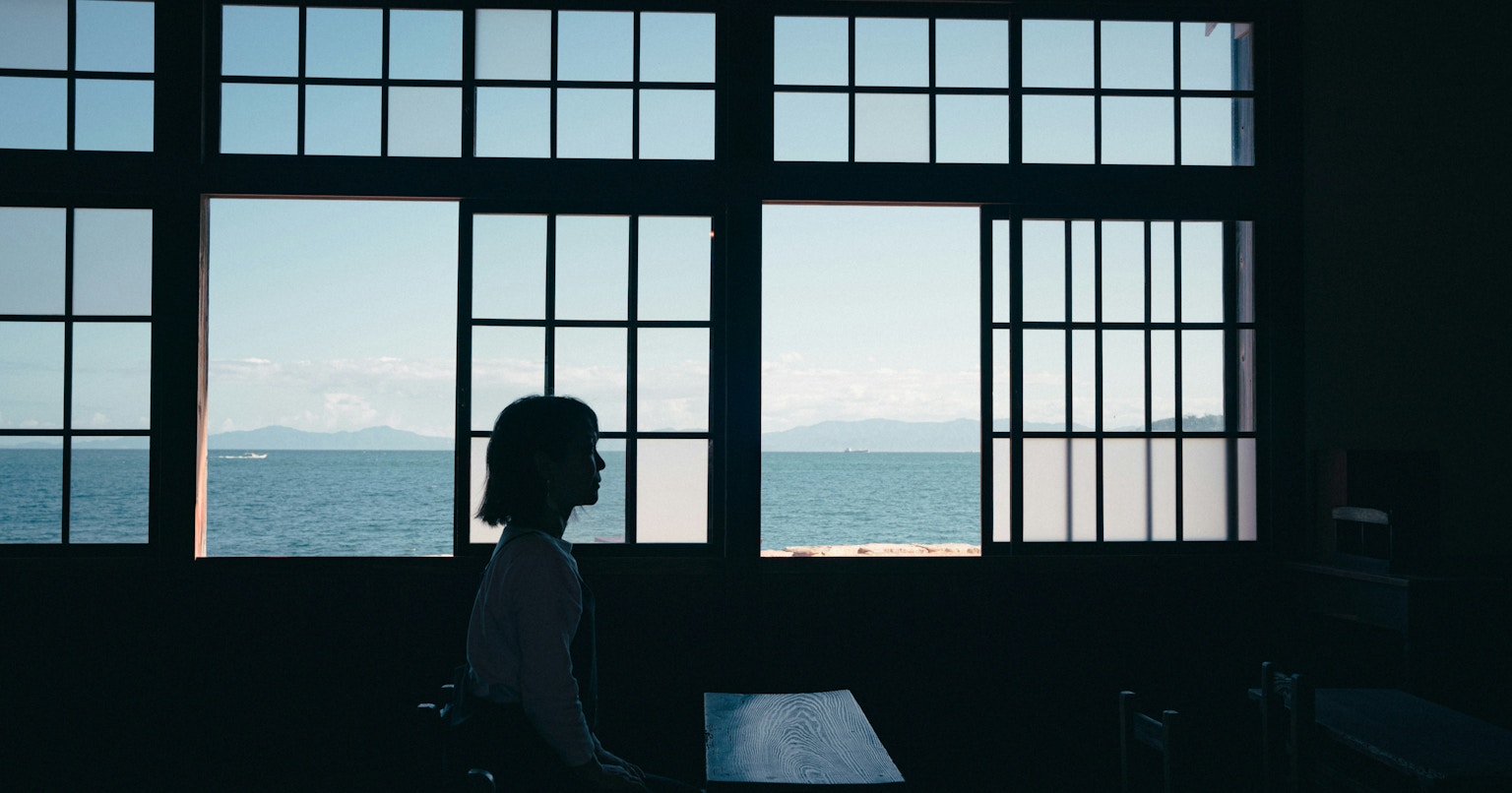
Photo by -kenchi-
Using lenses with a low F-number to achieve shallow depth of field and naturally blur the background is also effective.
Moreover, creating 'visual pathways' or 'lines of movement' within the composition can naturally guide the viewer's gaze. If the subject is an animal, incorporating beautiful bokeh or water reflections in the background can add emotional richness.
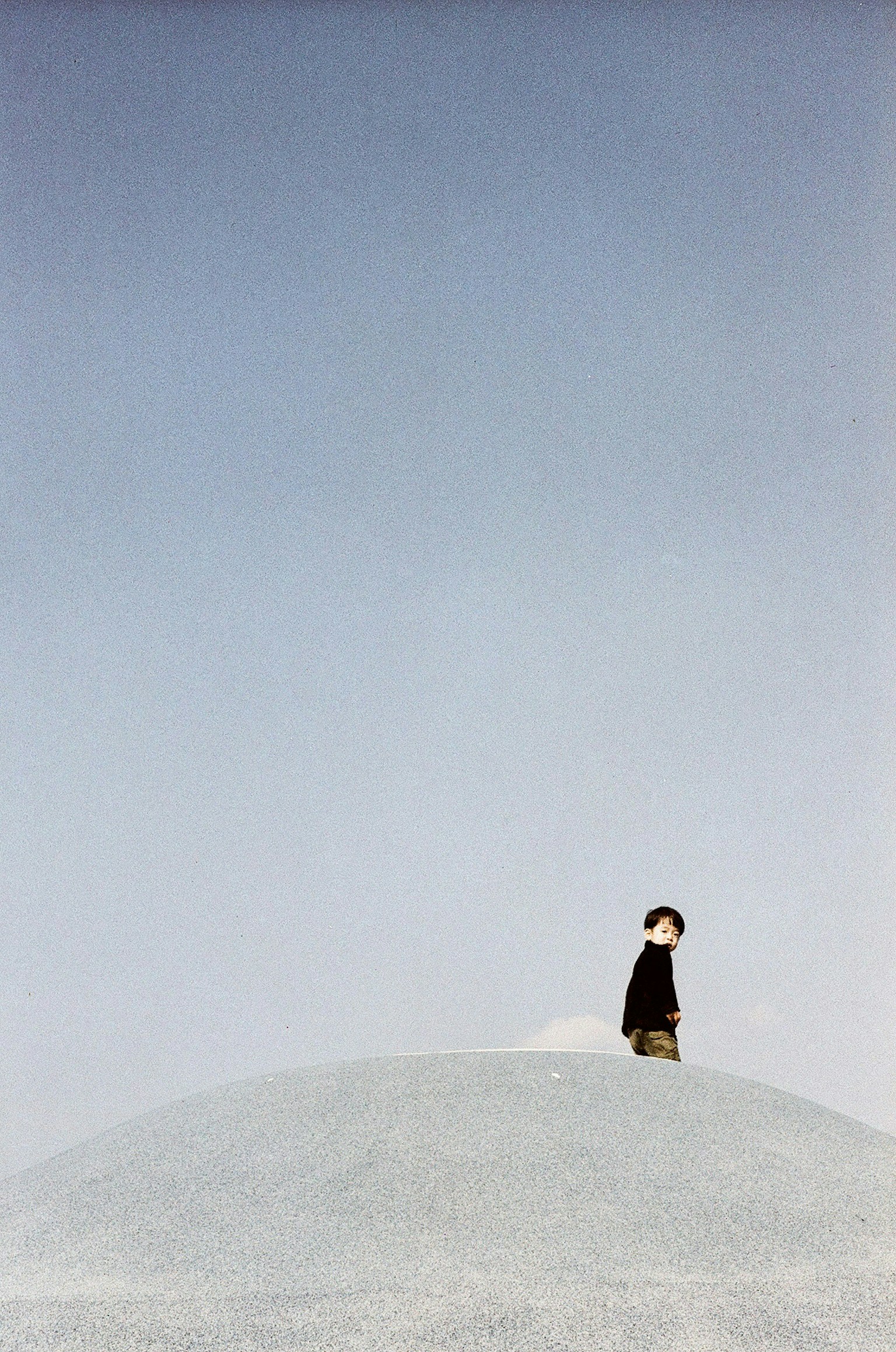
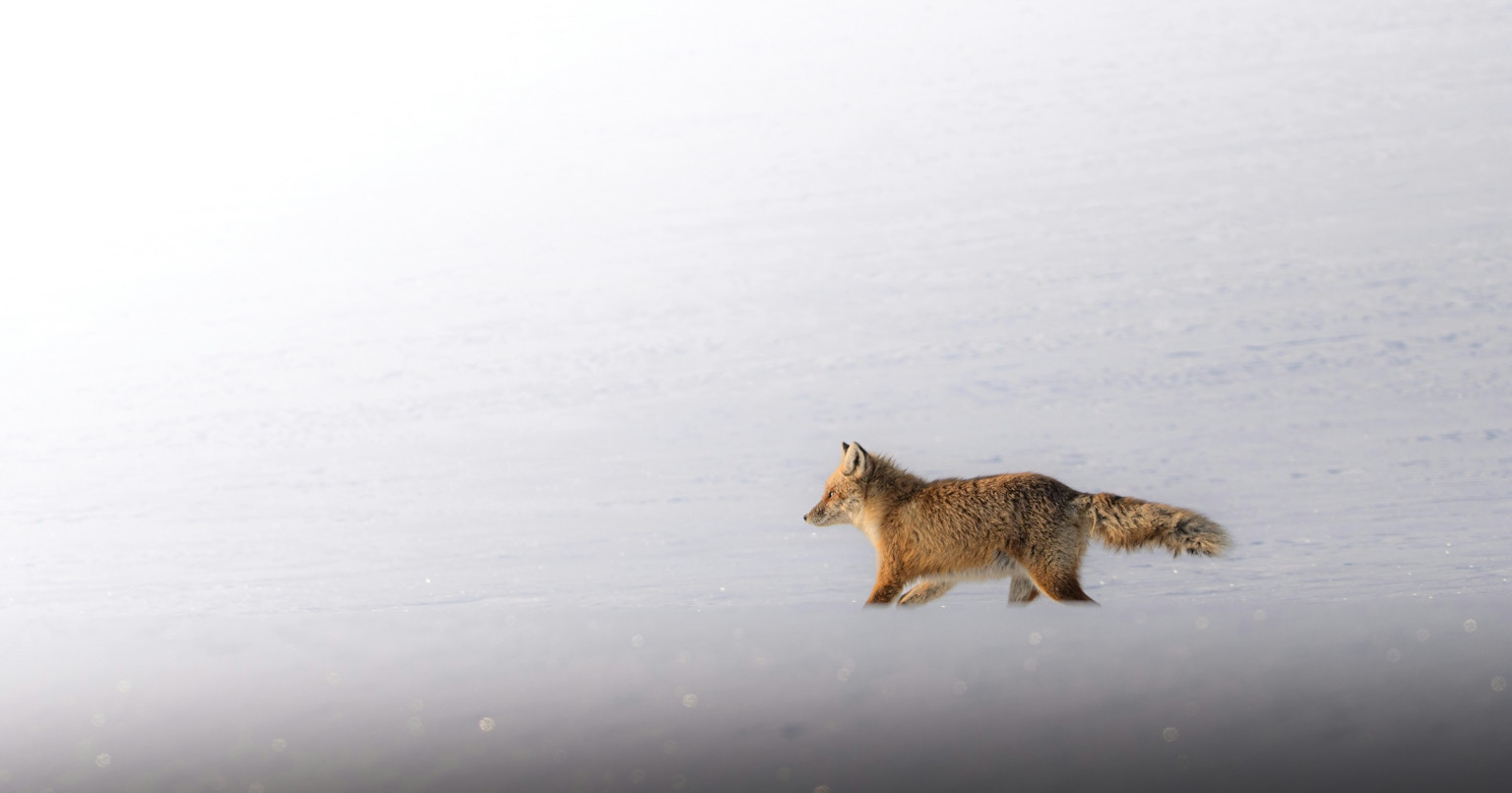
Photo by filmtaaabooo777
Negative space is not 'empty space' but a 'quiet stage' that maximizes the appeal of the subject. By incorporating this technique, why not take your nature photography to the next level?