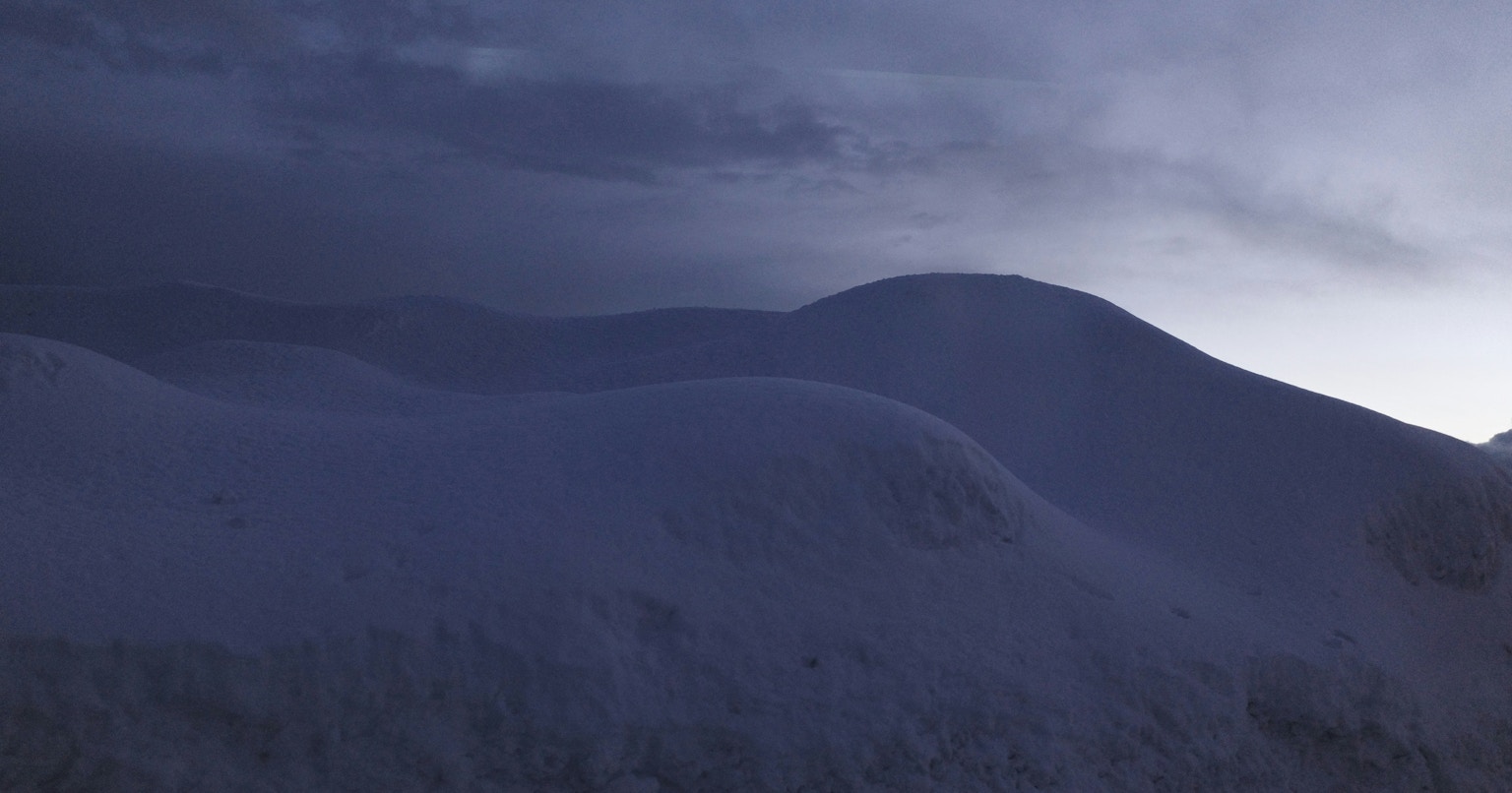
Color temperature and white balance can dramatically change the impression of a photograph. Mastering these not only helps in reproducing accurate colors but also in infusing your work with a unique worldview.
This time, we organize everything from basics to applications and introduce shooting techniques that can be used immediately in practice.
Understanding the Basics of Color Temperature
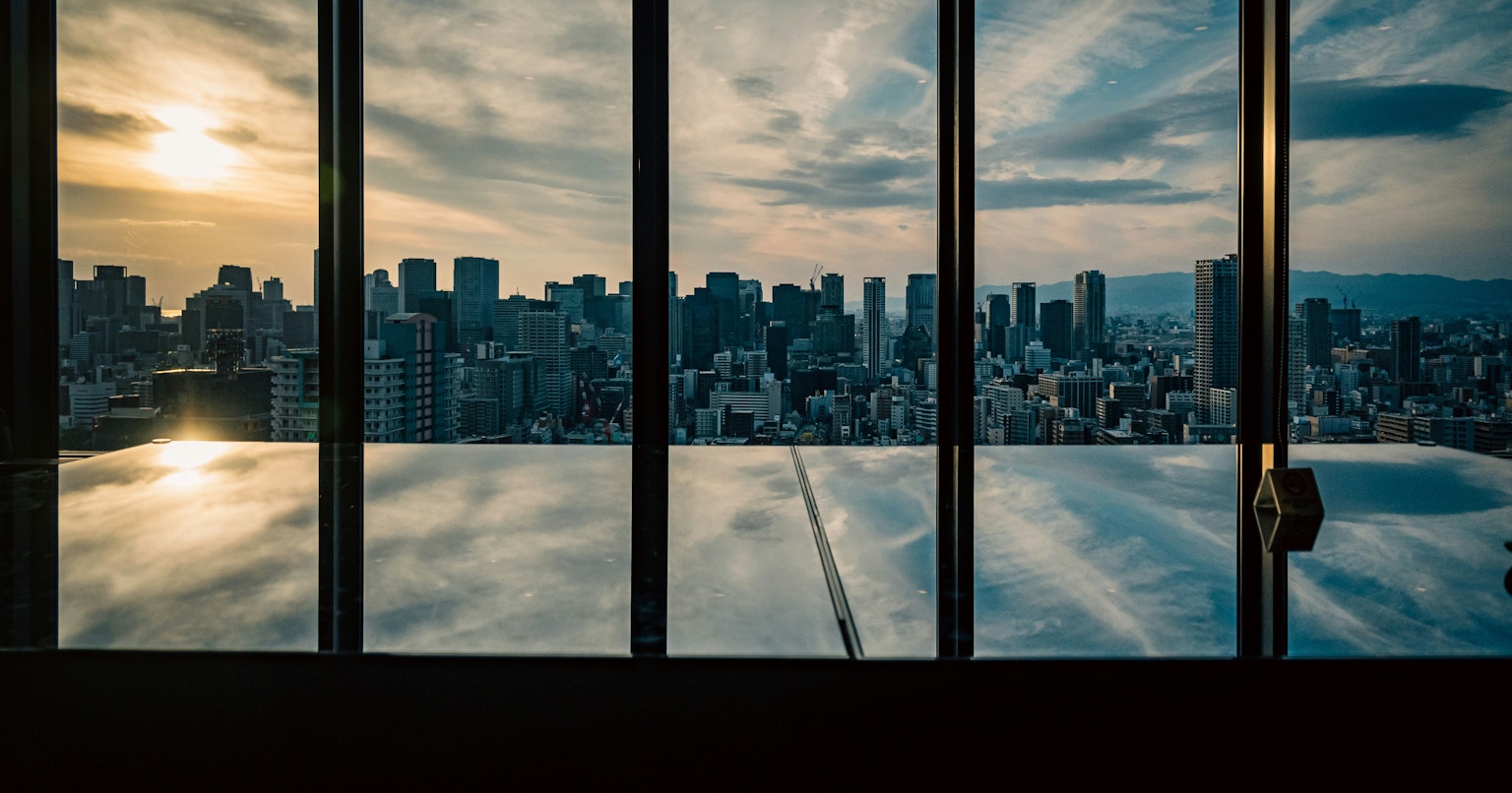
Color temperature quantifies the color tone of light, measured in Kelvin (K). Lower values (1000 ~ 3000K) indicate warm colors with a reddish tint, while higher values (6000K and above) indicate cool colors with a bluish tint.
- Color Temperature (K)
- Examples of Light Sources
- Color Tendencies
- 1000 ~ 3000K
- Candles, incandescent bulbs
- Warm colors (red ~ yellow)
- 4,000 ~ 5,000K
- Fluorescent lamps, daylight
- Neutral colors
- 6,000K and above
- Overcast, shade, blue sky
- Cool colors (blue)
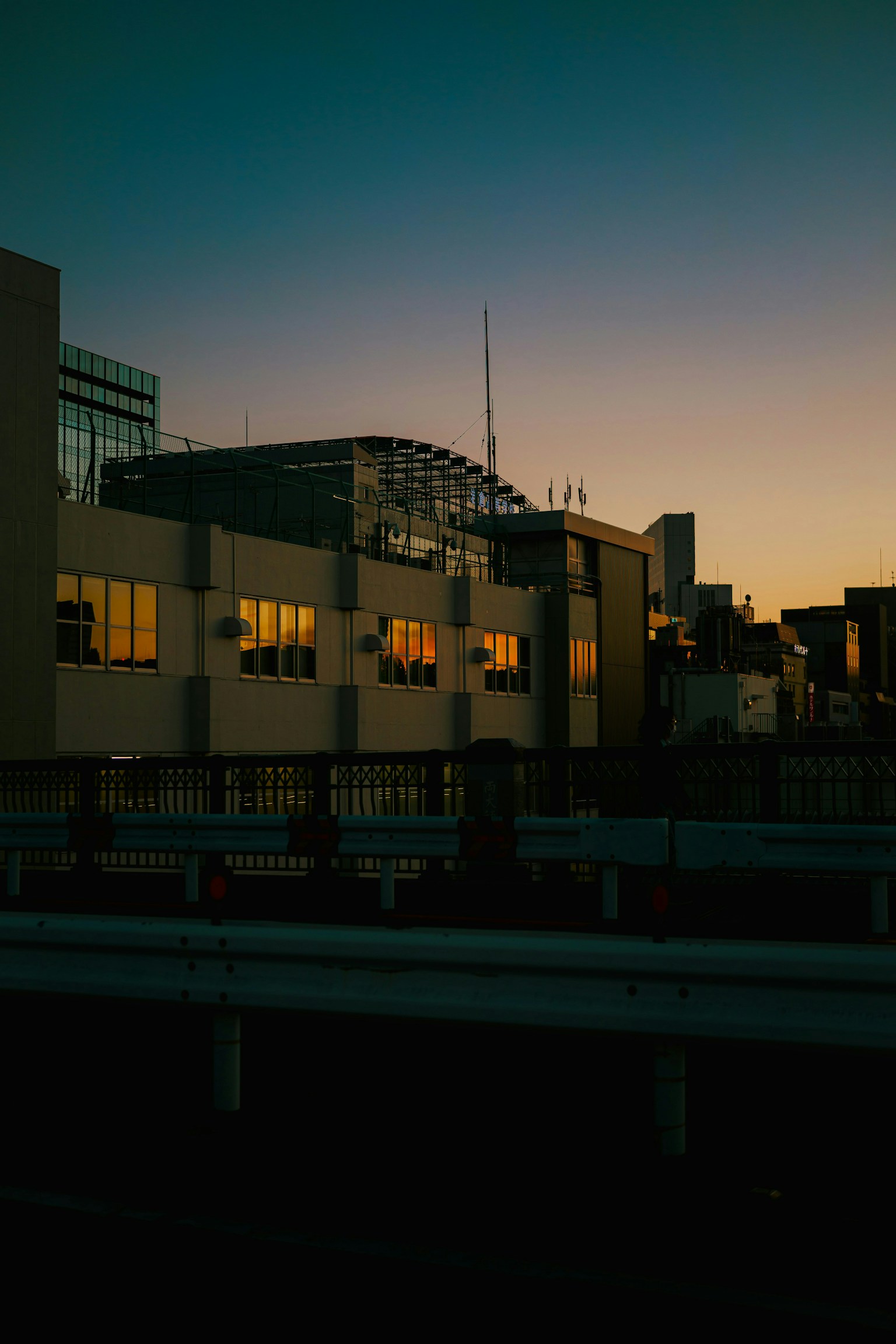
Photo by TEN
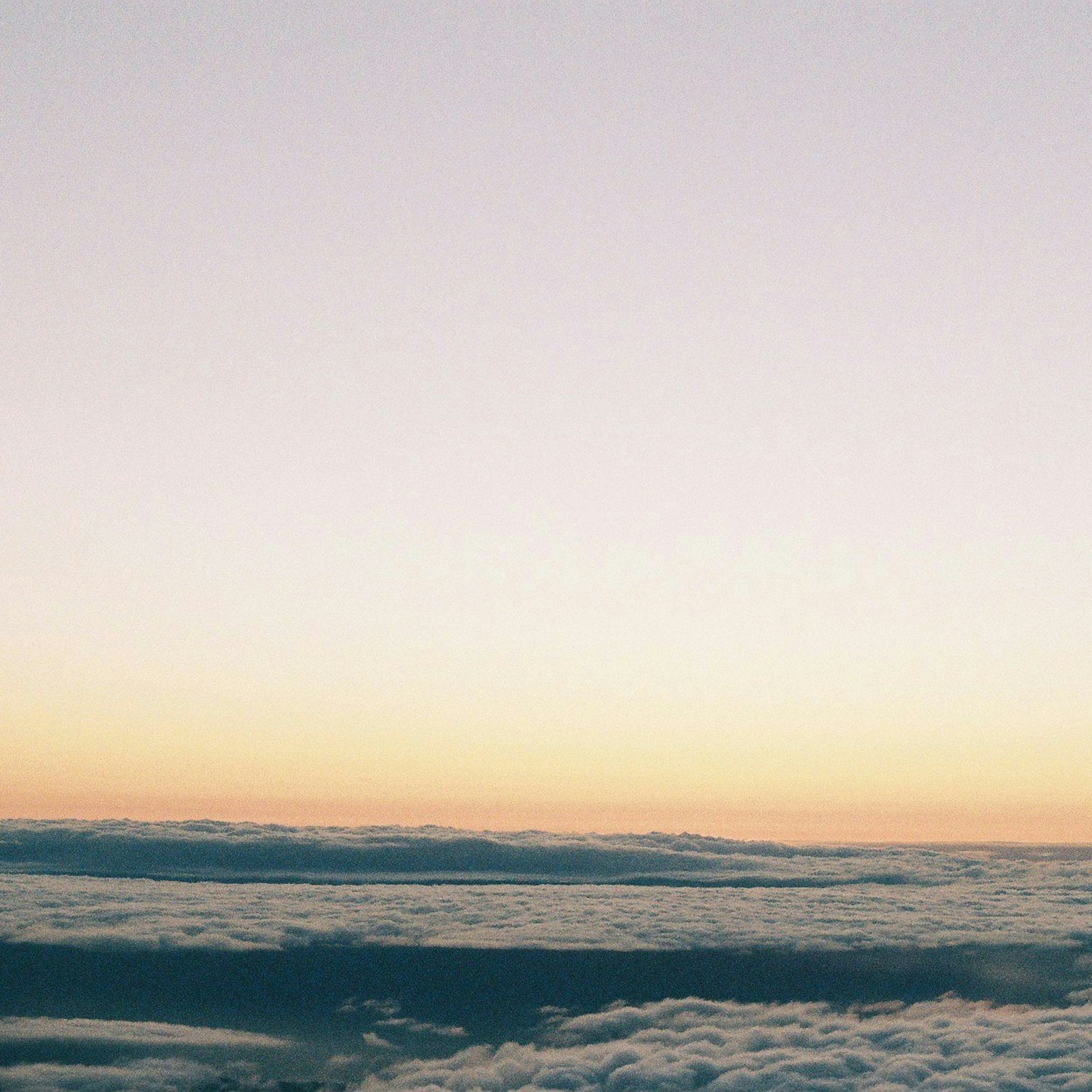
For example, using a low color temperature to convey warmth in a sunset scene or a high color temperature to convey coldness in a winter morning scene can dramatically enhance the atmosphere of the scene.
Enhancing Photos with White Balance
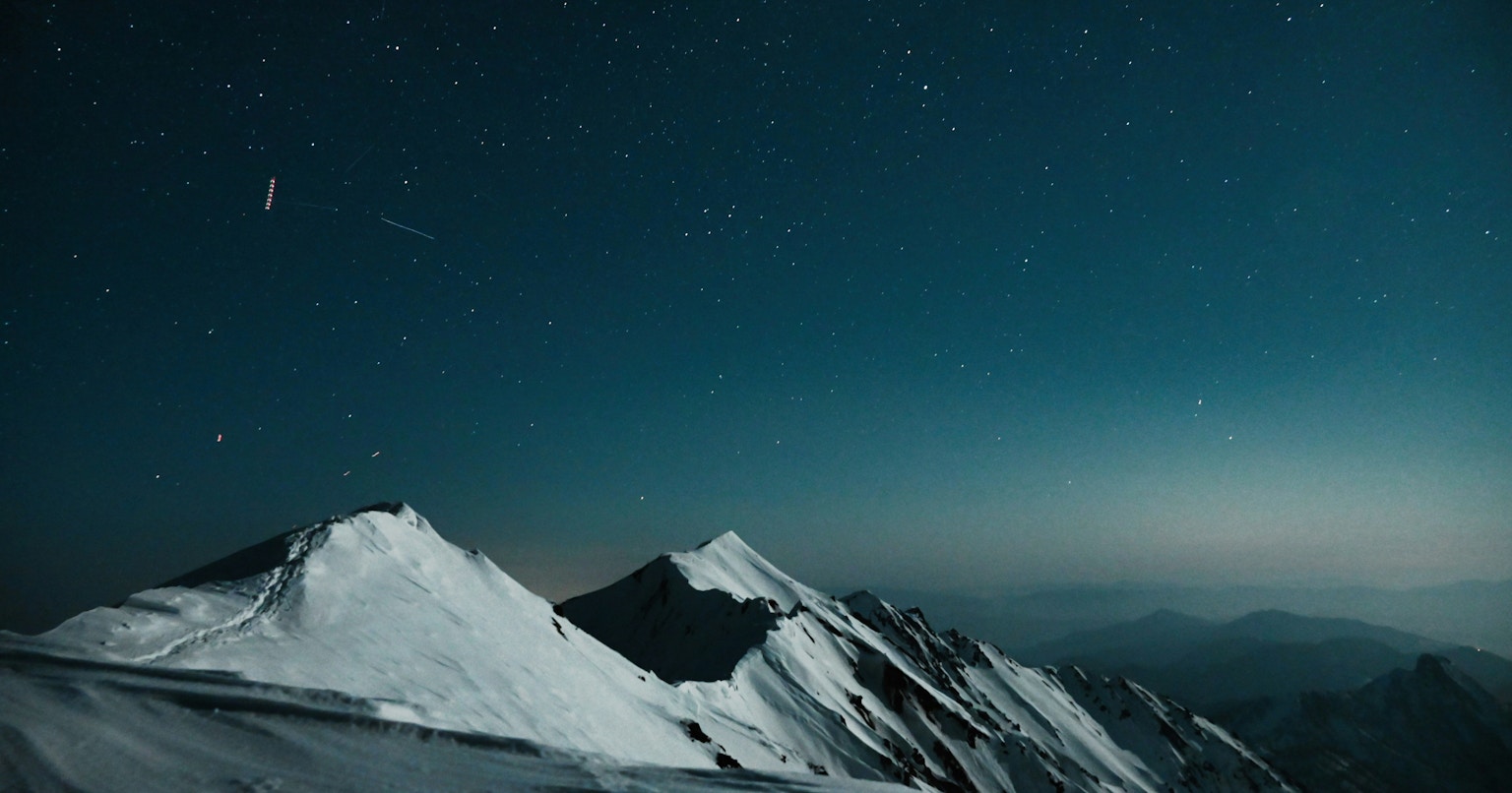
White balance is a function that corrects white according to the color temperature of the shooting environment. While using AWB (Auto) is simple, manually setting presets like "Daylight," "Shade," "Cloudy," "Fluorescent," or Kelvin values allows for expression tailored to your image.
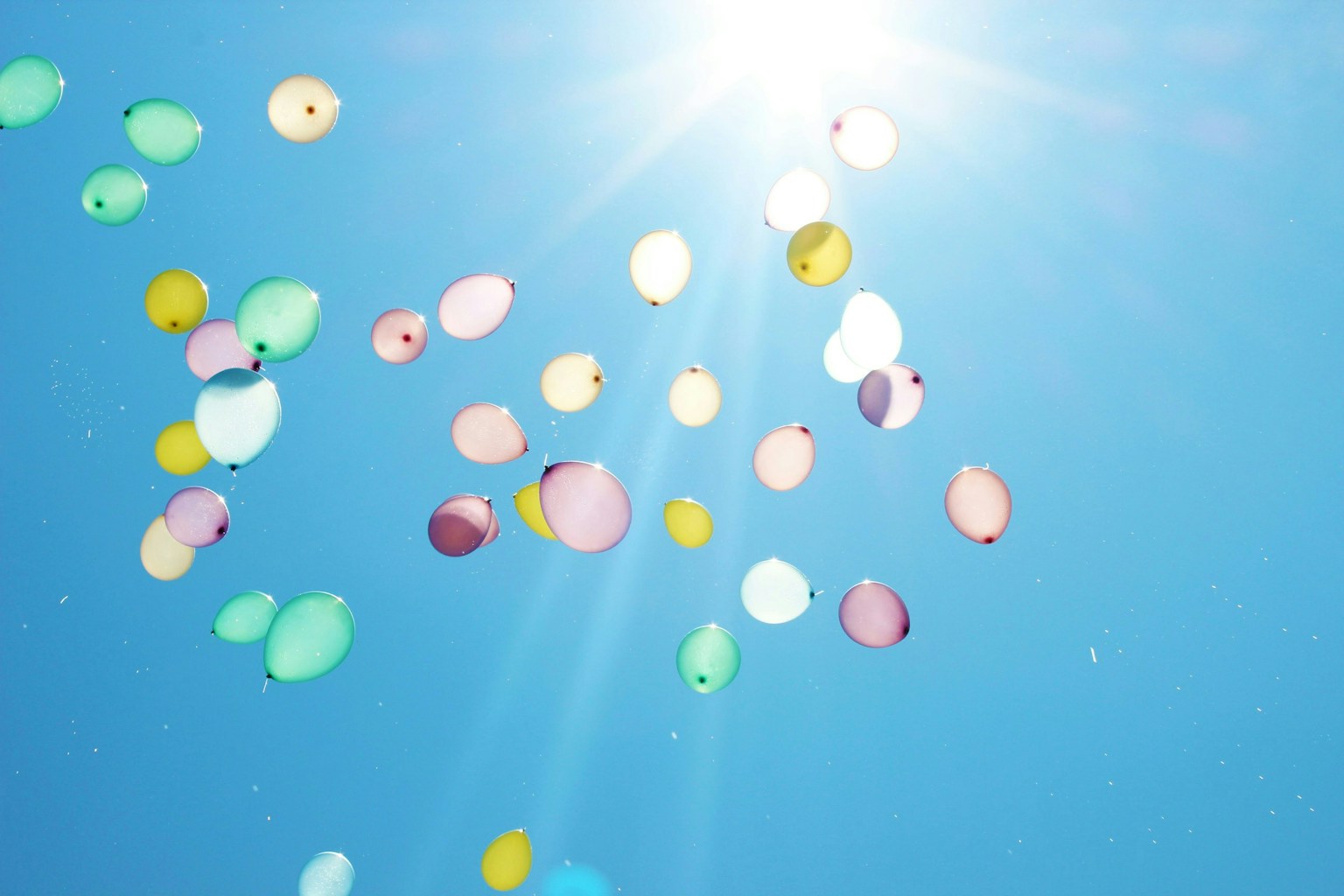
Photo by AN
For instance, adding a bluish tint with "Bulb Mode" on a cloudy day can create a fantastical and mysterious atmosphere.
Techniques to Leverage Color Temperature in Shooting Scenes
To master white balance, first be mindful of the distinction between "faithful reproduction" and "atmospheric reproduction." For accurate colors, set according to the environment; for artistic expression, intentionally alter the color temperature.
- Scene
- Recommended Color Temperature (Guide)
- Reference
- Sunny Outdoors
- 5,200 ~ 5,500K
- Standard daylight
- Overcast/Shade
- 6,000 ~ 7,500K
- Correct blue cast, add warmth
- Indoor (Fluorescent)
- 4,000 ~ 4,500K
- Correct green cast
- Sunset/Nightscape
- 2,500 ~ 4,000K
- Dramatic warm color effect
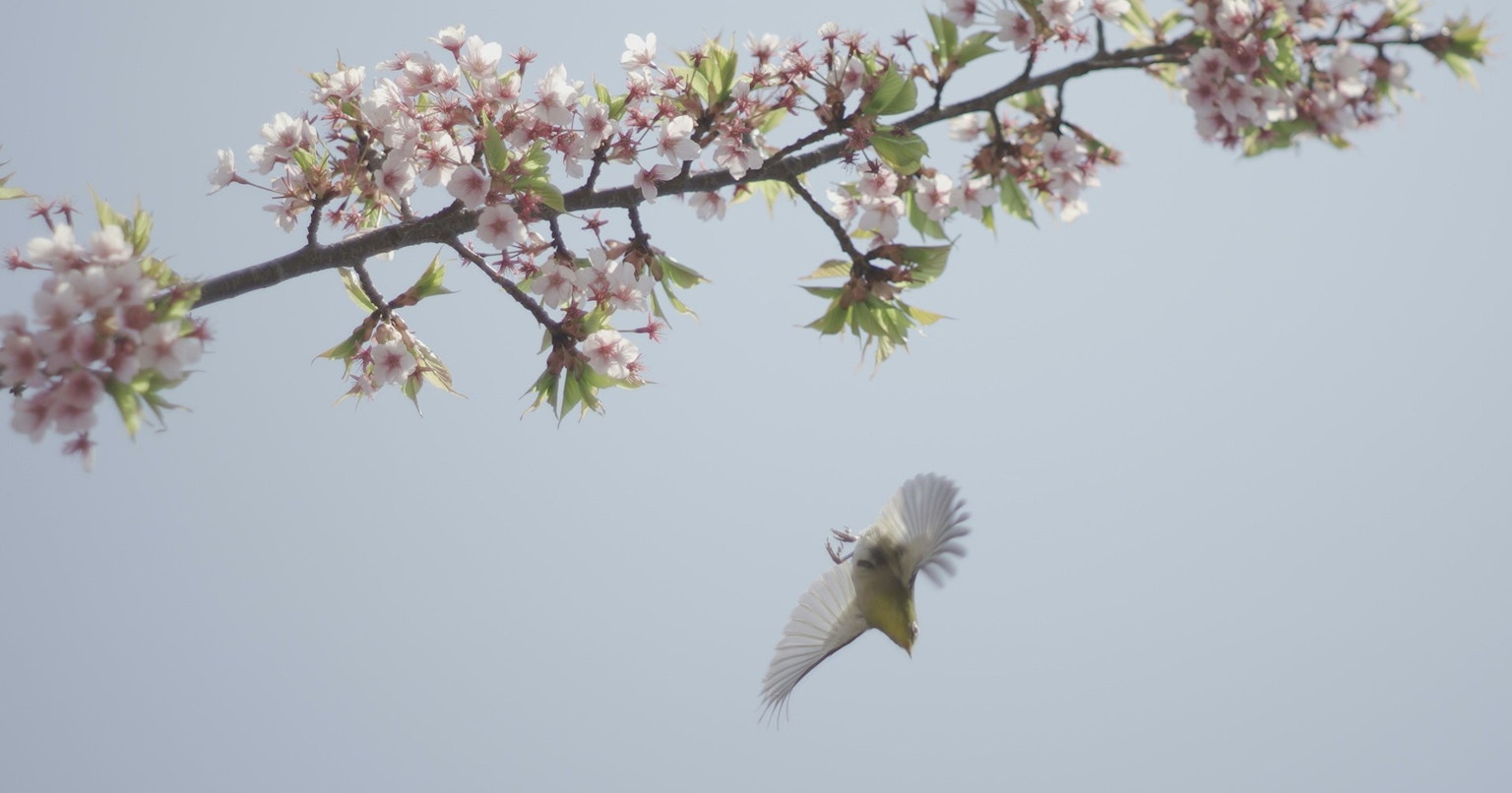
Furthermore, if you use "K Mode (Color Temperature Setting)" with a DSLR camera, you can quickly respond to changes in light, significantly enhancing your photography skills.
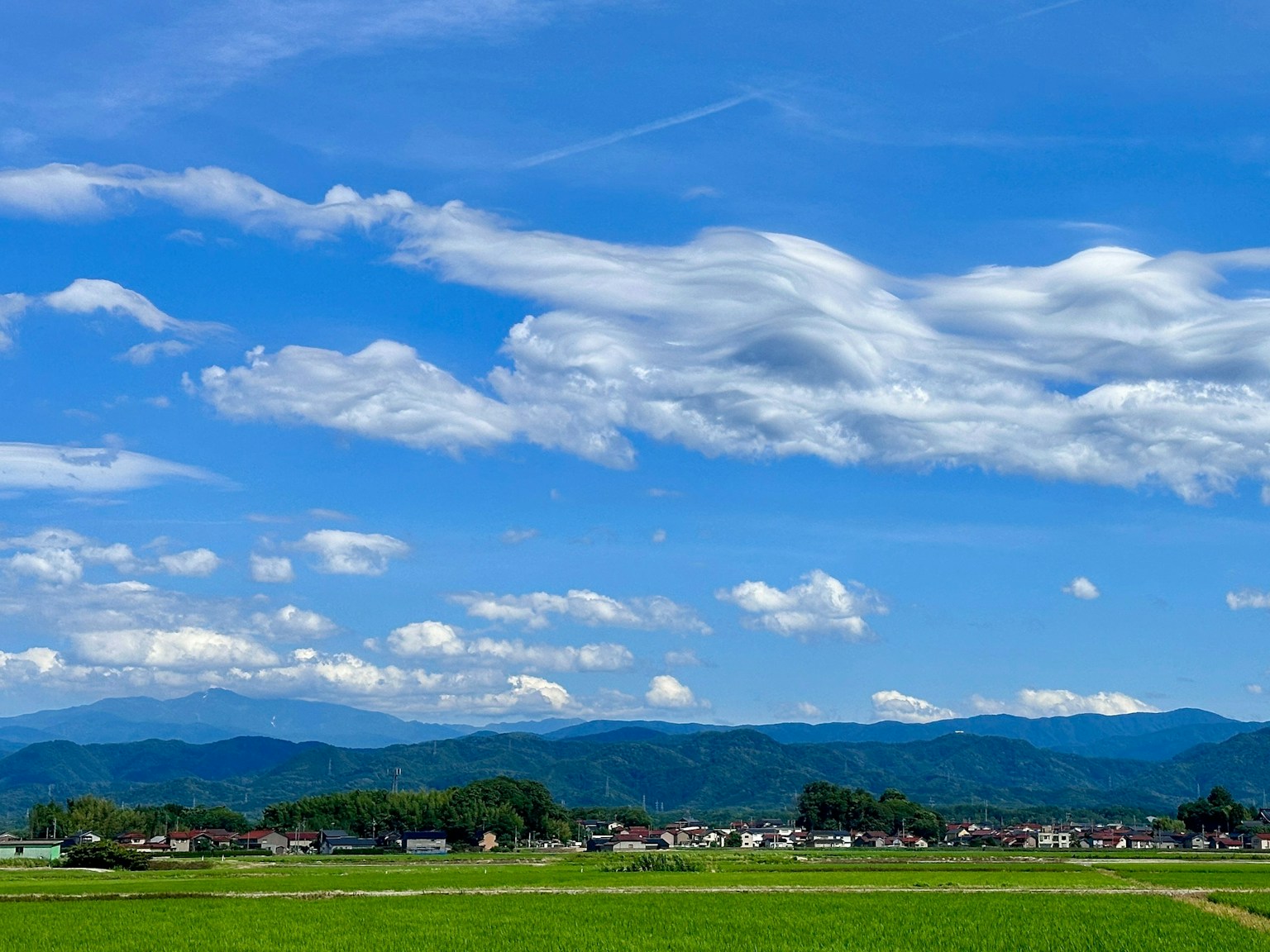
Photo by wagahaiha chitta
RAW Development and White Balance Correction
Setting the perfect white balance at the time of shooting is actually very difficult. This is why shooting in RAW format is recommended. With RAW, you can freely adjust the white balance on your computer after shooting, greatly expanding your expressive freedom.
However, by setting a white balance close to your image during shooting, you can streamline later retouching work, leading to the creation of higher-quality works.