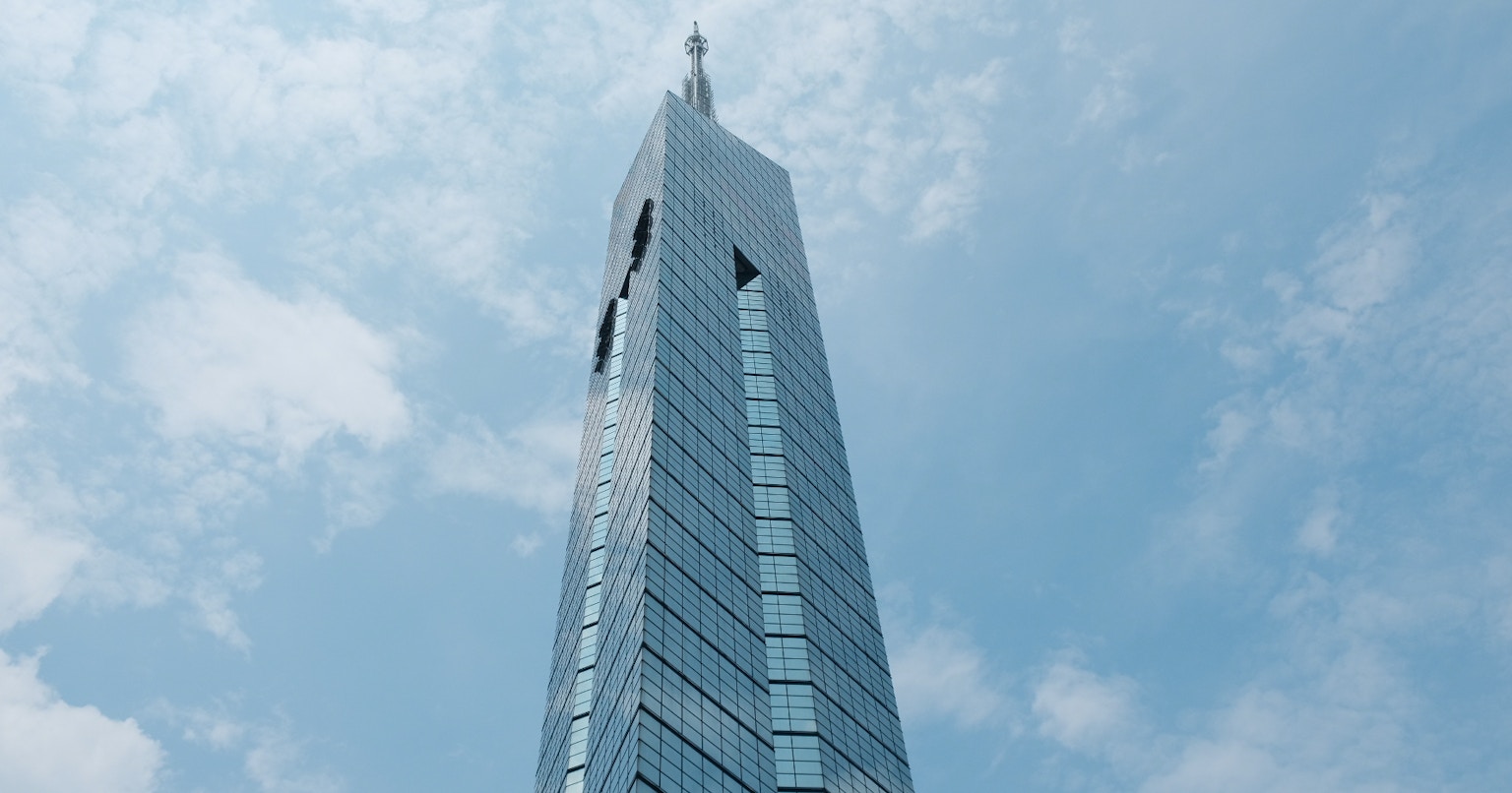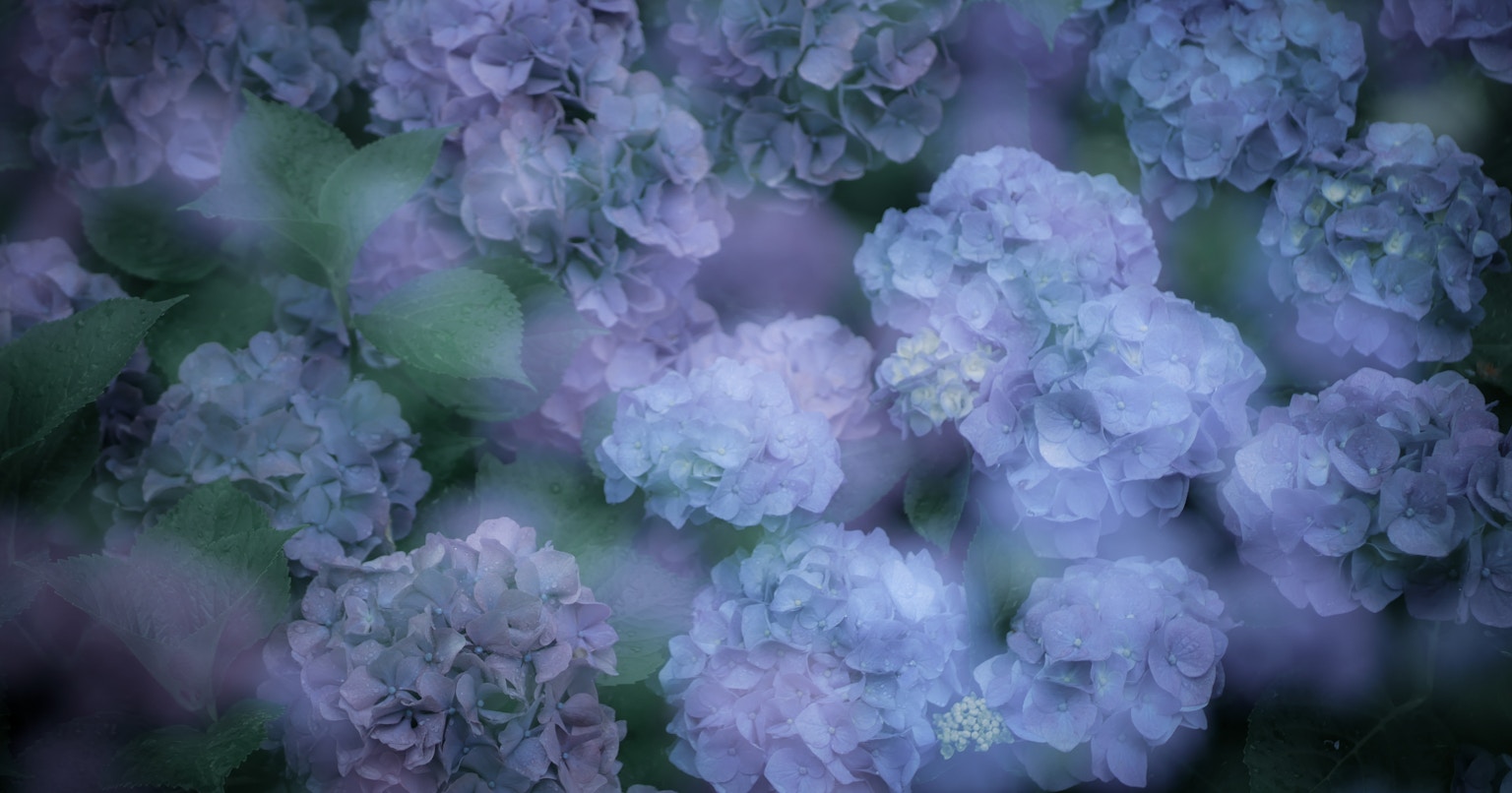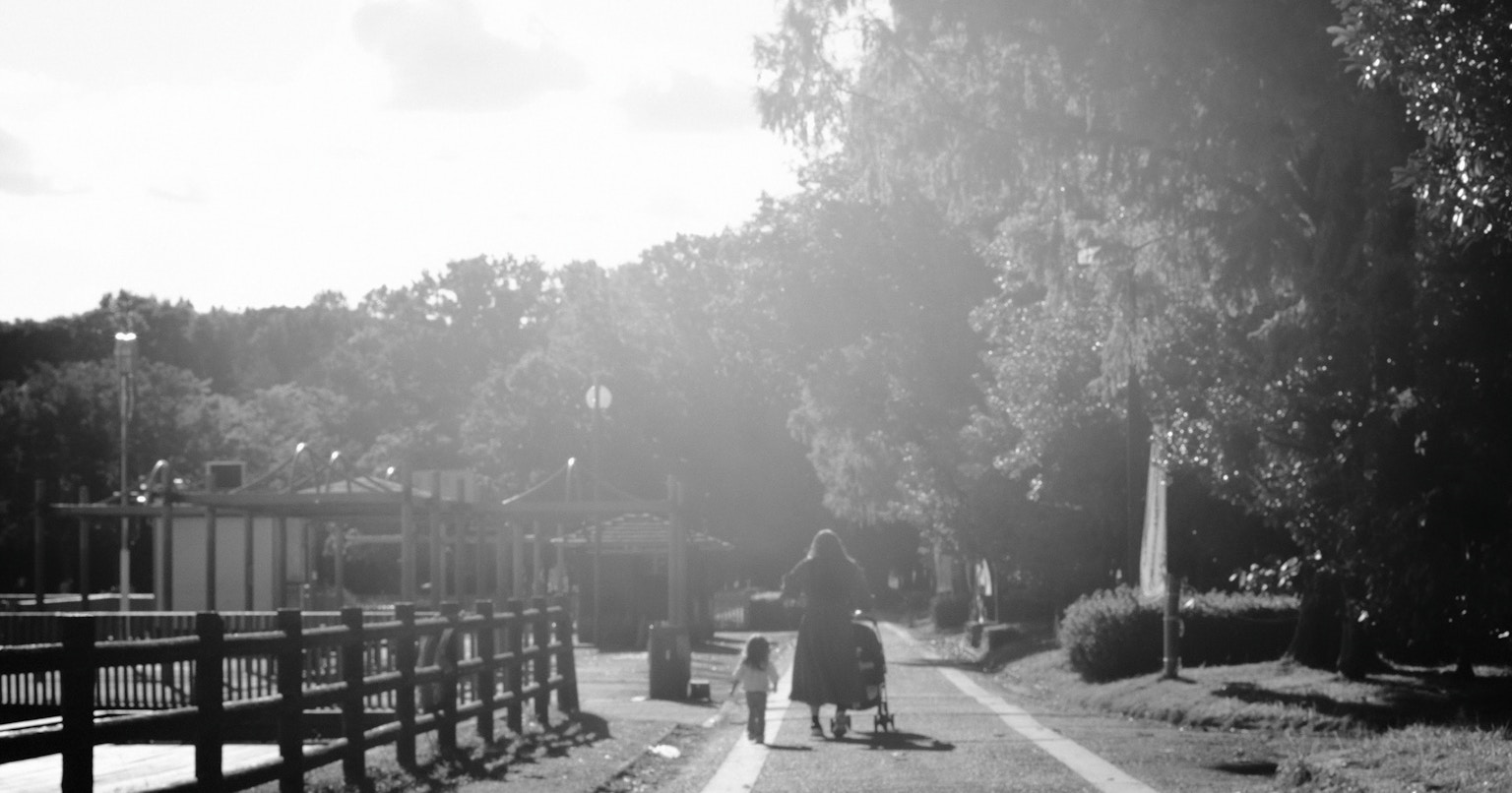
In the digital age, the unique 'halation' of analog photography is like a magical presence that reflects warmth and nostalgia. Halation occurs when light reflects on film, creating a distinctive blurred halo in bright areas, adding a romantic atmosphere to scenes with strong light and shadow contrast.
This time, we introduce techniques to utilize this effect and tips on choosing films that produce halation.
The Mechanics and Charm of Halation
Halation is a light blur effect caused by light entering and reflecting within the film. Light reflected by the film's base returns to the emulsion, creating a soft halo around bright areas.
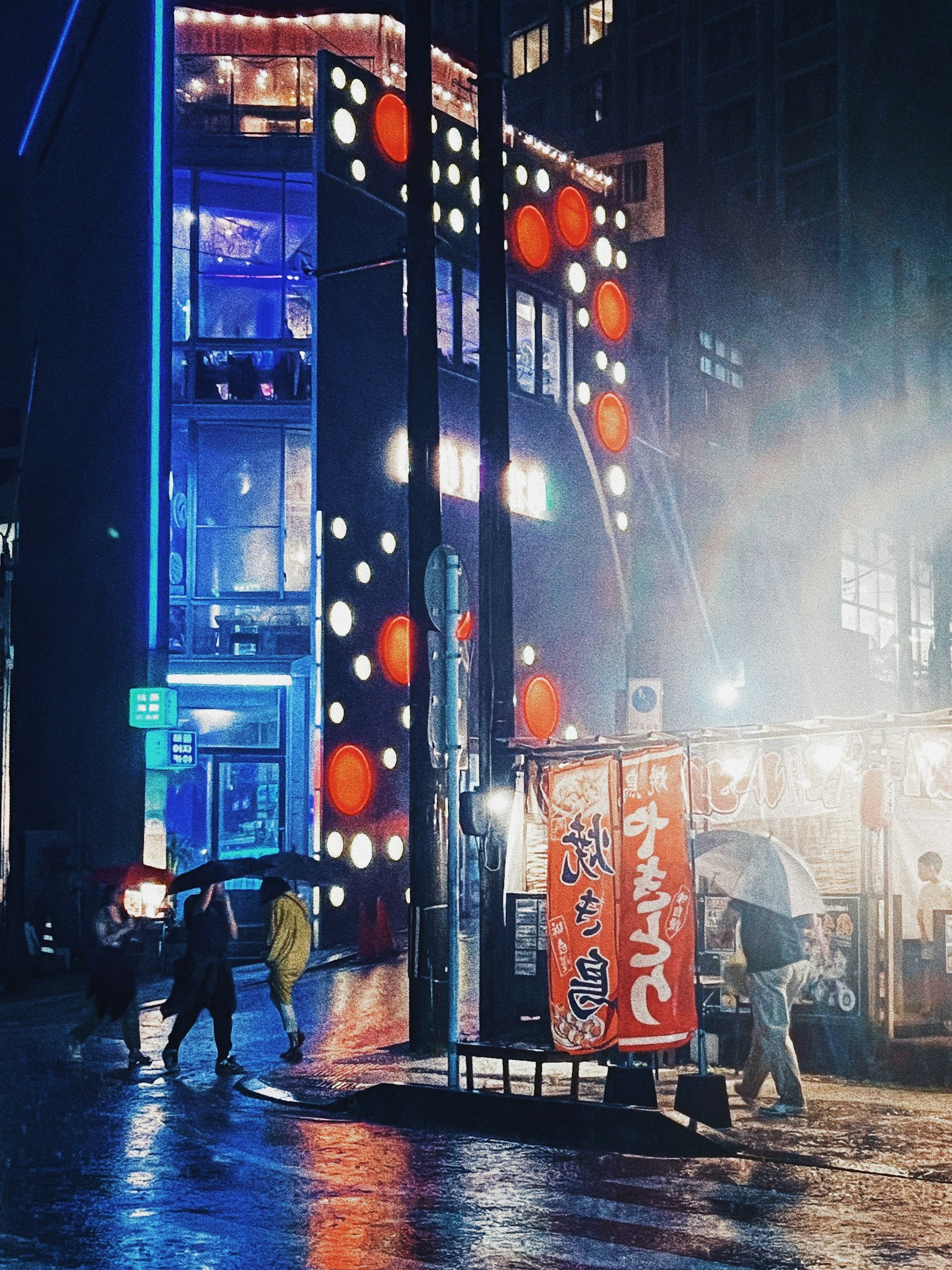
Photo by 永山敏也
This effect is particularly noticeable against strong light sources. Generally, it is reduced by the film's 'anti-halation layer', but using films without this layer can enhance the dreamy halation effect. In scenes with strong contrasts, such as nightscapes or backlit settings, halation can create a dramatic presentation.
Choosing Scenes and Utilizing Light for Halation
To maximize the halation effect, high-contrast scenes with light sources in the frame are ideal. Utilizing neon lights, street lamps, or the setting sun can add soft light to subjects, enhancing the warmth of the photo. Additionally, embracing the 'beauty of chance' unique to film photography is key.
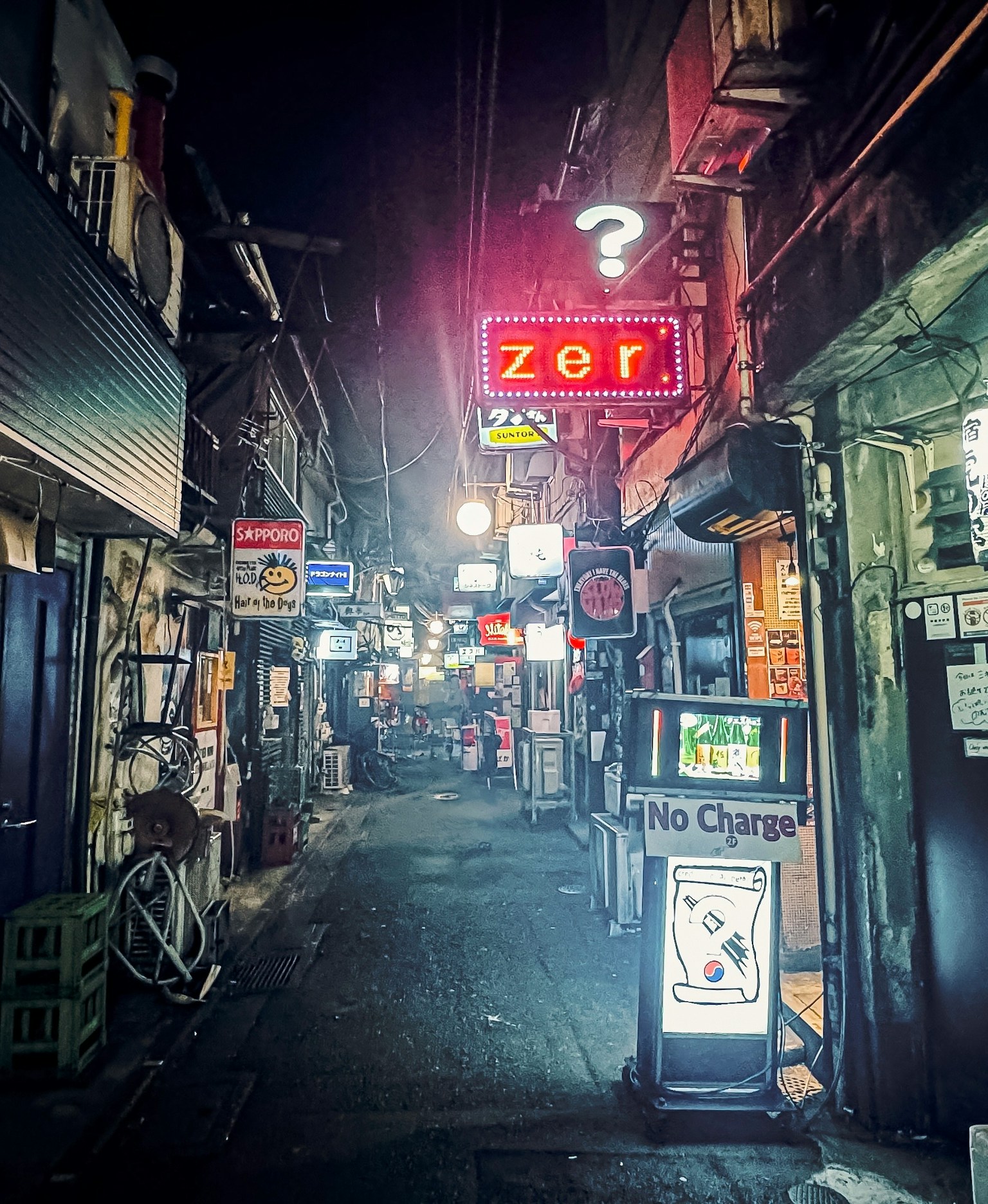
Photo by ⭐︎グッチー⭐︎
Choosing films like Cinestill 800T or Harman Phoenix, which lack an anti-halation layer, can particularly enhance the dreamy diffusion of red and orange lights, capturing a nostalgic photo.
Recreating Halation Effects Digitally
It's possible to recreate film-like halation effects in digital photography. Techniques such as attaching a diffusion filter to the lens or adding blur in post-processing can mimic the soft atmosphere of film.
Using filters, in particular, allows for the creation of gentle light diffusion during shooting, resulting in a natural finish.