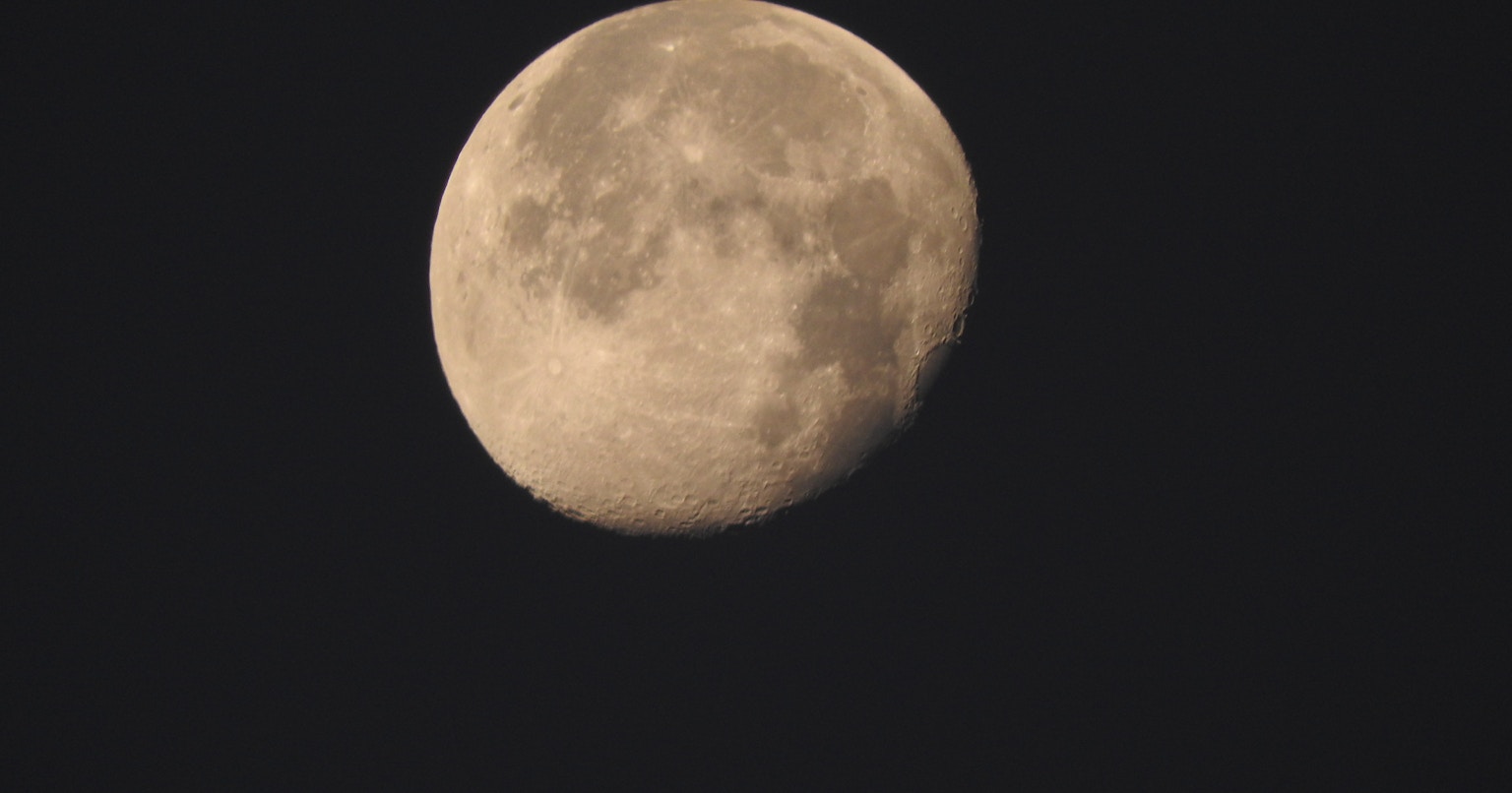
The day when your home camera can be used in outer space may not be far off.
NASA is advancing the development of a handheld camera designed for use on the lunar surface, in preparation for the Artemis III mission scheduled for 2026.
About the Artemis Program
The Artemis Program is a U.S.-led initiative aiming to explore uncharted regions of the Moon, particularly the enigmatic lunar south pole. The mission aspires to land "the first woman astronaut and the next man after Apollo" on the Moon, marking a historic milestone.
The project’s name is derived from Artemis, the goddess of the night, and carries on the legacy of her brother Apollo—namesake of the original lunar missions. Announced in May 2019, Artemis signals the dawn of a new era in space exploration.
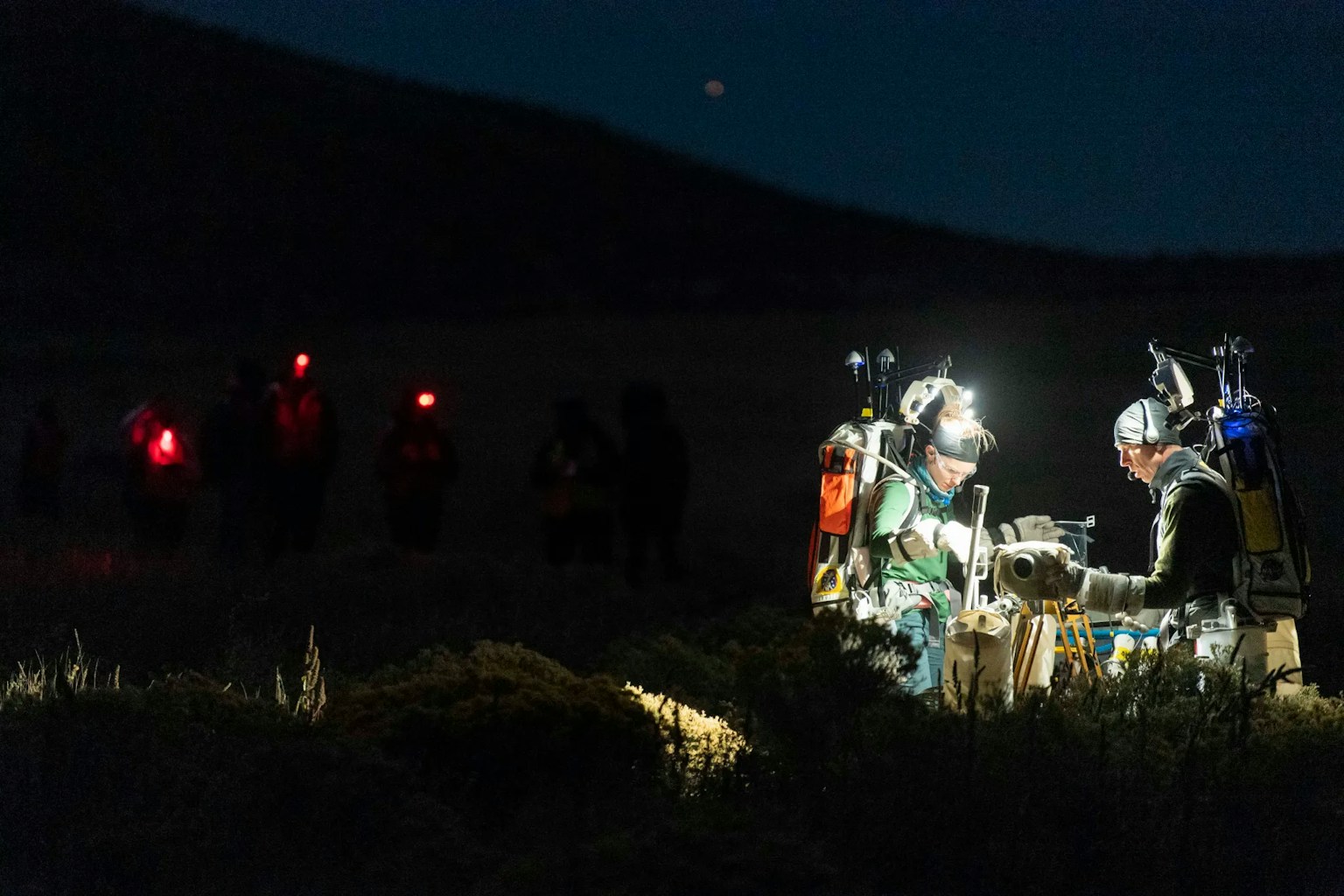
© NASA | Astronauts practicing with a handheld camera
Designing a Camera with Nikon to Withstand the Moon’s Extreme Conditions
NASA has partnered with Nikon to develop a specialized space camera capable of functioning in the Moon’s harsh environment—enduring temperature fluctuations exceeding 100°C, cosmic radiation, and microgravity, all of which differ greatly from conditions on Earth.
This landmark collaboration will enable astronauts to document life and research on the lunar surface, capturing invaluable moments and perhaps even unique astronaut selfies. The camera under development is set to demonstrate its capabilities during the Artemis III mission, scheduled for September 2026.
Film Cameras in the Apollo Program
During the Apollo Program, astronauts used cameras equipped with 70mm film magazines to capture pivotal moments of their missions. More than 50 years have passed since then, and times have changed. NASA now seeks cameras with greater operational flexibility and advanced functionality.

© NASA | Lunar exploration photographed on film
Customizing the Nikon Z9 for Space
Nikon is working to specially adapt its flagship mirrorless camera, the Nikon Z 9—already delivered to NASA for use on the International Space Station (ISS)—for lunar missions. The enhanced version will feature Nikon’s high-performance NIKKOR lenses and be protected by NASA’s proprietary thermal blanket. Additionally, a custom grip will be installed to ensure operability even while wearing thick gloves.

Incorporating the latest imaging technology, the camera will also be engineered to shield electronic components from cosmic radiation. It will support video recording and excel in low-light conditions, enabling the capture of high-quality images of space that far surpass those from the Apollo era.

© Nikon Corporation | Artemis Program logo (left), Nikon Z 9 (right)
It is inspiring to see Japanese imaging technology contributing to such a monumental project.
Just as previous generations were thrilled by the Apollo lunar landings, we too will soon witness a new era of lunar exploration. The anticipation for the wonders that 21st-century lunar landings will bring is truly exciting.
Cover image by T15