
Nikon’s Cutting-Edge Z 9 Arrives at the International Space Station
Nikon’s technological innovation has reached a new frontier. The company’s flagship mirrorless camera, the Nikon Z 9, has been delivered to NASA for use aboard the International Space Station (ISS).
Sent to the ISS in January 2024, the Z 9 is expected to capture even more striking and high-resolution images of Earth and space by astronauts. Thirteen Z 9 camera bodies, over fifteen NIKKOR Z lenses—including super-telephoto and micro lenses—and fifteen FTZ II mount adapters were delivered to space under contract with NASA.
Durability to Withstand the Demands of Space
The Z 9 is highly regarded among full-frame/FX-format mirrorless cameras for its robustness, reliability, and advanced technology. Notably, it is the first camera in its category to feature a fully electronic shutter, minimizing moving parts and maximizing durability. The Z 9 camera bodies delivered to NASA are identical to commercially available models used by photographers on Earth, with no special modifications.
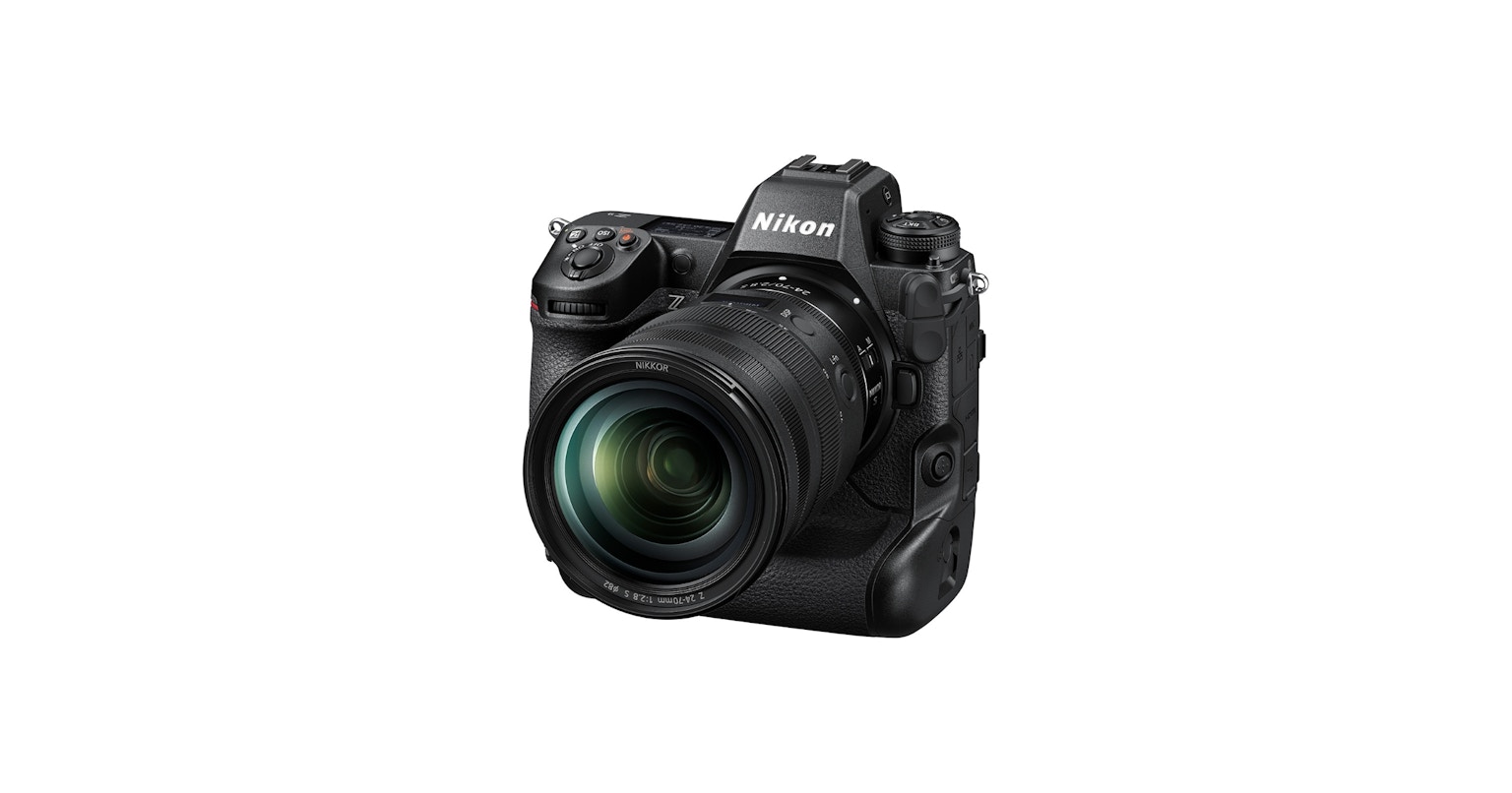
© Nikon Corporation
Customization for the Space Environment
Meanwhile, the firmware was jointly developed by Nikon and NASA to adapt to the space environment. This includes enhanced radiation resistance, improved noise reduction, optimized operability, and greater efficiency in image transmission to Earth, as well as reduced power consumption.
A Longstanding Partnership Between Nikon and NASA
In fact, in 1971 Nikon developed a special version of the Nikon Photomic FTN for Apollo 15, and its cameras have continued to be used by NASA ever since. The adoption of the Z 9 marks a historic transition after more than 50 years of using SLR cameras in space missions, now moving to mirrorless technology. These mirrorless cameras and lenses used on the ISS will continue to support scientific research, document the daily lives of astronauts, and capture iconic images of space and Earth. It is truly exciting to imagine that the same cameras we use in everyday life are also being utilized in space missions.
cover image by RIRIKOITO