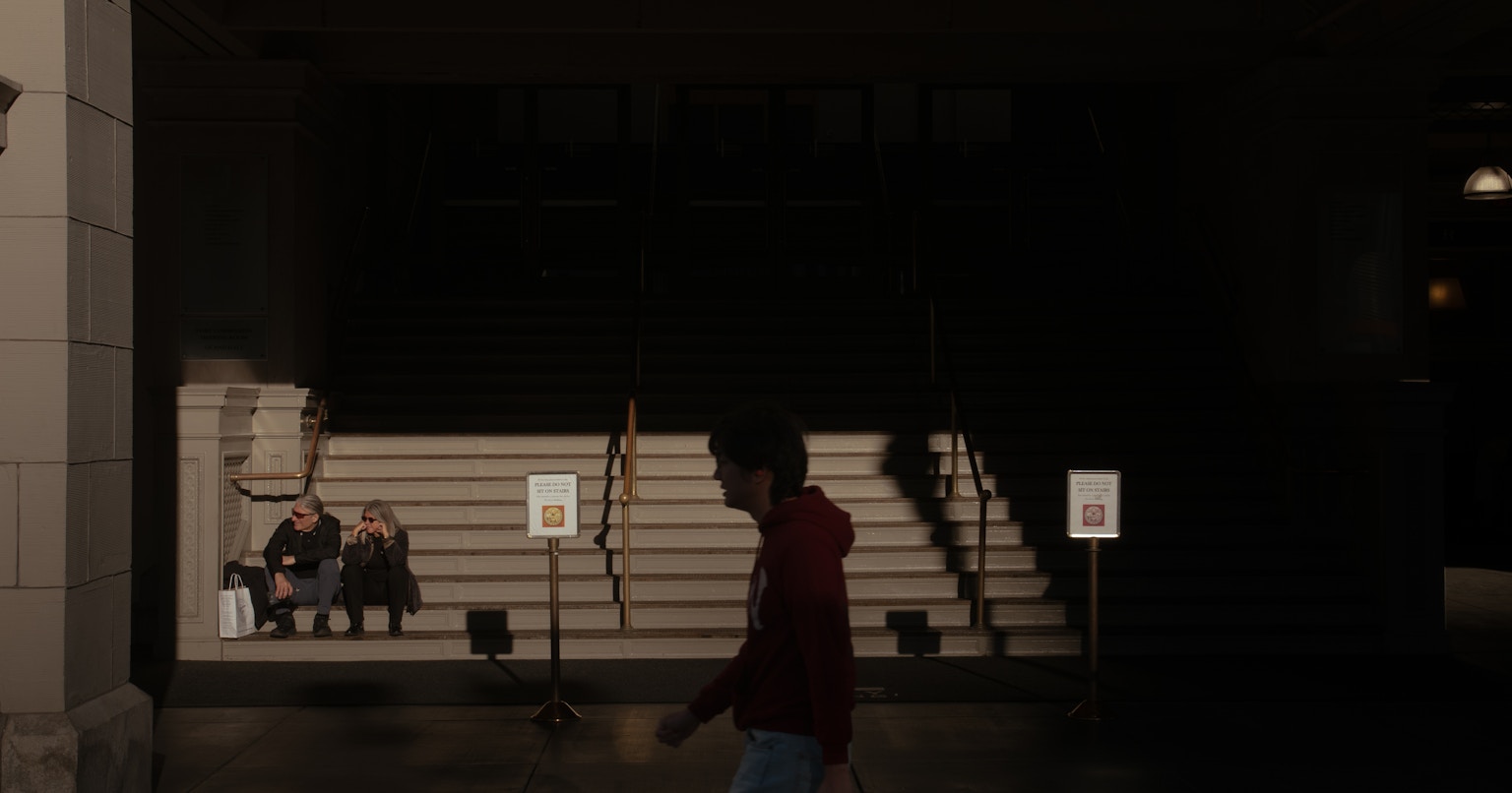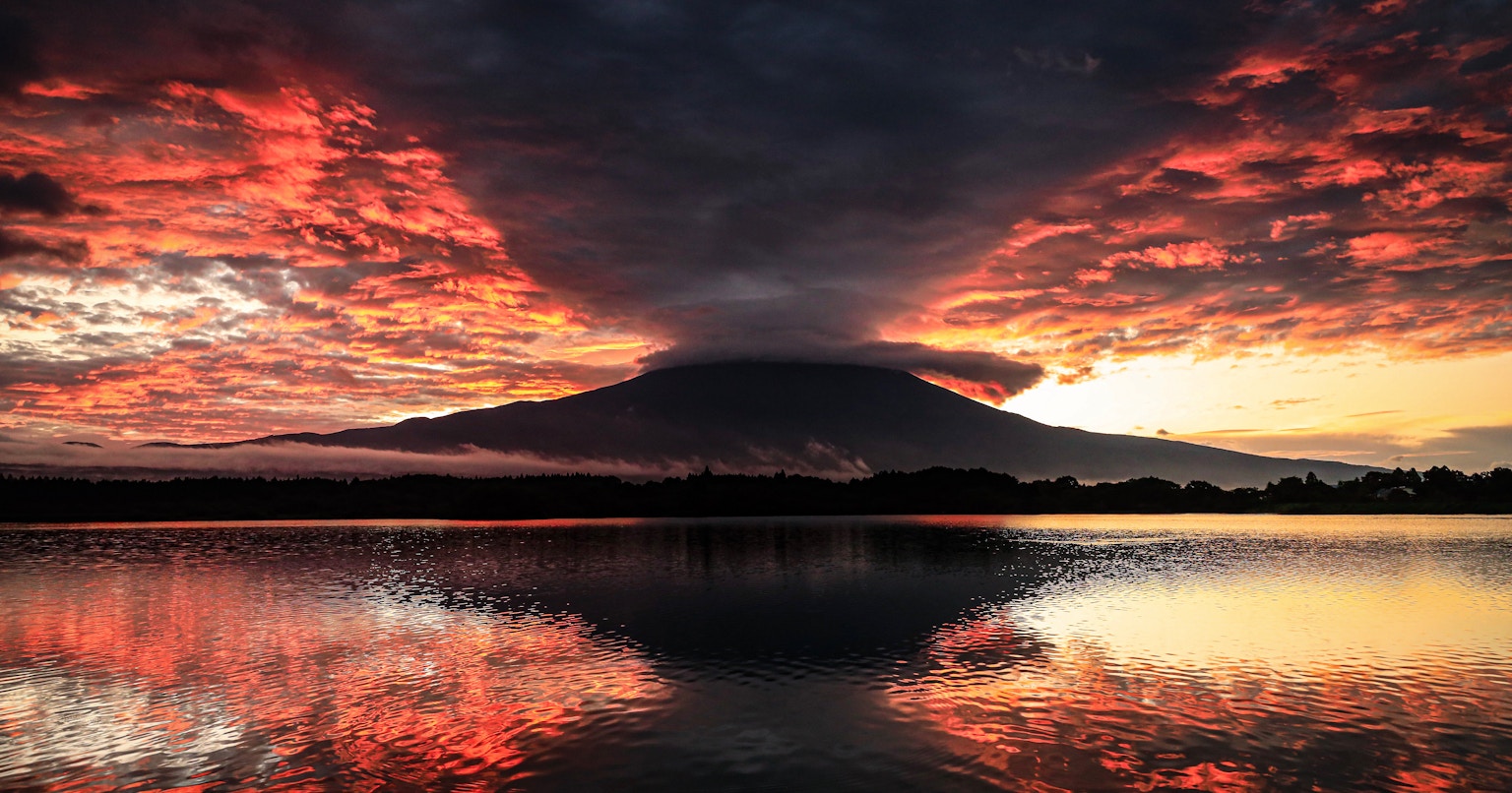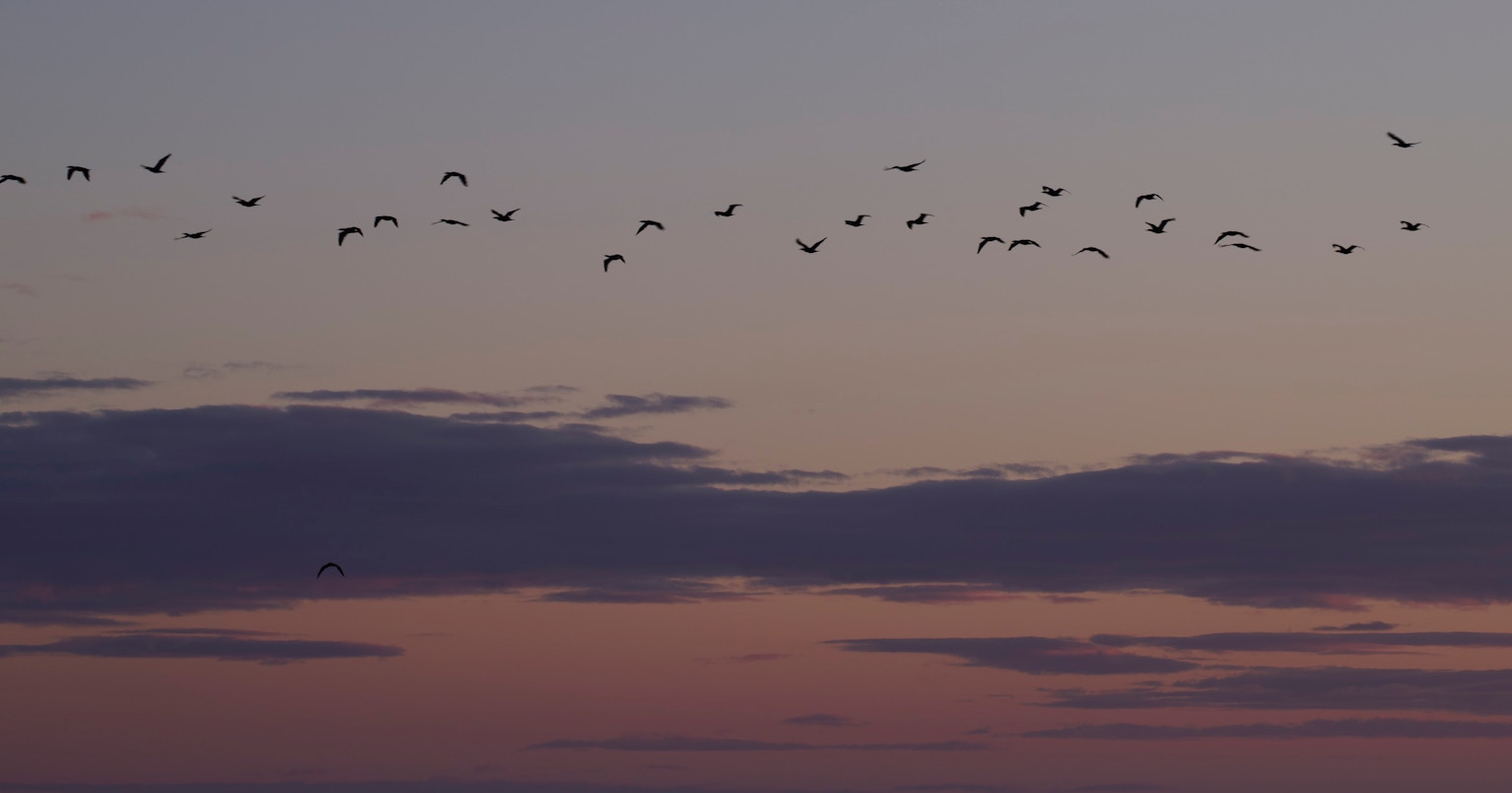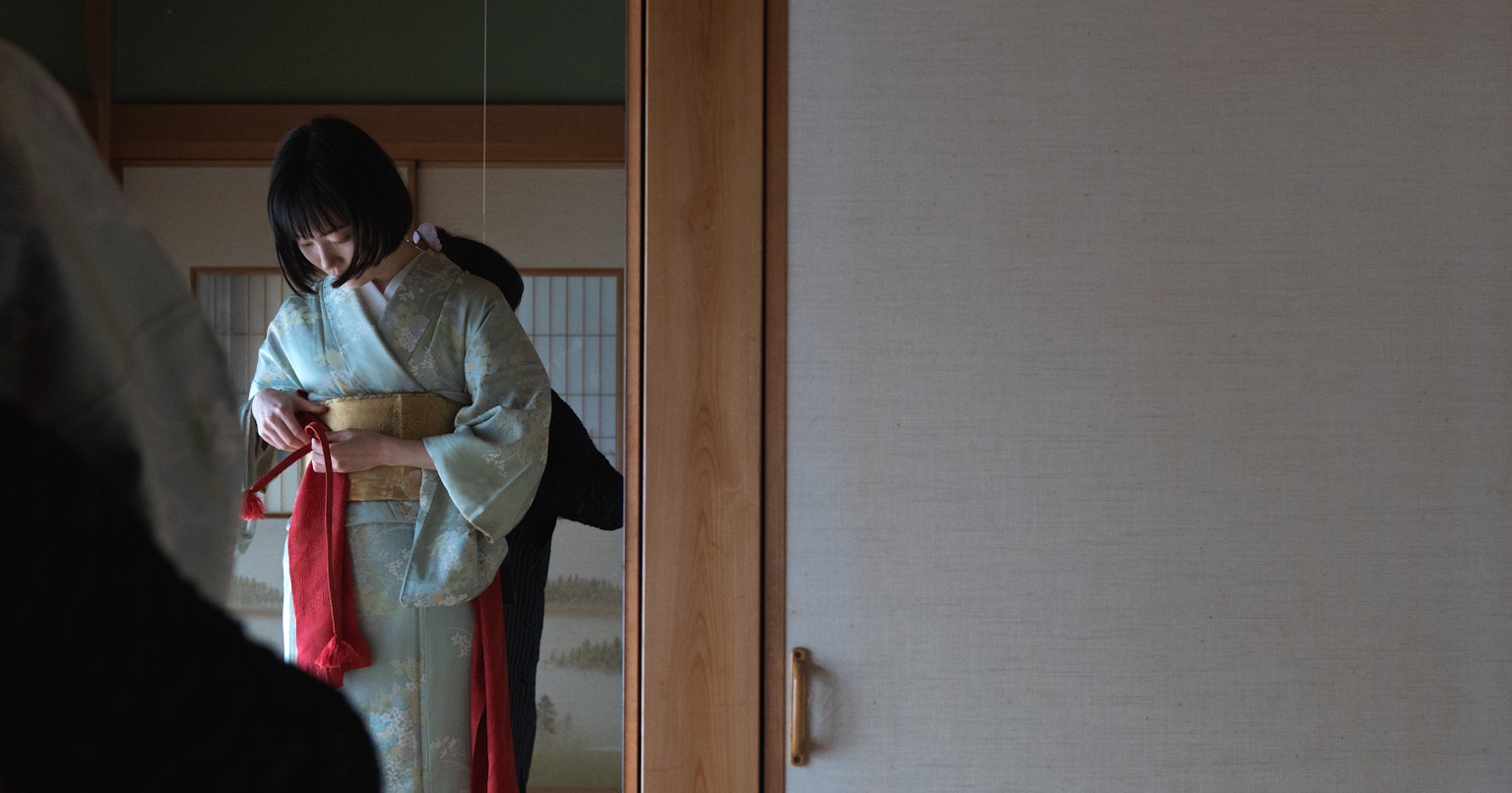
‘ISSUE’ is a series that delves into the sensibilities and thought processes of creators from around the world, serving as a catalyst for new inspiration. In ‘ISSUE #14’, we approach photographer Takeru Kohara—who is energetically active on social media and as an artist—through ten questions, exploring his dedicated engagement with his subjects.
Noticing the Overlooked
From a career in construction to freelance writing, and then transitioning to photography—such an unconventional path defines Takeru Kohara, who is now active across multiple fields.
He has amassed over 100,000 followers on Instagram and is proactive in sharing his work on social media. He has also provided cover photography for books such as Fumio Yamamoto’s ‘Jiten Shinagara Kōten Suru’ and Rio Shimamoto’s ‘Anata no Aijin no Namae wa’. Most recently, from May 27 to August 27, 2023, he held the exhibition ‘Satsuen’ at Leica Gallery Tokyo and Kyoto.
“Even with more followers, my position hasn’t changed at all,” Kohara says. Many may wonder what drives him as he thrives in such diverse genres.
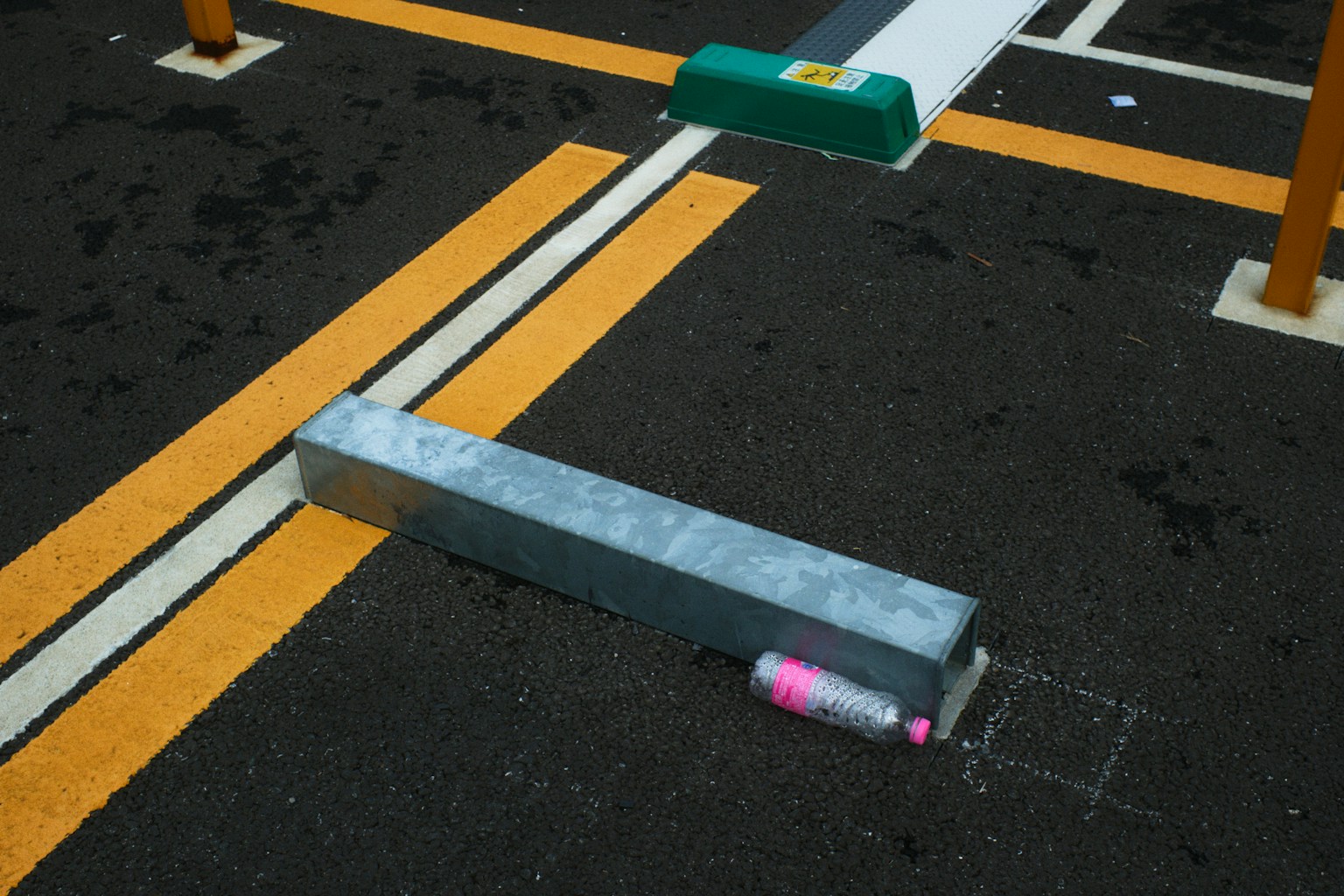
Image by コハラタケル
“Above all, I love photographing ‘trash’ as a subject. The moment something is purchased, it is cherished, but once it is no longer needed, it is discarded. Yet, being thrown away does not mean it loses its brilliance, and I want to witness its final moments whenever possible. Perhaps this stems from my childhood, when I wished others would notice my feelings.”
From the pain of not having his feelings recognized by adults as a child, he developed a desire to notice those who are often overlooked. He prefers to photograph places that are not scenic landmarks or models who are not yet well known. This sentiment, born from his childhood experiences, has become the foundation of his practice today.
A Premonition—It Had to Be Her
Valuing the sensibility of ‘noticing the overlooked’, Kohara continues to raise his camera to create memorable works.
The photograph chosen for the cover of ‘Jiten Shinagara Kōten Suru’, mentioned earlier, is one such memorable work. The encounter with its subject, model Mami, was particularly striking.
He met her at a summer audition hosted by the watch brand ‘4 Silent Birds’, managed by a fellow photographer.
“I participated as one of the jurors, and that’s when I met Mami. The moment I saw her, I had a premonition—‘It has to be her.’ After the audition, by chance, a photograph I took of her was selected as the cover for a novel. I was truly delighted. I think it was less about my photo being chosen and more about her potential making it happen.”
Though Kohara speaks with humility, his gaze is direct and strong. He wants to continue photographing those who, while not usually noticed, are struggling and striving to change something even when things aren’t going well. He shared with a smile that he sensed such struggle and strong will in Mami.
Image by コハラタケル
Pure and Passionate
Kohara approaches photography with sincerity. Even after seven years since he began, the thrill of capturing a great snapshot remains unchanged. For him, a life separated from photography is unimaginable.
Even before this interview, he was out exploring unfamiliar places, taking snapshots. His approach to photography is as pure and passionate as a child who has just received their first film camera.
“Today, the clouds were just right, and I found myself muttering, ‘The way the clouds look from here is amazing,’ as I shot. I really do love taking photographs. People might think I’m joking, but if I lost photography, I might genuinely become unstable and die.”
Image by コハラタケル
He went on to share that he is particular about using cameras with a viewfinder positioned at the top left. With the viewfinder in the upper left, when holding the camera, the subject can see more of the photographer’s face, which provides a sense of reassurance. This is the result of careful consideration for his subjects. True to his words, he uses the Fujifilm X-Pro3 and Leica Q and M series.
“If I only thought about work, there would be other camera options, but ultimately, I wanted a camera that blurs the line between work and personal life. I want a camera that excites me when I pick it up.”
He laughs and says, “In a good way, I’m dependent on my camera.” From his demeanor, it’s clear that he is driven by a desire to keep capturing images that make his heart dance.
Transmuting Struggle into Expression
Although his career may seem smooth sailing, Kohara admits that worries are never-ending.
He wonders how long he can continue to make a living solely from photography. While sharing this major concern, he also notes that struggle is necessary for creative expression.
“What’s important is making others think, ‘I wouldn’t want to spend a week like Kohara’s,’ and the higher the purity of that feeling, the better.” These words come from Kohara, who endured a tough life when he first started out.
He concludes, “It’s not so much about being stoic; I just have a strong desire to keep taking good photographs. That drive is what keeps me going. The more I slack off, the less likely I am to take good photos.”
It is precisely because he loves photography that he can continue to approach it with unwavering passion. Such earnestness is not only essential in photography but in all aspects of life.
Noticing the overlooked, he continues to raise his camera each day. He will keep shining a spotlight on the small glimmers hidden in the shadows.

Takeru Kohara
Born in 1984, Nagasaki Prefecture. After working in construction, he gained experience as a freelance writer before transitioning to photographer. Known for his emotionally resonant and charming portraits that link to everyday perspectives, such as his creation of the hashtag ‘#Iliketheordinaryroad’. While focusing on advertising photography for web media including social media, his photographs have also been featured on the covers of books such as Fumio Yamamoto’s ‘Jiten Shinagara Kōten Suru’ and Rio Shimamoto’s ‘Anata no Aijin no Namae wa (paperback edition)’.
Instagram: takerukohara_sono1
Twitter: takerukohara