Digital cameras released in the early 2000s, now known as “old digital compacts,” may seem like relics of the past, yet they are once again in the spotlight as essential gadgets for style-conscious youth.
It is, upon reflection, a curious phenomenon. In an era where high-performance digital cameras and smartphones with excellent operability and image quality are constantly emerging, why do young people—many of whom were born after or were children when these cameras were released—deliberately choose “old digital compacts” that they likely never had the chance to use? This feature delves into why “old digital compacts” are gaining attention, especially among Gen Z.
My Mother’s Camera: Looking Back at Photos from That Time
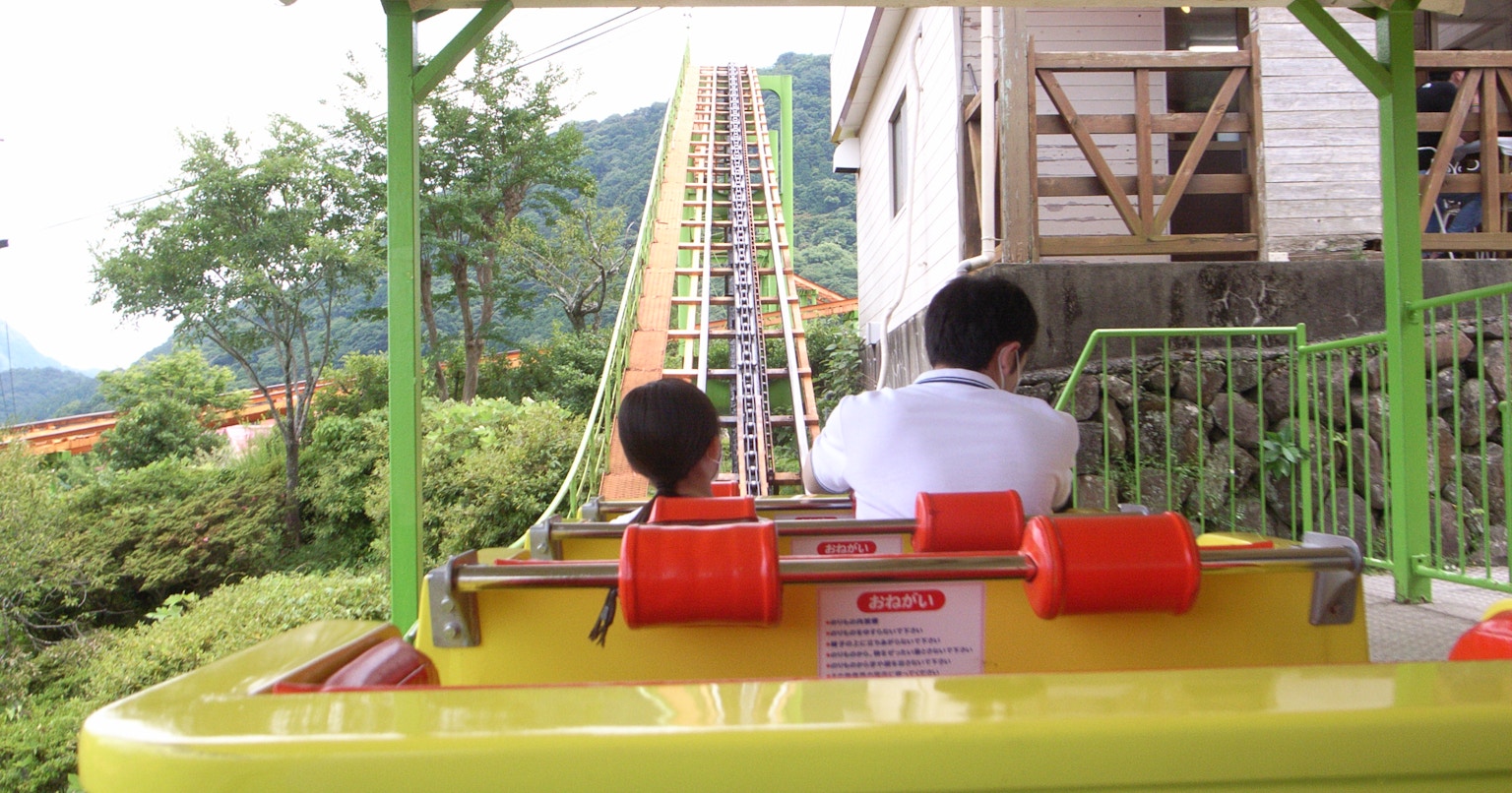
The era was still Heisei. Weekends meant family trips to amusement parks, zoos, and aquariums. My baby brother crying in his stroller, my mother flustered, and me—unaware of the chaos—running around. My father chasing after me to make sure I didn’t get lost.
After the exhausting picnic, we’d ask someone to take a family portrait. In that single photograph, the memories of that day vividly resurface like a scene from a film.

Image by sentimental_jong
Today, it’s easy to capture high-quality photos and videos with a smartphone. Yet, there’s something in those old photos that modern technology can’t replicate. While it’s tempting to sum it up as nostalgia or emotional depth, the experience is unique and special to each individual—something that can’t be fully expressed in words.
Nostalgia That Transcends Borders
It seems that the culture of appreciating the nostalgia found in old digital compacts and vintage photographs is not limited to Japan. In a BBC article titled ‘Digital cameras back in fashion after online revival,’ New York-based creator Katie Glasgow, who uses her parents’ old equipment to create images and videos, was interviewed about the appeal of old digital compacts. She described their charm as follows:
“Photos taken with old digital compacts look like memories—they’re blurry and imperfect. It’s closer to how we actually remember things. For younger people, who have virtually no recollection of these cameras in their 2000s heyday, this opens up a kind of ‘nostalgic world.’”
Original quote:
"It looks like memories, because it's blurry and imperfect. It looks more like how we remember things, For younger people, who will have virtually no recollection of these cameras in their 2000s heyday, this opens up a kind of "nostalgic world"
(From BBC interview, February 6, 2023)
In some ways, sharing a common tool can sometimes bridge distances between people more effectively than language. The unique imagery created by cameras from “that era” seems to foster a sense of shared nostalgia that transcends national borders.
Nostalgia Ten Years From Now

Image by usubafilm
This time, we explored how viewing photos taken with old digital compacts can create a shared sense of nostalgia and longing.
In any case, today’s cameras will inevitably become the “old cameras” of the future. Will the feeling of nostalgia arise then as well? With cameras now boasting over 100 million pixels, capturing details beyond what the human eye can perceive, perhaps—as Katie Glasgow suggested—today’s cameras are simply too perfect to evoke nostalgia through “blurry and imperfect expression.” Or, as camera technology evolves, will our sensibilities shift, and will we one day look back on today’s photos with nostalgia? Either way, I look forward to revisiting the photos I took this morning ten years from now.