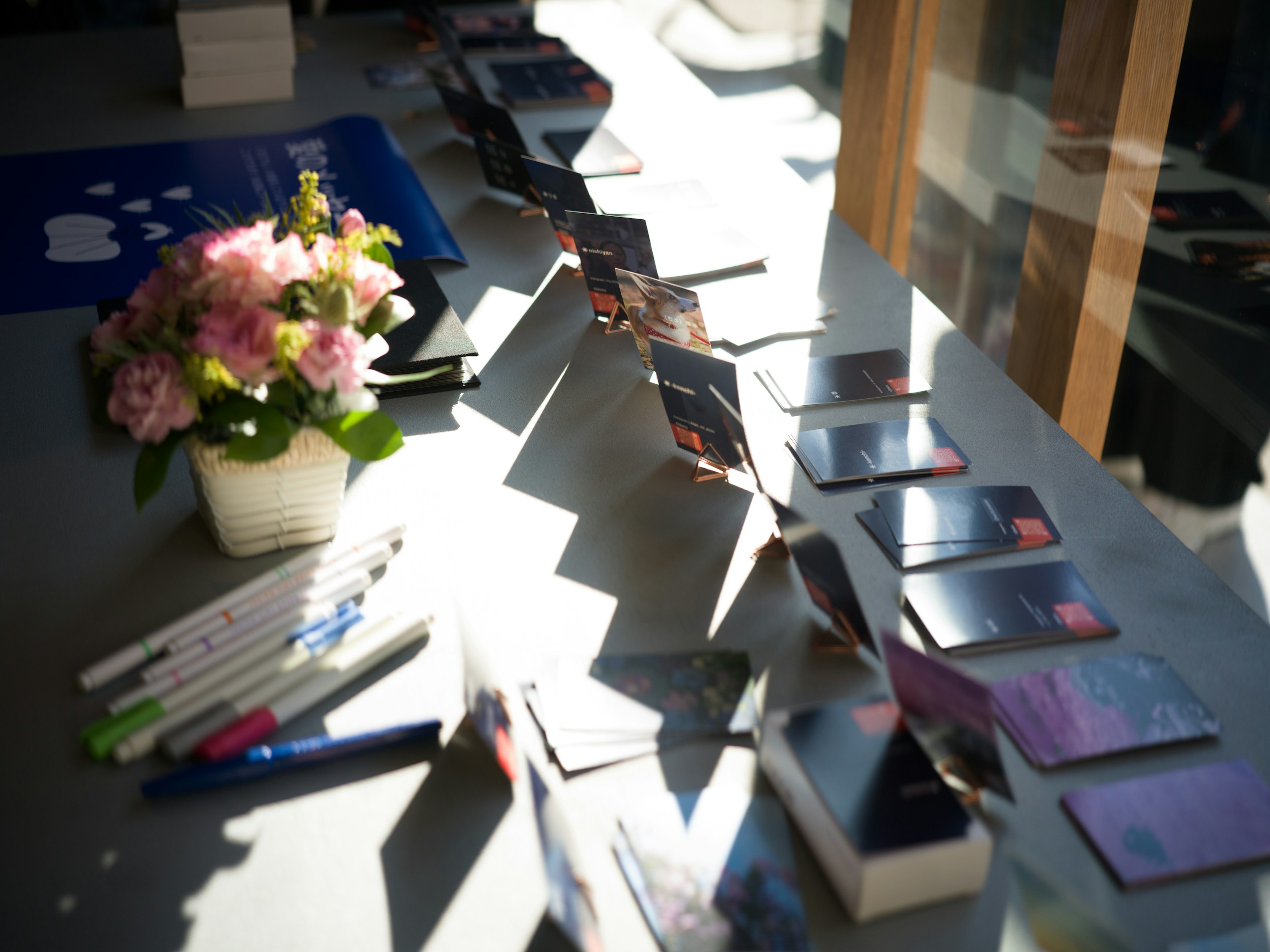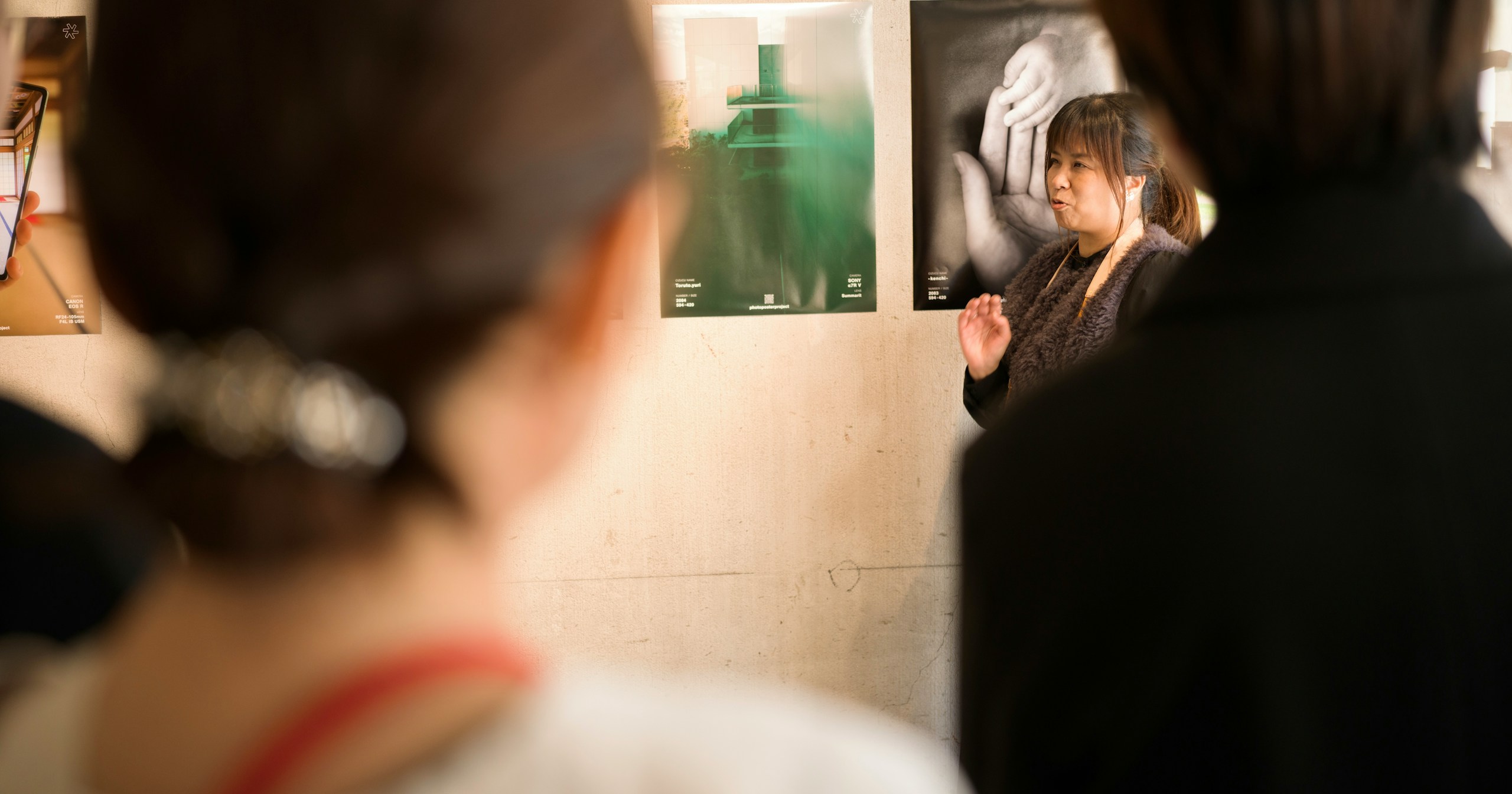
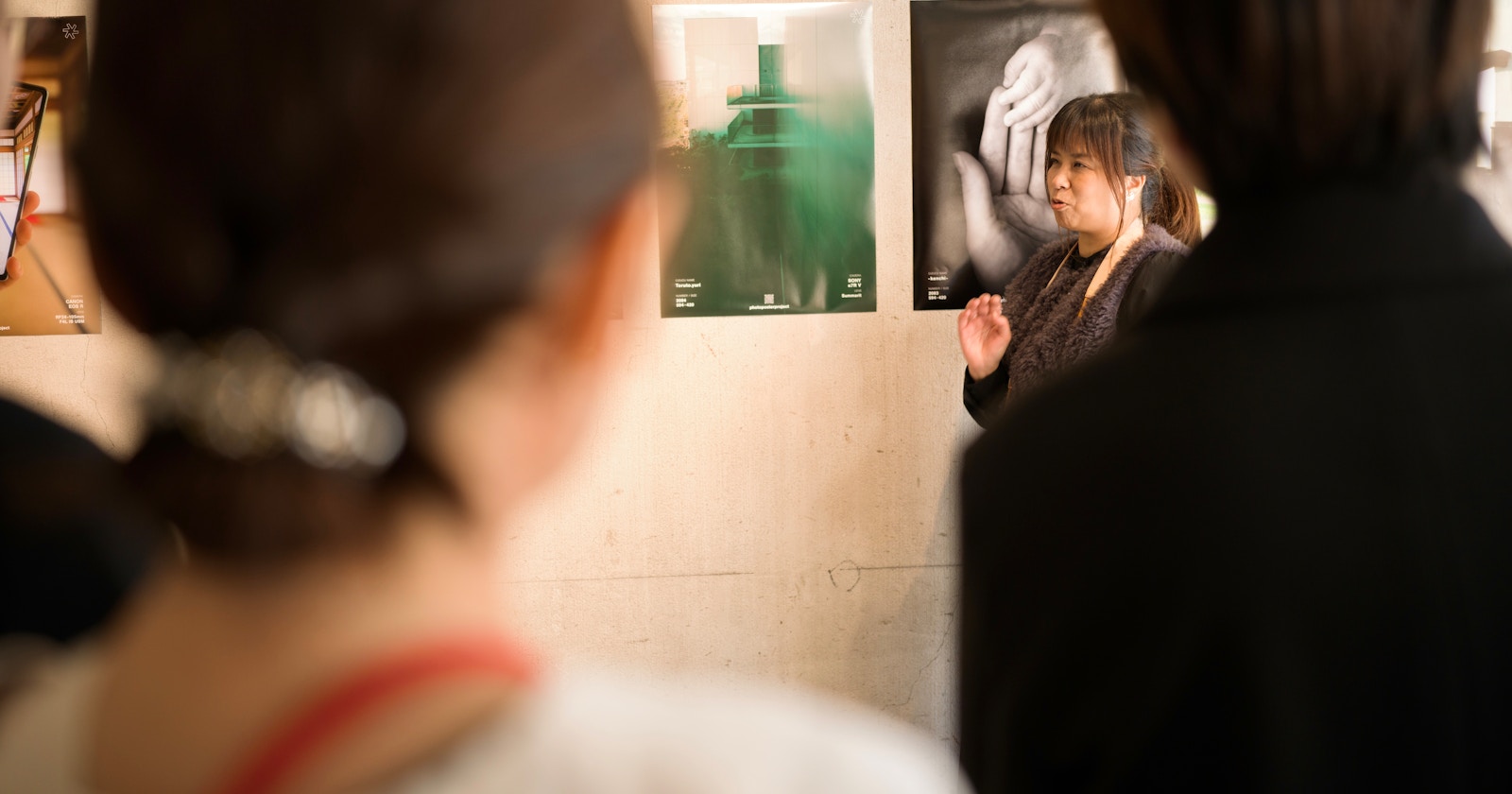
cizucu presents photo poster project in cities around the world. Simply by submitting photographs to cizucu, creators can take part in a photography poster exhibition and meet fellow photographers they have yet to encounter.
photo poster project is run in collaboration with volunteer staff based across the globe. Each team member brings a distinct background and personal vision to shaping this shared space.
For this interview, we spoke with Toruto.yuri, a creator working in Nagoya, Japan, and a member of the project’s staff.
Please introduce yourself!
I primarily work as a photographer and photographic artist. Alongside organizing and facilitating photo walks and photography classes, as well as undertaking design work, I continue to photograph scenes from everyday life and fleeting moments that catch my eye.
In April 2025, I also became involved with cizucu’s photo poster project. My practice values not only the act of making photographs, but also human connection and the passage of time.
What inspired you to join ppp and become a staff member?
At first, what drew me in was not so much the idea of a place to exhibit photography as my curiosity about cizucu itself. It felt like somewhere interesting things were happening, so I decided to take part in ppp.
When I visited in person, I found an atmosphere that felt slightly different from a conventional group exhibition. It was not simply about presenting artwork; equal importance was placed on connecting with others and reflecting on oneself. That atmosphere left a lasting impression on me.
I could also sense the staff’s passion throughout the exhibition space. Photography allowed people to connect with one another naturally. Wanting to become part of that environment was what led me to join the staff.
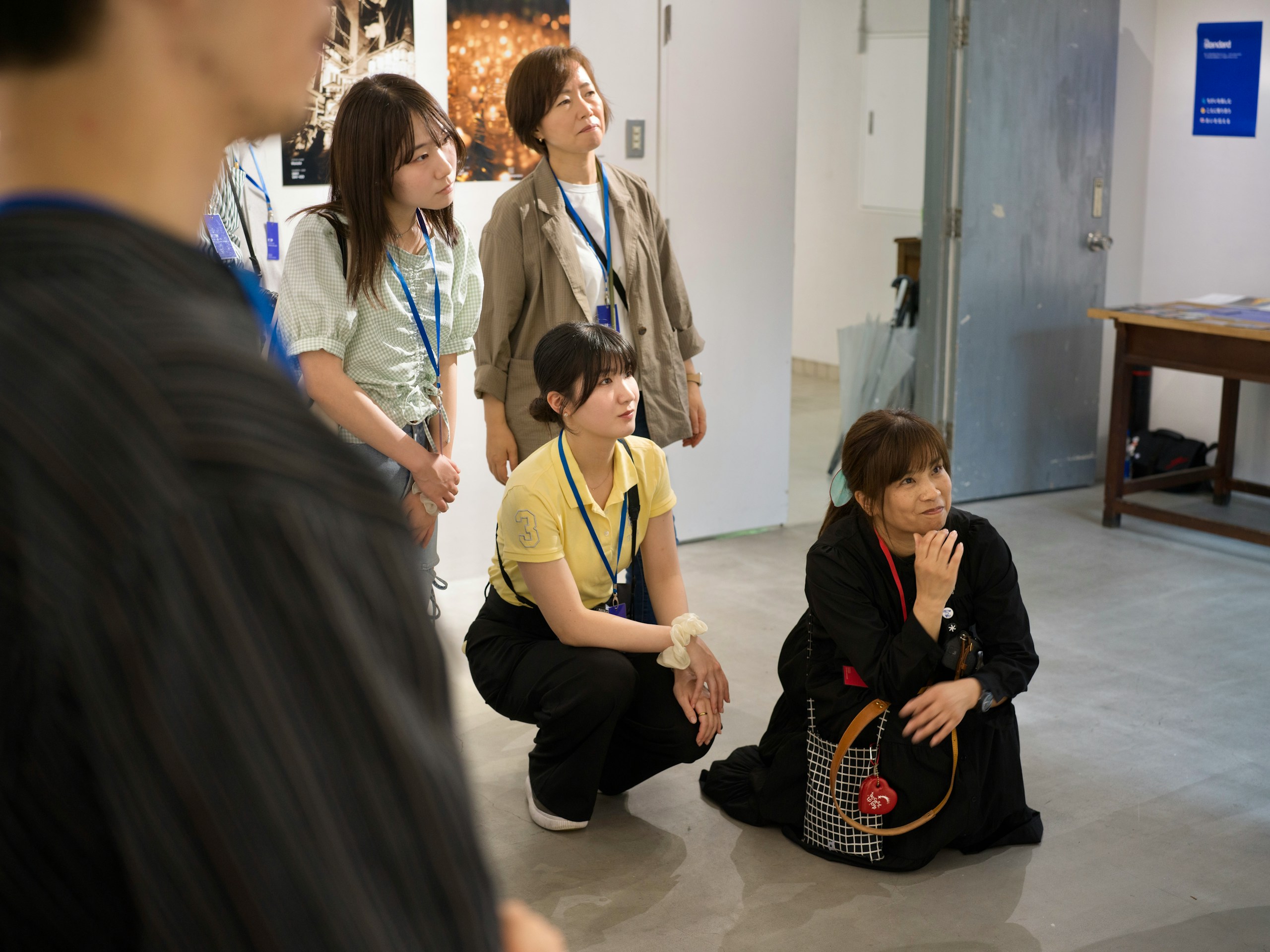
As a staff member, what do you find uniquely compelling about ppp?
I think it is the opportunity to move beyond conversations about photographic technique and equipment and engage with people’s essential character and values.
cizucu itself has a warm and welcoming atmosphere. Photography becomes a point of departure for reconsidering what matters to you and reflecting on the time you have lived through. It is also a space where you can engage more deeply with yourself.
Another major attraction is the way photography connects people. Through my involvement—including helping shape the atmosphere and flow of the space—I also feel that I am growing personally.
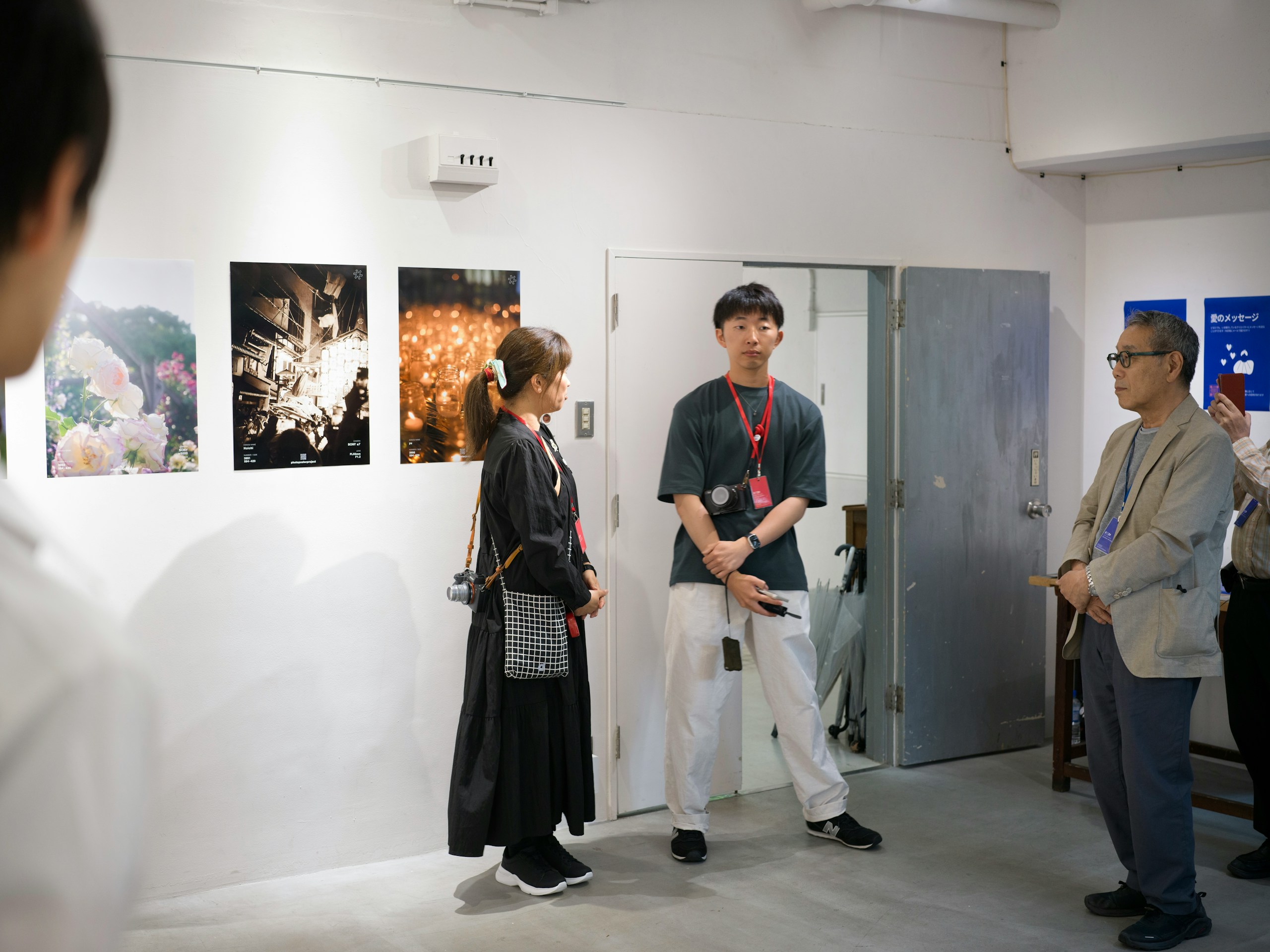
The connections formed with people meeting for the first time—and the gradual evolution of relationships between those who already know one another—are both distinctive aspects of ppp. Through cizucu and ppp, I have met people from across Japan and watched relationships emerge through photography in many different places. There is something truly singular about that experience.
What matters most to you as a staff member, and when do you find the work most rewarding?
What matters most to me is creating an atmosphere in which participating creators can feel comfortable and at ease.
They do not need to speak eloquently; what matters is that they can talk about photography in their own words. I value giving each person the space to engage with photography at their own pace, allowing that time to lead naturally toward whatever comes next.
As people who love photography gather, converse, and look at the work, the atmosphere gradually begins to soften. As a staff member, I find it deeply rewarding to be present when someone takes a new step or arrives at a realization.
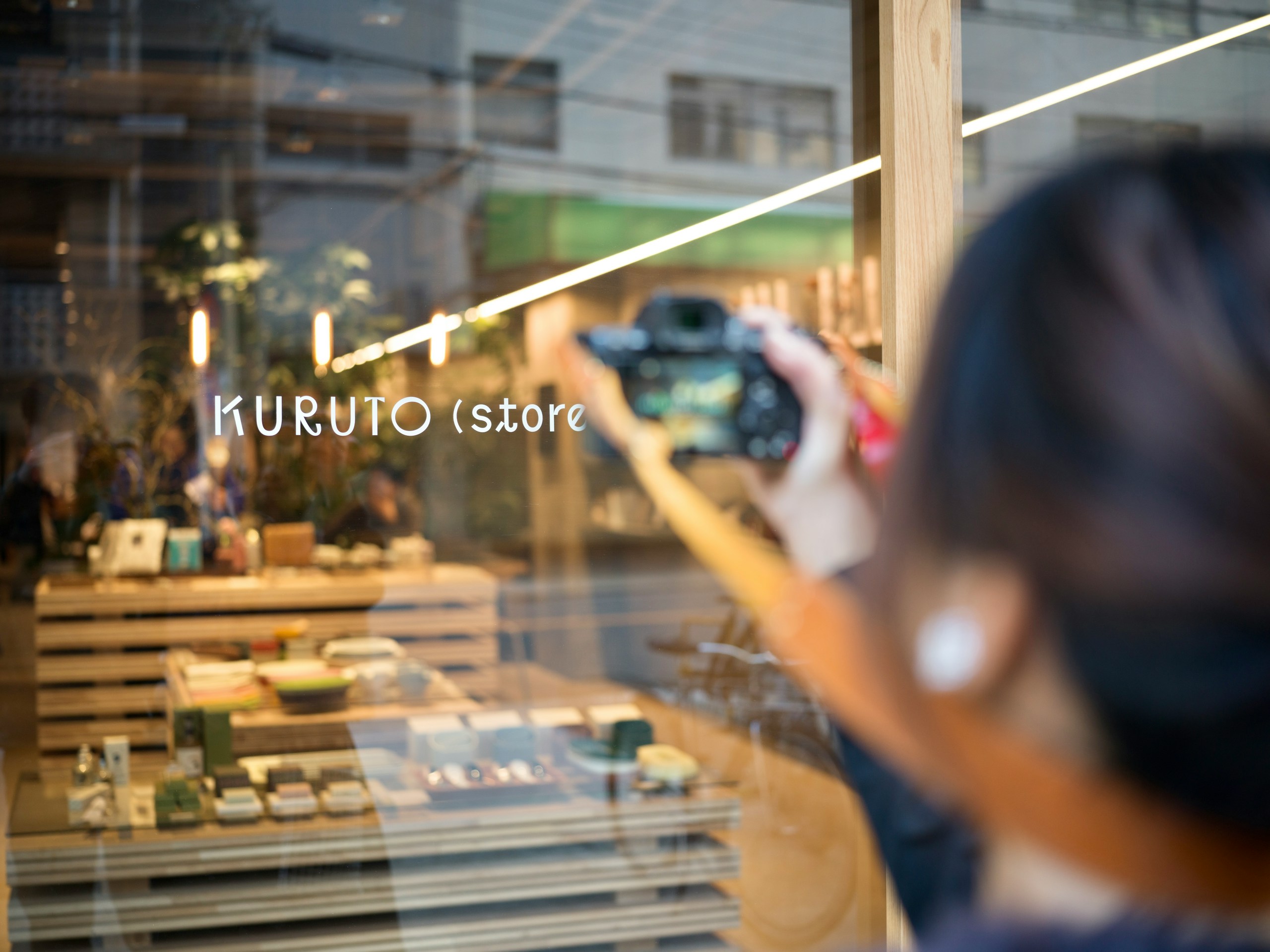
I was also particularly moved by parents and children who participated together, as well as visitors who came to see a friend’s photographs. When I see people delighting in someone else’s work as though it were their own, I am reminded of photography’s ability to connect people.
Messages that arrive after an exhibition can be equally moving. People have reached out to me at exhibitions overseas and in Yokohama, reminding me once again of the human connections formed through cizucu.
Has your perspective changed since becoming involved with ppp?
At first, I saw ppp as a place to exhibit photography. The more time I spent with it, however, the more I came to understand that what exists there is not only the artwork, but also the relationships between people and the time each person devotes to engaging with photography.
The distinct atmosphere of each region’s gallery talks is another fascinating aspect of ppp. Across many places in Japan, encounters arise from the character of each locality and the people who live there. As these experiences accumulated, my understanding of ppp gradually expanded.
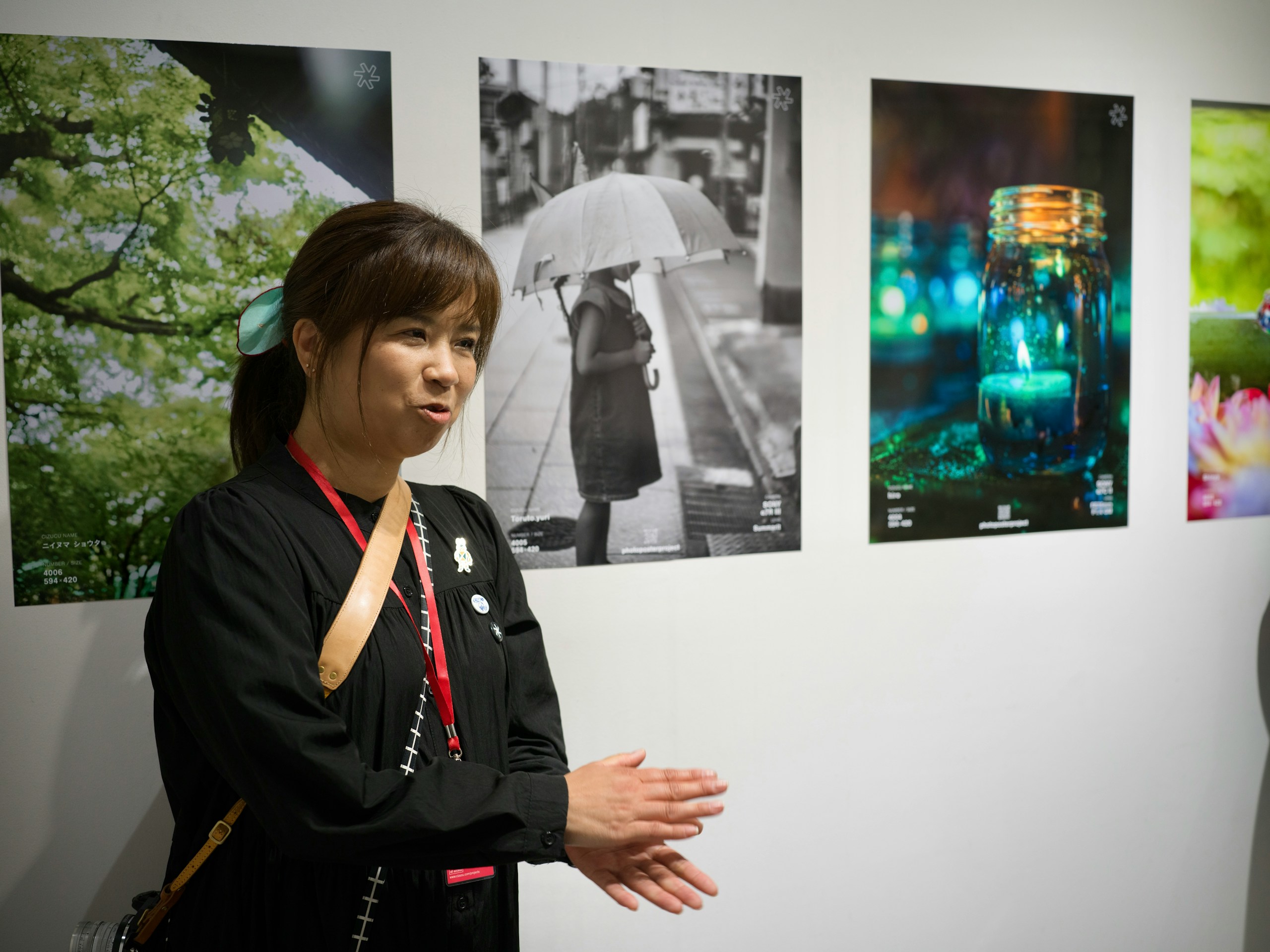
The conversations sparked by photography and the connections that continue after an exhibition—each of these contributes to the value of ppp as a shared space.
Every time I take part, I am reminded that photography is not simply something to be shown; it can also become an opportunity to meet people and share time together.
What would you say to those interested in joining the staff in the future?
ppp is a place where people who love photography can gather comfortably and speak about it in their own words.
You do not need to be an accomplished speaker. What matters is respecting the feelings and time of everyone present while shaping the atmosphere together.
Being there to witness someone take a new step or arrive at a realization through photography is one of the great joys of working as a staff member.
For anyone who values human connection and time for self-reflection, I believe ppp will be a truly memorable experience.