Through interviews with individuals who pursue photographic expression through unique perspectives, we delve into the origins of their creativity, their ideas, and their creative process—bringing fresh inspiration to photographers and photo media around the world.
In this issue, we feature Hong Kong–based photographer Edas Wong. Preserving the origins of their creative practice, along with the ideas and perspectives they hold dear, as words and archives today should help support and sustain an important part of photographic culture in the years to come.
Through these “10 Questions,” we take a closer look at the process behind how their expression takes shape.
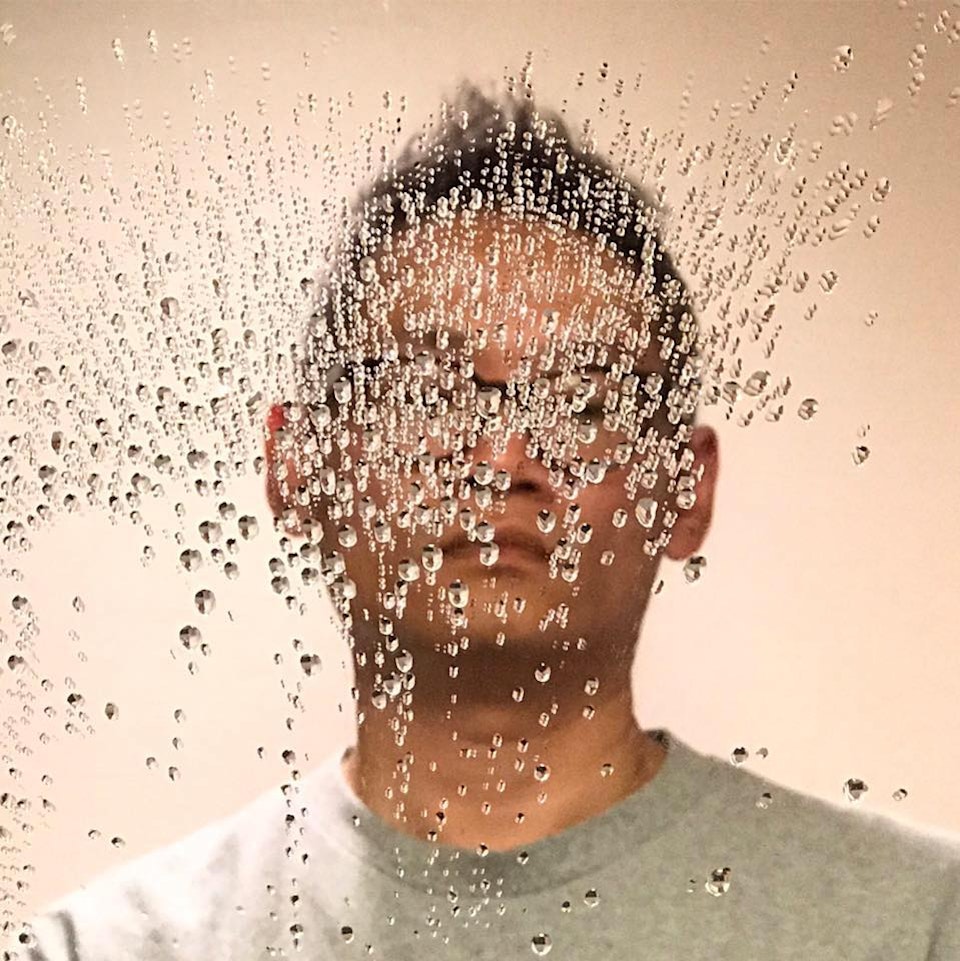
Edas Wong
Hong Kong Street Photographer
Instagram : @edaswong
Q1. Tell us about the origins of your photography and your current activities.
When I first began taking photographs, I mostly captured everyday moments and travels with my girlfriend—who is now my wife. In 2012, while working in Sweden as an engineer in R&D, I wanted an artistic hobby to help balance my life, so I casually picked up a camera and started photographing on the streets. I’ve been shooting for 14 years now.
These days I mainly do street photography on weekends, and on weekdays, if I feel like it, I’ll go out during my lunch break or after work.
©︎ Edas Wong
Q2. What are the most important elements or themes in your work?
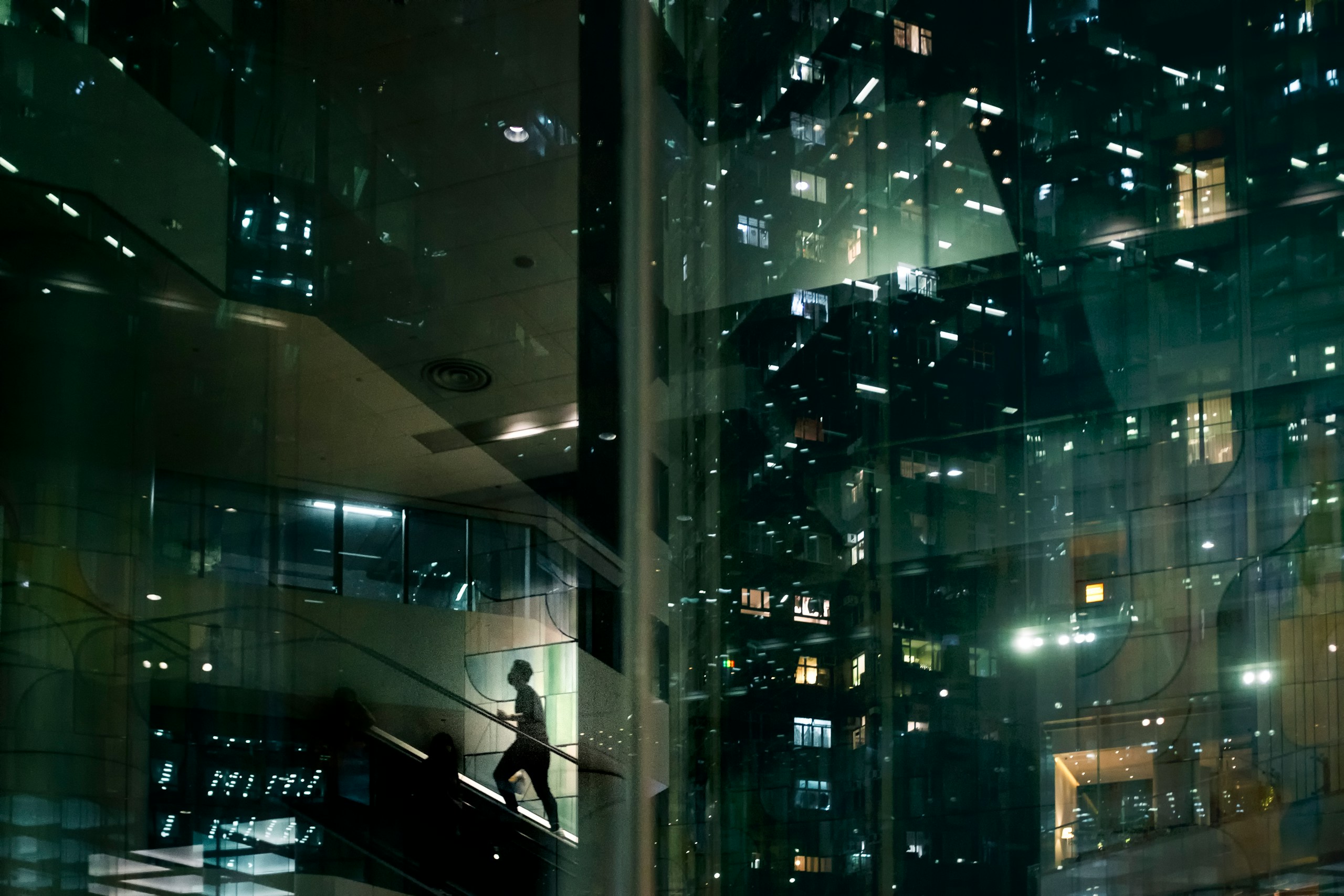
My street photography is highly spontaneous—I don’t set out with a particular theme or element in mind. What I enjoy most is observing the relationships around me: between people, between people and objects, and even between objects themselves. In that sense, the core of my street work is about capturing the connections that exist between all things. Even so, creative work can still be rooted in everyday life without a clearly defined theme.

©︎ Edas Wong
Our life experiences shape how we observe the world—for instance, someone dealing with hair loss will naturally notice things related to hair. Without even realizing it, a series of images around a specific subject can begin to take shape.
Q3. How do your works come to life? We’d love to know what goes on behind the creative process — intuition, chance encounters, on-the-spot decisions.
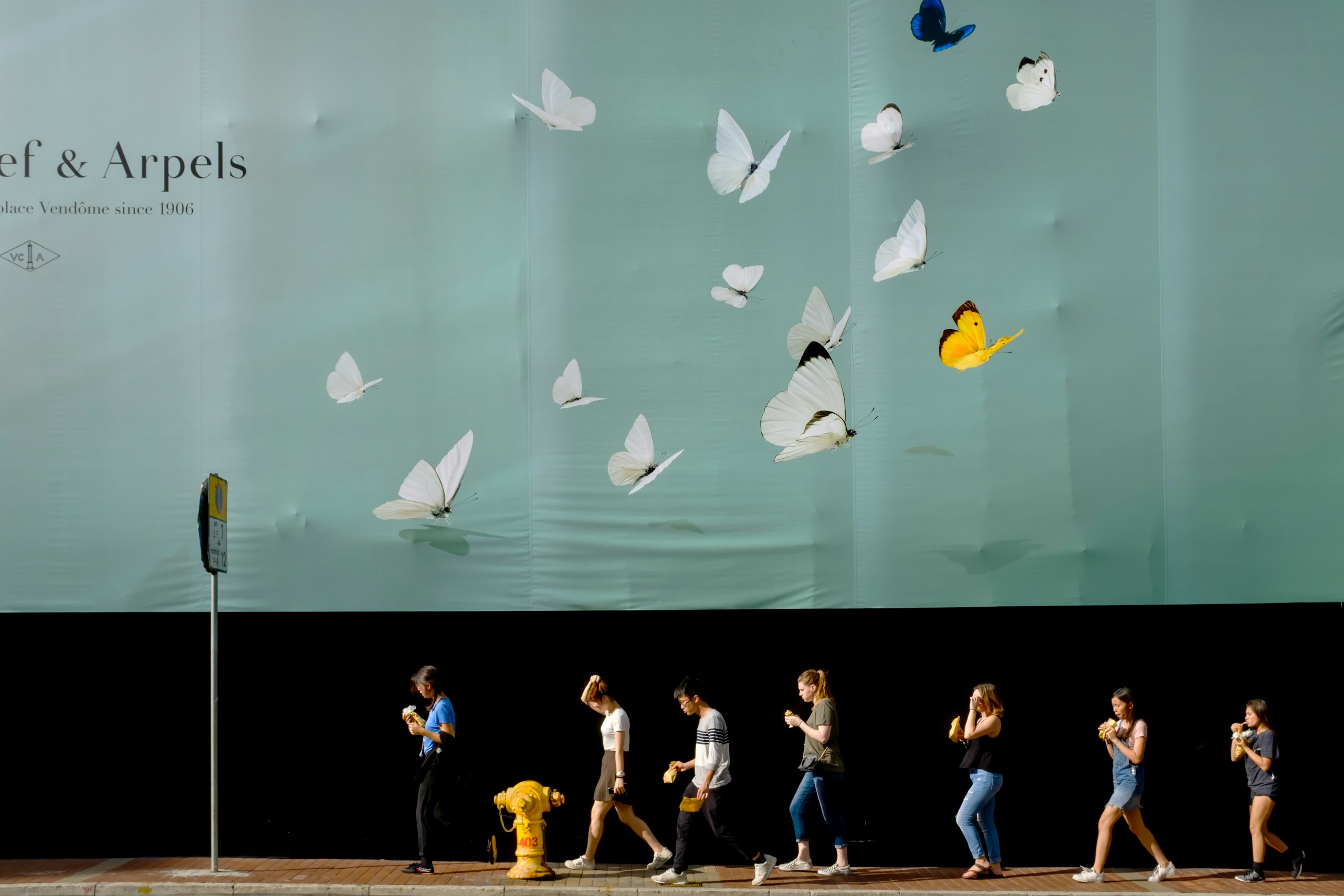
There are no special techniques in my creative process—it’s mainly about observation: observing with focus, observing in depth, and then waiting for a kind of spiritual calling. Fascinating moments can happen in an instant, and sometimes I have to rush to capture them.
If I miss one, I may have to wait until it happens again.
©︎ Edas Wong
For a good piece of work, originality is the most important thing. Originality comes from observation, not from “seeking.” Seeking means someone has already created something, and you’re trying hard to find something similar—in that case, there is no originality.
That’s also why it’s best not to think too much while observing—simply let everything be as it is.
Q4. What drives you to keep creating?
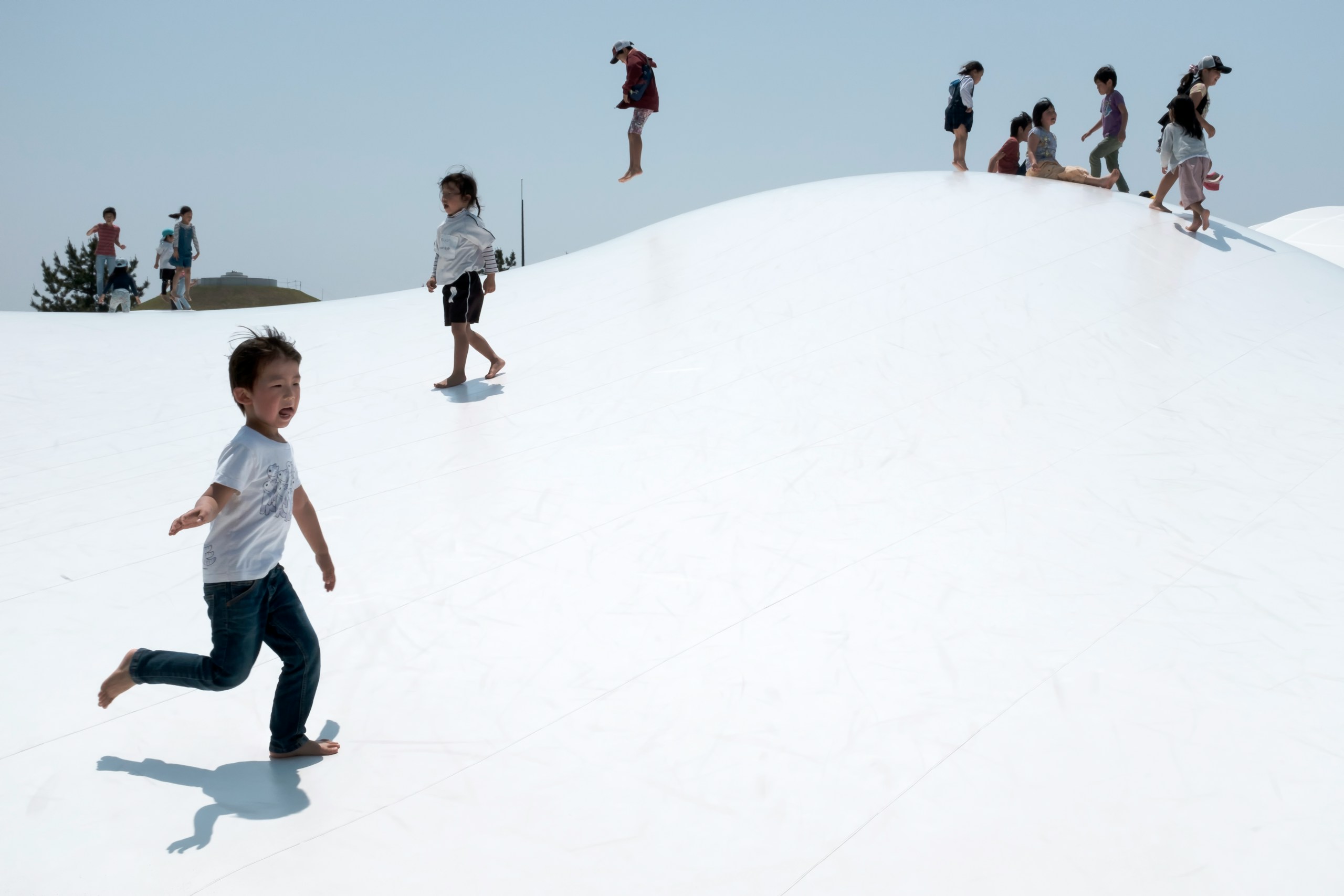
Love and self-rescue. I love creating, but in the Hong Kong summer, street photography is a tough task – drenched in sweat, and without love it would be hard to keep going.
©︎ Edas Wong
Creating helps me to empty my mind; normally my head is full or restless thoughts, but observing with emptiness can rescue me in a way that feels almost like meditation.
Q5. Please share one of your favorite shots. We’d also love to hear the story behind it and why you chose it.
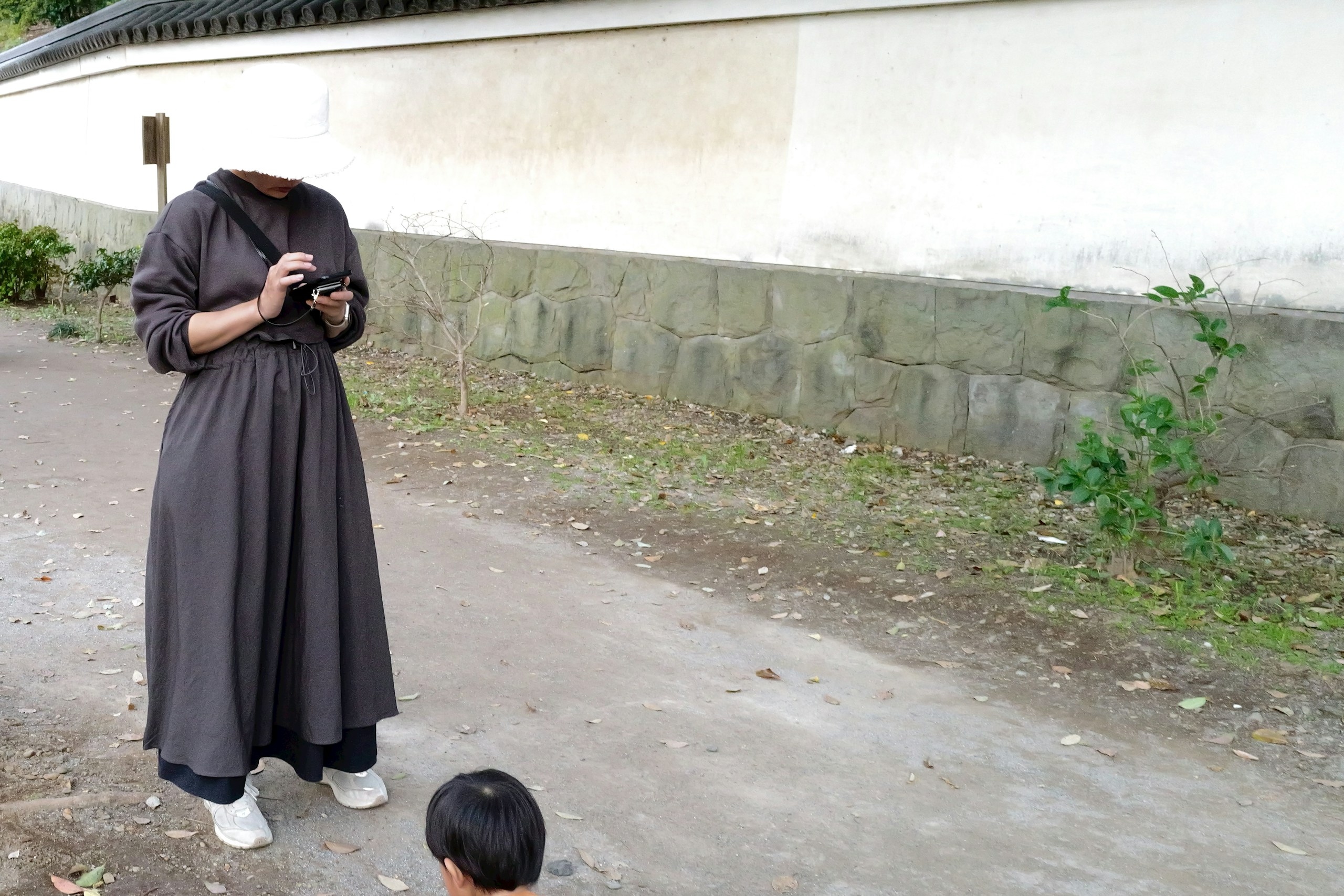
There’s a photo where the subject’s head isn’t visible—and it was actually taken in Japan. I had just finished viewing cherry blossoms at Tokyo Dome City and was walking back to catch the train when, from about 50 meters away, I spotted what looked like a headless figure. It startled me for a moment.
©︎ Edas Wong
When I looked more closely, I realized the hat had blended into the wall, making the head appear to disappear. I immediately hurried over—half walking, half running—and quickly captured the shot.
Q6. In the age of AI, what do you think photography means?
To me, AI is simply a tool—much like a camera. With AI, you enter a few keywords and it generates a graphic image. With a camera, you need a real moment, and you press the shutter to create a photograph. If the goal is beautiful scenery or portraits, AI may even do a better job in some cases.

©︎ Edas Wong
But when it comes to photojournalism or original photography, AI can’t replace them. News is about facts—if AI generates an image, it’s fabrication, not reality. And original photography requires a genuine idea.
AI only learns from what already exists and extrapolates; it has no spirit—at least not yet.
Q7. Within the Hong Kong photography scene, what movements or communities feel significant to you?
In Hong Kong’s photography circles, the conversation tends to revolve around gear, and shooting styles often narrow in on a particular kind of aesthetic “beauty.” But photography has many dimensions—it can be a record of everyday life, a medium for original artistic expression, and much more. Personally, I believe education can play an important role in helping children and younger generations explore the diverse possibilities of photography.
Q8. Are there photographers or creative scenes from other countries that inspire or excite you?
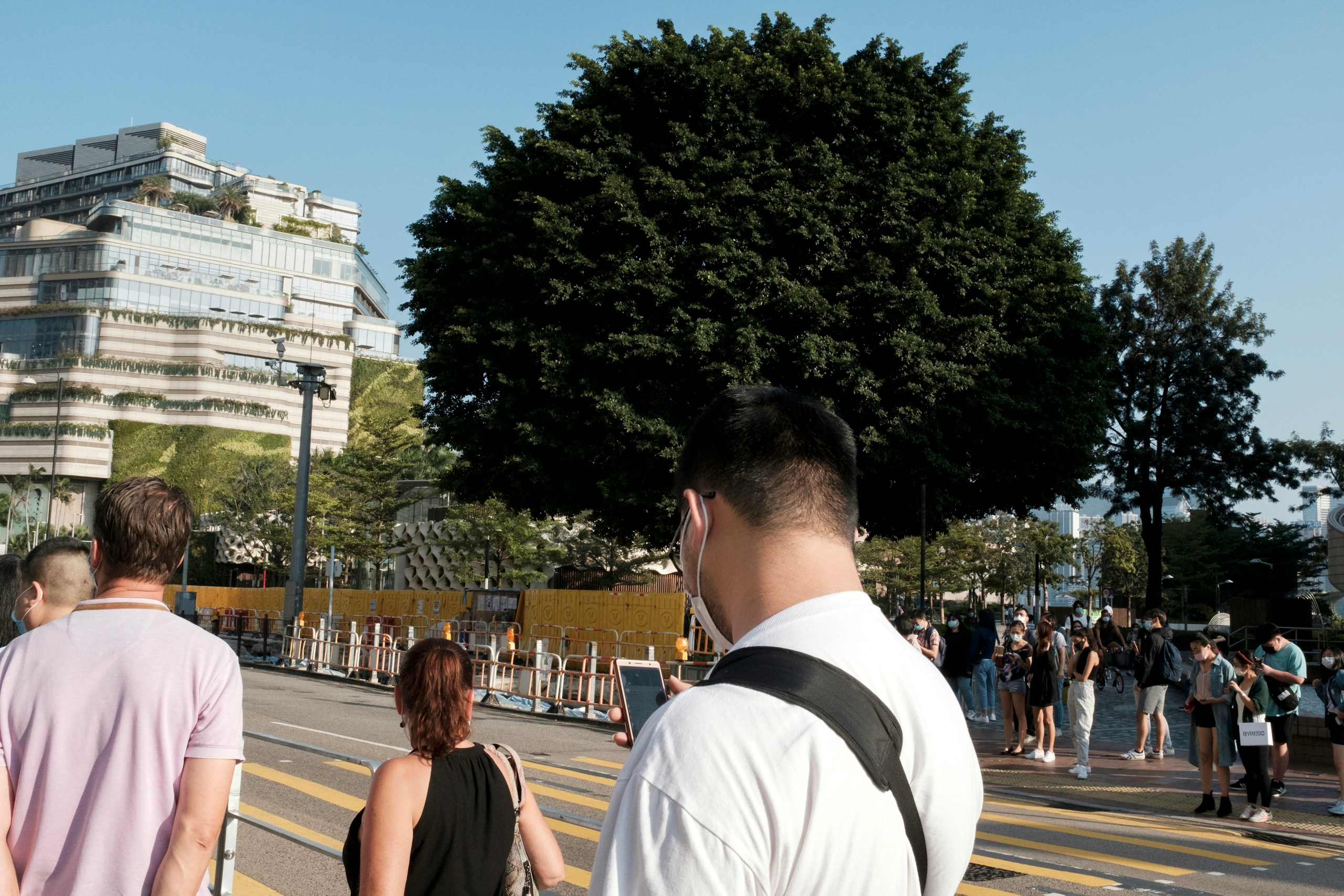
When I first began exploring street photography, my biggest sources of inspiration were Magnum photographers and the conversations taking place on Flickr.
©︎ Edas Wong
Q9. Tell us about something you would dedicate your life to pursuing.
I believe it’s worth spending a lifetime learning to free oneself from the ego.
As we grow older, attachment to the self often grows stronger. But if we can loosen that grip, it benefits not only how we live and relate to others, but also how we create photographs. Our observation becomes less subjective, and our creativity naturally becomes stronger.
Q10. What message would you like to share with creators around the world, from where you stand today?
Observation is the king.