MAGAZINE
MAGAZINE
MAGAZINE
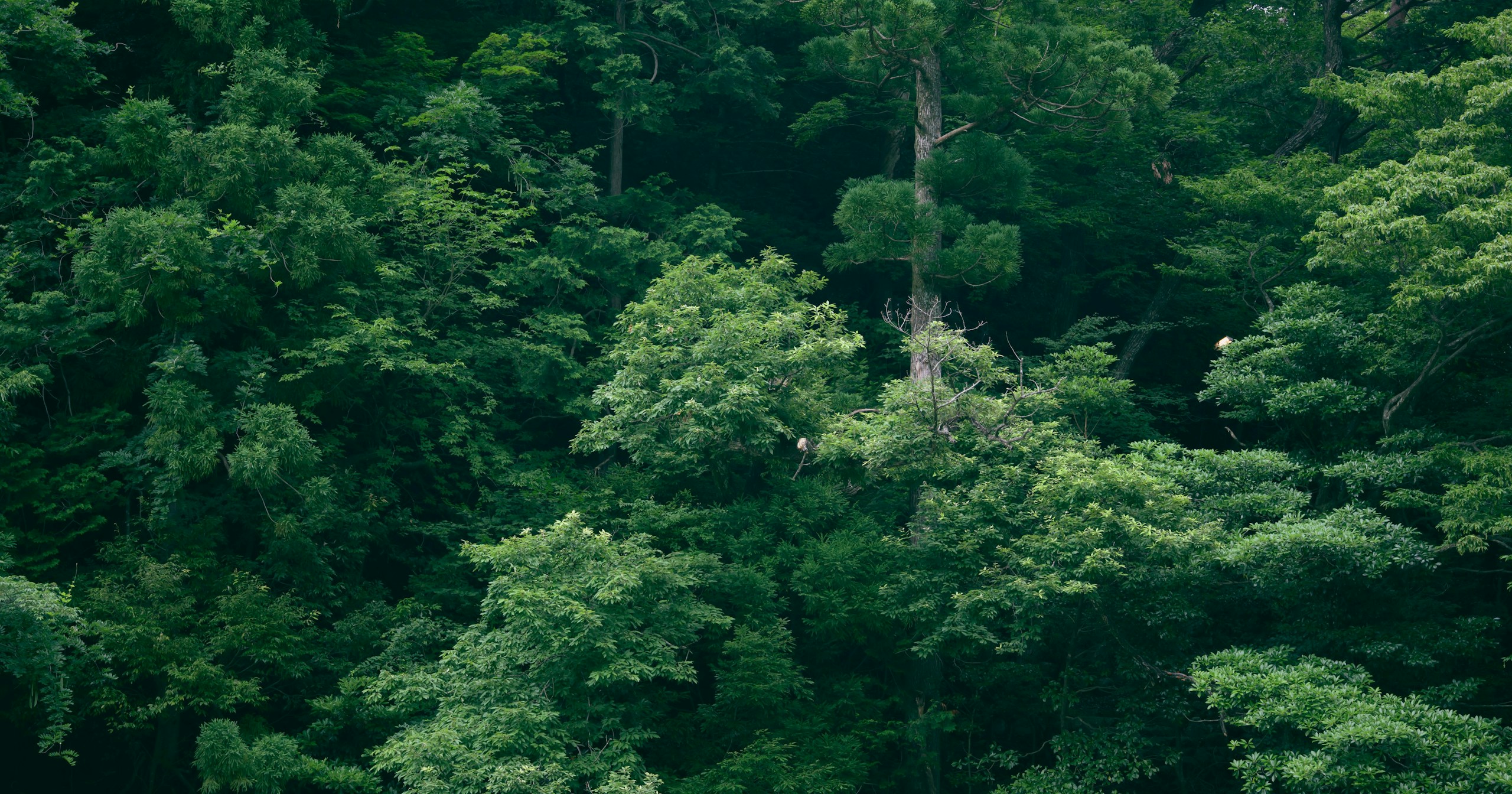
Cover photo by masa
※ cizucu認定ライター masa による寄稿マガジンです。
For many, the initial motivation to get an interchangeable lens camera is the desire to capture beautiful bokeh. I was no exception—10 years ago, I bought my first DSLR to take photos with stunning bokeh.
Bokeh is undoubtedly captivating. It highlights the subject in focus while also showcasing the beauty of the blurred background. However, bokeh is just one method of expression. Non-blurry photos can be equally beautiful.
This time, let’s explore the appeal of photography by stopping down the aperture and increasing the F-number.
Increasing the F-number deepens the depth of field, meaning a wider range of the image will be in focus. This eliminates the need for precise focus adjustments.
When the entire frame is in focus, it’s called pan-focus. For instance, with a lens equivalent to a 28mm focal length on a full-frame camera, stopping down to F11 can achieve a near pan-focus setting.
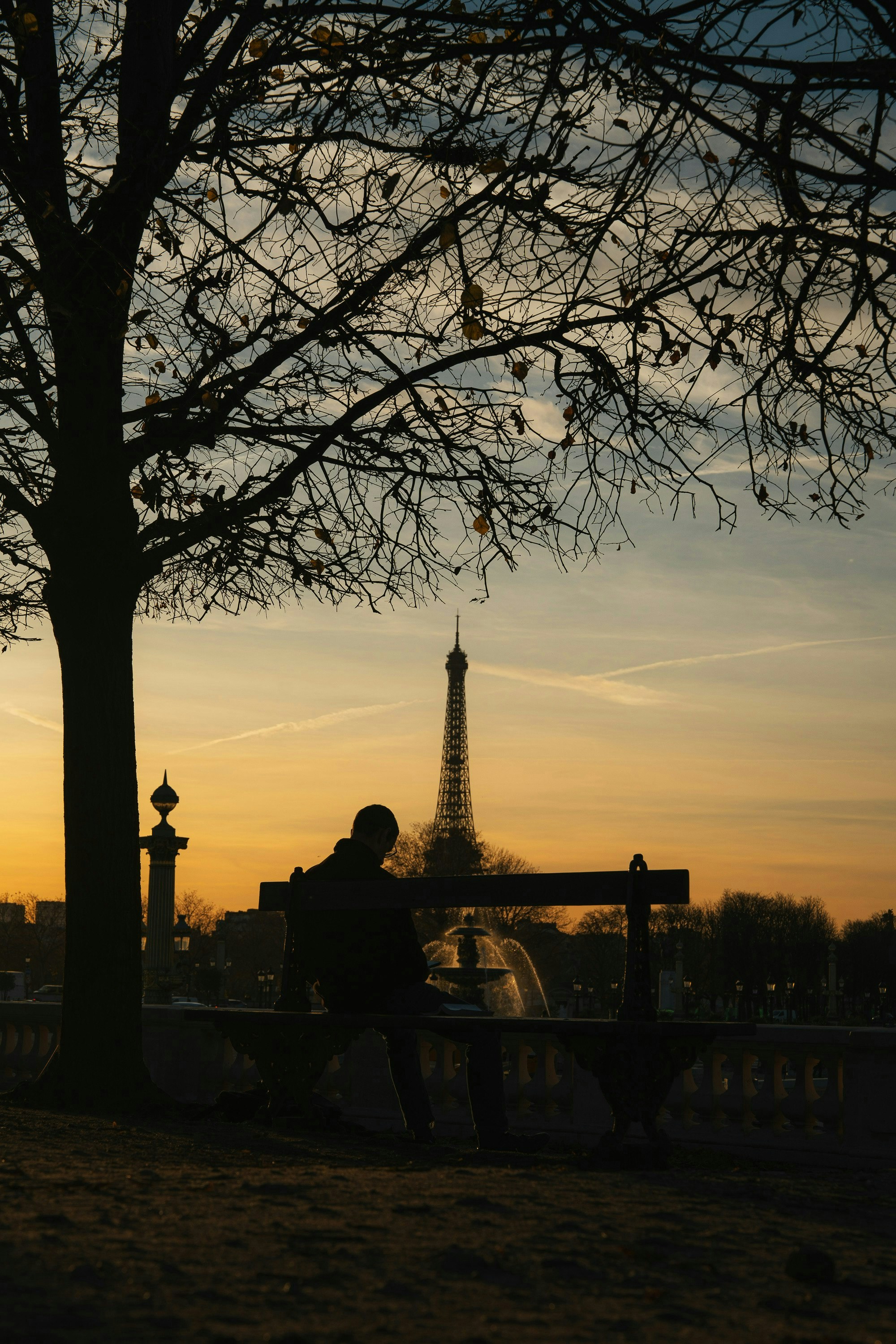
Photo by Ryuji Azuma
Once set to pan-focus, you can quickly capture what you see without worrying about focus adjustments. This is particularly useful for dynamic snap photography, where setting a high aperture value allows you to focus on composition and timing without the hassle of focusing.
Every lens has an optimal setting where image quality peaks. For most lenses, stopping down the aperture improves image quality, producing sharper and more vivid photos compared to shooting wide open.
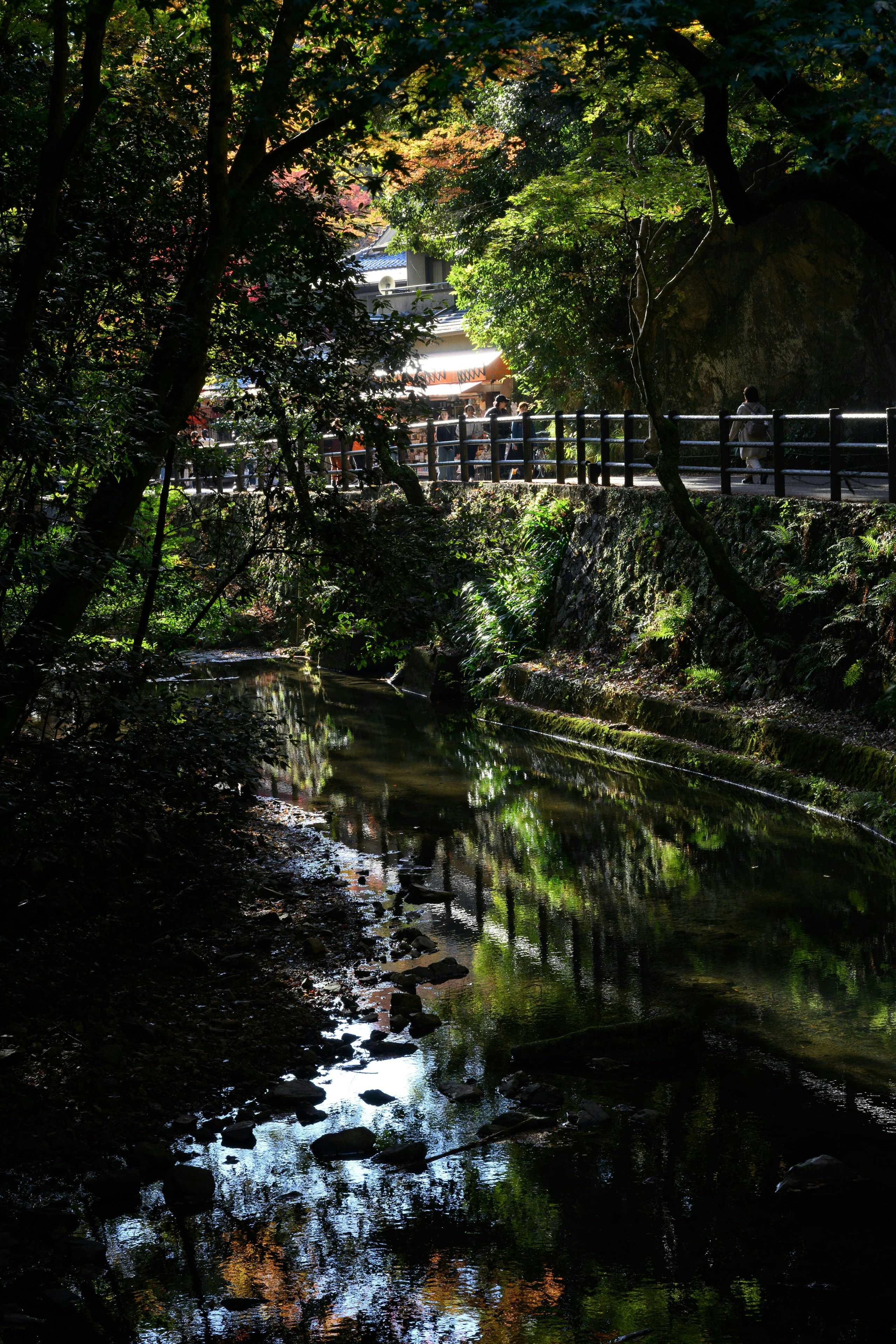
Photo by masa
Stopping down can also reduce vignetting and improve edge-to-edge sharpness. Understanding the characteristics of your lens—such as the F-number at which it delivers peak performance—can help you make informed decisions and achieve your desired results in various shooting scenarios.
When capturing motion, such as flowing water or moving people, using a slow shutter speed can leave a trail of motion in your photos.
However, slowing the shutter speed increases the amount of light entering the camera. To compensate, you’ll need to lower the ISO sensitivity to its minimum and, depending on the ambient light, further reduce the EV value.
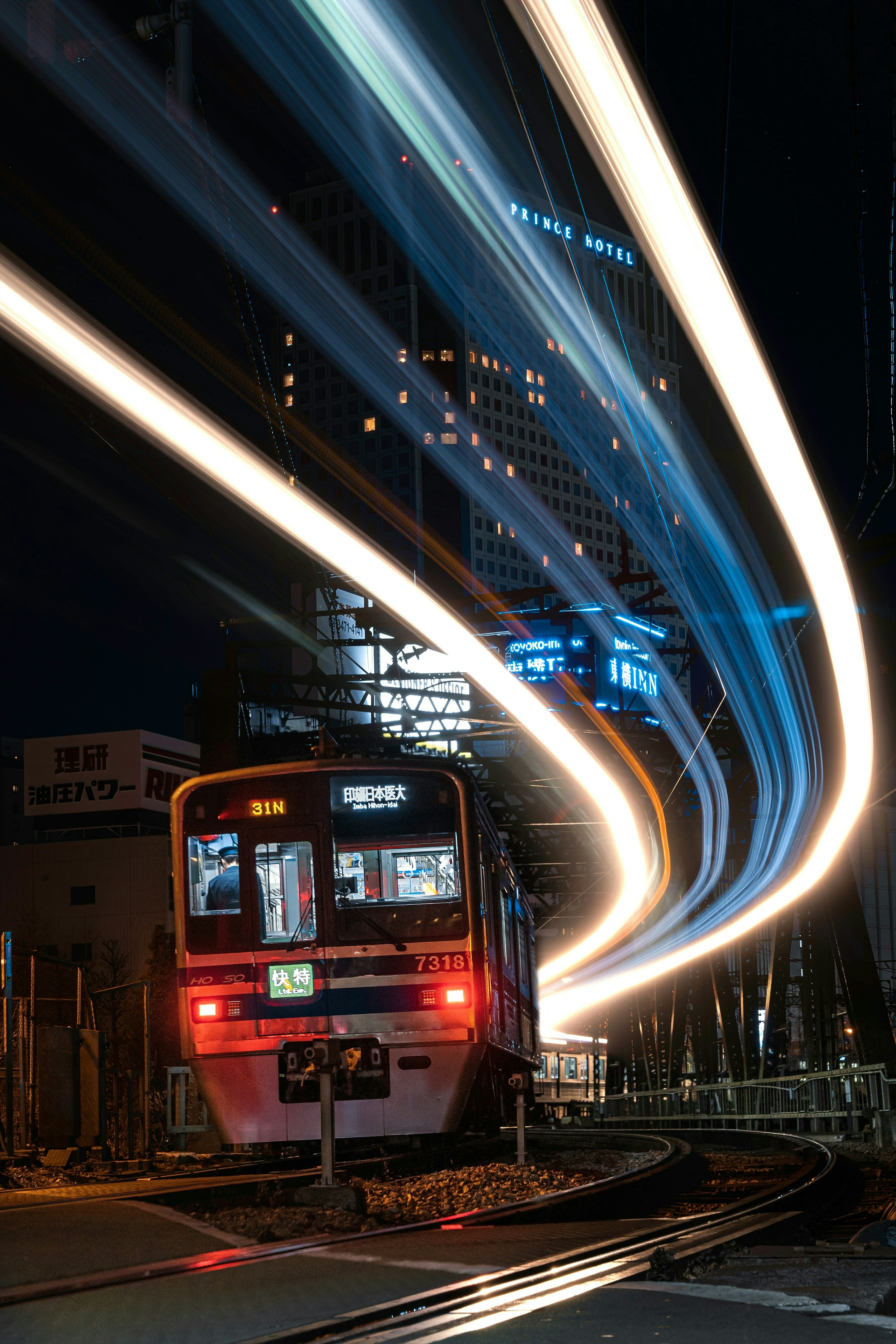
Photo by Yuya
The simplest way to control light is by increasing the aperture value. By stopping down and limiting the amount of light entering the camera, you can achieve proper exposure and enjoy slow shutter photography.
While bokeh is a highlight of wide-open aperture photography, light rays are a feature to enjoy when stopping down. Light rays are the streaks of light that radiate from light sources through the gaps in the aperture blades. Incorporating these rays can add a sharp and clean impression to your photos.
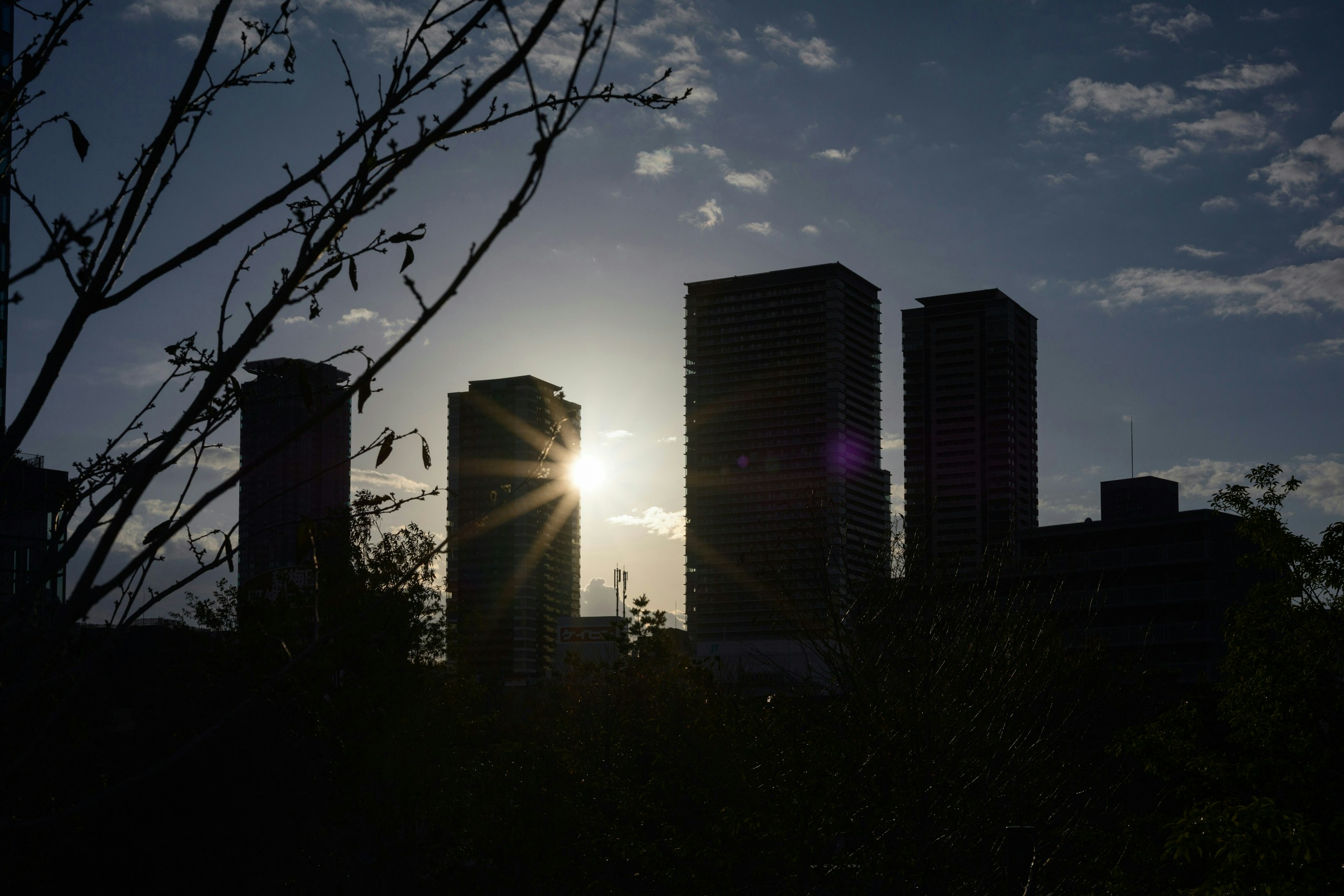
Photo by masa
There’s no definitive answer as to whether bokeh or light rays are better for light sources like the sun or streetlights. Experiment with different aperture values to find the expression you like best.
55 Magazines
A special series featuring contributions from creators with diverse perspectives from around the world. In their own words, they share their thoughts on cameras and photography, along with the stories behind their creative journeys—offering viewpoints that the cizucu editorial team alone could not capture.